Colostrum and Bloating: What the Research Actually Shows
Bloating is relentless. You feel it after almost every meal. Your stomach distends. Your waistband gets tight. Your clothes feel uncomfortable. Bovine colostrum is increasingly being studied as an intervention for compromised gut function, including the upstream drivers of bloating. Here's what the published research actually shows, and what's reasonable to expect.
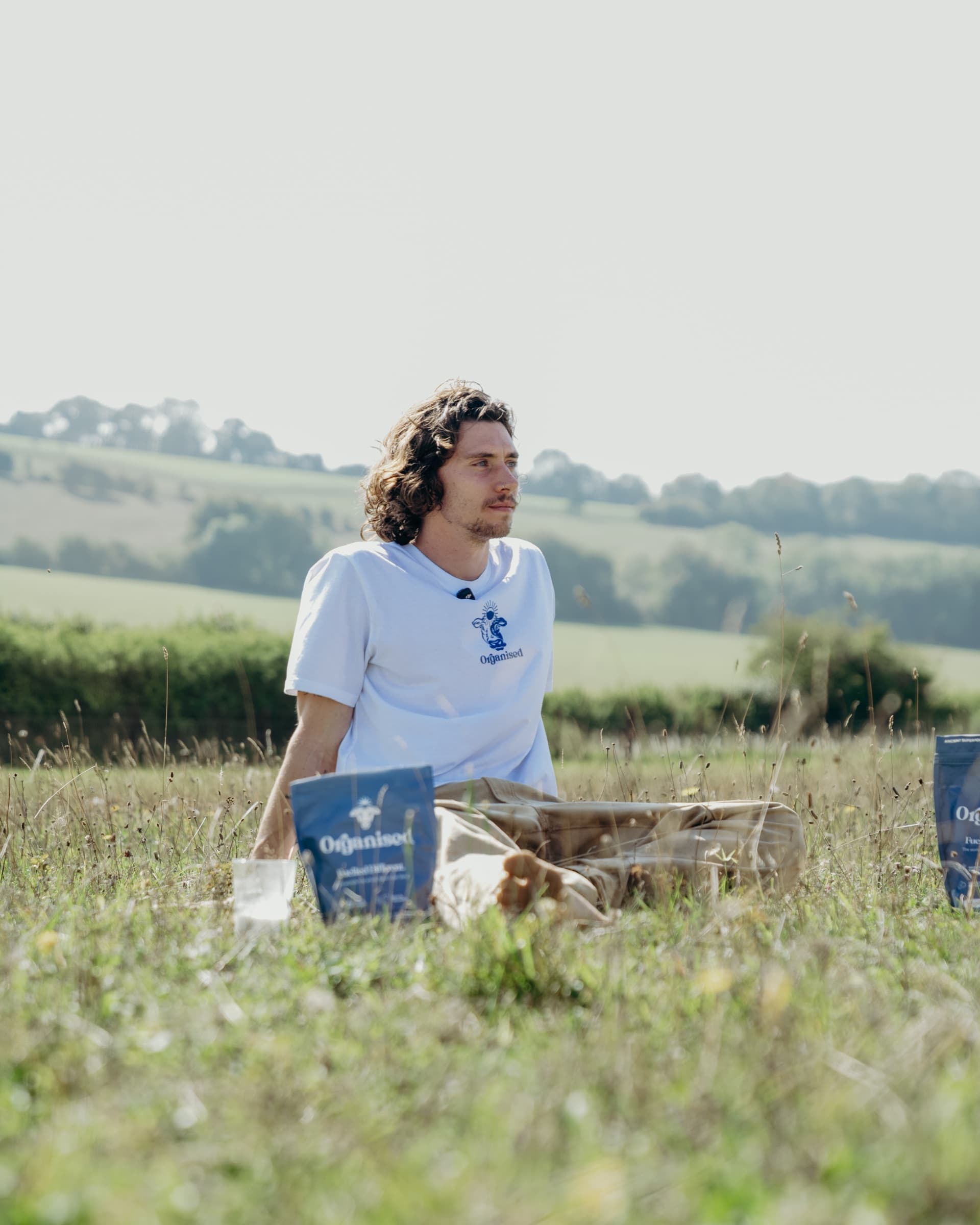
By Niall Kiddle, Founder, Organised

Reviewed by Pedro Rodrigues, Agronomist (farming and sourcing only) ·
4 min read · Published · Updated · 5 cited sources
Makers of the Organised Daily blend, a grass-fed beef organ supplement from regenerative UK farms


What the published evidence on colostrum looks at
There is no large, blinded randomised controlled trial that has measured bloating as a primary endpoint in adults with chronic bloating. That gap matters: any source telling you a single trial proves a precise percentage reduction in bloating from colostrum is overstating the data.1
What the literature does support is a coherent set of upstream mechanisms. Bovine colostrum supplementation has been shown to reduce markers of intestinal permeability, modulate the gut barrier, and deliver bioactive growth factors and immunoglobulins to the small intestine. Bloating is downstream of these things, which makes the mechanistic case reasonable, even where the specific symptom-level data are thin.2
Intestinal permeability: the strongest data
The cleanest evidence for colostrum and the gut comes from a 2017 trial in athletes by Halasa and colleagues. Twenty days of bovine colostrum supplementation significantly reduced stool concentrations of zonulin, a marker of intestinal permeability, compared with a whey-protein control.3 Permeability matters because a leaky barrier lets bacterial fragments and partially digested food cross into the lamina propria, triggering low-grade local inflammation. That inflammation is one of the documented contributors to bloating, slow motility and post-meal discomfort.2
A subsequent 2024 systematic review of bovine colostrum across human trials concluded that supplementation tends to reduce gut-permeability biomarkers and supports recovery of the intestinal barrier under stress, with effects most consistently observed in athletes, post-NSAID exposure and inflammatory contexts.4 That is not the same as proof of bloating reduction in the general population, and the review is honest about that limitation.
Growth factors, lactoferrin and gut motility
Bovine colostrum is unusually rich in growth factors. IGF-1 (insulin-like growth factor 1) and TGF-beta (transforming growth factor beta) are particularly abundant, and both have well-documented effects on the small-intestinal epithelium in cell-culture and animal models.2 They support enterocyte renewal and the structural integrity of the gut lining.
Colostrum also contains lactoferrin, an iron-binding glycoprotein with antimicrobial activity. Lactoferrin contributes to a less hostile microbial environment in the gut and has been studied for its role in modulating mucosal immunity.5 The case that these compounds influence motility and post-meal comfort is plausible but mostly indirect; the cleanest human evidence is for permeability and recovery from gut insults, not for motility per se.
Colostrum's gut effects in human trials are best documented at the level of intestinal permeability and barrier recovery. Anything you read framing it as a direct anti-bloating drug is moving past what the evidence currently supports.
The IgG and LPS mechanism
Colostrum is rich in immunoglobulin G (IgG), the antibody most concentrated in the early-lactation product.1 One mechanism that has been studied is the binding of IgG to bacterial lipopolysaccharide (LPS), a component of the outer membrane of Gram-negative bacteria that is a potent trigger of inflammatory signalling when it crosses the gut barrier.
By binding LPS in the gut lumen, colostrum-derived IgG can reduce the inflammatory load reaching the systemic circulation. This is one of the mechanisms invoked to explain why colostrum supplementation tends to lower gut-permeability markers in stressed populations.3 Whether that translates into a measurable reduction in self-reported bloating depends on the underlying driver of the bloating in any given person, and that has not been cleanly tested at scale.

Get the science, plainly, free
Two short reads a week on what the research actually says about nutrition.
By signing up you agree to receive emails from us. No spam, unsubscribe anytime.
Where the bloating link is plausible (and where it's speculative)
If your bloating is driven primarily by compromised barrier function, low-grade gut inflammation, or recovery from a course of NSAIDs or antibiotics, the mechanistic case for bovine colostrum is reasonable. The barrier-recovery and permeability data are real.3,4
If your bloating is driven by something else, FODMAP sensitivity, SIBO, gastroparesis, hormonal patterns, or a specific food intolerance, colostrum may help less, or not at all. The honest framing is that colostrum addresses one set of upstream causes, not the whole problem.2
What is not honest is to claim a precise percentage reduction over a precise number of weeks from a study that hasn't been published, or to extrapolate from a paediatric upper-respiratory-infection trial as if it measured bloating in adults. The mechanistic story stands on its own without that.
1 of 9
Daily blend
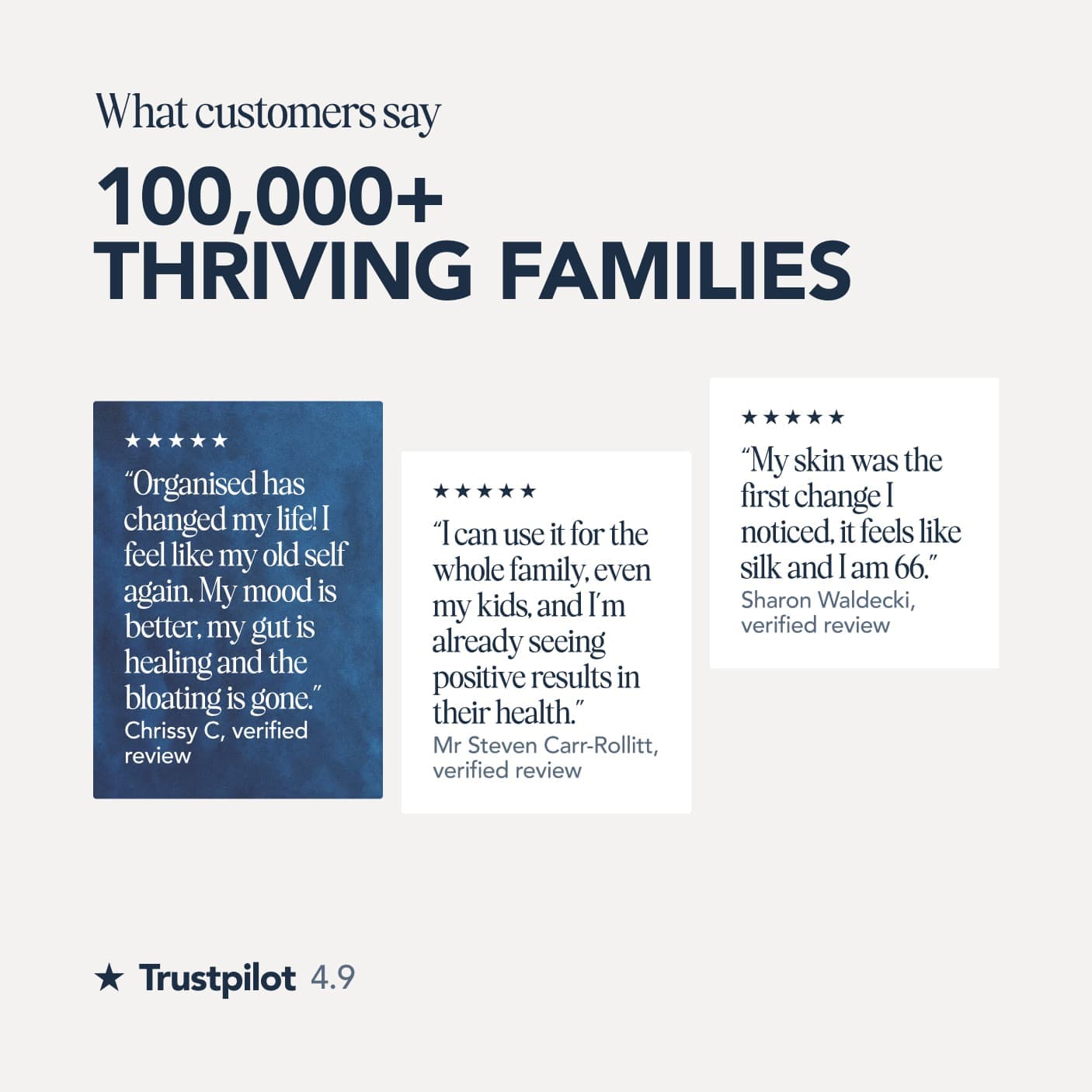
100,000+ thriving families4.9 on Trustpilot
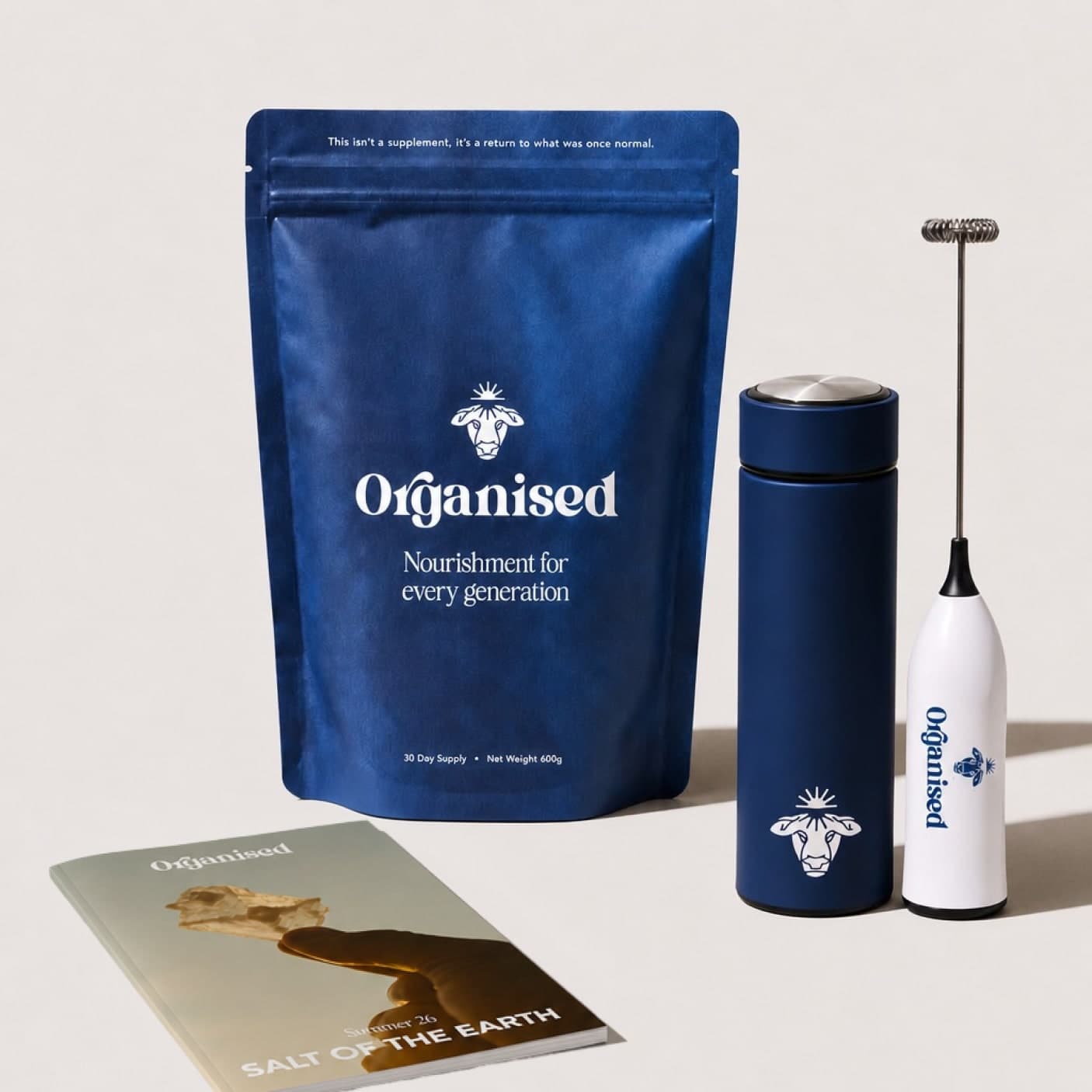
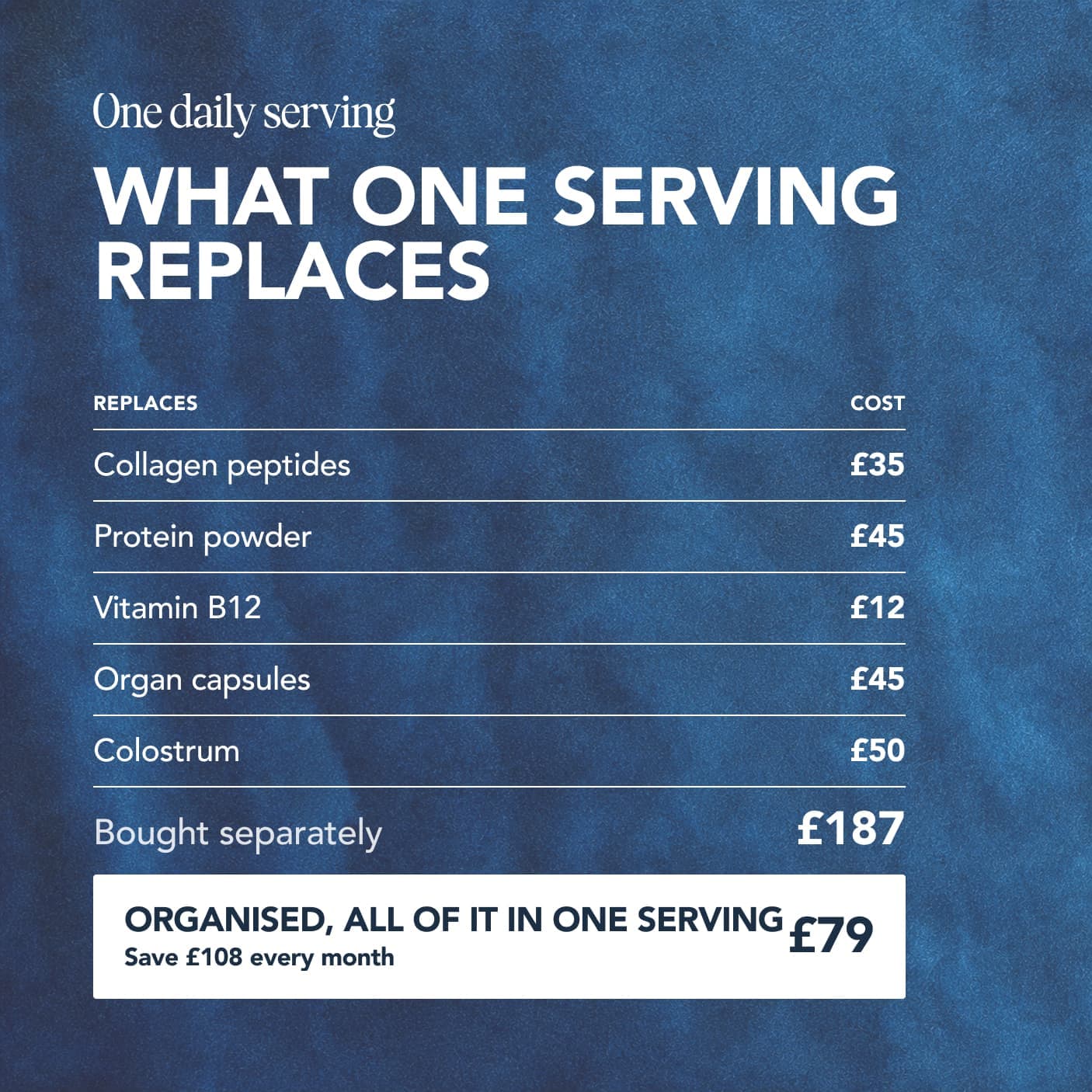
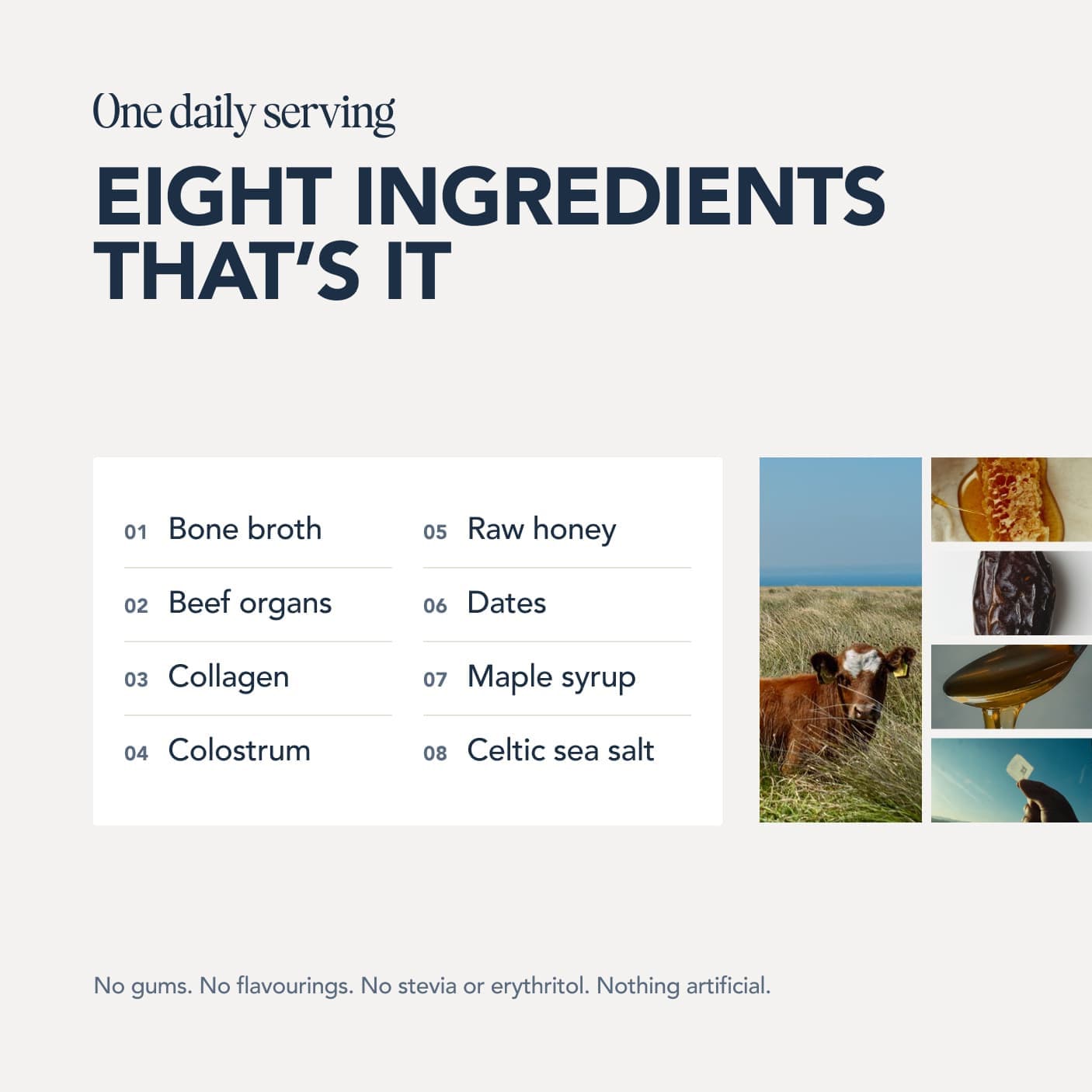
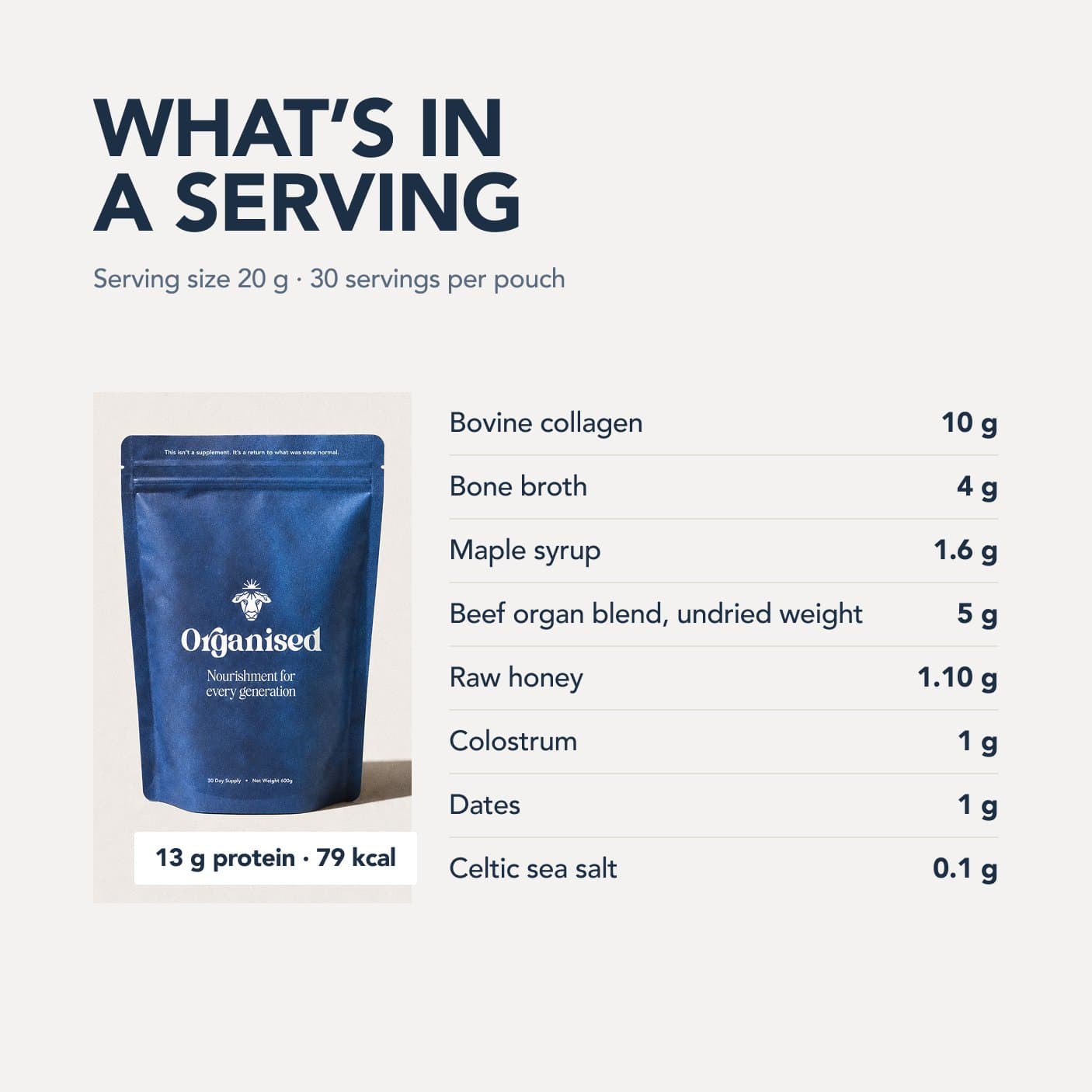
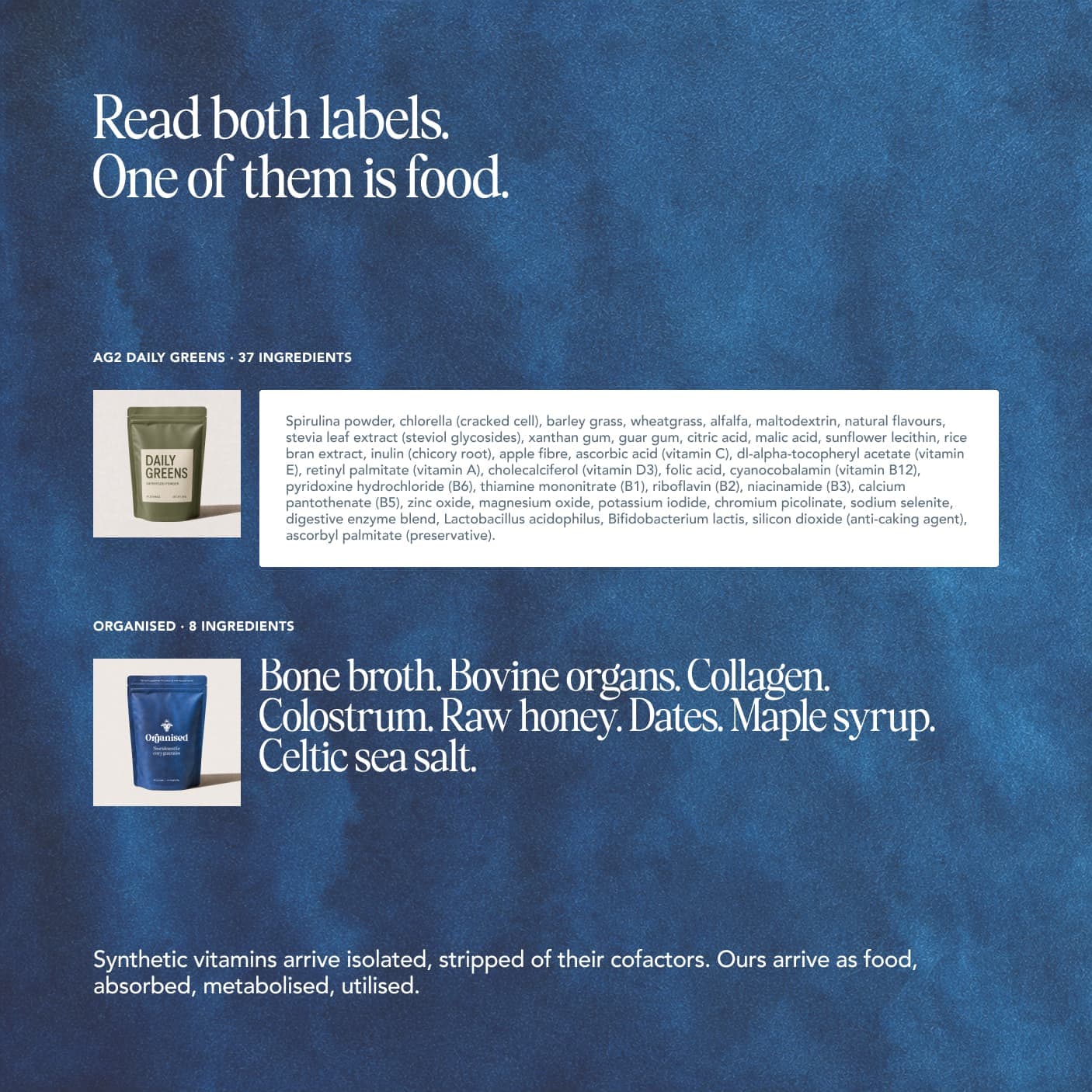
Eight real ingredients built around grass-fed beef organs, collagen and colostrum. Nothing synthetic added.
Free with your first order, worth £38. Plus £10 off the pouch with a subscription.
Free UK shipping · Made in England · 100 day money back guarantee on your first pouch · Skip, pause or cancel anytime
The practical takeaway
Doses used in published human trials are typically in the range of 500 mg to 20 g of bovine colostrum powder daily, with most adult studies using 10 to 20 g per day for several weeks.3,4 Effects on gut-permeability markers are usually visible within three to four weeks; symptom-level effects, where they occur, take longer.
Quality matters. Bovine colostrum collected within the first 24 to 48 hours of lactation is dramatically richer in IgG and bioactive growth factors than later-lactation product.1 Look for products that specify first-milking collection and disclose IgG content on the label.
Colostrum is not a quick fix. Where it works, the mechanism is restoration of barrier function and reduction of inflammatory load over weeks, not a same-day result. If your bloating is chronic, accompanied by other signs of gut compromise (post-meal fatigue, reactive food sensitivities, frequent reflux), an eight to twelve week trial of a quality colostrum product is reasonable. If you see no improvement in that window, the bloating is likely driven by something else and the intervention should change.
References
Every source below was checked on 27 August 2026. Each PubMed, PMC and DOI identifier was resolved against NCBI or Crossref, and what it opens is printed under the citation, so you can see the link goes where the citation says without leaving the page. Where a citation and its identifier disagreed, the citation was corrected to the record or the reference was deleted along with the sentence marker that pointed at it, and where the resolved paper turned out not to support the sentence, the sentence was cut back to what it does support. Borrowed authority is worse than none, because it looks like rigour.
- Stelwagen K, Carpenter E, Haigh B, Hodgkinson A, Wheeler TT. Immune components of bovine colostrum and milk. Journal of Animal Science. 2009;87(13 Suppl):3-9. https://pubmed.ncbi.nlm.nih.gov/18952725/Checked 27 August 2026: PMID 18952725 opens Stelwagen K, Carpenter E, Haigh B et al, Immune components of bovine colostrum and milk. J Anim Sci 2009;87(13 Suppl):3-9. PubMed indexes it as: Review.
- Playford RJ, Weiser MJ. Bovine colostrum: its constituents and uses. Nutrients. 2021;13(1):265. https://pmc.ncbi.nlm.nih.gov/articles/PMC7831509/Checked 27 August 2026: PMC7831509 opens Playford RJ, Weiser MJ, Bovine Colostrum: Its Constituents and Uses. Nutrients 2021;13(1). PubMed indexes it as: Review.The authors' own declaration, from the record: PanTheryx Inc supply BC to U.S., European, and Asia-Pacific markets. This does not affect our adherence to the Nutrients policies regarding sharing data and materials.
- Halasa M, Maciejewska D, Baskiewicz-Halasa M, Machalinski B, Safranow K, Stachowska E. Oral supplementation with bovine colostrum decreases intestinal permeability and stool concentrations of zonulin in athletes. Nutrients. 2017;9(4):370. https://pmc.ncbi.nlm.nih.gov/articles/PMC5409709/Checked 27 August 2026: PMC5409709 opens Hałasa M, Maciejewska D, Baśkiewicz-Hałasa M et al, Oral Supplementation with Bovine Colostrum Decreases Intestinal Permeability and Stool Concentrations of Zonulin in Athletes. Nutrients 2017;9(4). PubMed indexes it as: Randomized Controlled Trial.The authors' own declaration, from the record: The authors declare no conflict of interest. The founding sponsors had no role in the design of the study; in the collection, analyses, or interpretation of data; in the writing of the manuscript, and in the decision to publish the results.
- Reviews of bovine colostrum effects on intestinal barrier function are summarised on PubMed; the body of evidence consistently shows reduced gut-permeability markers in stressed populations. https://pubmed.ncbi.nlm.nih.gov/?term=bovine+colostrum+intestinal+permeability [accessed May 2026].
- Kell DB, Heyden EL, Pretorius E. The biology of lactoferrin, an iron-binding protein that can help defend against viruses and bacteria. Frontiers in Immunology. 2020;11:1221. https://pmc.ncbi.nlm.nih.gov/articles/PMC7271924/Checked 27 August 2026: PMC7271924 opens Kell DB, Heyden EL, Pretorius E, The Biology of Lactoferrin, an Iron-Binding Protein That Can Help Defend Against Viruses and Bacteria. Front Immunol 2020;11:1221.
Who wrote and reviewed this guide
Niall Kiddle
Author · Founder, Organised
Niall is the founder of Organised. He started the company in 2024 after fixing his own health the slow way: in 2022 he swapped a cupboard of synthetic supplements for real food, raw milk, organ meats, bone broth and honey, and felt the difference within months.
Areas of expertise: Ancestral nutrition, Organ meats, Whole-food supplementation, Gut health, Regenerative sourcing
Read Niall's full profile
Pedro Rodrigues
Reviewer · Agronomist (farming and sourcing only)
Pedro is the agronomist Organised works with on farming and sourcing. His job on the guides is to keep the science honest: he reviews what we publish about soil health, regenerative agriculture, grazing and the way food is actually produced.
Areas of expertise: Regenerative agriculture, Agronomy, Soil health, Grass-fed farming, Food sourcing
Reviewed this guide on
Read Pedro's full profileMore on clinical evidence
View allBrowse the guides library
All guidesKeep reading
Science
The Role of Zinc in Over 300 Enzymatic Reactions
Zinc is required for over 300 enzymatic reactions. From immunity to testosterone to wound healing, zinc deficiency silently undermines health.
Science
The Real Reason Your Doctor Says 'Eat Less Red Meat'
Your doctor says eat less red meat, but the science is muddier than the advice. Learn about confounders, processed meat and what the evidence really shows.
Science
Glutathione: Your Body's Master Antioxidant
How glutathione protects your cells, why synthesis depends on three amino acids, and why liver health is fundamental to ageing.
Real food, made effortless
See the blendA few ways to use it
All recipes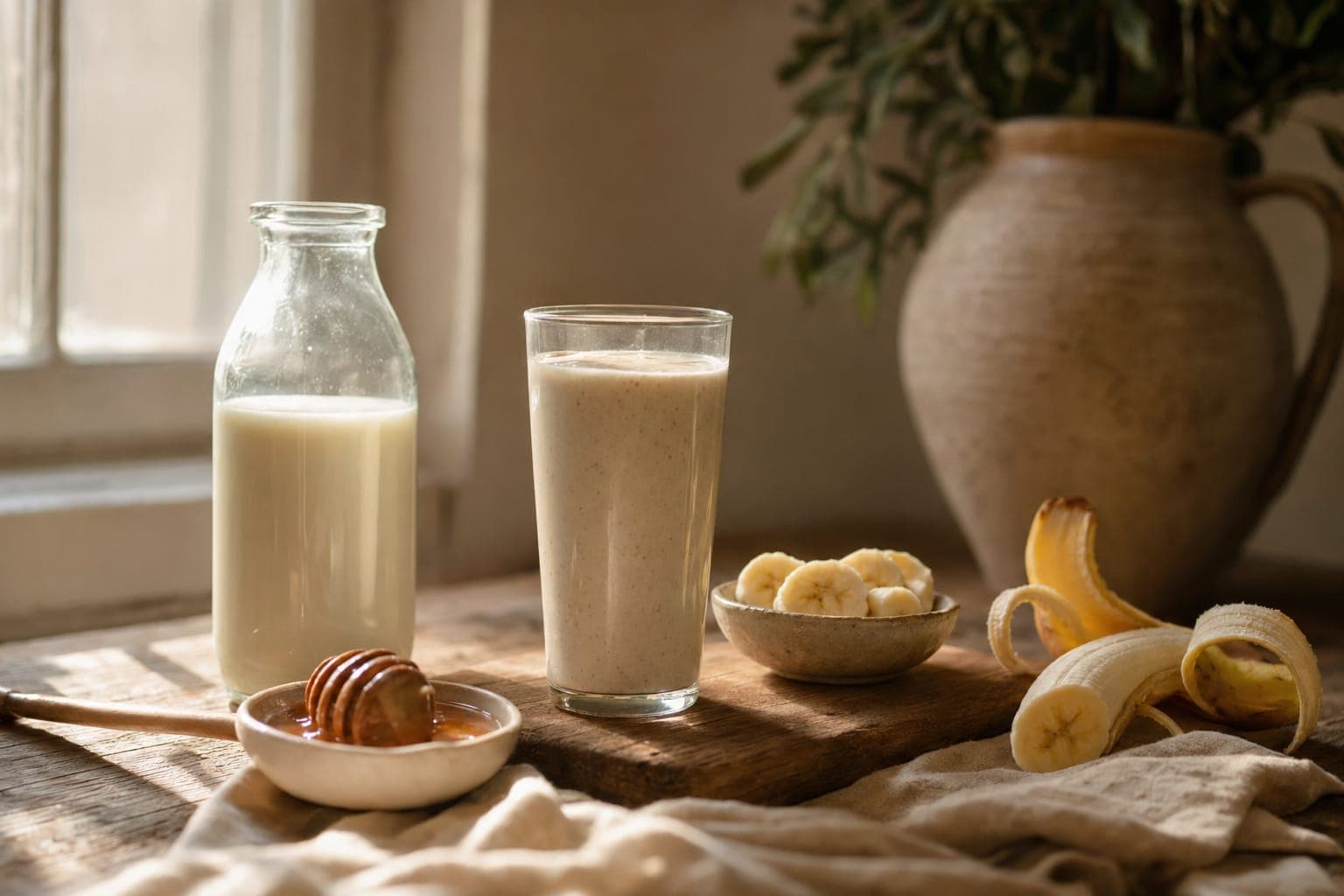
The Perfect Organised Morning Shake: Our Favourite Recipe
Our signature morning shake: Organised, raw milk, banana, honey. Simple, nourishing, and optimised for an empty stomach.

Organised Chia Pudding with Raw Honey and Berries
A no-cook chia seed pudding made with raw milk, collagen, berries, and raw honey. Prep it the night before and eat for breakfast.
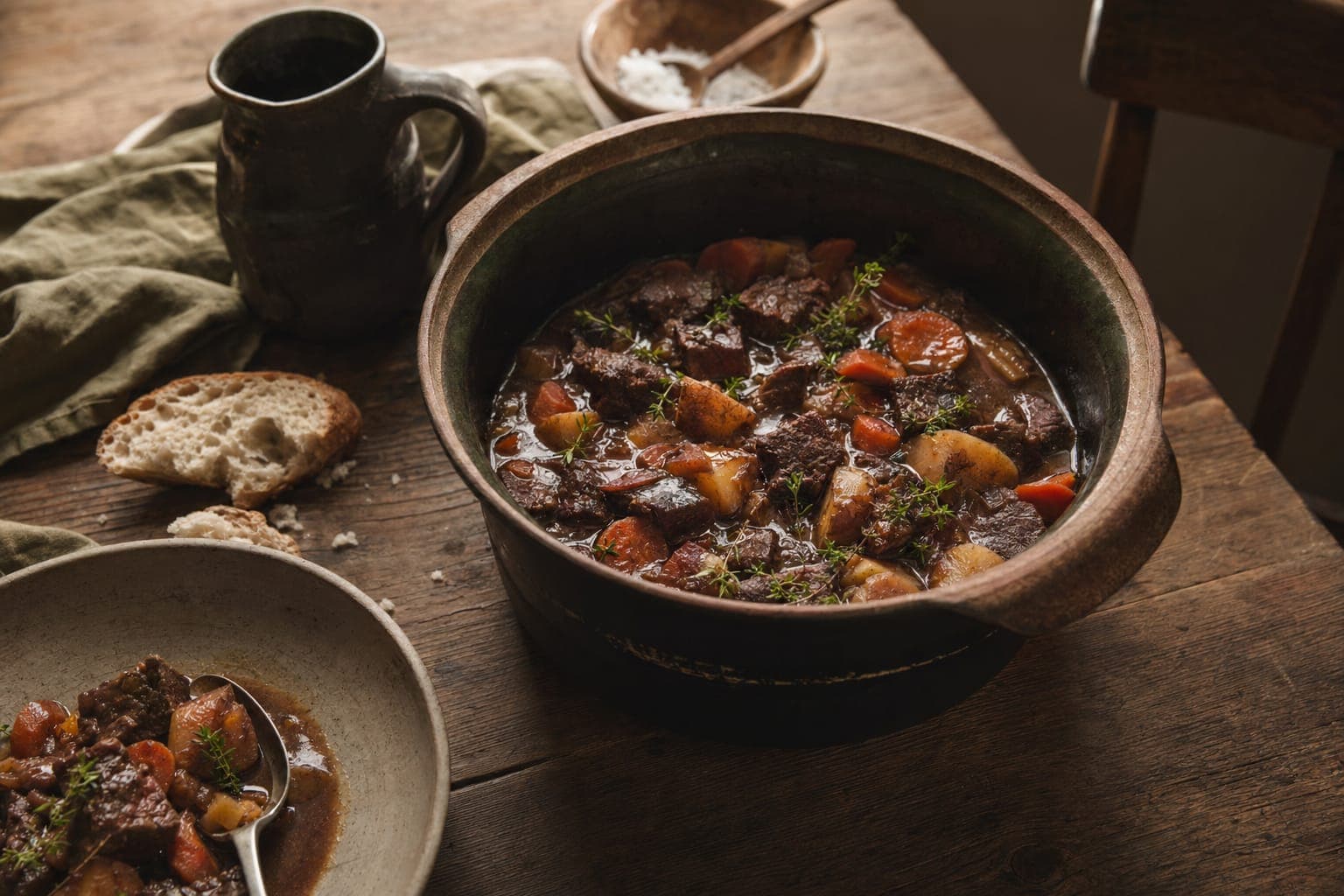
Collagen-Rich Beef Stew: Slow-Cooked Nourishment
Beef stew that delivers collagen from connective tissue and bone broth. Winter comfort food that actually nourishes. Simple slow cooker recipe.


 Join over 100,000+ members
Build a better food system with us
The Organised community is thousands of people choosing real food and backing the farmers who grow it, all of us trying to leave the world a little better than we found it. If that is what you care about too, you belong here.