Glutathione: Your Body's Master Antioxidant
Glutathione is arguably the most important molecule in your body that you've probably never heard of. It's a tripeptide, three amino acids bonded together, and it functions as the master antioxidant in nearly every cell. Without it, your cells accumulate damage. Your immune system fails. You age faster.
By Niall Kiddle, Founder, Organised

Reviewed by Pedro Rodrigues, Agronomist (farming and sourcing only) ·
6 min read · Published · Updated · 3 cited sources
Makers of the Organised Daily blend, a grass-fed beef organ supplement from regenerative UK farms
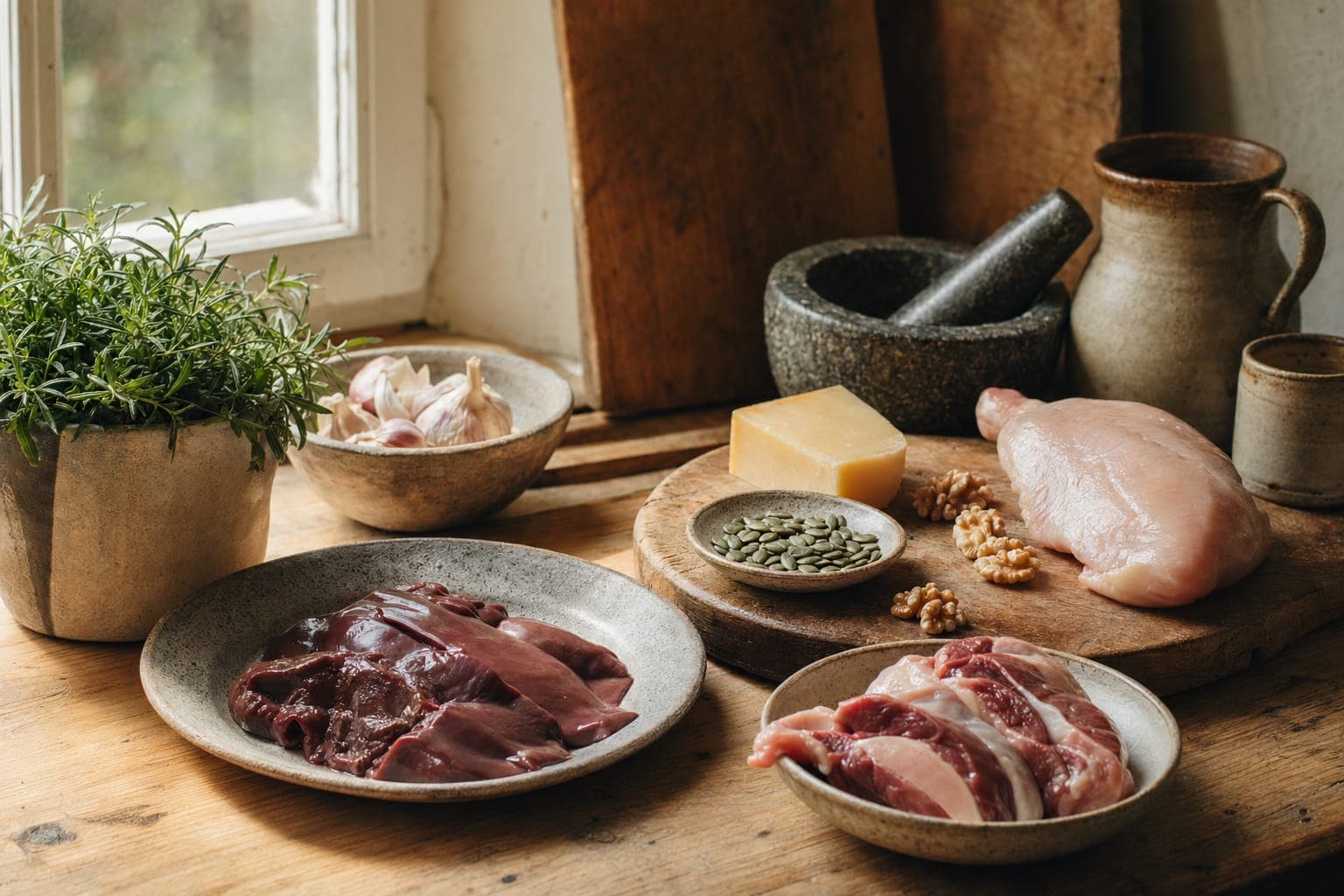
Most of your glutathione is made in your liver, and this is where understanding ancestral health becomes practical. Your liver's glutathione status is a direct reflection of what you're eating and how much oxidative stress you're under. It's measurable. It's modifiable. And it matters more than almost any other marker of biological age.
What glutathione is and where it's made
Glutathione is a tripeptide of glutamate, cysteine and glycine.1 It's synthesised in the liver and in cells throughout your body, but the liver is the primary manufacturing centre.
The molecule consists of a sulphur-containing bond, and it's this sulphur that makes glutathione remarkable. Sulphur is a powerful reducing agent, meaning it can donate electrons to neutralise free radicals and reactive oxygen species. When a free radical attacks a cell membrane or DNA, glutathione steps in and absorbs the damage.
What's crucial is that glutathione is recycled. When it's oxidised after neutralising a free radical, it can be regenerated by another set of enzymes. This recycling process means a modest amount of glutathione can handle an enormous oxidative load if the recycling system is functioning.
Your body makes glutathione constantly. The body actively synthesises and recycles glutathione daily; cysteine availability is typically rate-limiting.1 This isn't something you need to supplement from outside. It's something your body manufactures.
The three amino acids that make glutathione
If your body can make glutathione, why would it ever be deficient? The answer lies in the availability of the three amino acids that compose it.
Glutamate is the most abundant amino acid in your body and rarely limiting. Cysteine is the critical bottleneck. Cysteine is found in protein-rich foods, particularly in foods high in sulphur amino acids like eggs, garlic, cruciferous vegetables, and meat. But cysteine is delicate. It's oxidised by heat. It's lost in processing.
Glycine is the third component, and this is where most people fall short. Glycine comes primarily from collagen, bone broth, gelatinous cuts of meat like oxtail and knuckles, skin, and cartilage. These are the parts of the animal modern diets have largely abandoned.
A typical modern diet, centred on muscle meat and processed foods, provides decent cysteine but insufficient glycine. This creates a bottleneck in glutathione production. Your body has the signalling machinery but lacks the raw materials.
Glutathione deficiency isn't about the liver failing to do its job. It's about the ingredients never arriving.
How glutathione protects your cells
Free radicals are unstable molecules with unpaired electrons. They're produced by normal cellular respiration, but they're also increased by inflammation, stress, toxin exposure, and ultraviolet radiation. Free radicals damage proteins, lipids, and DNA. They're implicated in every age-related disease.
Glutathione neutralises free radicals by donating electrons, turning them into stable, harmless compounds. It does this in almost every cell, but particularly in cells under high oxidative stress like immune cells, liver cells, and red blood cells.
Beyond simple antioxidation, glutathione also works with other antioxidants. Vitamin E, for instance, becomes oxidised when it neutralises a free radical. Glutathione regenerates vitamin E, keeping it functional. This is why antioxidants work as a system, not in isolation.
The protection glutathione provides extends to DNA. When a free radical damages DNA, glutathione can facilitate repair. Chronic oxidative stress that overwhelms glutathione's capacity leads to DNA mutations and damaged proteins that accumulate in cells, accelerating ageing.
Glutathione and the detoxification system
Glutathione isn't just an antioxidant. It's essential for eliminating toxins and xenobiotics, compounds foreign to your body like pesticides, medications, and heavy metals.
In the liver's detoxification system, glutathione combines with toxins in Phase II detoxification. This process makes the toxin water-soluble so it can be excreted through urine or bile. Without sufficient glutathione, toxins remain in your body longer, circulate more widely, and cause more damage.
The consequence of chronic glutathione depletion is that your detoxification capacity diminishes. Pesticides accumulate. Heavy metals accumulate. The burden of toxins increases, which further increases oxidative stress, which further depletes glutathione. It becomes a downward spiral.
This is why people with high environmental toxin exposure, or who have taken medications, or who are exposed to occupational chemicals, often benefit profoundly from strategies to increase glutathione. The recovery of detoxification capacity is often rapid.
Get the science, plainly, free
Two short reads a week on what the research actually says about nutrition.
By signing up you agree to receive emails from us. No spam, unsubscribe anytime.
Why liver health determines glutathione availability
The liver is the glutathione manufacturing centre, but it's also the organ most exposed to toxins and oxidative stress. Every substance you consume, every toxin you're exposed to, passes through the liver.
A fatty liver, inflamed liver, or liver burdened with chronic metabolic stress produces less glutathione. The synthesis machinery is there, but the capacity is diminished. The liver is busy defending itself and has fewer resources for making more glutathione.
This creates a vicious cycle. A depleted liver can't detoxify effectively, so toxins accumulate, further stressing the liver, further depleting glutathione. Breaking this cycle requires both reducing the toxin load and increasing the substrate for glutathione synthesis.
The problem of glutathione depletion
Chronic diseases, ageing, and severe stress all correlate with depleted glutathione levels. Cancer patients, those with autoimmune disease, those with chronic infections, and those with neurodegenerative disease all show evidence of glutathione deficiency.
It's not always clear whether low glutathione causes the disease or the disease depletes glutathione. Likely it's bidirectional. The disease creates oxidative stress, consuming glutathione faster than it can be replaced. The depleted glutathione reduces the body's capacity to manage that stress.
Ageing itself is associated with declining glutathione synthesis. As you age, your ability to make glutathione decreases, particularly if you're not providing the raw materials. This is a major driver of the increased oxidative stress and mitochondrial dysfunction seen in ageing.

1 of 9
Daily blend
100,000+ thriving families4.9 on Trustpilot
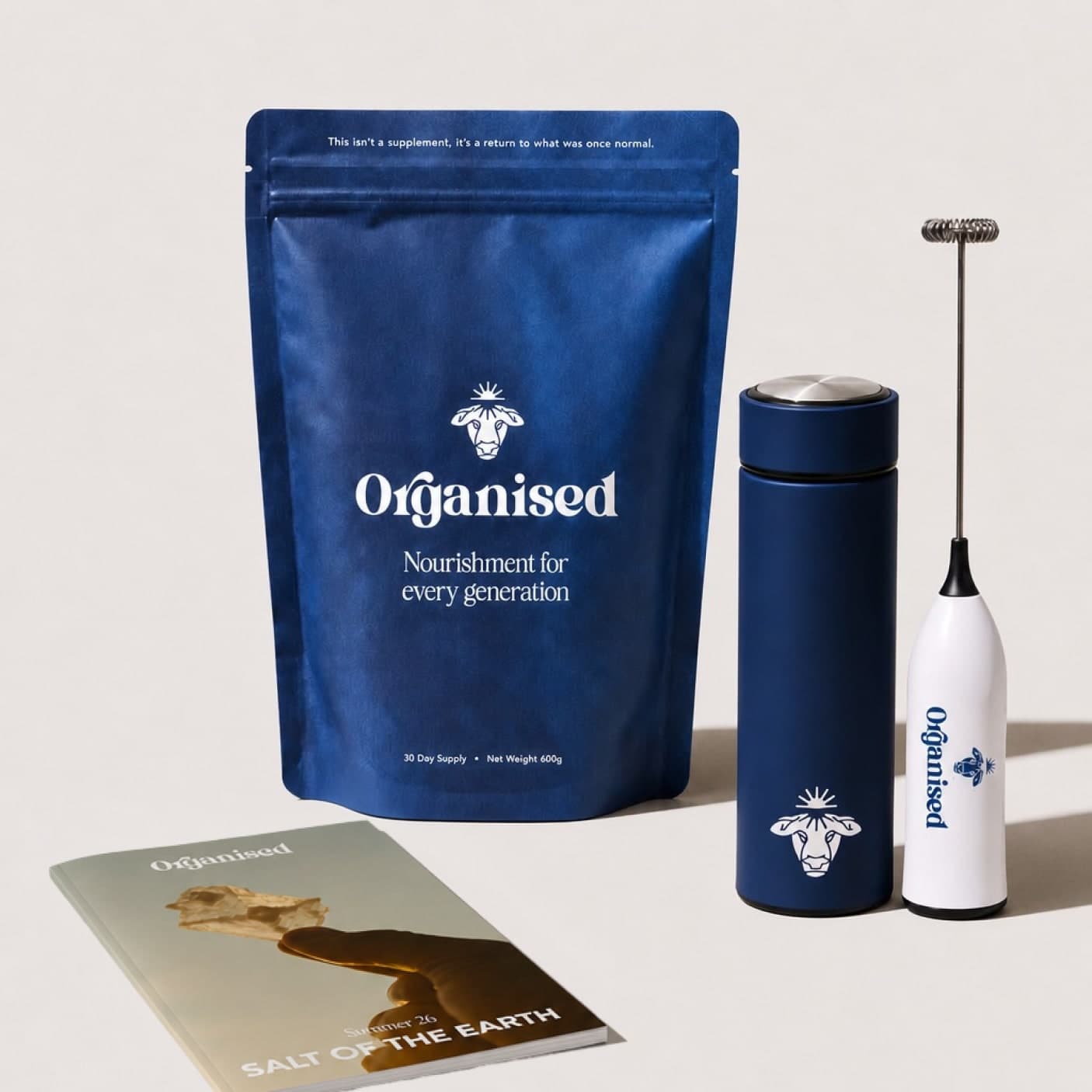
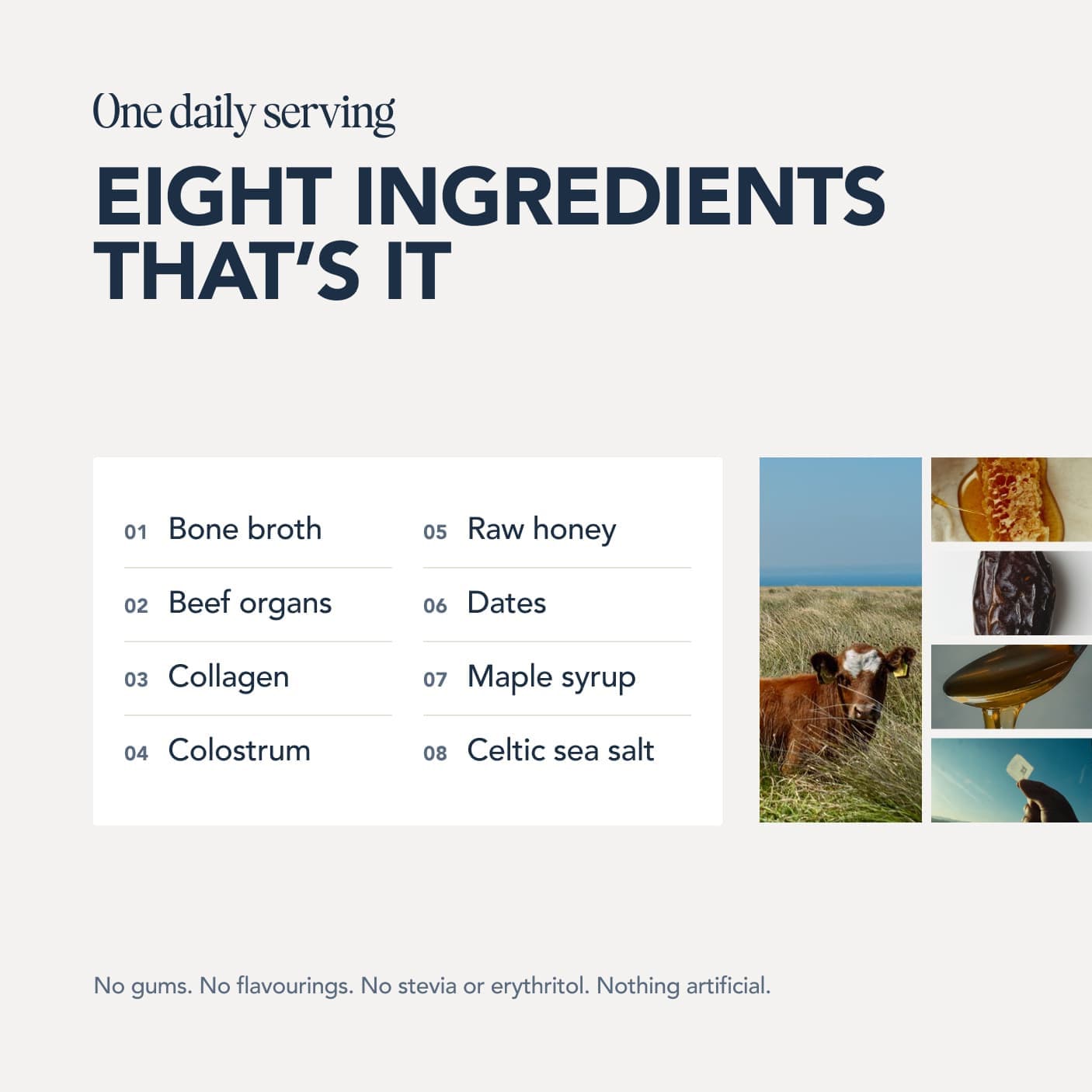
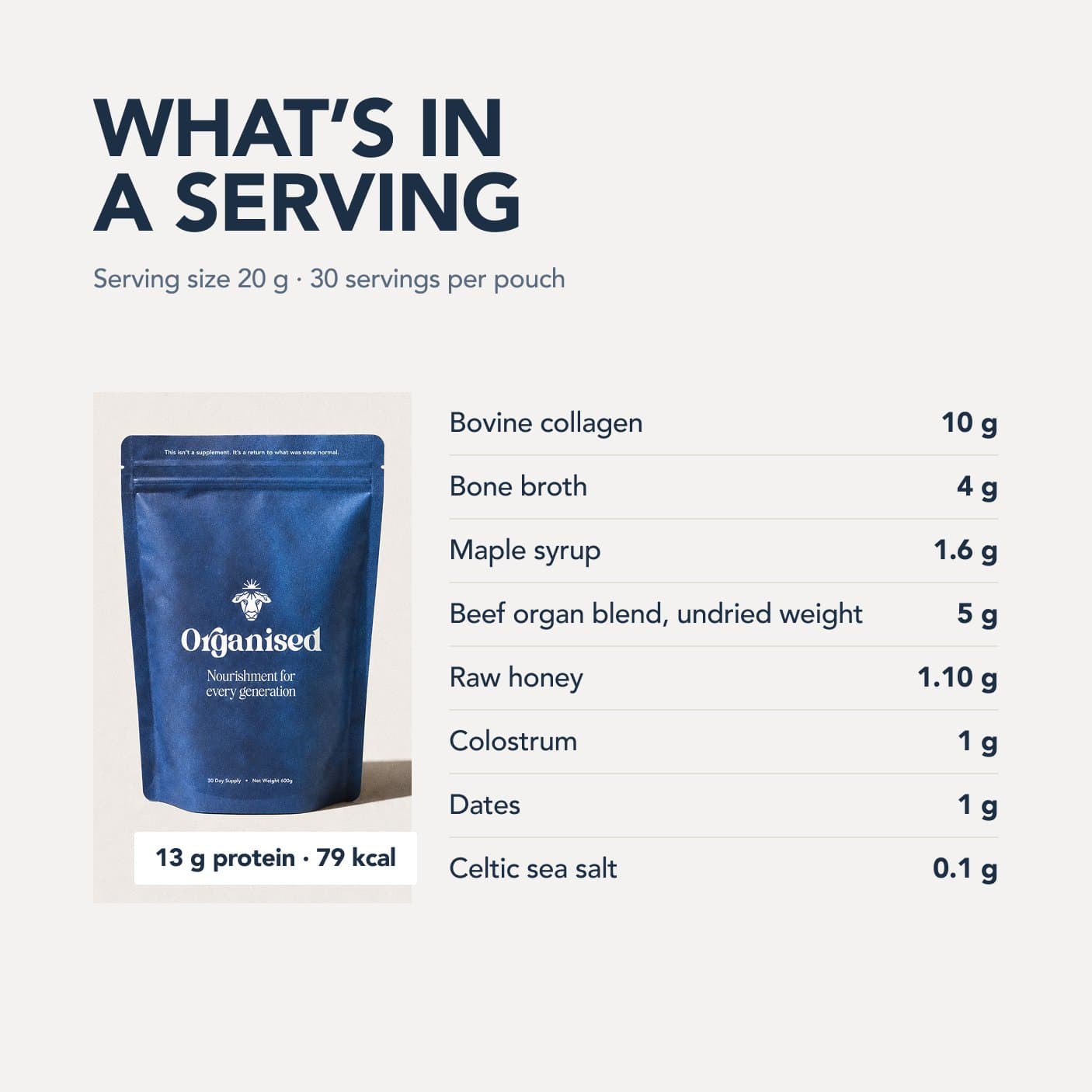
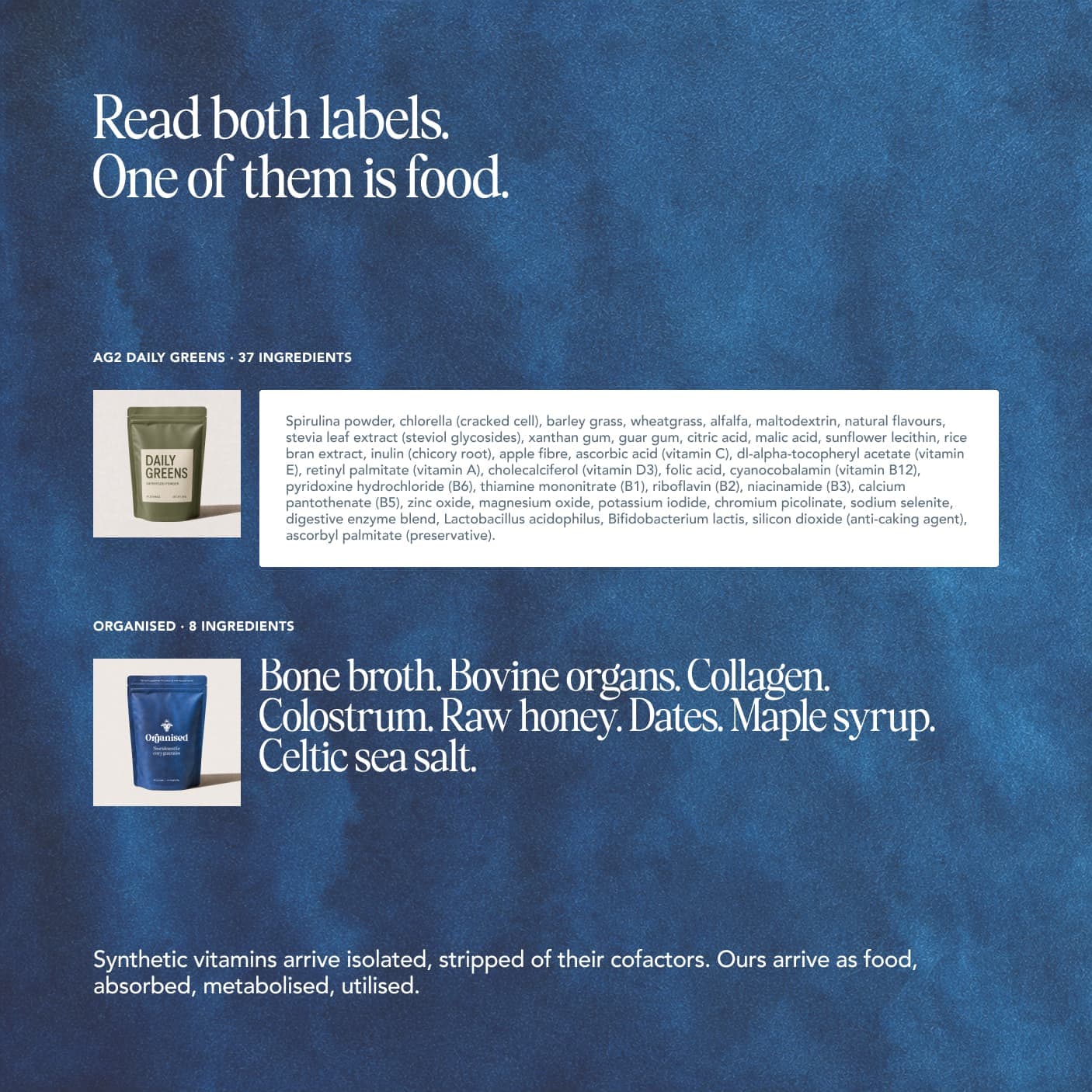
Eight real ingredients built around grass-fed beef organs, collagen and colostrum. Nothing synthetic added.
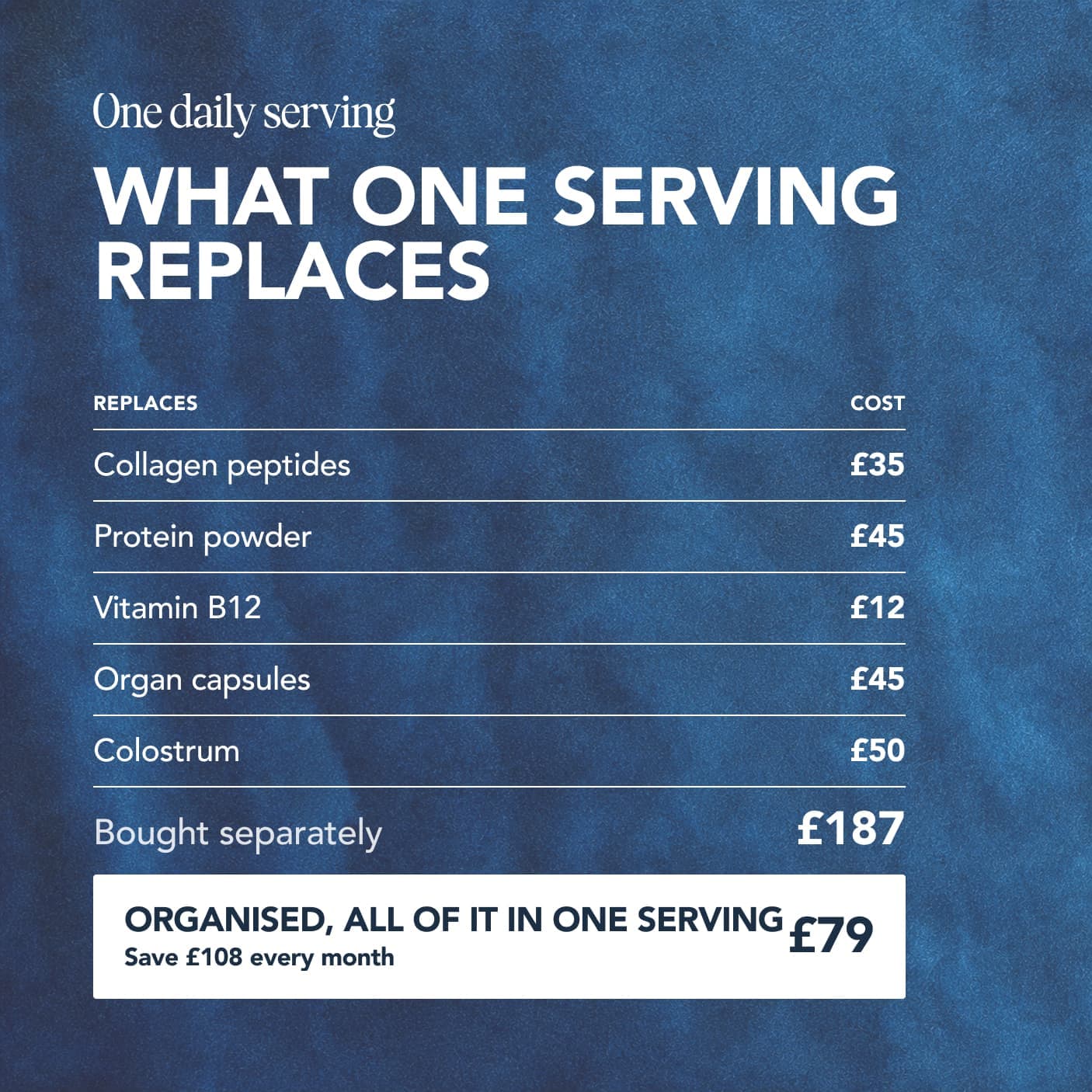
Free with your first order, worth £38. Plus £10 off the pouch with a subscription.
Free UK shipping · Made in England · 100 day money back guarantee on your first pouch · Skip, pause or cancel anytime
Supporting glutathione synthesis naturally
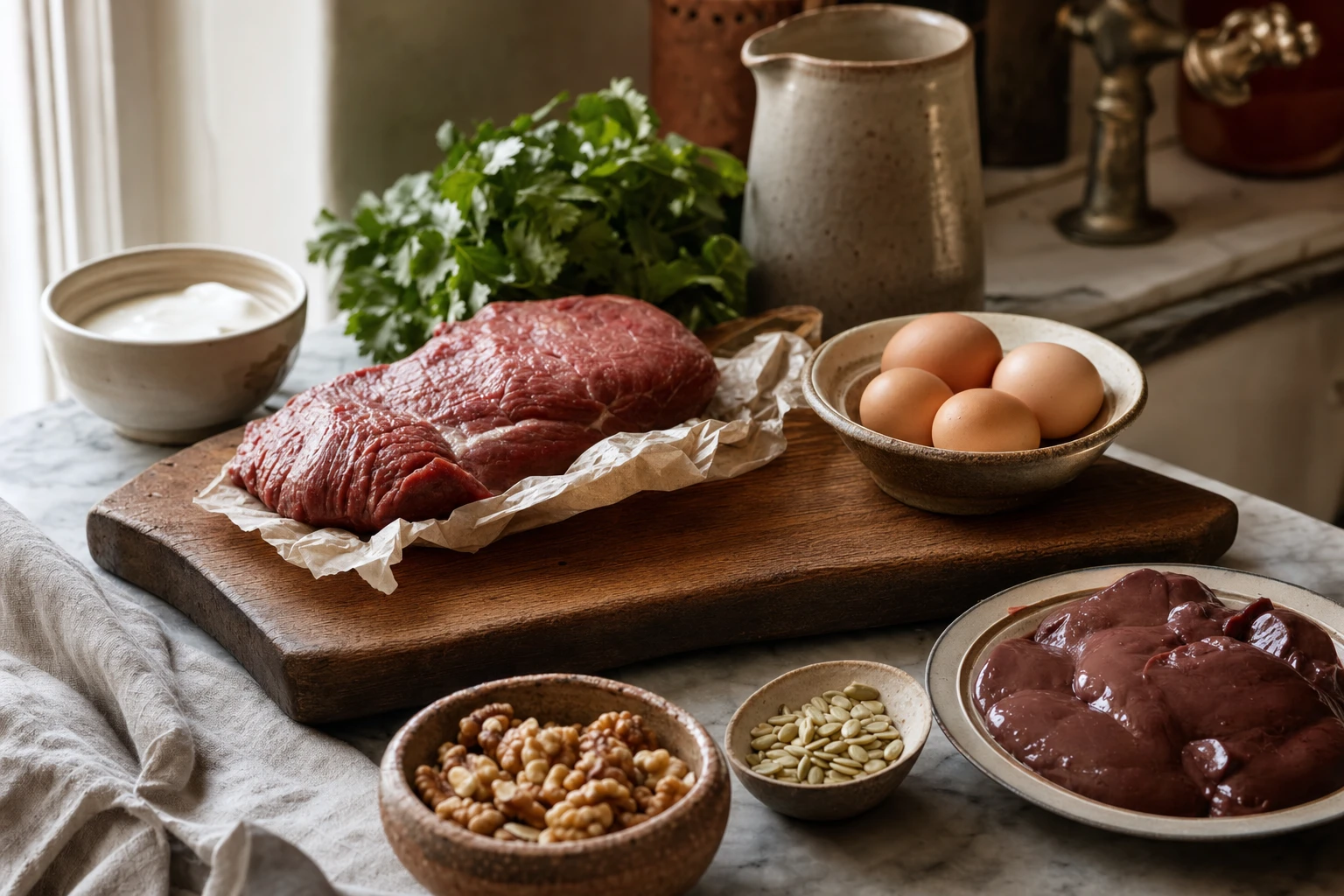
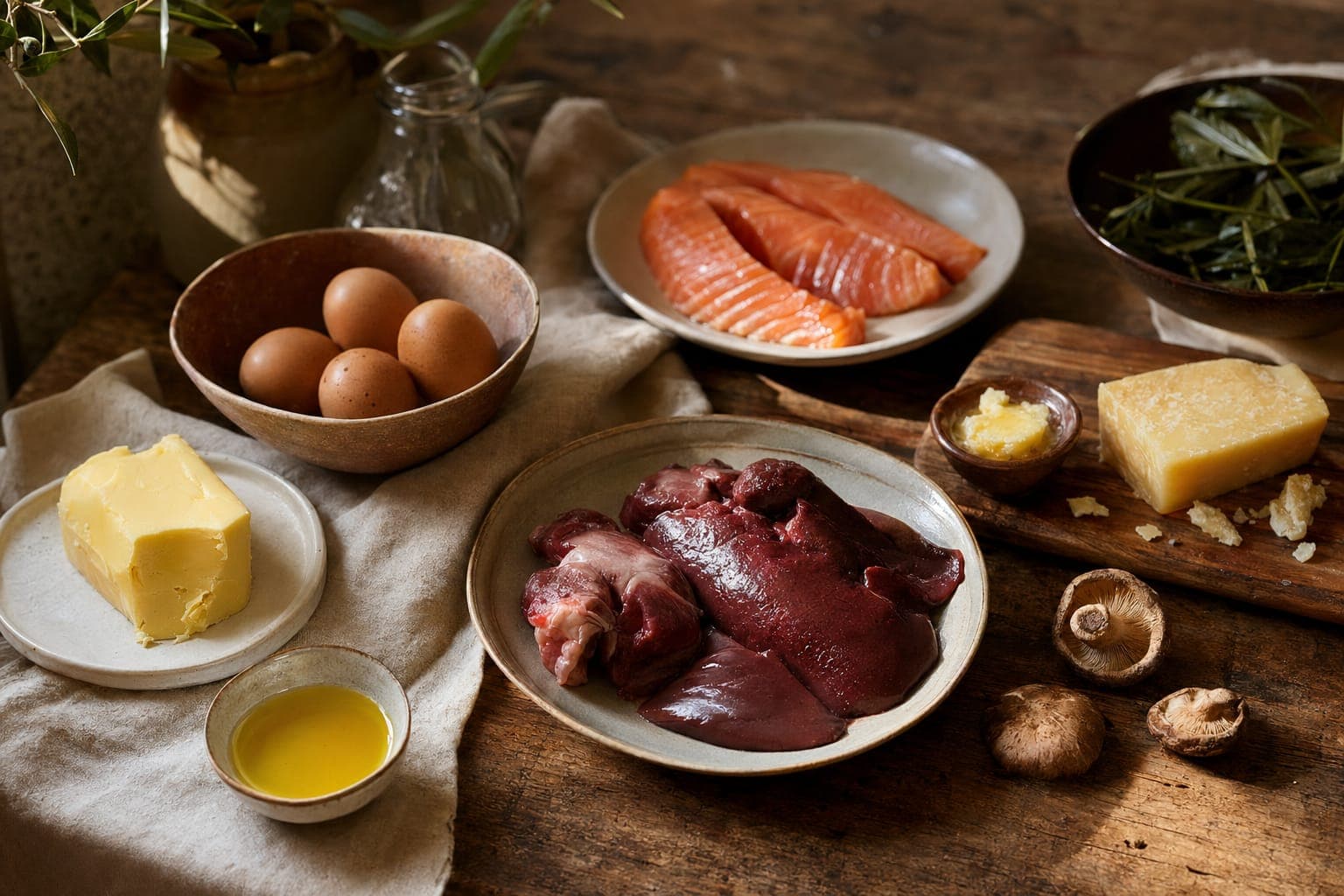
The most direct approach is to eat foods rich in the precursors. Bone broth and collagen provide glycine. Eggs, particularly the whole egg, provide cysteine and precursors. Beef liver provides virtually every nutrient, but importantly provides minerals and B vitamins that facilitate glutathione synthesis.
Sulforaphane, found in cruciferous vegetables, activates the Nrf2 pathway and upregulates glutathione synthesis enzymes.2 Garlic, onions, and other allium vegetables provide sulphur compounds that support synthesis.
Whey protein isolate contains high-quality cysteine and can increase glutathione, though whole food sources are preferable. N-acetylcysteine (NAC) is a cysteine donor that has been shown to support glutathione synthesis in clinical studies.3, though supplementation should be done under guidance.
Sleep, stress management, and reducing alcohol and pharmaceutical burden all preserve glutathione. A body under chronic stress depletes glutathione faster. A body in rest-and-digest mode conserves it.
The path to higher glutathione is ancestral. Bone broth. Liver. Sleep. Reduced toxin exposure. These aren't trendy interventions. They're the foundational inputs.
The bottom line
Glutathione is the antioxidant that governs your capacity to defend against damage, detoxify poisons, and slow ageing. Your body makes it from three amino acids, glycine, cysteine, and glutamate, and most of your production happens in the liver. If you're not eating collagen, bone broth, eggs, and liver, and if you're chronically stressed or exposed to high toxin loads, your glutathione is almost certainly depleted. Restoring it starts with food, continues with sleep and stress management, and is supported by reducing your exposure to toxins. It's not complicated. It's just different from what most people are eating.
References
Every source below was checked on 27 August 2026. Each PubMed, PMC and DOI identifier was resolved against NCBI or Crossref, and what it opens is printed under the citation, so you can see the link goes where the citation says without leaving the page. Where a citation and its identifier disagreed, the citation was corrected to the record or the reference was deleted along with the sentence marker that pointed at it, and where the resolved paper turned out not to support the sentence, the sentence was cut back to what it does support. Borrowed authority is worse than none, because it looks like rigour.
- Wu G, et al. Glutathione metabolism and its implications for health. J Nutr. 2004;134(3):489-92. PMID 14988435Checked 27 August 2026: PMID 14988435 opens Wu G, Fang YZ, Yang S et al, Glutathione metabolism and its implications for health. J Nutr 2004;134(3):489-92. PubMed indexes it as: Review.
- Houghton CA, Fassett RG, Coombes JS. Sulforaphane: translational research from laboratory bench to clinic. Nutr Rev. 2013;71(11):709-26. PMID 24147970Checked 27 August 2026: PMID 24147970 opens Houghton CA, Fassett RG, Coombes JS, Sulforaphane: translational research from laboratory bench to clinic. Nutr Rev 2013;71(11):709-26. PubMed indexes it as: Review.
- Atkuri KR, et al. N-Acetylcysteine - a safe antidote for cysteine/glutathione deficiency. Curr Opin Pharmacol. 2007;7(4):355-9. PMC4540061Checked 27 August 2026: PMC4540061 opens Atkuri KR, Mantovani JJ, Herzenberg LA et al, N-Acetylcysteine--a safe antidote for cysteine/glutathione deficiency. Curr Opin Pharmacol 2007;7(4):355-9. PubMed indexes it as: Review.
Who wrote and reviewed this guide
Niall Kiddle
Author · Founder, Organised
Niall is the founder of Organised. He started the company in 2024 after fixing his own health the slow way: in 2022 he swapped a cupboard of synthetic supplements for real food, raw milk, organ meats, bone broth and honey, and felt the difference within months.
Areas of expertise: Ancestral nutrition, Organ meats, Whole-food supplementation, Gut health, Regenerative sourcing
Read Niall's full profile
Pedro Rodrigues
Reviewer · Agronomist (farming and sourcing only)
Pedro is the agronomist Organised works with on farming and sourcing. His job on the guides is to keep the science honest: he reviews what we publish about soil health, regenerative agriculture, grazing and the way food is actually produced.
Areas of expertise: Regenerative agriculture, Agronomy, Soil health, Grass-fed farming, Food sourcing
Reviewed this guide on
Read Pedro's full profileMore on nutritional science
View all- 6 Mineral Deficiencies You Probably Have Without Realising
- Methylation: What It Is and Why It Matters
- The Difference Between Heme and Non-Heme Iron (And Why It Matters)
- The Micronutrient Gap: Why Even 'Healthy' Diets Fall Short
- The Role of Fat-Soluble Vitamins: A, D, E and K
- Understanding Your Blood Work: A Nutritional Perspective
- What Is Oxidative Stress and How Does Nutrition Help?
- Why Nutrient Density Should Replace Calorie Counting
Browse the guides library
All guidesKeep reading
Science
The Role of Fat-Soluble Vitamins: A, D, E and K
A clear guide to fat-soluble vitamins A, D, E and K2, how they work together, the best food sources and why organ meats are the richest source of them all.
Science
Retinol vs Beta-Carotene: Why Preformed Vitamin A Matters
Not all vitamin A is equal. Some people are poor converters of beta-carotene. Learn why preformed retinol from liver and eggs matters.
Science
Why Nutrient Density Should Replace Calorie Counting
Why calories aren't the whole story. How nutrient density changes your body composition and health without restricting calories.
Real food, made effortless
See the blendA few ways to use it
All recipes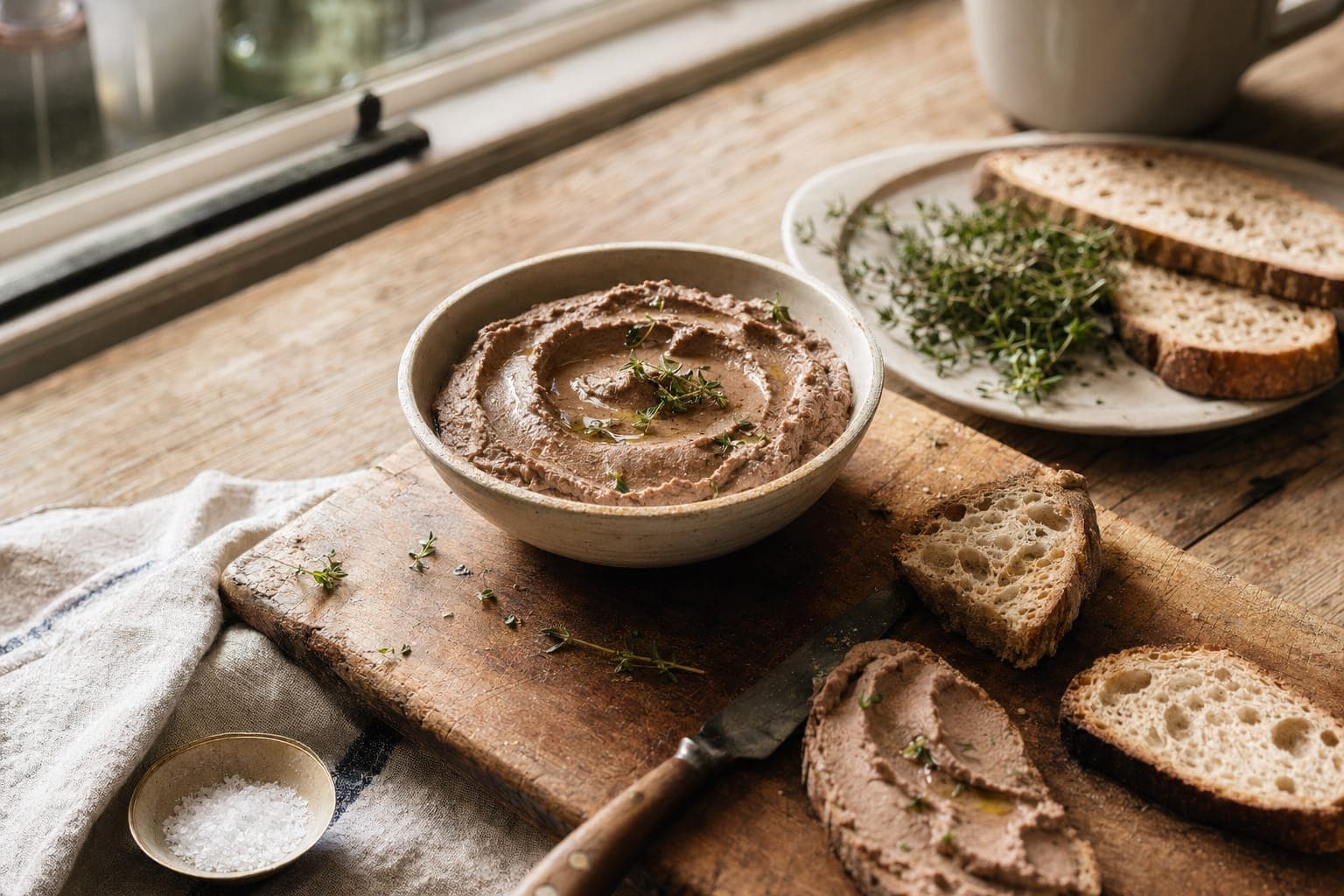
Liver Pate for Beginners: A Gentle Introduction to Organ Meats
Simple liver pate recipe to start eating organ meats. Chicken liver, butter, and herbs. Gentle introduction to nutrient-dense whole foods.
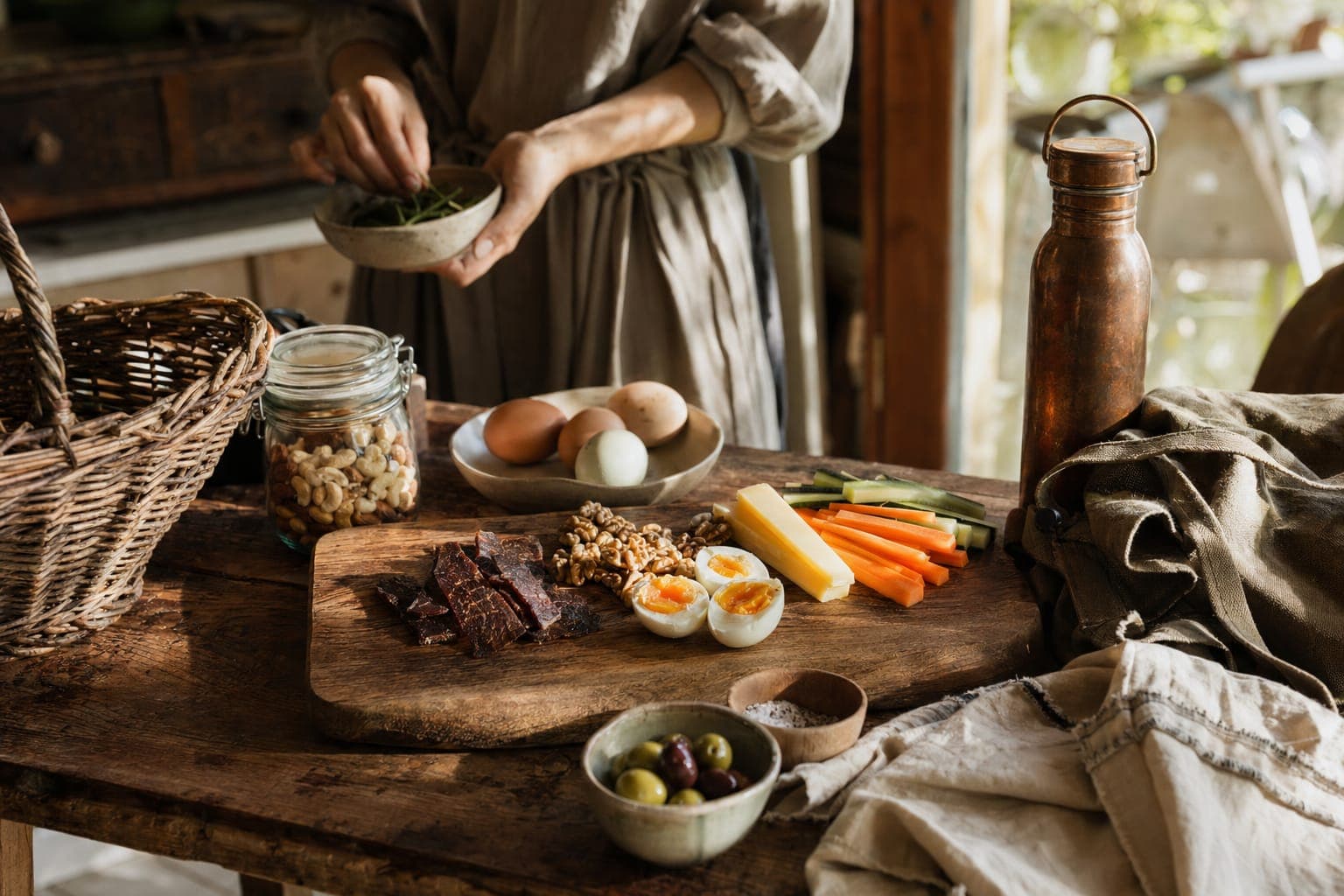
Whole Food Snacks for Busy Days
Practical whole food snacks that travel well and sustain energy. No refined carbs, no seed oils. Real food options for when you're busy.

5-Minute High-Protein Breakfasts Using Organised
Quick, high-protein breakfast ideas using Organised. Five recipes you can make in minutes with real food. No fussing around.


 Join over 100,000+ members
Build a better food system with us
The Organised community is thousands of people choosing real food and backing the farmers who grow it, all of us trying to leave the world a little better than we found it. If that is what you care about too, you belong here.