Colostrum Research: What's New and What's Coming
Colostrum has been used for centuries in traditional medicine. But the scientific understanding of it is still relatively young. Over the past five years, researchers have started mapping out what's actually happening when you consume bovine colostrum, and the findings are opening new questions. Here's what we know now, and what research teams are investigating next.
By Niall Kiddle, Founder, Organised

Reviewed by Pedro Rodrigues, Agronomist (farming and sourcing only) ·
6 min read · Published · Updated · 3 cited sources
Makers of the Organised Daily blend, a grass-fed beef organ supplement from regenerative UK farms

What colostrum actually contains
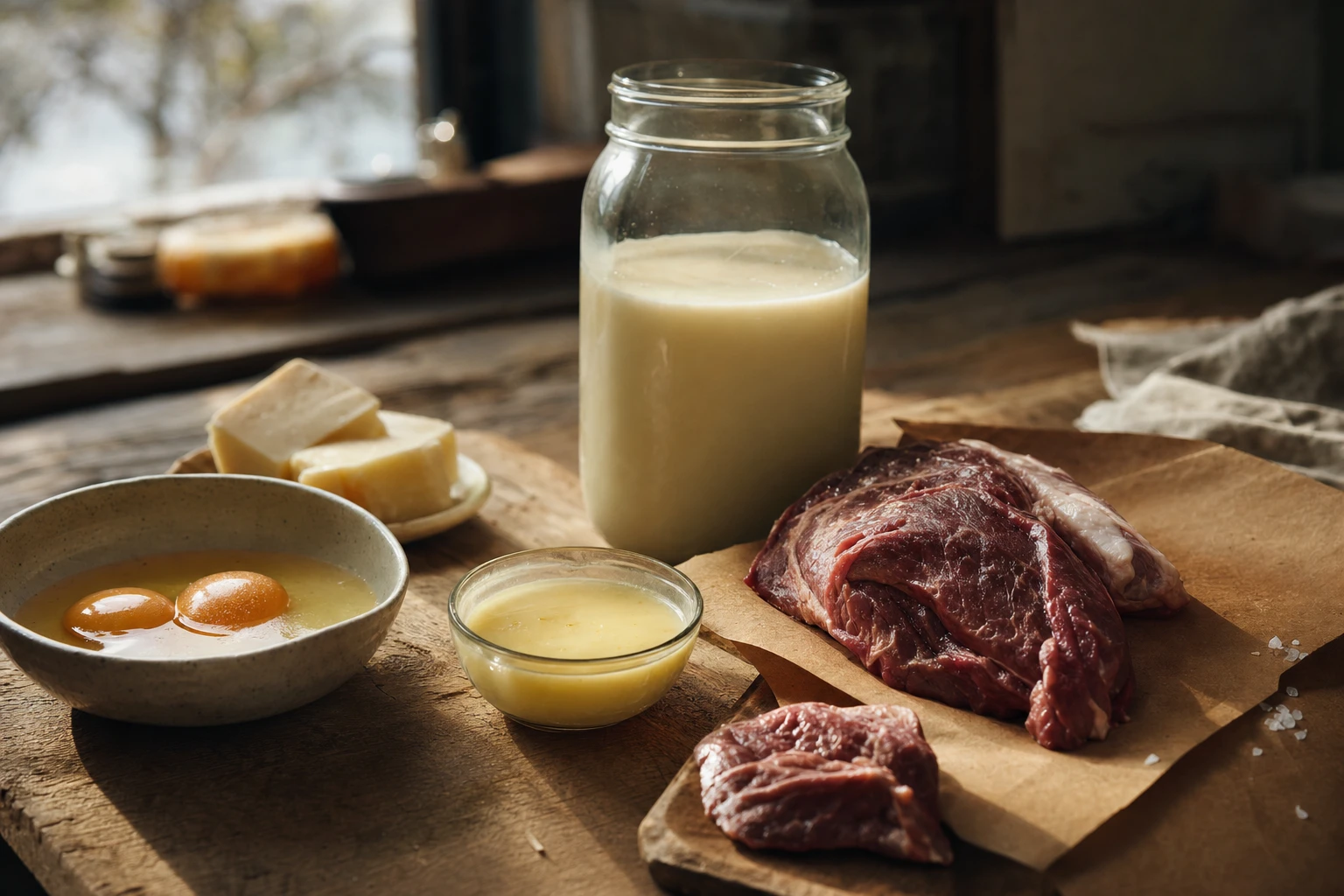
Bovine colostrum is the first milk produced by a cow after giving birth. It's not a supplement category. It's a whole food, albeit a concentrated one.
Bovine colostrum contains immunoglobulins (with IgG accounting for roughly 85–95% of total Ig in cattle colostrum), lactoferrin, growth factors, oligosaccharides and proline-rich polypeptides; together these contribute to its immunomodulatory and gut-supporting effects.12
It also contains growth factors like insulin-like growth factor 1 (IGF-1) and transforming growth factor beta (TGF-beta), which play roles in tissue repair and immune tolerance. This constellation of compounds is why colostrum is interesting to researchers. It's not one magic molecule. It's a coordinated package of molecules with overlapping immune and gut functions.
Recent colostrum research findings
The past few years have seen a shift in colostrum research from "does it work?" to "how does it work?" and "for whom does it work best?" Several studies have confirmed what traditional practitioners suspected: bovine colostrum does modulate immune function in measurable ways.
Research suggests that bovine colostrum supplementation in athletes can reduce the incidence of upper respiratory tract symptoms during heavy training, with one 2016 systematic review and meta-analysis reporting a rate ratio of 0.56 versus placebo.3
One consistent finding is that colostrum appears particularly helpful for people under physical or physiological stress. Athletes in heavy training blocks, people recovering from illness, and individuals with compromised gut barriers seem to benefit most. The effect is modest but real and replicable across studies. This specificity is important. Colostrum isn't a general health tonic. It's stress-responsive support.
Another important finding is timing. Colostrum seems most effective when consumed regularly over weeks, not as a one-off dose. The immune and gut-modifying effects build gradually, similar to how probiotics work. This matters because it means colostrum is nutritional support, not pharmaceutical intervention.
Recent research confirms colostrum has immunological activity. It's not a pharmaceutical intervention. It's nutritional support that modestly enhances your own immune and gut function over time, particularly when you're under stress.

Current active trials and studies
Several research groups are currently running trials on colostrum and specific health outcomes. One major area of investigation is colostrum's effect on exercise-induced intestinal permeability. Intense exercise can temporarily increase gut permeability, allowing bacterial metabolites and lipopolysaccharides (LPS) to leak into the bloodstream and trigger systemic inflammation. This is called "leaky gut" in the context of athletic stress. Early-stage trials are testing whether colostrum can prevent or reduce this effect in endurance athletes. If successful, this could explain why athletes report faster recovery, better immune function during heavy training blocks, and reduced gastrointestinal distress during competition.
Another active area is colostrum and mucosal immunity in young children. Some researchers are testing whether bovine colostrum supplementation can reduce the incidence and severity of respiratory infections in daycare-aged children. This is particularly relevant now, when parents are keen on natural immunity-supporting strategies. The mechanism would be through increased IgA production on mucosal surfaces (respiratory and gastrointestinal), providing the first line of immune defence. Preliminary results are encouraging but more data is needed.
There's also emerging interest in colostrum and food tolerance development. Some immunologists are investigating whether colostrum's effect on gut barrier function might reduce allergic responses to foods or environmental triggers. The mechanism would be through improved intestinal tight junction integrity, which prevents undigested protein fragments from triggering inappropriate immune responses. This is earlier-stage work, but the mechanistic rationale is solid and the traditional use for this purpose is well-established. Understanding this might eventually inform approaches to preventing allergic disease in genetically predisposed children.
Lastly, several research groups are examining colostrum's role in recovery from gastrointestinal illness. Whether people can recover faster from food poisoning or viral gastroenteritis by supplementing with colostrum is a practically important question that researchers are starting to address systematically. Early work suggests faster restoration of epithelial barrier function and reduced duration of symptoms. This has obvious implications for quality of life and return to normal function.
Get the science, plainly, free
Two short reads a week on what the research actually says about nutrition.
By signing up you agree to receive emails from us. No spam, unsubscribe anytime.
Emerging areas of investigation
Looking forward, researchers are exploring several promising directions. One is the interaction between colostrum and the microbiome. Colostrum contains oligosaccharides (human milk oligosaccharides' bovine equivalent) that selectively feed beneficial bacteria like Bifidobacterium and Faecalibacterium prausnitzii. These bacteria produce short-chain fatty acids, particularly butyrate, which nourish intestinal epithelial cells. Future studies will likely examine whether colostrum can durably shift microbiome composition in people with dysbiosis or compromised microbial diversity.
Another frontier is colostrum and oral tolerance development in infants. Traditional cultures fed colostrum to newborns before breast milk became established. Some researchers believe understanding this practice might inform modern approaches to early infant immunity and food tolerance development, particularly in children with allergic predispositions.
There's also emerging interest in colostrum and systemic inflammation markers. If colostrum can reduce intestinal permeability and restore gut barrier function, can it reduce circulating markers of inflammation like lipopolysaccharide-binding protein or high-sensitivity C-reactive protein? This remains largely unexplored in rigorous trials. Understanding this link could have implications far beyond sports recovery, potentially affecting metabolic disease, autoimmune conditions, and cognitive health.
Additionally, research teams are beginning to characterise exactly which colostrum components drive the observed effects. Is it the IgA? The lactoferrin? The proline-rich polypeptides? The oligosaccharides? A synergistic combination? Understanding this might eventually allow researchers to concentrate or isolate the most effective molecules, making interventions more efficient and cost-effective. It could also help identify which populations benefit most from colostrum supplementation.
The next generation of colostrum research will likely focus on specific populations (athletes, young children, people with dysbiosis) and specific mechanisms. Expect more targeted trials and deeper mechanistic studies over the coming years.
Why colostrum research matters
The broader significance of colostrum research extends beyond colostrum itself. It's part of a larger shift in immunology and nutrition research toward understanding how whole foods and food components can modestly enhance human immune function without pharmaceutical intervention.
Colostrum is particularly interesting because it's a complete nutritional product, evolved over millions of years to support immune development and gut health in mammalian offspring. When you study it rigorously, you're not trying to engineer a new effect. You're understanding an effect that already evolved to work. This is a fundamentally different approach from pharmaceutical research.
For people interested in natural support for immune function, particularly during high-stress periods or after illness, colostrum has growing evidence. It's not a replacement for sleep, stress management, or nutrition. But as part of a comprehensive approach, it's increasingly defensible based on the research trajectory.

1 of 9
Daily blend
100,000+ thriving families4.9 on Trustpilot
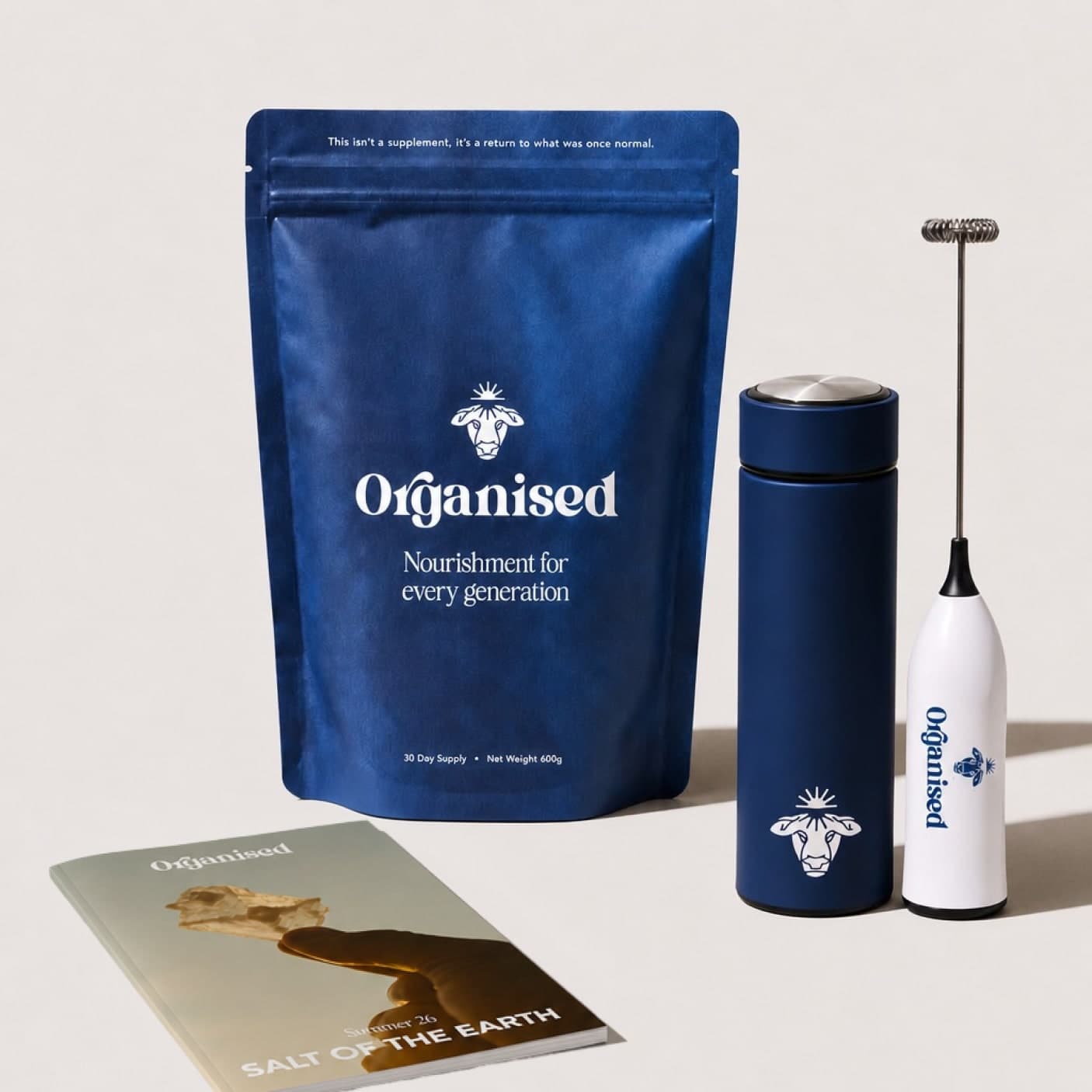
Eight real ingredients built around grass-fed beef organs, collagen and colostrum. Nothing synthetic added.
Free with your first order, worth £38. Plus £10 off the pouch with a subscription.
Free UK shipping · Made in England · 100 day money back guarantee on your first pouch · Skip, pause or cancel anytime
The bottom line
Colostrum has moved from folk remedy to emerging evidence-backed nutritional support over the past decade. Recent research confirms it has real immunological effects, particularly for people under stress. Current trials are testing its effects on exercise-related gut permeability, infection rates in children, and recovery from gastrointestinal illness.
The future of colostrum research will likely involve more specific populations, more mechanistic understanding, and possibly more targeted extraction of key compounds. For now, if you're an athlete in heavy training, recovering from illness, or managing compromised gut health, colostrum is worth considering. Expect gradual benefits over weeks, not dramatic improvements overnight.
The science is still developing. But the trajectory is promising, and it's grounded in real biological mechanisms, not wishful thinking.
References
Every source below was checked on 27 August 2026. Each PubMed, PMC and DOI identifier was resolved against NCBI or Crossref, and what it opens is printed under the citation, so you can see the link goes where the citation says without leaving the page. Where a citation and its identifier disagreed, the citation was corrected to the record or the reference was deleted along with the sentence marker that pointed at it, and where the resolved paper turned out not to support the sentence, the sentence was cut back to what it does support. Borrowed authority is worse than none, because it looks like rigour.
- Ahmann J, Steinhoff-Wagner J, Büscher W. Determining Immunoglobulin Content of Bovine Colostrum and Factors Affecting the Outcome: A Review. Animals. 2021. https://pmc.ncbi.nlm.nih.gov/articles/PMC8697873/Checked 27 August 2026: PMC8697873 opens Ahmann J, Steinhoff-Wagner J, Büscher W, Determining Immunoglobulin Content of Bovine Colostrum and Factors Affecting the Outcome: A Review. Animals (Basel) 2021;11(12). PubMed indexes it as: Review.The authors' own declaration, from the record: The authors declare no conflict of interest. The funders had no role in the design of the study; in the collection, analyses, or interpretation of data; in the writing of the manuscript, or in the decision to publish the results.
- Kell DB, Heyden EL, Pretorius E. The Biology of Lactoferrin, an Iron-Binding Protein That Can Help Defend Against Viruses and Bacteria. Frontiers in Immunology. 2020. https://pmc.ncbi.nlm.nih.gov/articles/PMC7271924/Checked 27 August 2026: PMC7271924 opens Kell DB, Heyden EL, Pretorius E, The Biology of Lactoferrin, an Iron-Binding Protein That Can Help Defend Against Viruses and Bacteria. Front Immunol 2020;11:1221.
- Jones AW, March DS, Curtis F, Bridle C. Bovine colostrum supplementation and upper respiratory symptoms during exercise training: a systematic review and meta-analysis of randomised controlled trials. BMC Sports Sci Med Rehabil. 2016. https://pmc.ncbi.nlm.nih.gov/articles/PMC4960812/Checked 27 August 2026: PMC4960812 opens Jones AW, March DS, Curtis F et al, Bovine colostrum supplementation and upper respiratory symptoms during exercise training: a systematic review and meta-analysis of randomised controlled trials. BMC Sports Sci Med Rehabil 2016;8:21.
Corrections
What this page used to say, and why it no longer says it. Corrections are dated and are never removed, because deleting the record of an error is a second error. Every guide we have corrected is listed at our corrections log.
- 27 August 2026. Reference 1 was credited to “Arslan A, et al.” The record is by Ahmann, Steinhoff-Wagner and Büscher. Corrected.
Who wrote and reviewed this guide
Niall Kiddle
Author · Founder, Organised
Niall is the founder of Organised. He started the company in 2024 after fixing his own health the slow way: in 2022 he swapped a cupboard of synthetic supplements for real food, raw milk, organ meats, bone broth and honey, and felt the difference within months.
Areas of expertise: Ancestral nutrition, Organ meats, Whole-food supplementation, Gut health, Regenerative sourcing
Read Niall's full profile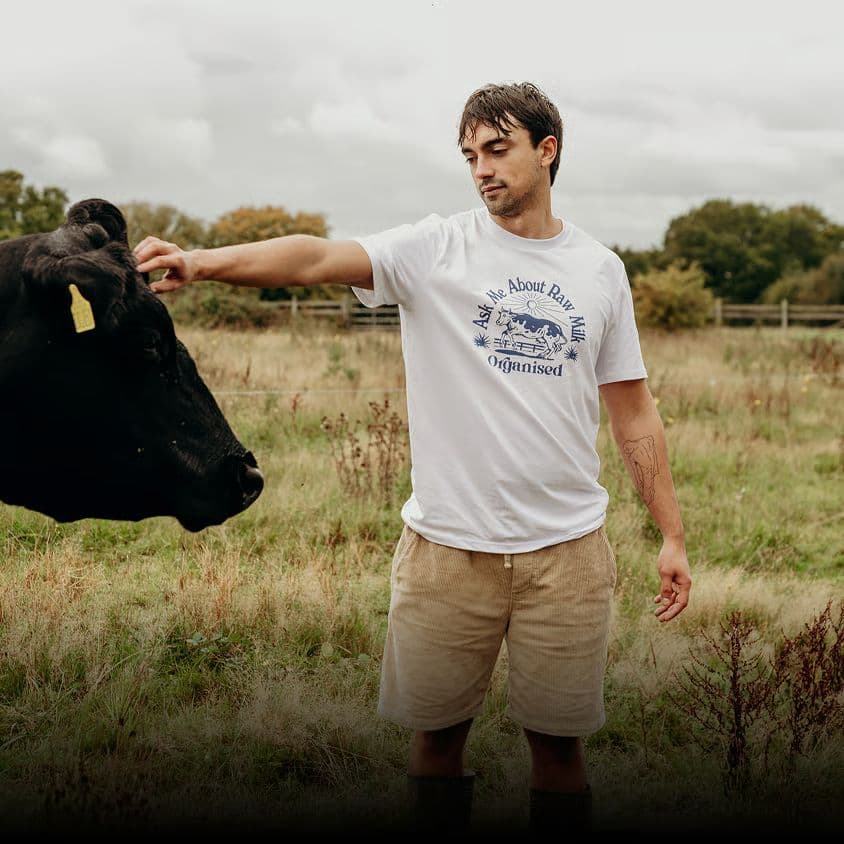
Pedro Rodrigues
Reviewer · Agronomist (farming and sourcing only)
Pedro is the agronomist Organised works with on farming and sourcing. His job on the guides is to keep the science honest: he reviews what we publish about soil health, regenerative agriculture, grazing and the way food is actually produced.
Areas of expertise: Regenerative agriculture, Agronomy, Soil health, Grass-fed farming, Food sourcing
Reviewed this guide on
Read Pedro's full profileMore on emerging research
View allBrowse the guides library
All guidesKeep reading
Science
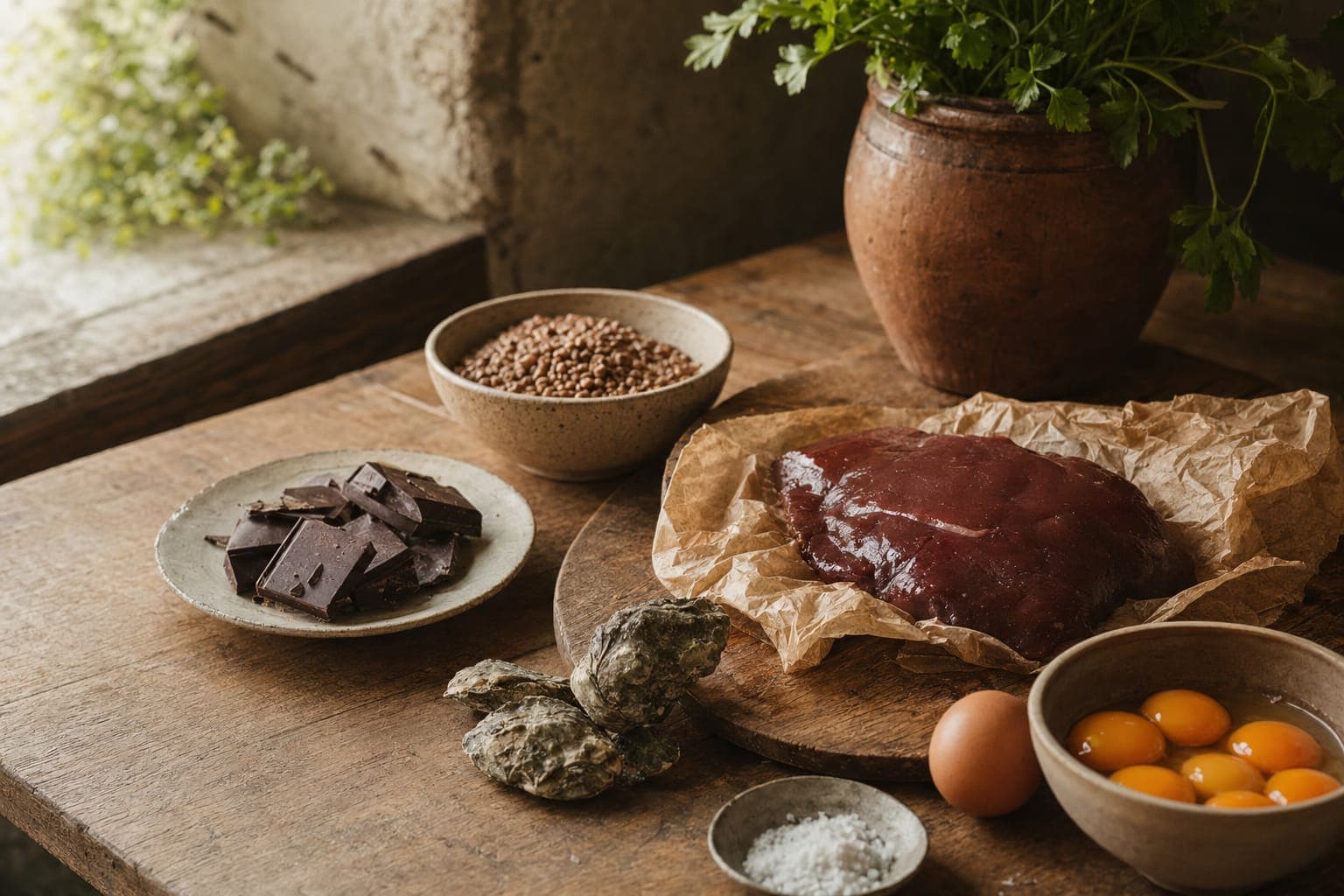
Retinol vs Beta-Carotene: Why Preformed Vitamin A Matters
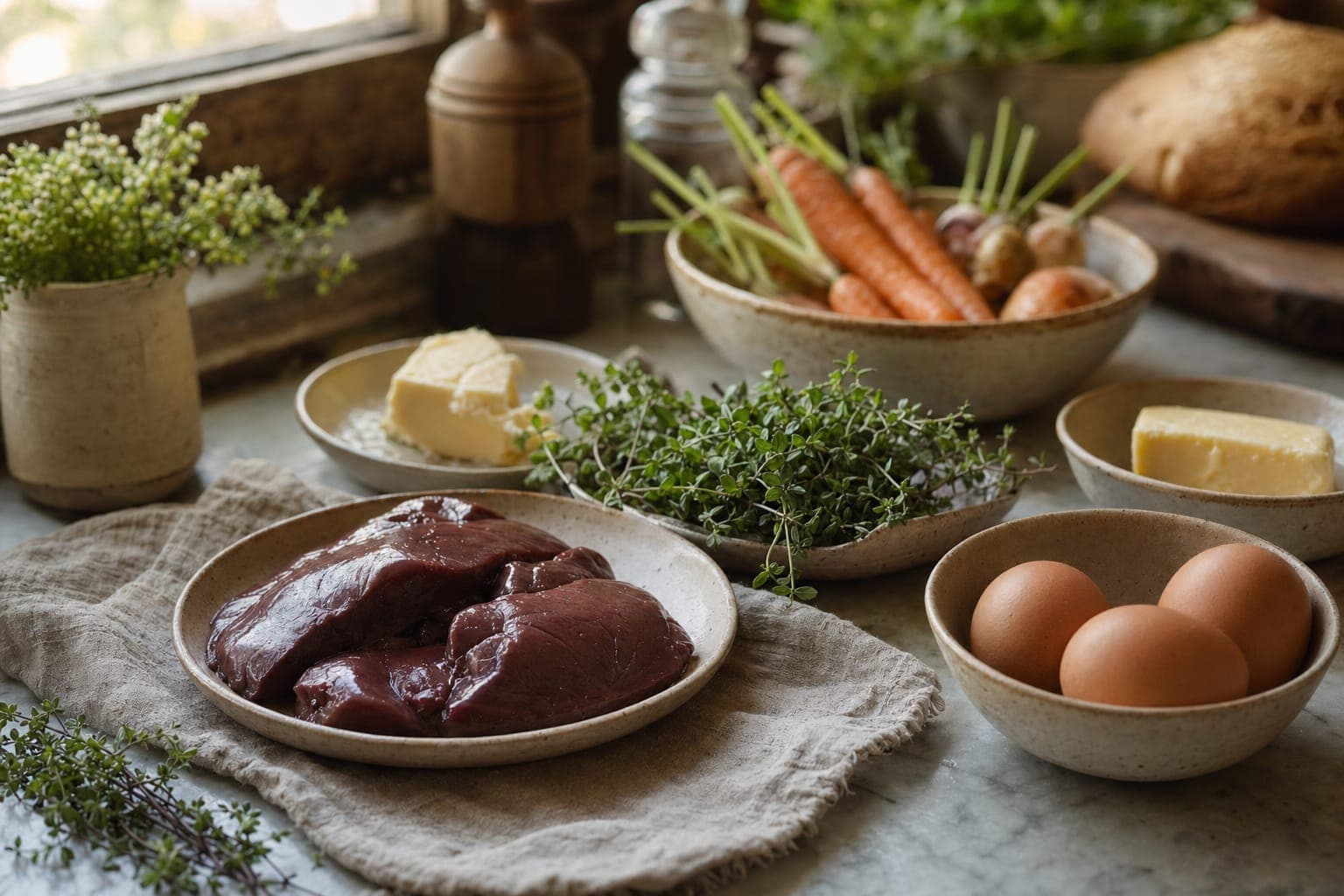
Not all vitamin A is equal. Some people are poor converters of beta-carotene. Learn why preformed retinol from liver and eggs matters.
Science
Copper and Iron: Why These Minerals Must Be in Balance
Learn why copper and iron must stay balanced. Discover ceruloplasmin's role, zinc's blocking effect, and why iron overload without copper is dangerous.

Science
The Connection Between Nutrition and Autoimmune Disease
Autoimmune disease is not just genetic. Nutrition affects gut barrier integrity, molecular mimicry, and immune tolerance. Learn the mechanisms.
Real food, made effortless
See the blendA few ways to use it
All recipes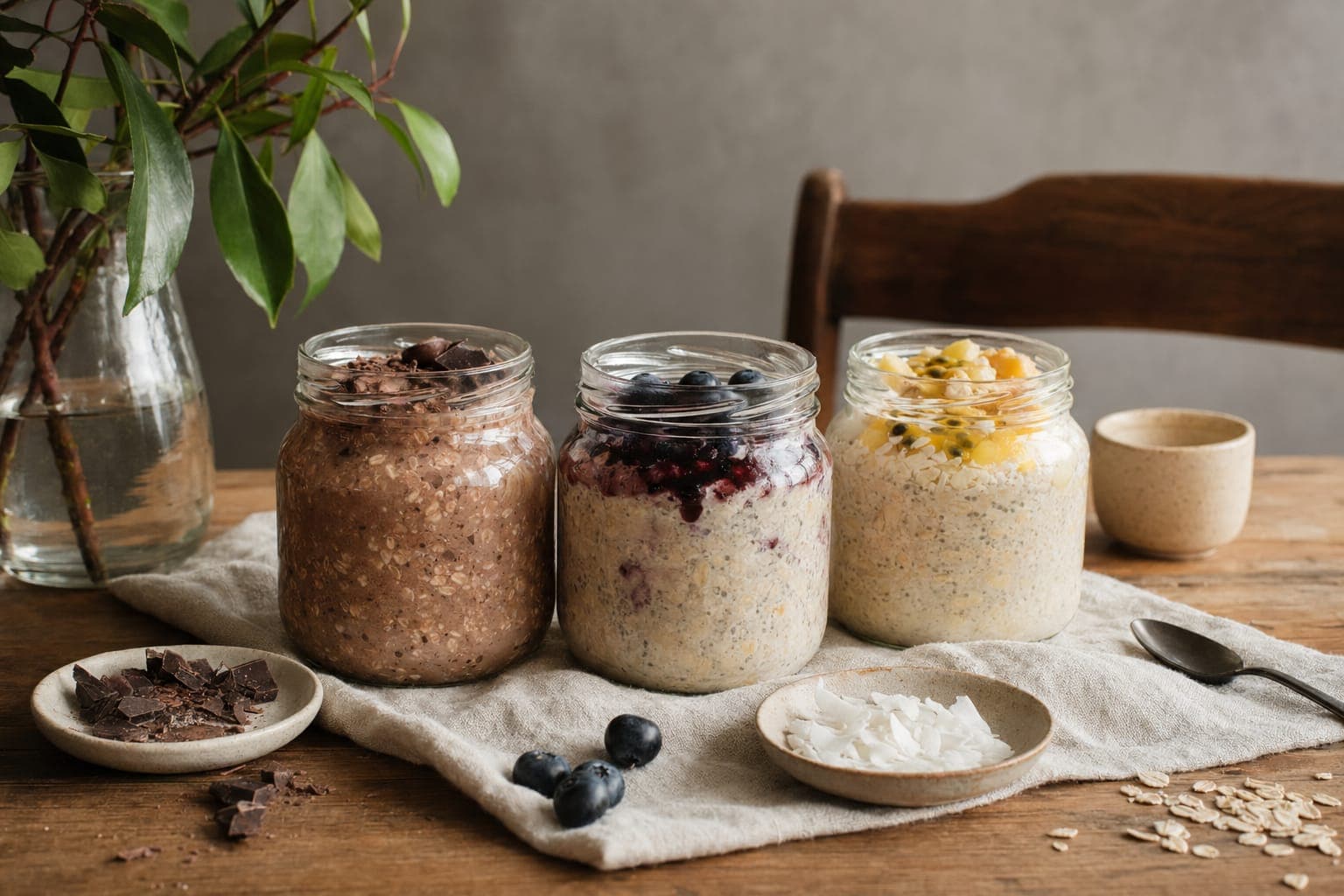
Organised Overnight Oats: 3 Variations
Three delicious overnight oats variations with Organised. Chocolate, berry, tropical flavours. Make them Sunday, eat them all week.
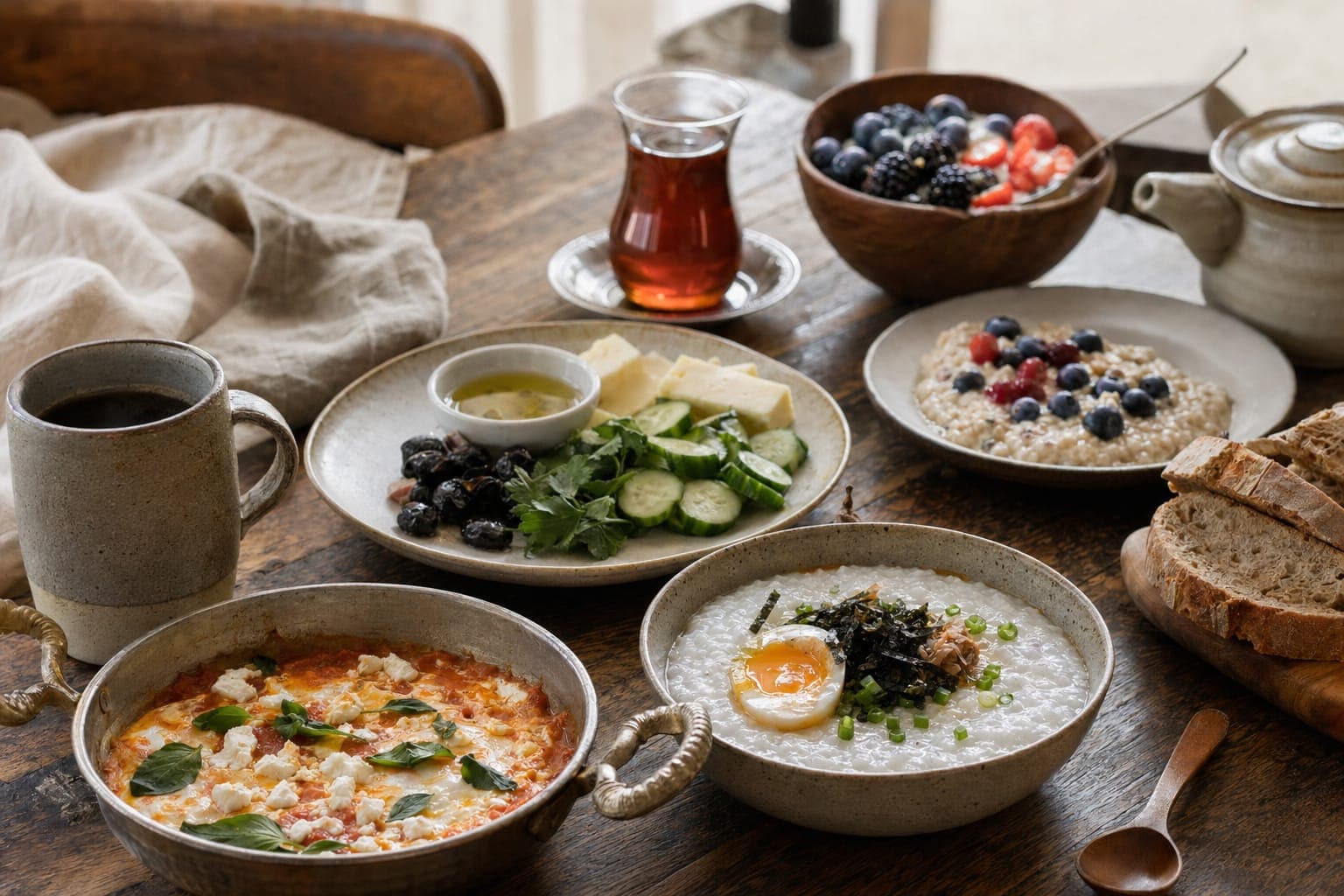
Ancestral Breakfast Ideas from Around the World
Traditional breakfast recipes from cultures that got nutrition right. Japanese, Turkish, Scottish, and more. Whole-food breakfast inspiration.
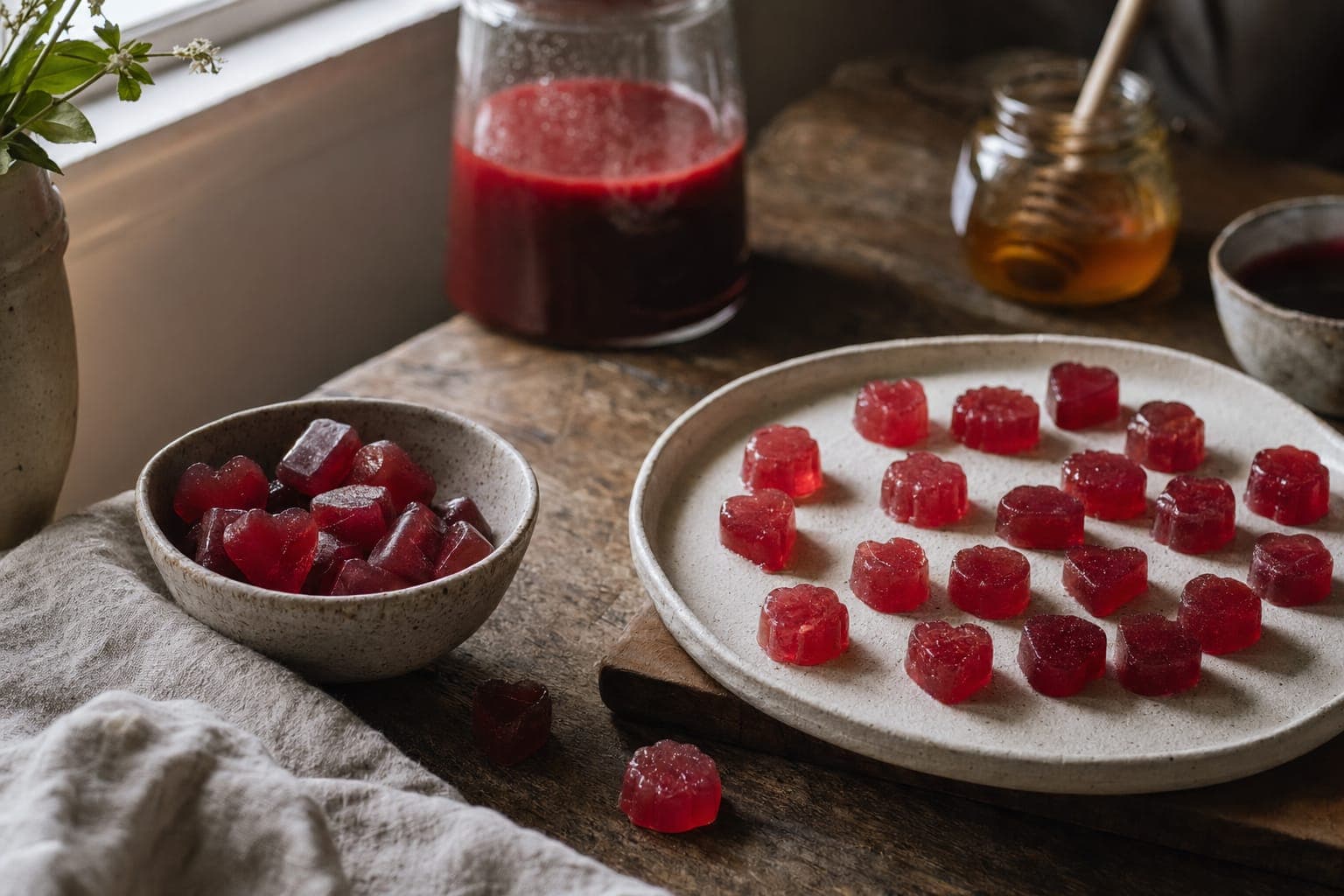
How to Make Your Own Gelatine Gummies
A simple recipe for homemade gelatine gummies using grass-fed gelatine, fresh juice, and raw honey. Better than shop-bought, kids love them.


 Join over 100,000+ members
Build a better food system with us
The Organised community is thousands of people choosing real food and backing the farmers who grow it, all of us trying to leave the world a little better than we found it. If that is what you care about too, you belong here.