CoQ10: What It Does, Where to Get It, and Why It Matters
If you're over 40, especially if you take a statin, your body is running on a fuel reserve that's slowly dwindling. CoQ10 is the spark plug your cells are crying out for, and most of us have never heard of it.
By Niall Kiddle, Founder, Organised

Reviewed by Pedro Rodrigues, Agronomist (farming and sourcing only) ·
7 min read · Published · Updated · 3 cited sources
Makers of the Organised Daily blend, a grass-fed beef organ supplement from regenerative UK farms
If you're over 40, especially if you take a statin3, your body is running on a fuel reserve that's slowly dwindling. CoQ10 is the spark plug your cells are crying out for, and most of us have never heard of it.
What is CoQ10 and why your cells need it
CoQ10, also called ubiquinone or ubiquinol in its reduced form, is a molecule found in every cell of your body.1 It's the electron shuttler in your mitochondria, the power plants of your cells. Without CoQ10, your mitochondria can't generate ATP, the energy currency that powers every movement, every thought, every heartbeat.
Your heart, your brain, your muscles, your liver, your kidneys all demand enormous amounts of ATP. Your heart beats 100,000 times a day. That is 100,000 demands for perfect energy generation, and CoQ10 is central to making that happen.
CoQ10 sits at the intersection of energy production and cellular repair. Without it, your cells don't just run slowly, they degrade faster.
As you age, your body's ability to manufacture CoQ10 declines. At 20, your levels are optimal. By 50, they've dropped by roughly 30%. By 70, they're half what they were. This isn't a minor inconvenience. This is your cellular power system dimming.
The statin problem nobody talks about
Here's the uncomfortable bit that your GP might not mention. If you're taking a statin to lower your cholesterol, your doctor has inadvertently prescribed something that depletes the very molecule your heart needs most.
Statins work by blocking HMG-CoA reductase, the enzyme responsible for producing cholesterol. But that same enzyme is also the rate-limiting step in CoQ10 synthesis. Take a statin, lower your cholesterol, and simultaneously tank your CoQ10 levels. Some research suggests statin users see CoQ10 drops of 30 to 50%.
The timing is awful. You're taking statins because you're worried about your heart. But the drug that's supposed to protect it is robbing the mitochondria in your heart muscle of its primary fuel source. People on long-term statins often report muscle pain, weakness, fatigue. Doctors call it statin myopathy. What they're often describing is cellular energy starvation.
If you're on a statin, supplementing CoQ10 isn't optional. It's basic cellular self-defence.
Where to find CoQ10 in real food
CoQ10 is found throughout nature, concentrated most heavily in animal tissues because those tissues have high energy demands. Think about it: muscle, organ, heart, brain. All of these tissues are CoQ10-rich.
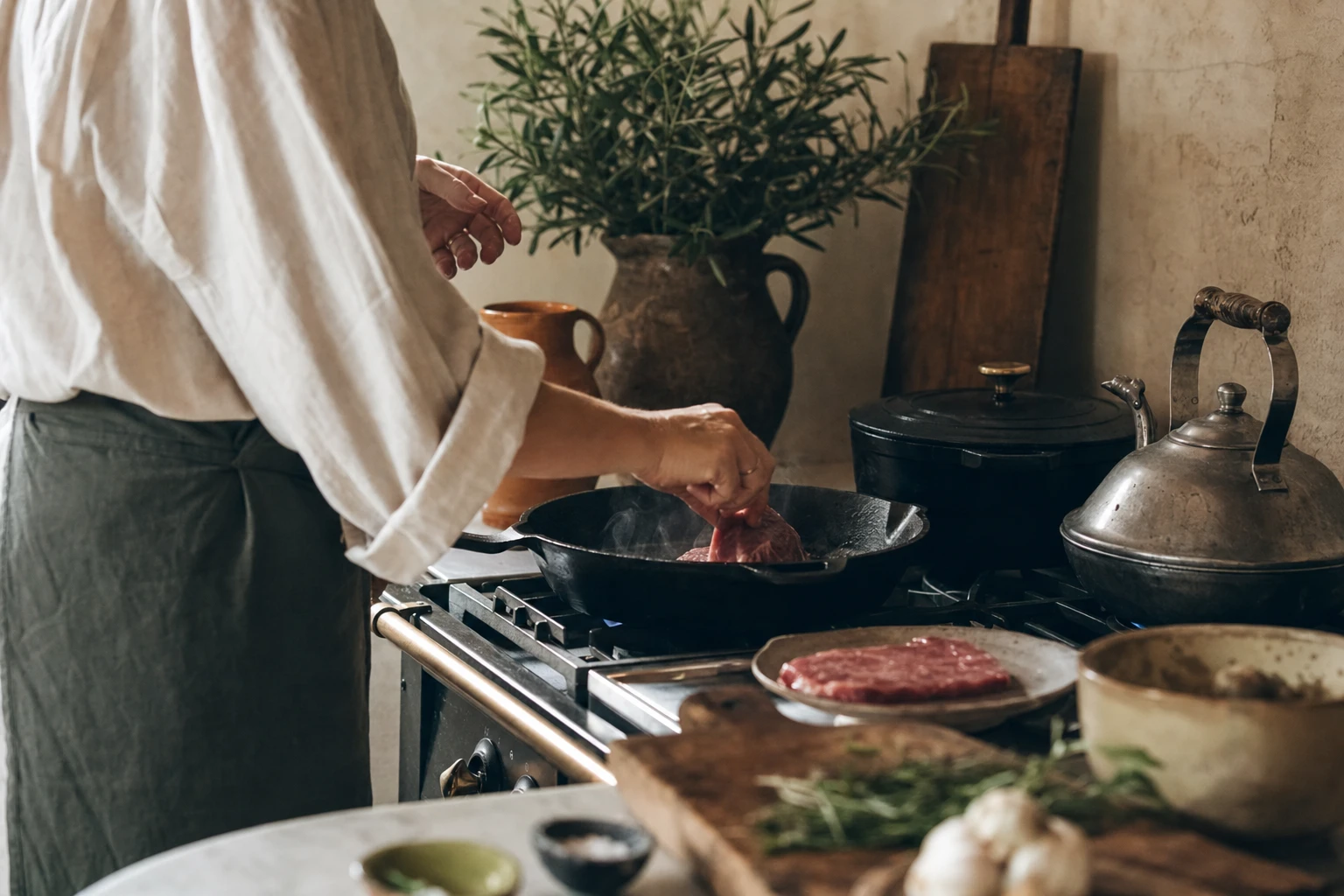
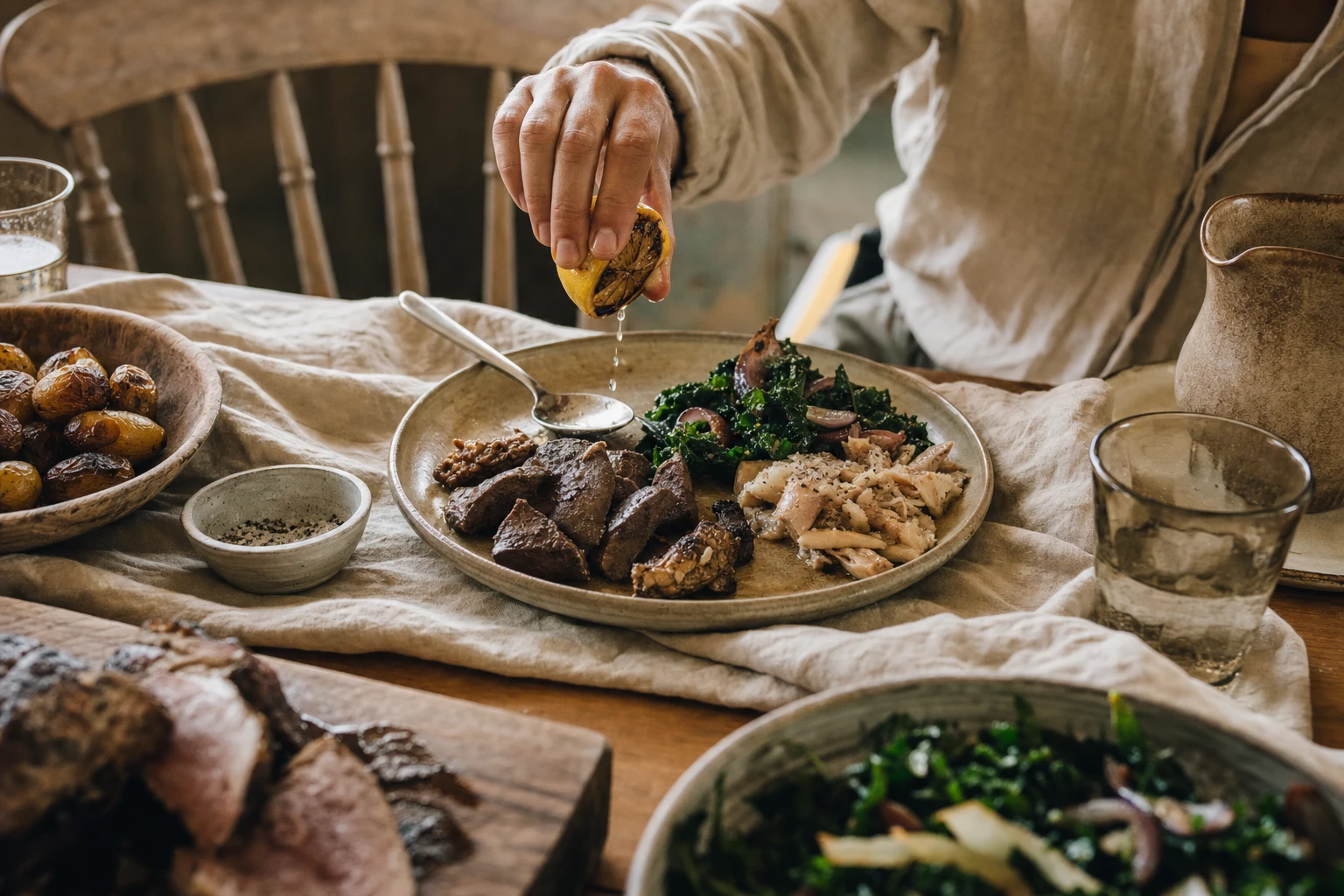
The best food sources are organ meats. Beef heart, beef liver, chicken liver, and kidney are extraordinarily dense in CoQ10. A portion of beef heart will give you far more CoQ10 than supplements costing pounds. Sardines, mackerel, and other oily fish carry substantial amounts. Eggs, particularly the yolk, are reliable sources.
- Beef heart - 11.3 milligrams per 100 grams
- Beef liver - 3.9 milligrams per 100 grams
- Chicken liver - 2.8 milligrams per 100 grams
- Sardines - 3.9 milligrams per 100 grams
- Mackerel - 3.3 milligrams per 100 grams
- Egg yolks - 0.7 milligrams per yolk
- Butter - trace amounts, but adds up with daily consumption
Plant foods contain CoQ10, but in markedly lower amounts and in a form your body absorbs less efficiently. Peanuts, spinach, broccoli all have some. But you'd need to eat kilograms to match what you get from a single serving of organ meat.
Supplementing CoQ10 wisely
If you're on a statin, or if you're over 60, or if you have any sort of cardiovascular concern, supplementing makes sense. But there's a catch. CoQ10 comes in two forms. Ubiquinone is the oxidised form, the form your body manufactures. Ubiquinol is the reduced form, which is more readily absorbed.
Ubiquinol is more expensive and less stable, but if you're absorbing poorly (and many people do as they age), ubiquinol delivers measurably better results. Typical effective doses range from 100 to 300 milligrams daily. If you're on a statin, aim for the higher end.
Absorption matters. CoQ10 is fat-soluble, so take it with a meal containing fat. Just swallowing it dry with a glass of water is a waste of money.
Aim for ubiquinol form, 150 to 300 milligrams daily, taken with fat-containing food. This is the dose where the research shows reliable benefit.
Get the science, plainly, free
Two short reads a week on what the research actually says about nutrition.
By signing up you agree to receive emails from us. No spam, unsubscribe anytime.
CoQ10 and energy performance
For anyone focused on physical performance or endurance, CoQ10 becomes relevant. Your muscles demand constant ATP. Your mitochondria are the power plants. CoQ10 is the critical linchpin in ATP synthesis.
Studies on CoQ10 supplementation in athletes show modest improvements in power output, endurance capacity, and recovery time. The improvements aren't massive, but they're consistent. For competitive athletes or people serious about performance, it matters.
More importantly, it matters for age-related decline in performance. As you age, mitochondrial function declines. CoQ10 declines with it. Supplementing CoQ10 can partially restore mitochondrial function and maintain athletic capacity longer than you'd otherwise expect.
This isn't about becoming a better athlete. It's about maintaining the capability you have. The difference between a 60-year-old who can climb stairs without getting winded and one who gets exhausted is often the difference between maintained mitochondrial function and declining function. CoQ10 is part of that equation.
The dose for athletic performance is similar to the dose for general health: 150 to 300 milligrams daily. Some athletes use higher doses, but the research suggests 200-300 is the effective range.
For the vast majority of people, the biggest gain from CoQ10 isn't going to be in competitive performance. It's going to be in daily function. The ability to walk up stairs without fatigue. The ability to work through the day without hitting an energy wall at three o'clock. The ability to recover from exercise quickly. These are the real outcomes that matter for quality of life.
Heart disease survivors and people with chronic fatigue particularly benefit from CoQ10. Their mitochondrial function is compromised. Restoring CoQ10 status doesn't cure the underlying disease, but it materially improves functional capacity.
The bottom line
CoQ10 is not a glamorous nutrient. It doesn't make headline news. But it is essential for cellular energy production, and age and statins conspire to deplete it. Eating organ meats regularly is the first step. If you can't stomach heart and liver, or if you're on medication that depletes it, supplement sensibly with ubiquinol. Your 100,000 heartbeats today deserve fuel.
The choice is straightforward. If you're under 40 and not on a statin, getting CoQ10 from food is probably sufficient. If you're over 40, on a statin, or experiencing fatigue or weakness, adding a supplement makes sense. Start with food, add supplementation if needed, and prioritise ubiquinol form at 150-300 milligrams daily.
CoQ10 and muscle health
One of the more frustrating side effects of statins is muscle pain and weakness. Doctors call this statin myopathy. They often dismiss it as uncommon or temporary, but it's remarkably prevalent once you start asking patients directly. The weakness isn't deconditioning. It's cellular energy depletion.
Your muscles are extraordinarily metabolically active. They demand constant ATP. They're also concentrated in CoQ10, which exists precisely because muscles need enormous amounts of energy. Take a statin, and you're simultaneously asking your muscle to work harder (exercise is part of heart disease prevention) whilst depriving it of the fuel it needs.
People supplementing CoQ10 whilst on statins often report dramatic improvements in muscle strength and pain within weeks. Not because the pain was psychological. Because the muscles finally have the energy to function without damage and fatigue.
If you're on a statin and experiencing muscle pain, weakness, or fatigue, CoQ10 supplementation isn't optional. It's restoration of what the statin took.
1 of 9
Daily blend
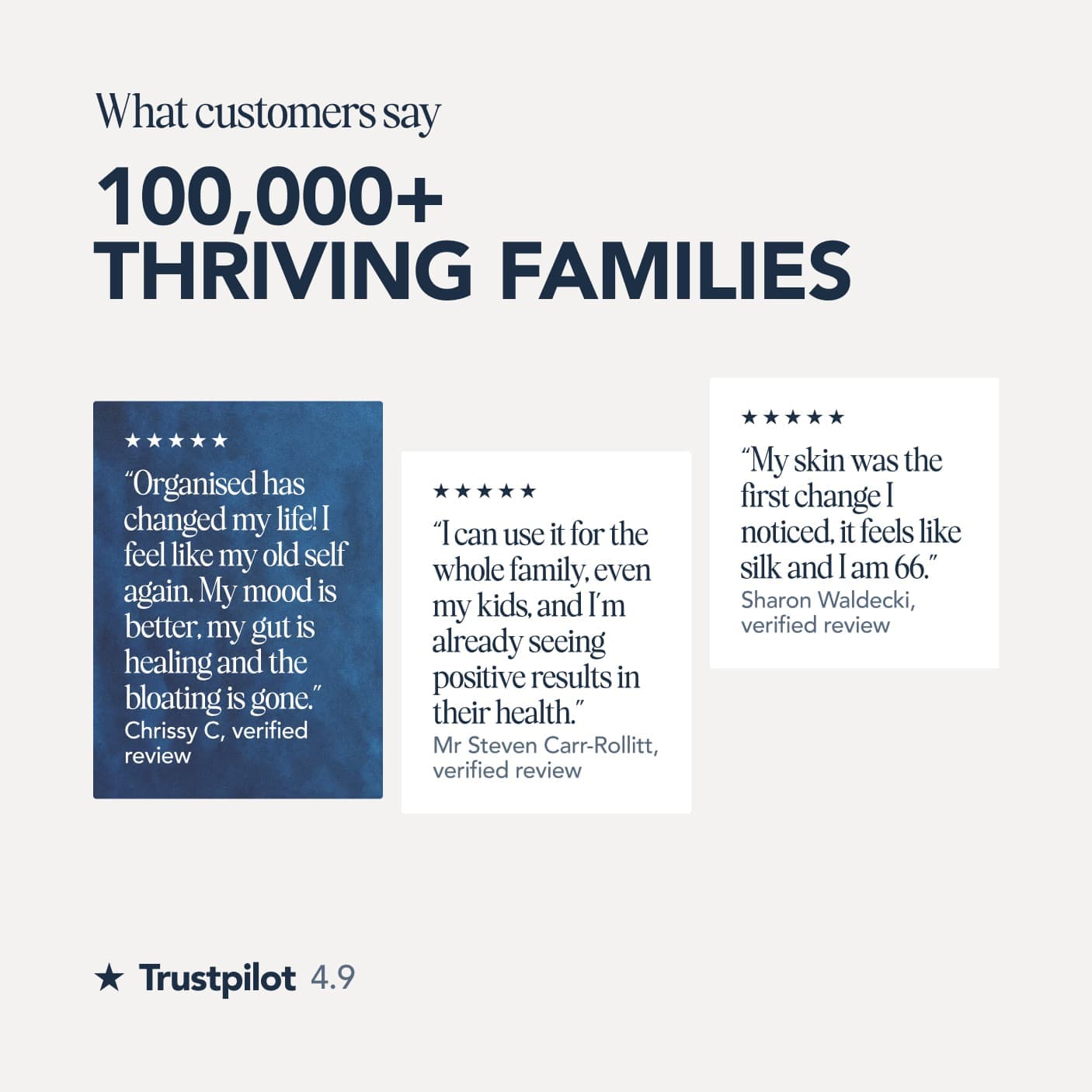
100,000+ thriving families4.9 on Trustpilot
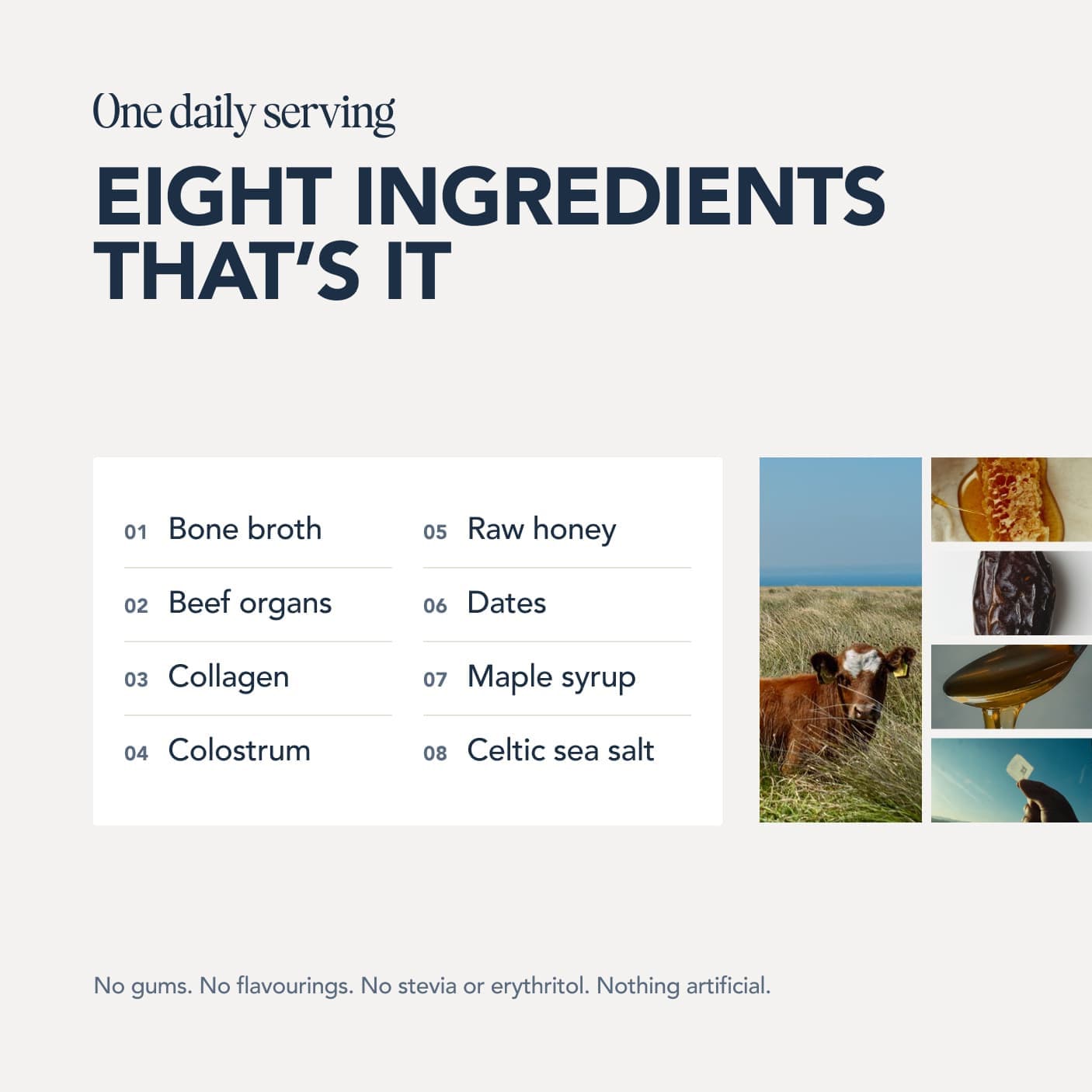
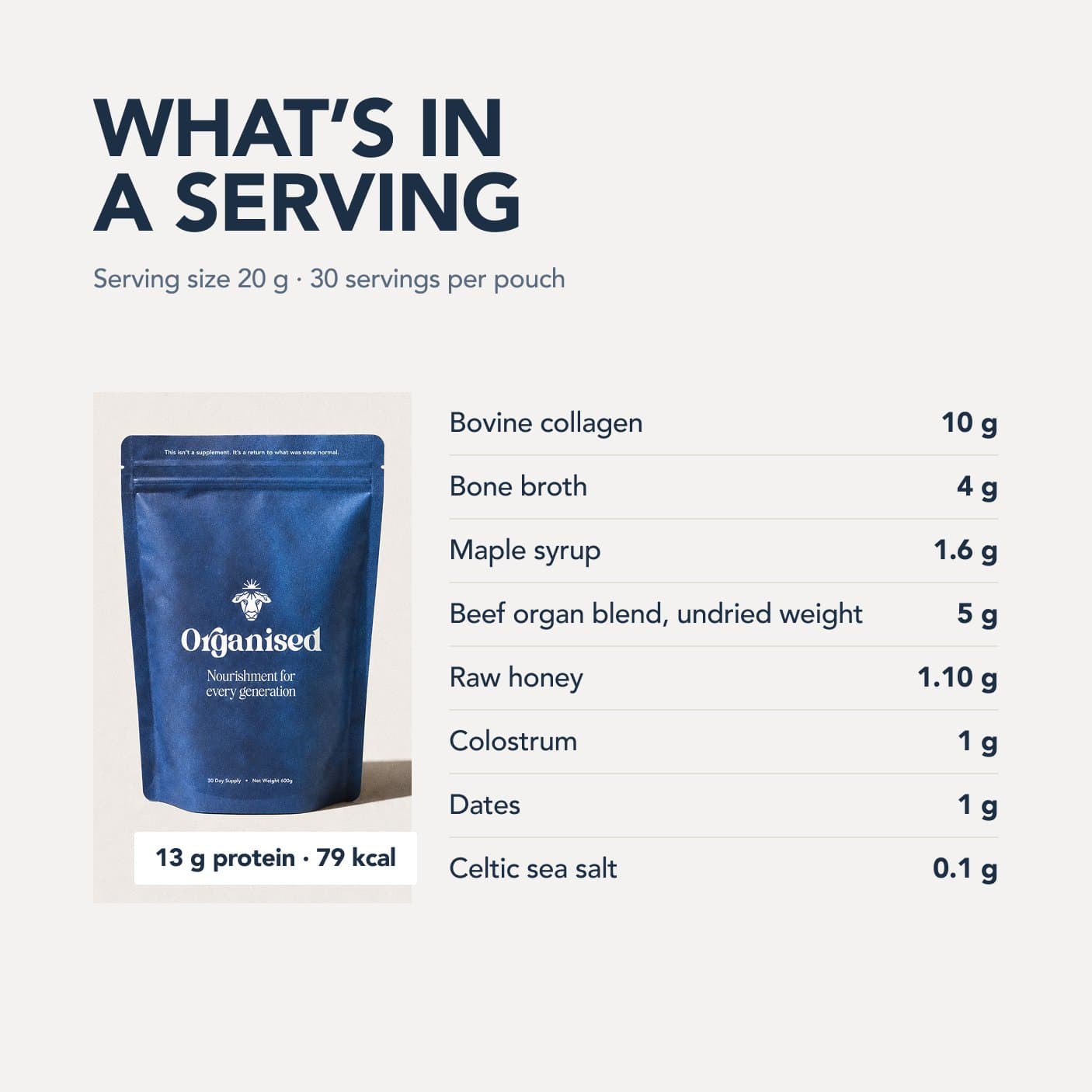
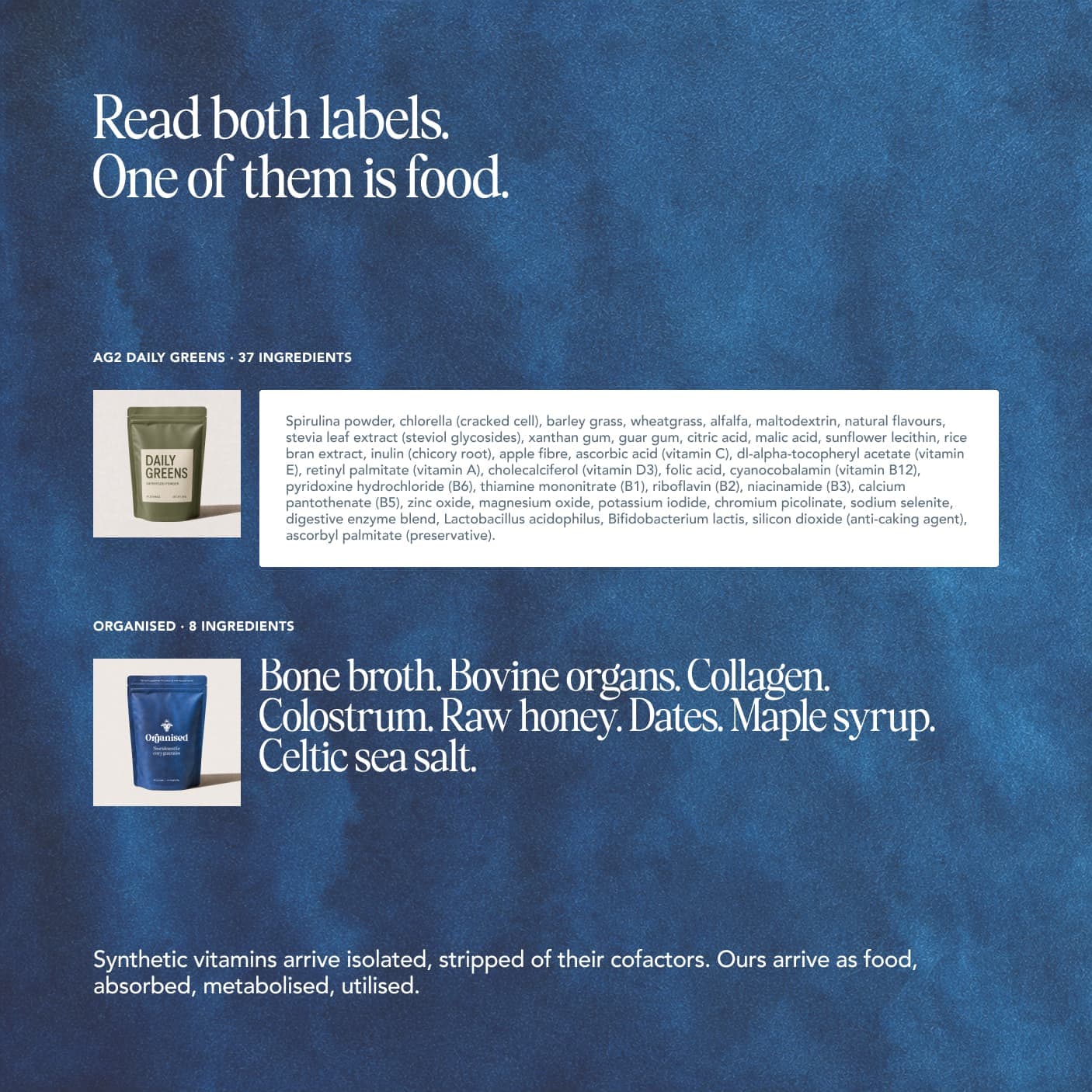
Eight real ingredients built around grass-fed beef organs, collagen and colostrum. Nothing synthetic added.
Free with your first order, worth £38. Plus £10 off the pouch with a subscription.
Free UK shipping · Made in England · 100 day money back guarantee on your first pouch · Skip, pause or cancel anytime
CoQ10 and fertility
Here's where CoQ10 becomes relevant to a much younger demographic. Egg quality in women, and sperm health in men, both depend on mitochondrial function. And mitochondrial function depends on CoQ10. Research shows that women and men supplementing CoQ10 show improvements in egg and sperm quality, and in fertility outcomes overall.
This is particularly relevant for anyone over 35, where age-related decline in CoQ10 levels accelerates decline in reproductive cell quality. If you're trying to conceive and you're over 35, CoQ10 should be part of your strategy alongside eating organ meats regularly and managing stress.
Doses for fertility are similar to doses for general health: 150 to 300 milligrams daily of ubiquinol form, taken with fat. But the effect is profound. You're not just supporting your heart and brain. You're supporting the mitochondria in the cells that will become your child.
The food-first principle
Supplements are useful. But food is always superior when it's possible. A 100-gram serving of beef heart delivers 11 milligrams of CoQ102 plus carnosine, iron, B vitamins, and hundreds of other compounds your body recognises as food. A supplement delivers CoQ10 and nothing else.
The most powerful approach is to make organ meats a regular habit, supplement if you're on a statin or over 60, and trust that your body, given whole food and the nutrients it needs, will manage its own repair and resilience. This isn't complicated. It's just the way humans have always eaten.
References
Every source below was checked on 27 August 2026. Each PubMed, PMC and DOI identifier was resolved against NCBI or Crossref, and what it opens is printed under the citation, so you can see the link goes where the citation says without leaving the page. Where a citation and its identifier disagreed, the citation was corrected to the record or the reference was deleted along with the sentence marker that pointed at it, and where the resolved paper turned out not to support the sentence, the sentence was cut back to what it does support. Borrowed authority is worse than none, because it looks like rigour.
- Hernández-Camacho JD, et al. Coenzyme Q10 supplementation in aging and disease. Front Physiol. 2018. Frontiers.Checked 27 August 2026: doi:10.3389/fphys.2018.00044 opens Hernández-Camacho JD, Bernier M, López-Lluch G et al, Coenzyme Q10 Supplementation in Aging and Disease Frontiers in Physiology 2018;9.
- Pravst I, et al. Coenzyme Q10 contents in foods and fortification strategies. Crit Rev Food Sci Nutr. 2010. PMID 20301015.Checked 27 August 2026: PMID 20301015 opens Pravst I, Zmitek K, Zmitek J, Coenzyme Q10 contents in foods and fortification strategies. Crit Rev Food Sci Nutr 2010;50(4):269-80. PubMed indexes it as: Review.
- Banach M, et al. Statin therapy and plasma coenzyme Q10 concentrations. Mayo Clin Proc. 2015. PMID 26192349.Checked 27 August 2026: PMID 26192349 opens Banach M, Serban C, Ursoniu S et al, Statin therapy and plasma coenzyme Q10 concentrations--A systematic review and meta-analysis of placebo-controlled trials. Pharmacol Res 2015;99:329-36. PubMed indexes it as: Meta-Analysis, Systematic Review.
Who wrote and reviewed this guide
Niall Kiddle
Author · Founder, Organised
Niall is the founder of Organised. He started the company in 2024 after fixing his own health the slow way: in 2022 he swapped a cupboard of synthetic supplements for real food, raw milk, organ meats, bone broth and honey, and felt the difference within months.
Areas of expertise: Ancestral nutrition, Organ meats, Whole-food supplementation, Gut health, Regenerative sourcing
Read Niall's full profile
Pedro Rodrigues
Reviewer · Agronomist (farming and sourcing only)
Pedro is the agronomist Organised works with on farming and sourcing. His job on the guides is to keep the science honest: he reviews what we publish about soil health, regenerative agriculture, grazing and the way food is actually produced.
Areas of expertise: Regenerative agriculture, Agronomy, Soil health, Grass-fed farming, Food sourcing
Reviewed this guide on
Read Pedro's full profileMore on nutrient deep-dives
View allBrowse the guides library
All guidesKeep reading
Recipes & routines
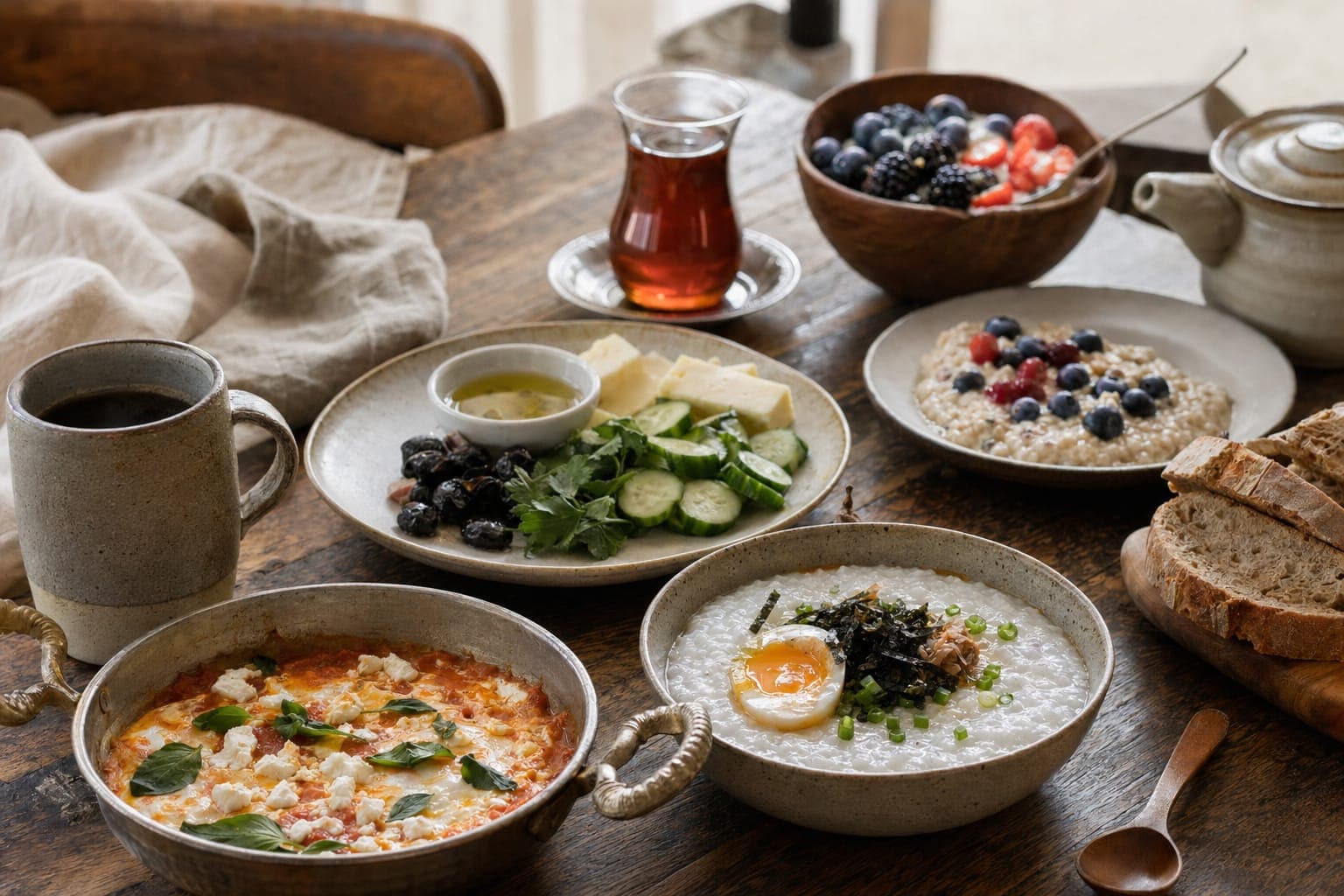
Ancestral Breakfast Ideas from Around the World
Traditional breakfast recipes from cultures that got nutrition right. Japanese, Turkish, Scottish, and more. Whole-food breakfast inspiration.

Farming
What Is Third-Party Testing and Why Should You Care?
Third-party testing verifies that supplements and foods are what companies claim. Learn why independent lab testing is your only real safeguard.

Life stage
Iron and Energy: Why So Many Women Feel Exhausted
Constant tiredness is not laziness. For many women it is iron deficiency. Learn what low iron does to your energy and the steps that can help you fix it.
Real food, made effortless
See the blendA few ways to use it
All recipes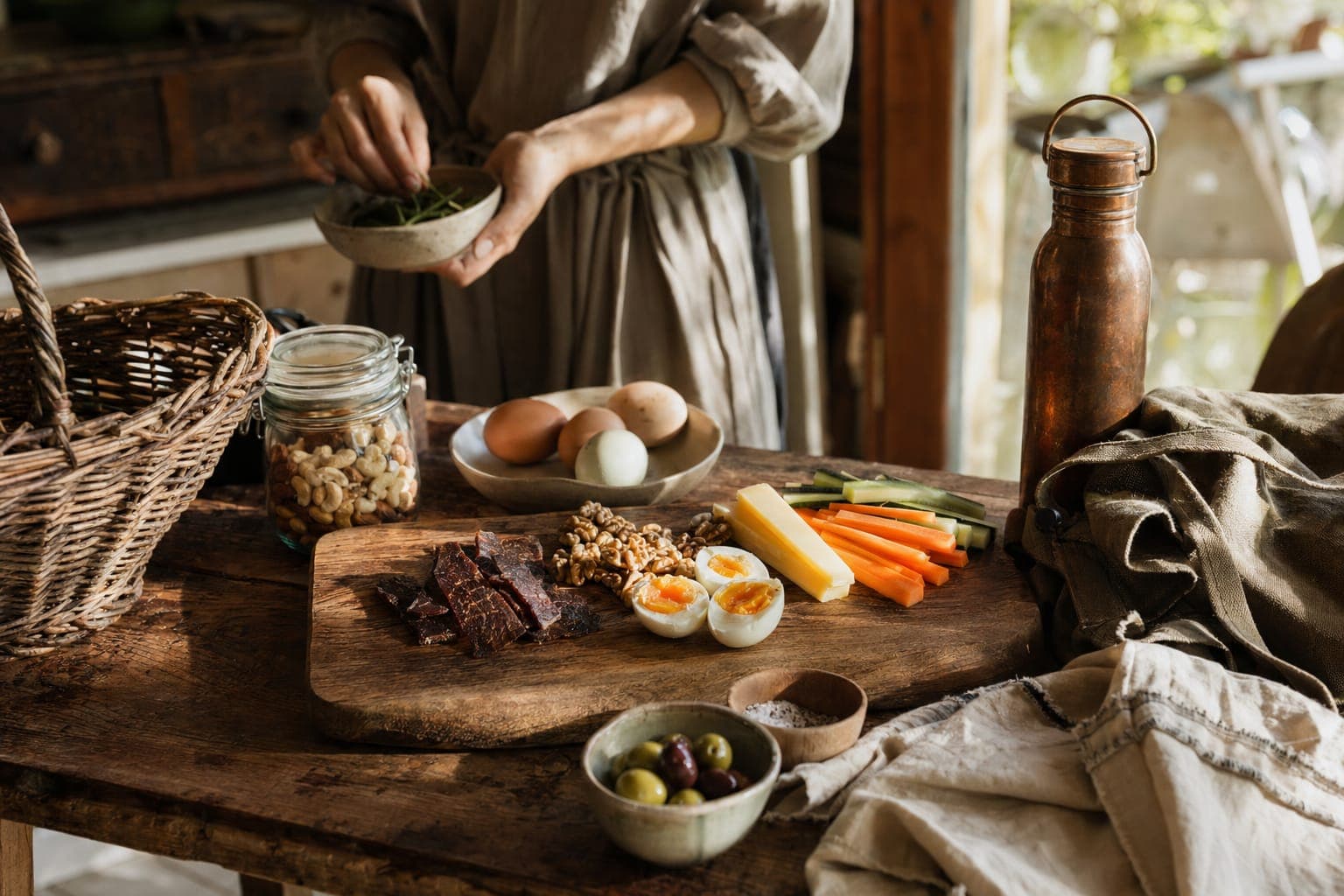
Whole Food Snacks for Busy Days
Practical whole food snacks that travel well and sustain energy. No refined carbs, no seed oils. Real food options for when you're busy.
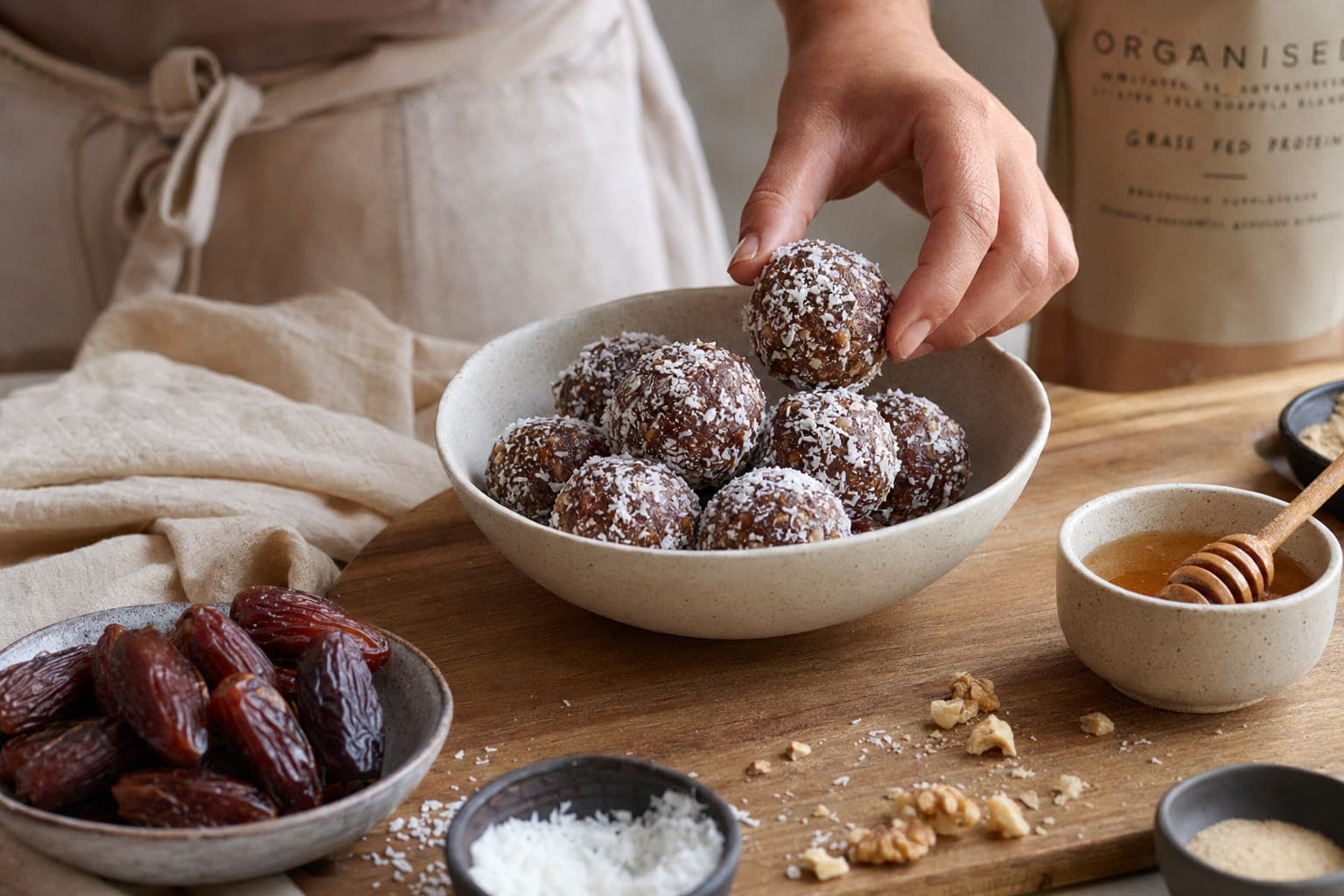
Energy Balls with Organised, Dates and Raw Honey
Make no-bake energy balls with Organised, dates, and raw honey. Perfect lunch box, pre-workout, or on-the-go snack. Simple recipe.
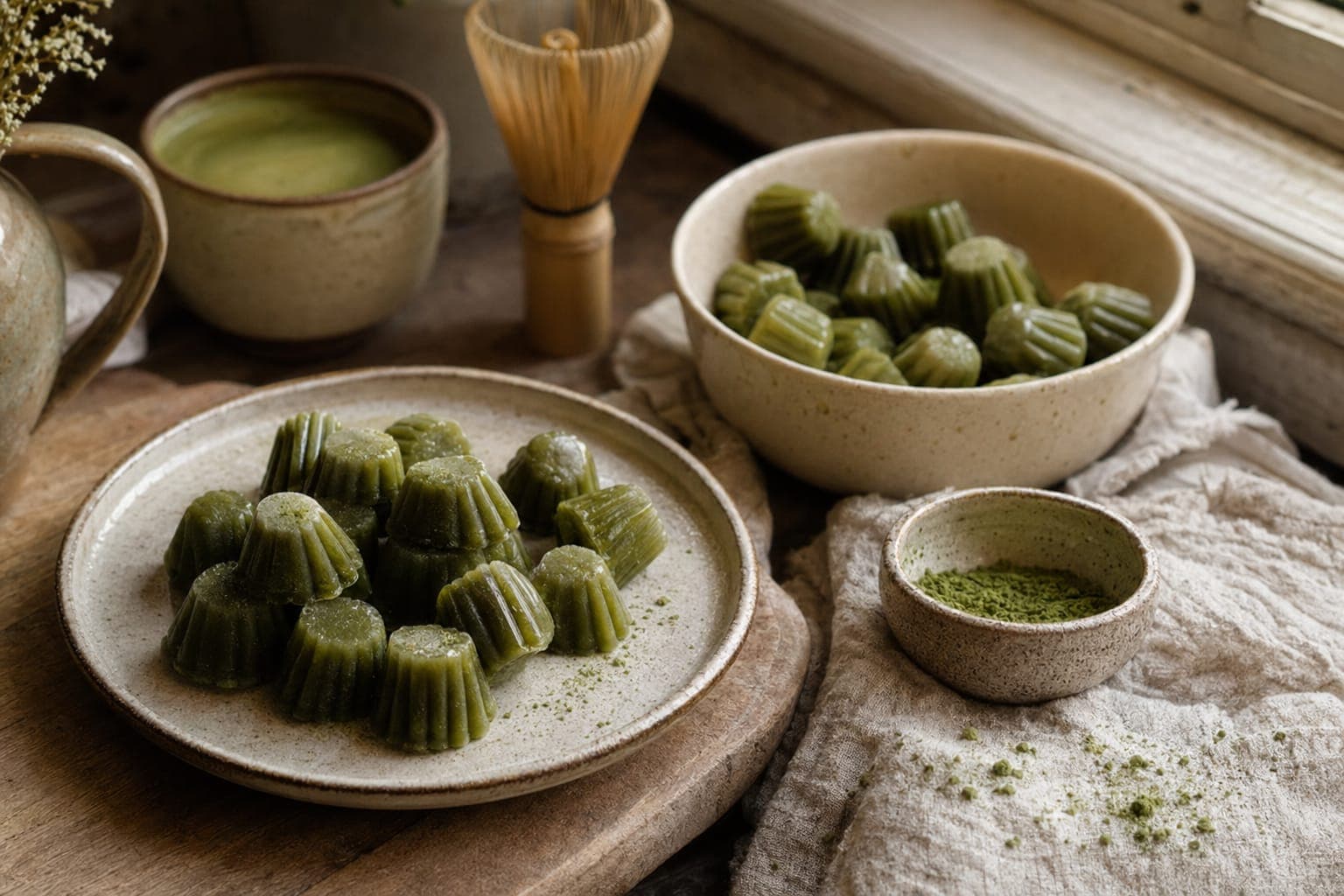
Matcha Latte Gummies with Collagen and Gelatine
Make visually stunning matcha latte gummies infused with collagen and gelatine. Simple recipe for gut-healing sweets you'll actually want to eat.


 Join over 100,000+ members
Build a better food system with us
The Organised community is thousands of people choosing real food and backing the farmers who grow it, all of us trying to leave the world a little better than we found it. If that is what you care about too, you belong here.