Epigenetics and Nutrition: How Food Shapes Gene Expression
You inherited your genes. You cannot change them. But you can control whether they're expressed or silenced. This is epigenetics. And the control switch is in your kitchen. The nutrients you eat, or don't eat, determine which genes your cells activate and which they keep quiet. This is how food literally rewires your biology.
By Niall Kiddle, Founder, Organised

Reviewed by Pedro Rodrigues, Agronomist (farming and sourcing only) ·
5 min read · Published · Updated · 3 cited sources
Makers of the Organised Daily blend, a grass-fed beef organ supplement from regenerative UK farms
For decades, we believed genes were destiny. You had the gene for heart disease, or you didn't. You had the gene for cancer, or you didn't. Your DNA was written at conception and that was that. But epigenetics has completely overturned this understanding. Your genes are more like a light switch than a light bulb. They can be turned on. They can be turned off. And the switch is controlled by your environment, your behaviour, and crucially, your nutrition.

What epigenetics actually is
Epigenetics is the study of heritable changes in gene expression that do not involve changes to the underlying DNA sequence. Mechanisms include DNA methylation, histone modification, and non-coding RNA-mediated regulation; together they determine which genes are active in different cell types.1
This regulation happens through chemical modifications to DNA and to the proteins that package DNA. These modifications don't change the DNA sequence. They change whether that DNA gets read. It's like having a library where books can be locked or unlocked based on signals from outside. The books (genes) are the same. Which ones are accessible (expressed) changes based on those signals.
The primary epigenetic mechanism is called methylation. A methyl group (a carbon atom with three hydrogens) attaches to cytosine, a DNA base. This attachment is like putting a lock on a book. The gene is still there. It's just unavailable to be read. Your cells can't manufacture the protein that gene codes for.
DNA methylation: the chemical switch
Here's the remarkable part. DNA methylation is not random. It's controlled. And one of the primary controllers is nutrition.
Certain nutrients provide methyl groups. They're called methyl donors. When you consume these nutrients, you're literally providing the chemical building blocks your cells use to turn genes on or off. You're not just feeding yourself. You're controlling which of your genes get expressed.
The process is elegant. Your body needs methyl groups for dozens of purposes. Detoxification. Neurotransmitter synthesis. Immune function. But when methyl donors are abundant, your body has the luxury of also using them to control gene expression through methylation. When they're scarce, gene expression goes haywire.
Epigenetics isn't mystical. It's biochemistry. Your genes are controlled by methyl groups. Your methyl groups come from food.
B12, folate, and choline: the methyl donors
Vitamin B12 is required as a cofactor for methionine synthase, which regenerates methionine and S-adenosyl methionine (SAM), the universal methyl donor used in DNA methylation reactions. Folate and choline also contribute methyl groups to one-carbon metabolism.2
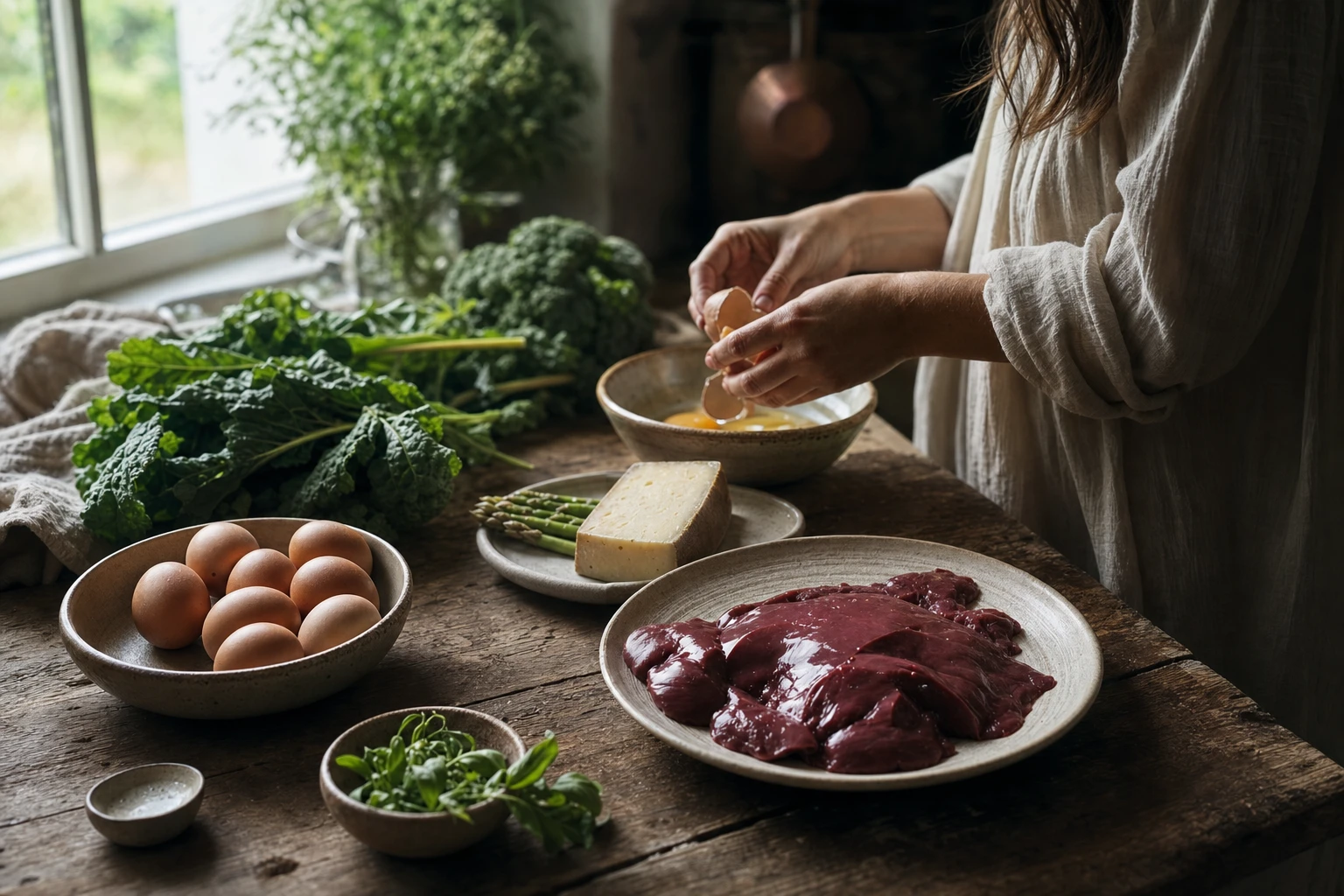
B12 is found almost exclusively in animal foods. Liver is phenomenal. Muscle meat has decent amounts. Fish and eggs have some. If you're eating no animal foods, B12 deficiency is nearly inevitable, and with it comes epigenetic dysfunction.
Folate works synergistically with B12. It's the other major methyl donor. Folate is found in plant foods, particularly dark leafy greens. But here's the thing: folate from plants requires methylation itself to be converted into its active form. If you're B12-deficient, plant folate doesn't help much. You need both, and you need them consistently.
Choline is the third key player. It's found in eggs, meat, liver, and fish. Most people don't think about choline. But your cells use choline to manufacture acetylcholine, a neurotransmitter essential for memory and learning. And choline is also a potent methyl donor. Adequate choline availability means your cells have the chemical resources to regulate genes properly.
How food controls gene expression
Here's a concrete example. The MTHFR gene encodes methylenetetrahydrofolate reductase, an enzyme that converts 5,10-methylene-THF to 5-methyl-THF, the form of folate used to remethylate homocysteine. Common polymorphisms (notably C677T) reduce enzyme activity, which can elevate homocysteine but is generally compensated for by adequate folate, B12, and B6 intake.3
But epigenetics changed the story. Having a MTHFR variant doesn't seal your fate. It just means your cells need more folate and B12 than average to methylate properly. If you eat abundant folate and B12, your genes compensate. The variant doesn't matter. Your epigenetics override the genetic limitation.
This is true more broadly. People with genetic predispositions to weight gain, to depression, to autoimmunity, to cognitive decline, all have knobs they can turn through nutrition. Not complete control. But significant influence.
Cancer is perhaps the clearest example. Cancer isn't just about having a cancer gene. It's about that gene being expressed. Protective genes like p53, the tumour suppressor, need to stay on. Genes that promote cell growth need to stay off. Epigenetic regulation controls this balance. And epigenetic regulation is controlled by your nutrient status, particularly by B12, folate, and choline.
You cannot rewrite your genes. But you can control which genes are read. This control comes from your kitchen, not your clinic.
Get the science, plainly, free
Two short reads a week on what the research actually says about nutrition.
By signing up you agree to receive emails from us. No spam, unsubscribe anytime.
The implications for health and disease
This changes everything about how we think about disease prevention. You cannot outrun your genetics. But you can epigenetically silence bad genes and activate protective ones. The mechanism is food.
Depression, for instance, isn't just about serotonin levels. It's about whether the genes that code for serotonin receptors and neurotransmitter synthesis are switched on. Nutrition that provides abundant methyl donors activates these genes. Nutrition that's depleted of methyl donors leaves them off.
Inflammation, similarly, is controlled epigenetically. Genes that produce inflammatory cytokines need to be kept quiet. Genes that produce anti-inflammatory molecules need to be active. Adequate B vitamins and choline support this proper regulation. Deficiency allows the wrong genes to dominate.
This is why people who switch to nutrient-dense diets often experience changes in their health that seem disproportionate to the change in diet. They're not just eating better. They're epigenetically rewriting the expression of hundreds of genes toward health.
1 of 9
Daily blend
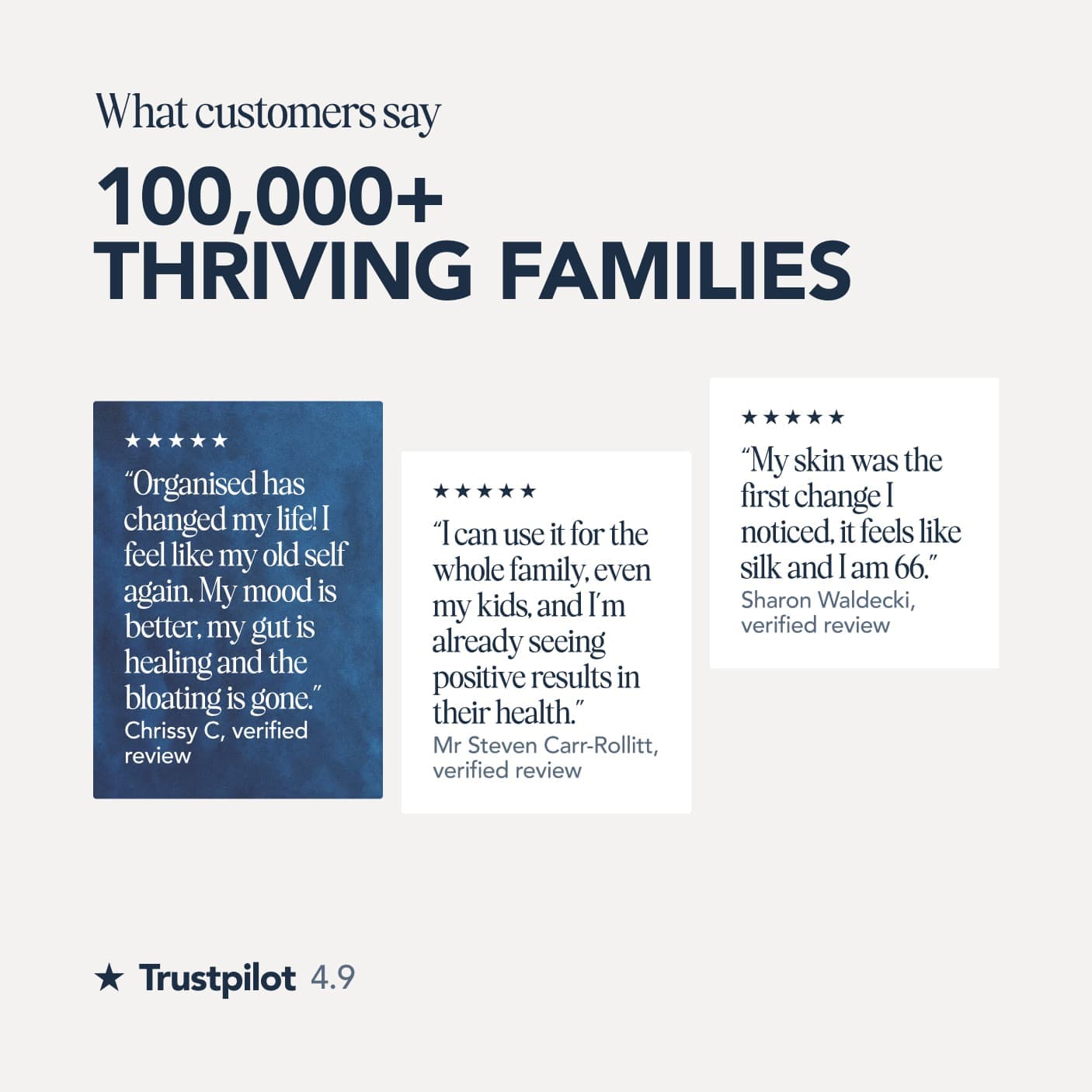
100,000+ thriving families4.9 on Trustpilot
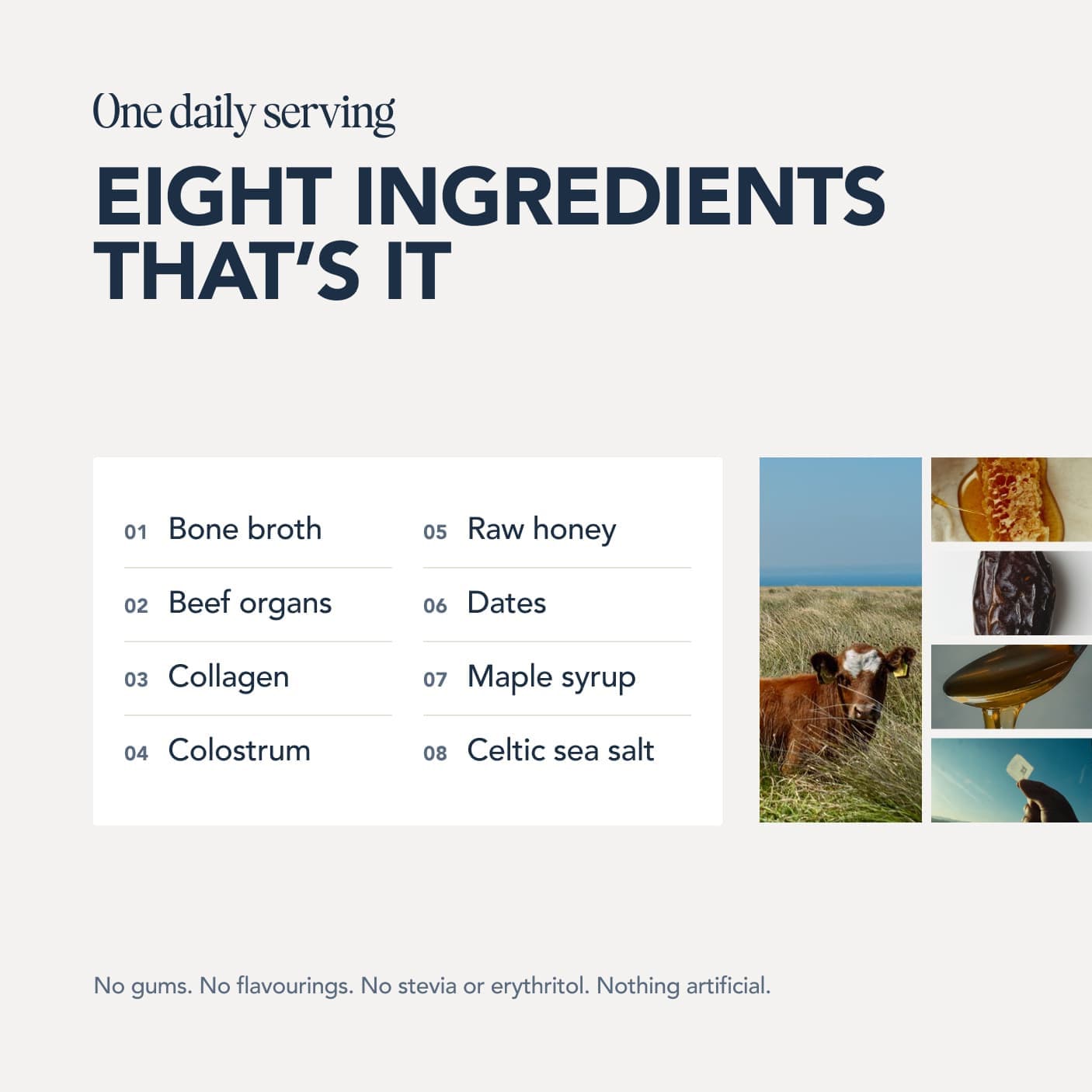
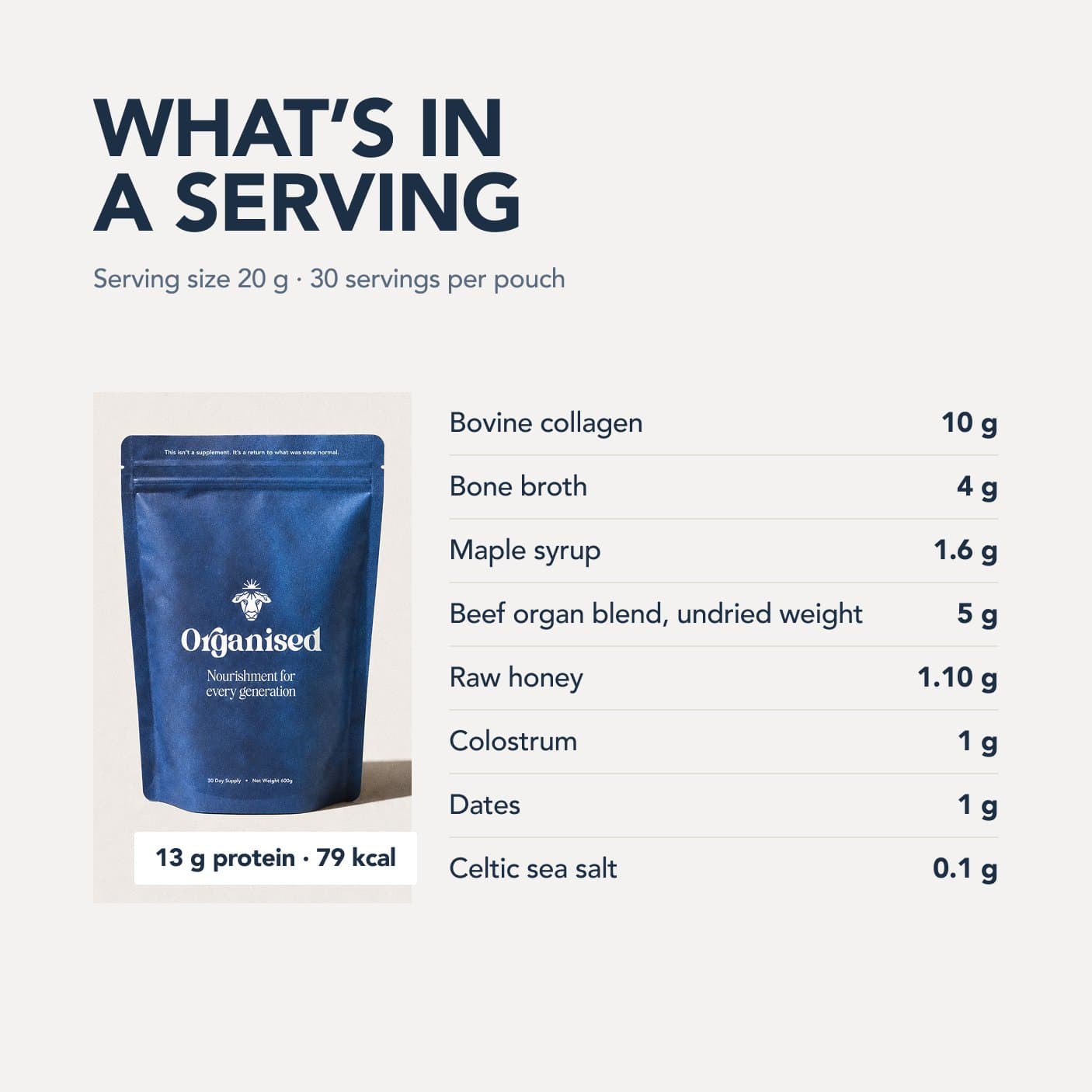
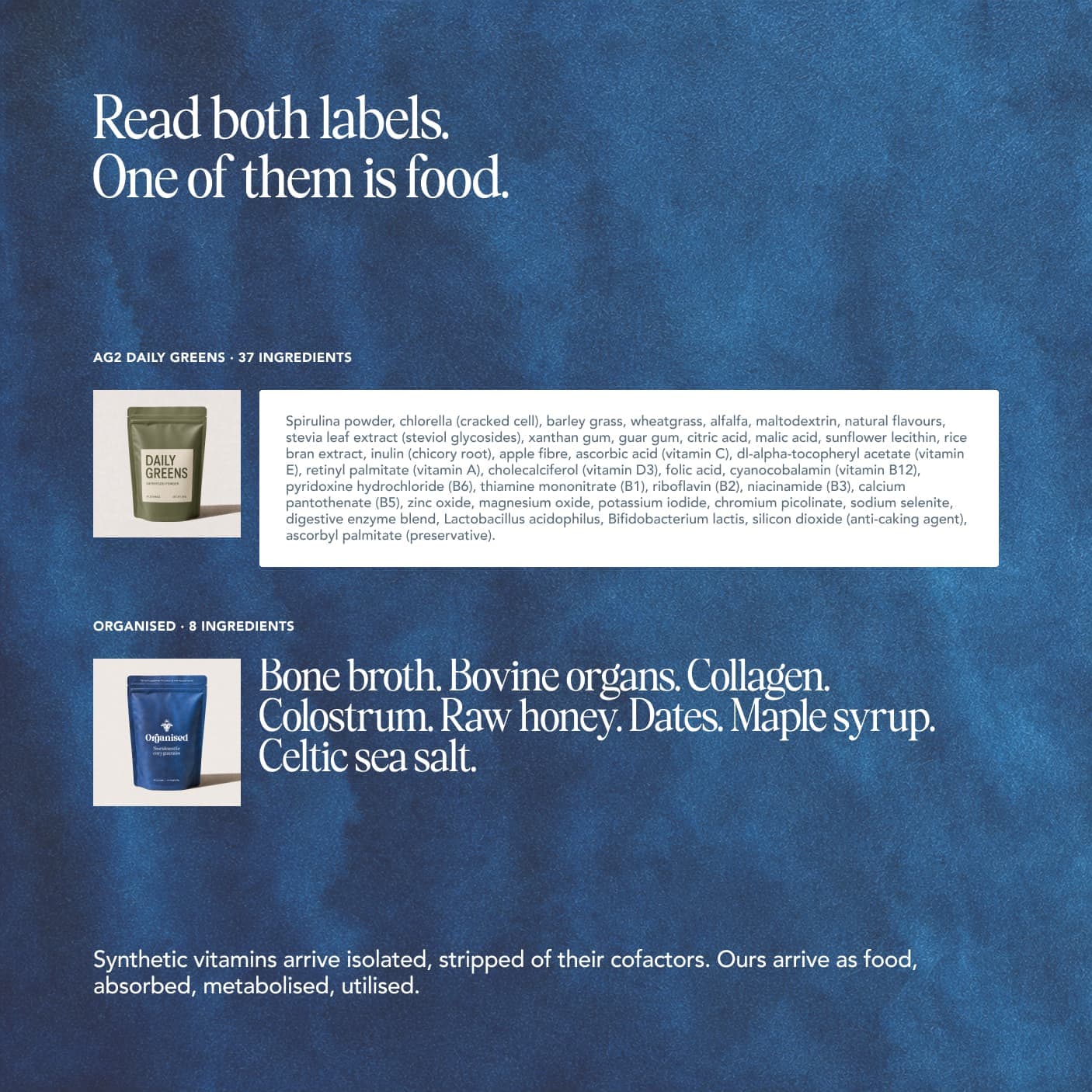
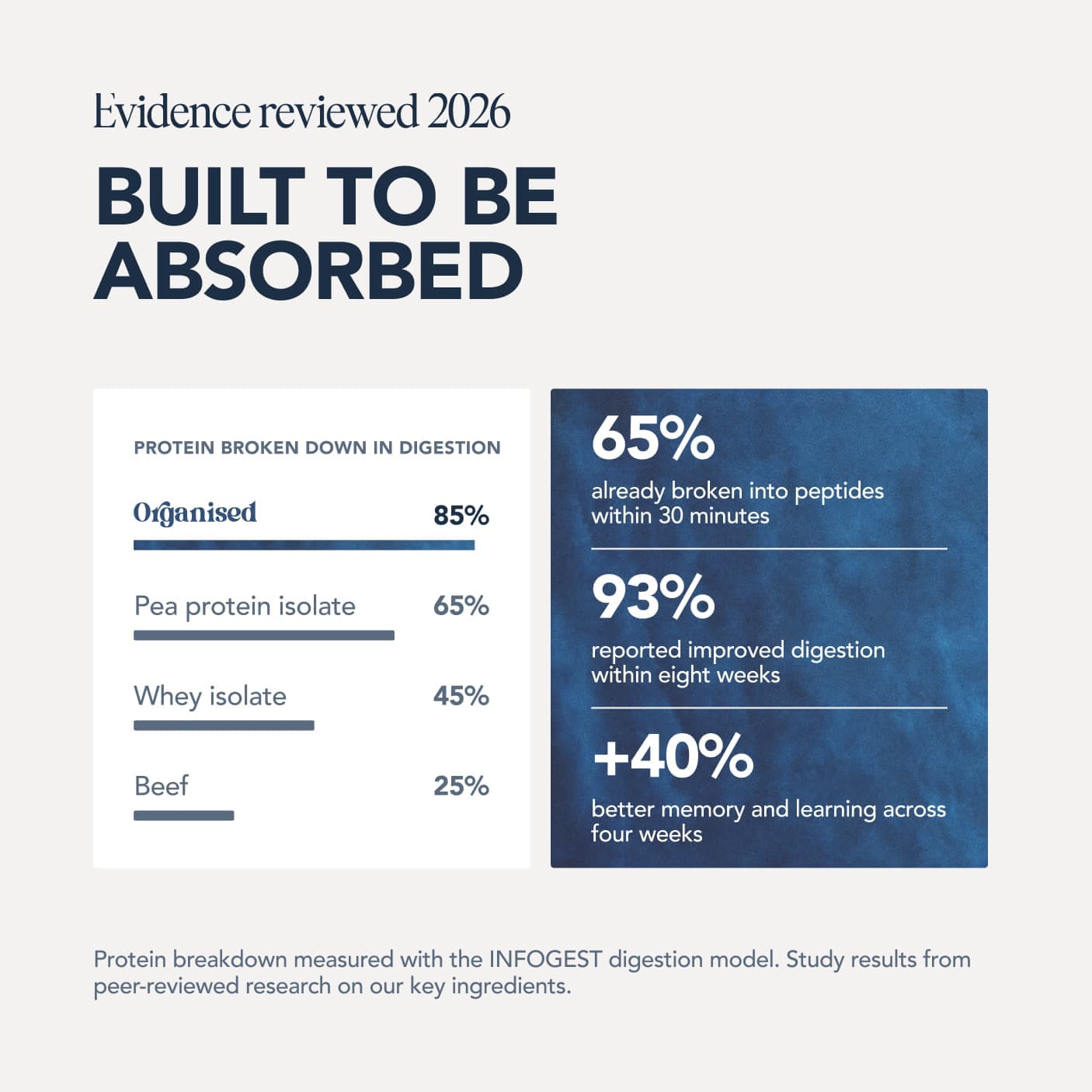
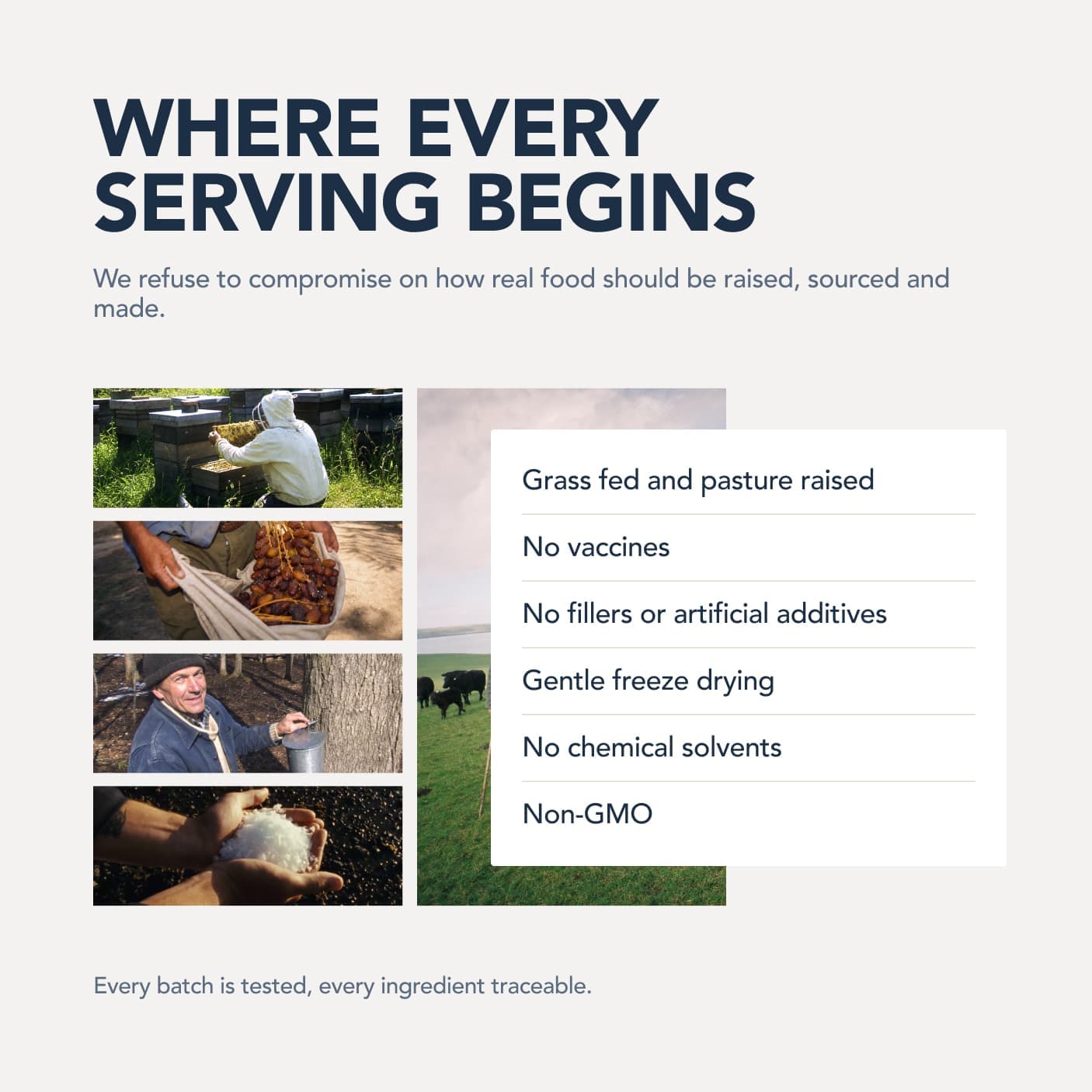
Eight real ingredients built around grass-fed beef organs, collagen and colostrum. Nothing synthetic added.
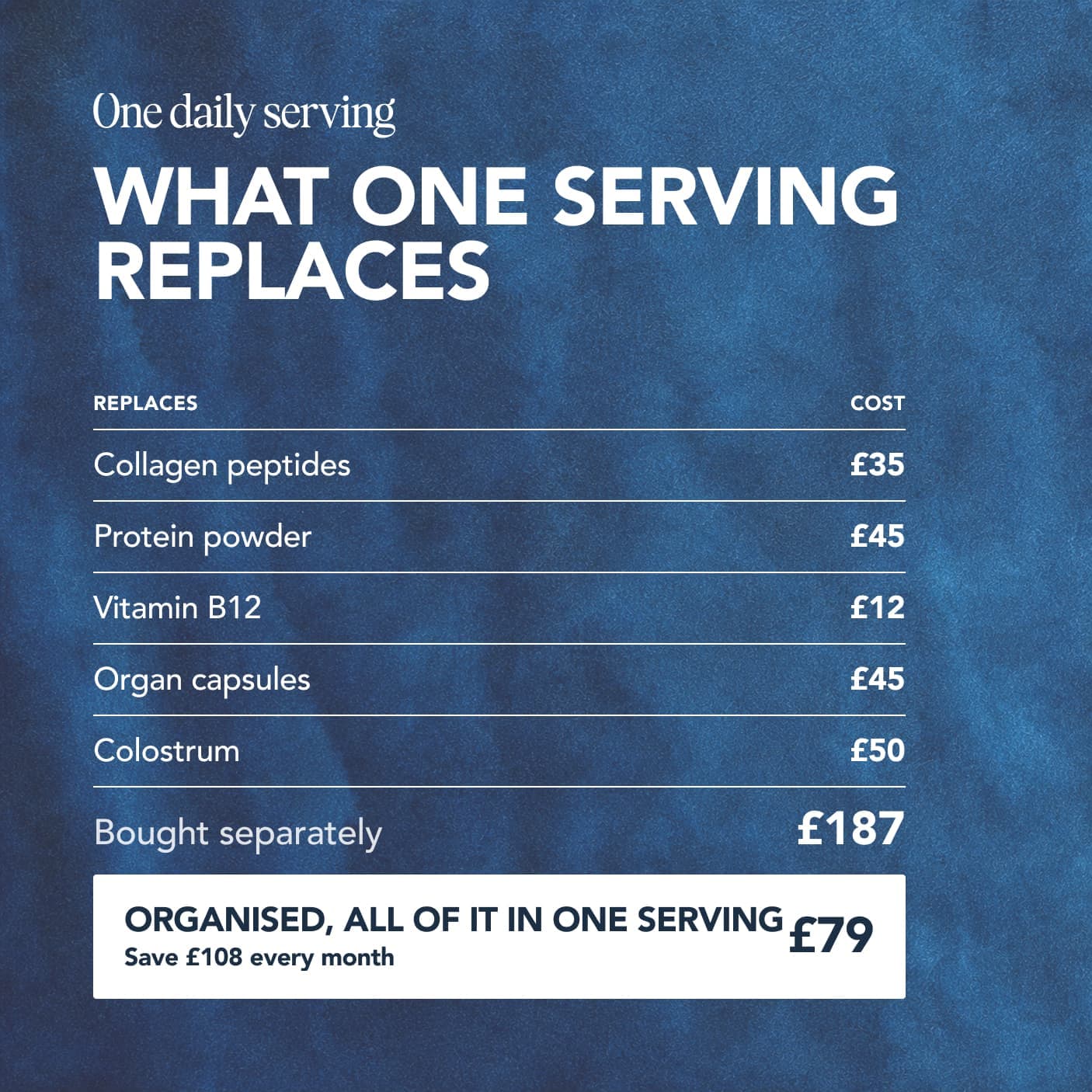
Free with your first order, worth £38. Plus £10 off the pouch with a subscription.

Free UK shipping · Made in England · 100 day money back guarantee on your first pouch · Skip, pause or cancel anytime
Practical nutrition for epigenetic health
The epigenetic approach to nutrition is straightforward. Eat the foods highest in methyl donors.
B12: Liver is supreme. Twice weekly, 50 grams of liver provides more than a week's worth of B12. Muscle meat provides adequate amounts. Eggs, fish, and dairy all contain B12. No plant provides usable B12.
Folate: Dark leafy greens, particularly spinach and kale. But also asparagus, Brussels sprouts, broccoli. Cook them gently. Folate is heat-sensitive. If you're eating raw salads daily, you're getting good folate. If you're eating well-cooked greens, you're getting less.
Choline: Eggs are the most bioavailable source. One egg yolk provides roughly 140 milligrams of choline. Liver provides abundant choline. Meat provides decent amounts. Most people eating animal products get adequate choline. Vegetarians often don't.
The synergy matters. You can eat folate all day, but if you're B12-deficient, the folate can't be properly utilised. You can eat choline, but without adequate B vitamins to work with, the methylation capacity is limited. The triumvirate is B12, folate, and choline, all together, consistently.
This is the epigenetic case for eating nose-to-tail. Your ancestors weren't eating liver for its vitamins and minerals, though those are valuable. They were eating liver for its unparalleled methyl donor content. They were controlling their epigenetics through food. Your genes haven't changed since then. Your need for methyl donors hasn't changed. But your food choices have. And your epigenetics, and your health, have suffered as a result.
References
Every source below was checked on 27 August 2026. Each PubMed, PMC and DOI identifier was resolved against NCBI or Crossref, and what it opens is printed under the citation, so you can see the link goes where the citation says without leaving the page. Where a citation and its identifier disagreed, the citation was corrected to the record or the reference was deleted along with the sentence marker that pointed at it, and where the resolved paper turned out not to support the sentence, the sentence was cut back to what it does support. Borrowed authority is worse than none, because it looks like rigour.
- Felsenfeld G. A brief history of epigenetics. Cold Spring Harbor Perspectives in Biology. 2014. https://pmc.ncbi.nlm.nih.gov/articles/PMC3941222/Checked 27 August 2026: PMC3941222 opens Felsenfeld G, A brief history of epigenetics. Cold Spring Harb Perspect Biol 2014;6(1). PubMed indexes it as: Historical Article.
- National Institutes of Health, Office of Dietary Supplements. Vitamin B12 — Health Professional Fact Sheet. https://ods.od.nih.gov/factsheets/VitaminB12-HealthProfessional/
- National Institutes of Health, Office of Dietary Supplements. Folate — Health Professional Fact Sheet. https://ods.od.nih.gov/factsheets/Folate-HealthProfessional/
Who wrote and reviewed this guide
Niall Kiddle
Author · Founder, Organised
Niall is the founder of Organised. He started the company in 2024 after fixing his own health the slow way: in 2022 he swapped a cupboard of synthetic supplements for real food, raw milk, organ meats, bone broth and honey, and felt the difference within months.
Areas of expertise: Ancestral nutrition, Organ meats, Whole-food supplementation, Gut health, Regenerative sourcing
Read Niall's full profile
Pedro Rodrigues
Reviewer · Agronomist (farming and sourcing only)
Pedro is the agronomist Organised works with on farming and sourcing. His job on the guides is to keep the science honest: he reviews what we publish about soil health, regenerative agriculture, grazing and the way food is actually produced.
Areas of expertise: Regenerative agriculture, Agronomy, Soil health, Grass-fed farming, Food sourcing
Reviewed this guide on
Read Pedro's full profileMore on emerging research
View allBrowse the guides library
All guidesKeep reading
Science
Colostrum and Bloating: What the Research Actually Shows
See what the research really says about bovine colostrum and bloating, from gut-lining and intestinal permeability to growth factors, and what to expect.
Science
The Micronutrient Gap: Why Even 'Healthy' Diets Fall Short
Even well-planned 'healthy' diets are missing key micronutrients. Here's why the gap exists and which foods bridge it most effectively.
Science
The Saturated Fat Myth: What Modern Research Actually Shows
The saturated fat myth was built on selective data. See what modern meta-analyses and the wider evidence really show about fat and heart health. A fair look.
Real food, made effortless
See the blendA few ways to use it
All recipes
Bone Broth from Scratch: A Step-by-Step Guide
Step-by-step guide to making bone broth at home. Stovetop, slow cooker, and Instant Pot methods. Rich in collagen and gut-healing minerals.
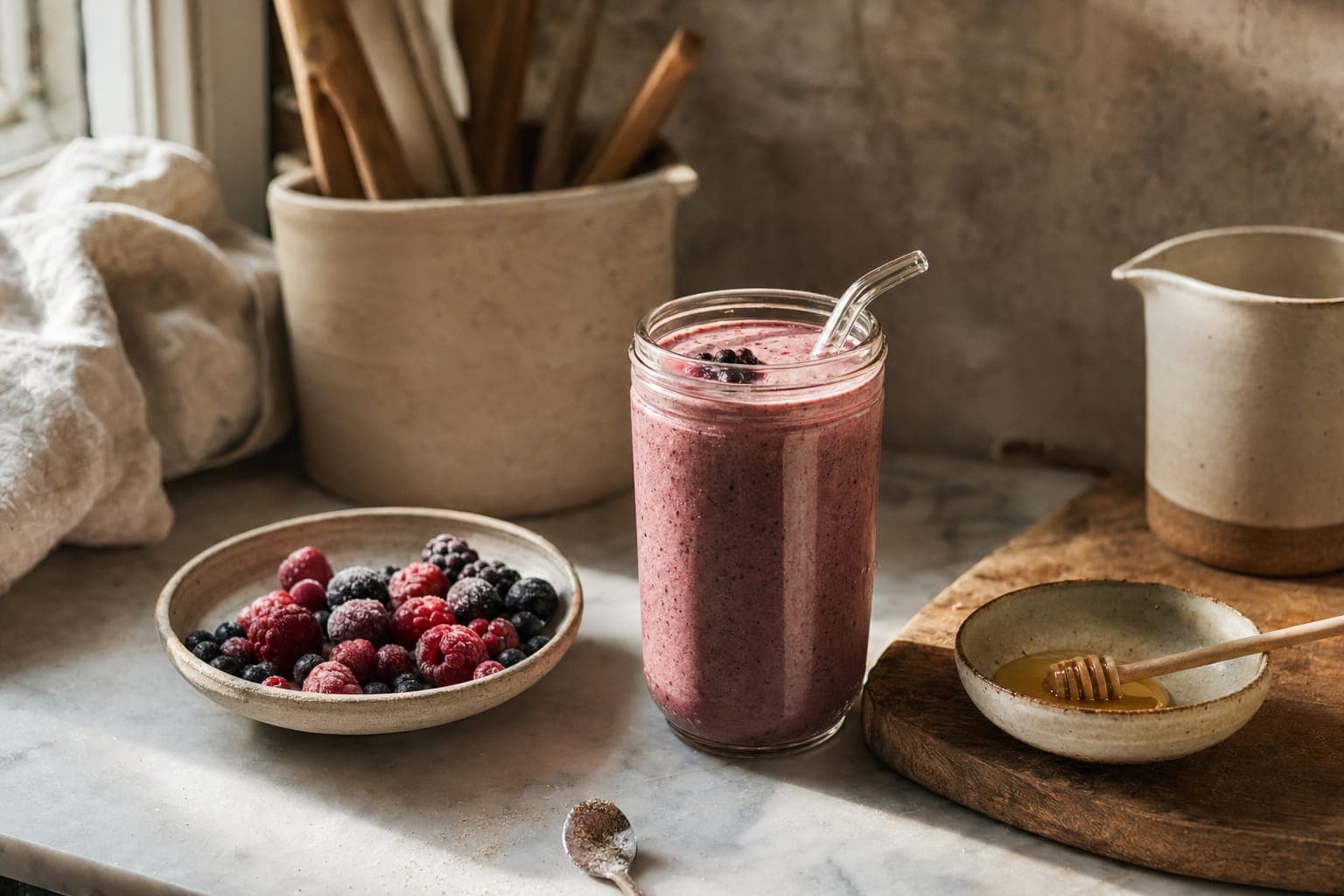
The Organised Recovery Smoothie for After Exercise
A recovery smoothie made with beef protein, raw milk, frozen berries, collagen, and honey. Optimal nutrition in the 30-minute window after exercise.
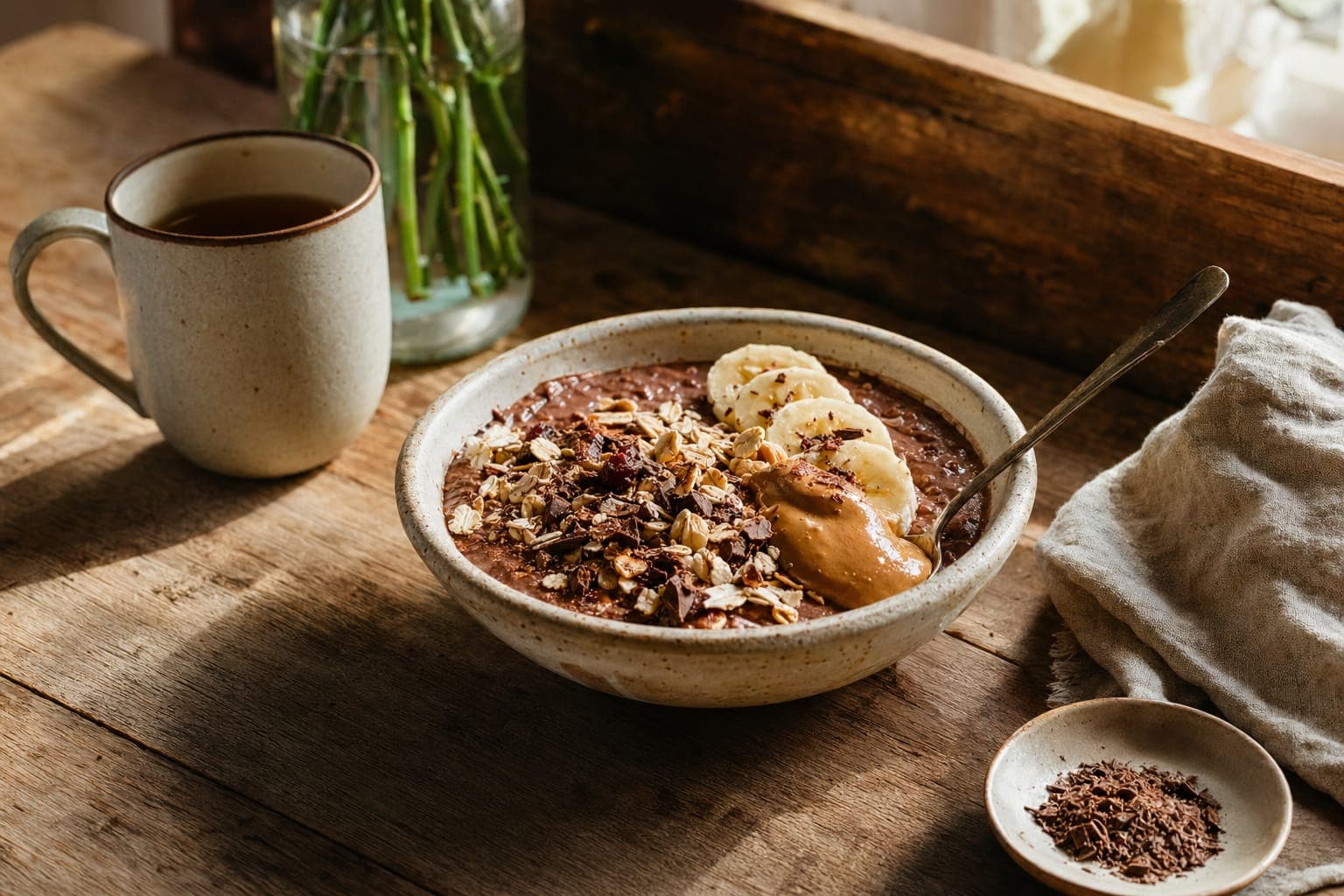
10 Ways to Use Organised That Aren't Just a Shake
Move beyond the basic shake. Discover 10 creative ways to use Organised in smoothie bowls, oats, yoghurt, baking, and more.


 Join over 100,000+ members
Build a better food system with us
The Organised community is thousands of people choosing real food and backing the farmers who grow it, all of us trying to leave the world a little better than we found it. If that is what you care about too, you belong here.