The Micronutrient Gap: Why Even 'Healthy' Diets Fall Short
You're eating well. You're buying organic. You're getting your vegetables, your whole grains, your lean protein. Your diet looks perfect on paper. You're hitting your fibre targets. You're eating the recommended servings of plant foods. But underneath, you're running on empty. Not empty of calories. Empty of micronutrients. This is the micronutrient gap: the gap between what you think you're consuming and what your body actually needs.
By Niall Kiddle, Founder, Organised

Reviewed by Pedro Rodrigues, Agronomist (farming and sourcing only) ·
6 min read · Published · Updated · 2 cited sources
Makers of the Organised Daily blend, a grass-fed beef organ supplement from regenerative UK farms
And it's far wider than most people realise.

Why modern diets fail to deliver micronutrients
The problem isn't personal. It's structural. Modern agriculture is optimised for calorie production and shelf-life, not nutrient density. Crops are selected for yield, appearance, pest resistance, and their ability to sit in storage without browning, not for mineral content. Fertiliser regimens focus on nitrogen, phosphorus, and potassium because these drive growth and yield. But they completely neglect the full spectrum of trace minerals that build real nutritional value.
A person eating a varied diet of modern plant foods can still be deficient in magnesium, zinc, selenium, and iron. They can hit their fibre targets and their vitamin C targets and still be chronically short of boron, manganese, molybdenum, and chromium. The recommended daily allowances (RDAs) for micronutrients were established decades ago and are based on preventing deficiency disease, not optimising health and function.
There's a crucial difference between the amount of a nutrient you need to prevent scurvy (gross deficiency disease) and the amount you need to optimise collagen synthesis, immune function, and metabolic resilience. The RDA for vitamin C is 90 mg daily to prevent scurvy. But research suggests optimal intake is several times higher when you're under stress, fighting infection, or trying to heal tissue. The RDA doesn't capture what actual health requires.
Soil depletion and agricultural intensity
Soil is where nutritional value starts. Mineral-rich soil grows mineral-rich plants. But soil depletion is rampant across developed agriculture. A century of continuous cropping, intensive tilling without replenishment, and reliance on synthetic fertilisers has stripped most agricultural soils of their mineral reserves. Particularly micronutrients. A carrot grown in depleted soil contains a fraction of the minerals it did in 1950.
Davis and colleagues (2004) compared USDA food composition data from 1950 and 1999 for 43 fruits and vegetables and reported reliable declines in protein, calcium, phosphorus, iron, riboflavin and ascorbic acid, with the size of declines depending on the nutrient.1
Pasture-raised meat is better from a nutrient standpoint, but even that depends on the mineral content of the pasture. A cow eating depleted grass produces milk and meat lower in minerals than a cow eating mineral-rich pasture. Geography matters. Water mineral content matters. Feed supplementation matters. Grass-fed on mineral-rich pasture is nutritionally superior to grass-fed on depleted pasture.
Soil mineral depletion means modern produce contains a fraction of the minerals your ancestors' food did, even if it looks identical and is grown with equal care.

Processing losses and food storage
Processing destroys micronutrients. Milling grain removes the bran and germ, stripping out the majority of B vitamins, magnesium, and zinc. The flour is then 'enriched' with synthetic nutrients, but this enrichment captures only a handful of the missing compounds and in forms less bioavailable than the originals. You're replacing 20+ micronutrients with 4 synthetic versions, calling it enriched, and acting like the nutrition is equivalent.
Storage depletes micronutrients further. The longer a vegetable sits in a warehouse or on a supermarket shelf, the more its vitamin content declines. Lettuce loses 50% of its folate within a week of harvest. Root vegetables fare better but still lose measurable nutrients month by month. Broccoli loses 50% of its vitamin C within a week of purchase. Carrots lose minerals slowly but measurably.
A frozen vegetable, picked at peak ripeness and frozen within hours, often contains more nutrients than a fresh vegetable that's been in transit and storage for a week. But neither compares to a vegetable eaten within hours of harvest from mineral-rich soil. The nutritional gap is vast.
The absorbable micronutrient gap
Phytic acid in grains and legumes can bind divalent minerals (iron, zinc, calcium, magnesium) and reduce their absorption. Oxalates in plants such as spinach similarly inhibit calcium and iron uptake.2
You can eat 100 grams of spinach and absorb a fraction of the iron it contains because oxalates are interfering with absorption. You can eat an abundance of wholegrains and get far less usable zinc than the nutrient table suggests because phytic acid is interfering. Your digestive health, stomach acid production, and intestinal permeability all influence how much of the minerals you eat actually get absorbed and utilised.
If your gut is compromised, if your stomach acid is low, if you're chronically stressed (which impairs mineral absorption), you're absorbing even less than the already-diminished amount your food contains. A healthy person might absorb 30% of the iron in spinach. Someone with low stomach acid might absorb 5%.
The micronutrient gap isn't just about food content. It's about soil depletion, processing, storage, and your individual ability to absorb and utilise what you're eating.
Get the science, plainly, free
Two short reads a week on what the research actually says about nutrition.
By signing up you agree to receive emails from us. No spam, unsubscribe anytime.
Which foods close the gap most effectively
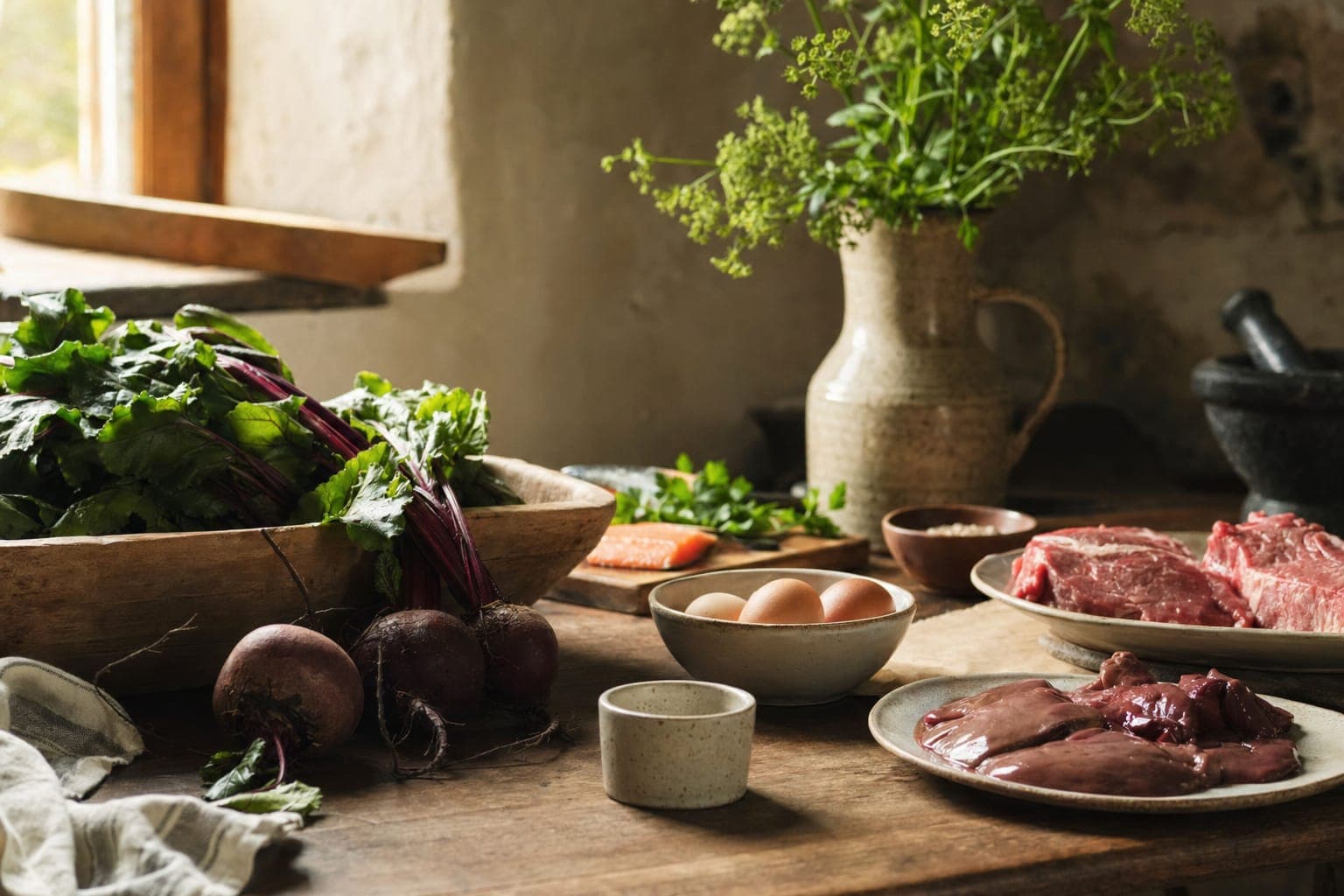
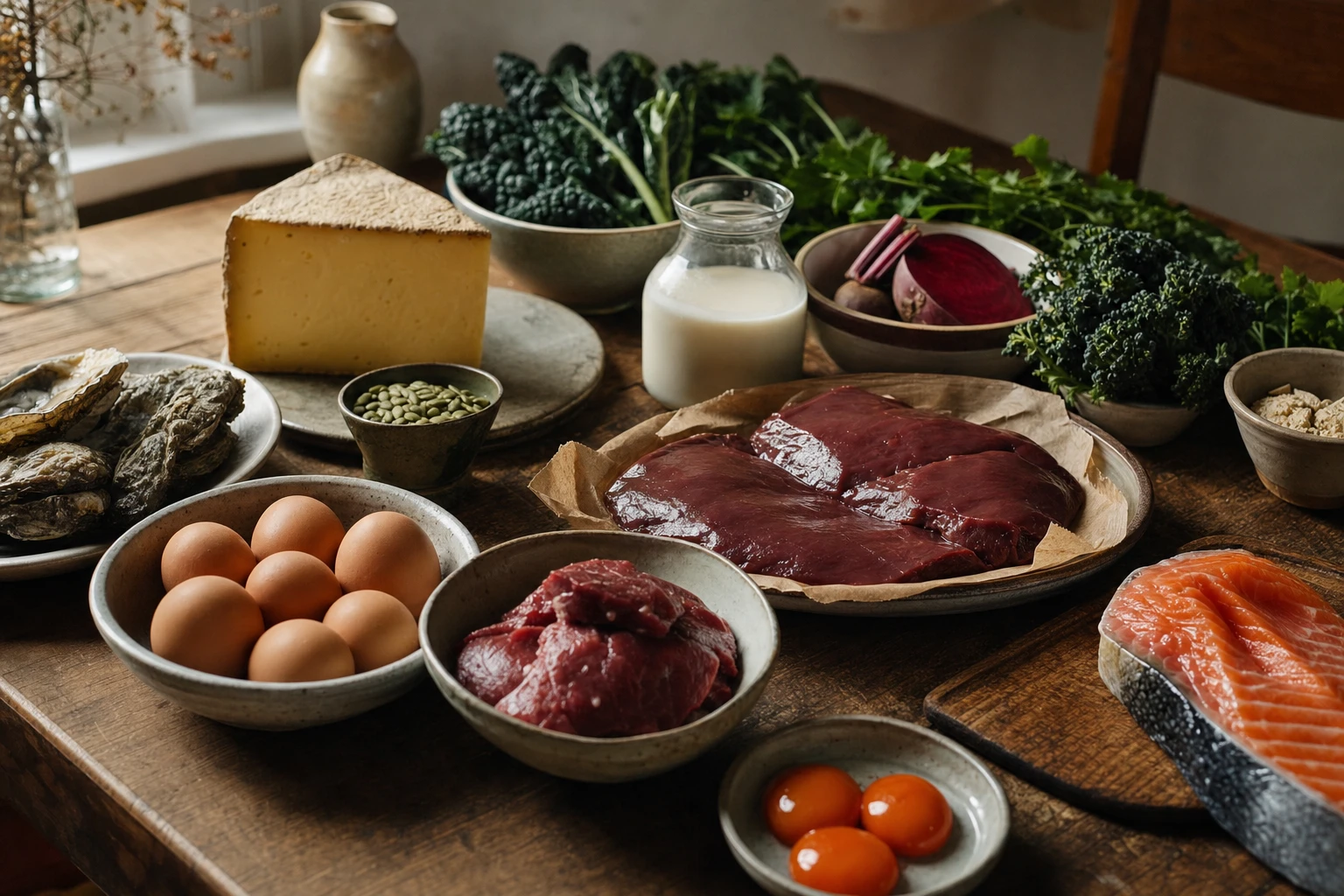
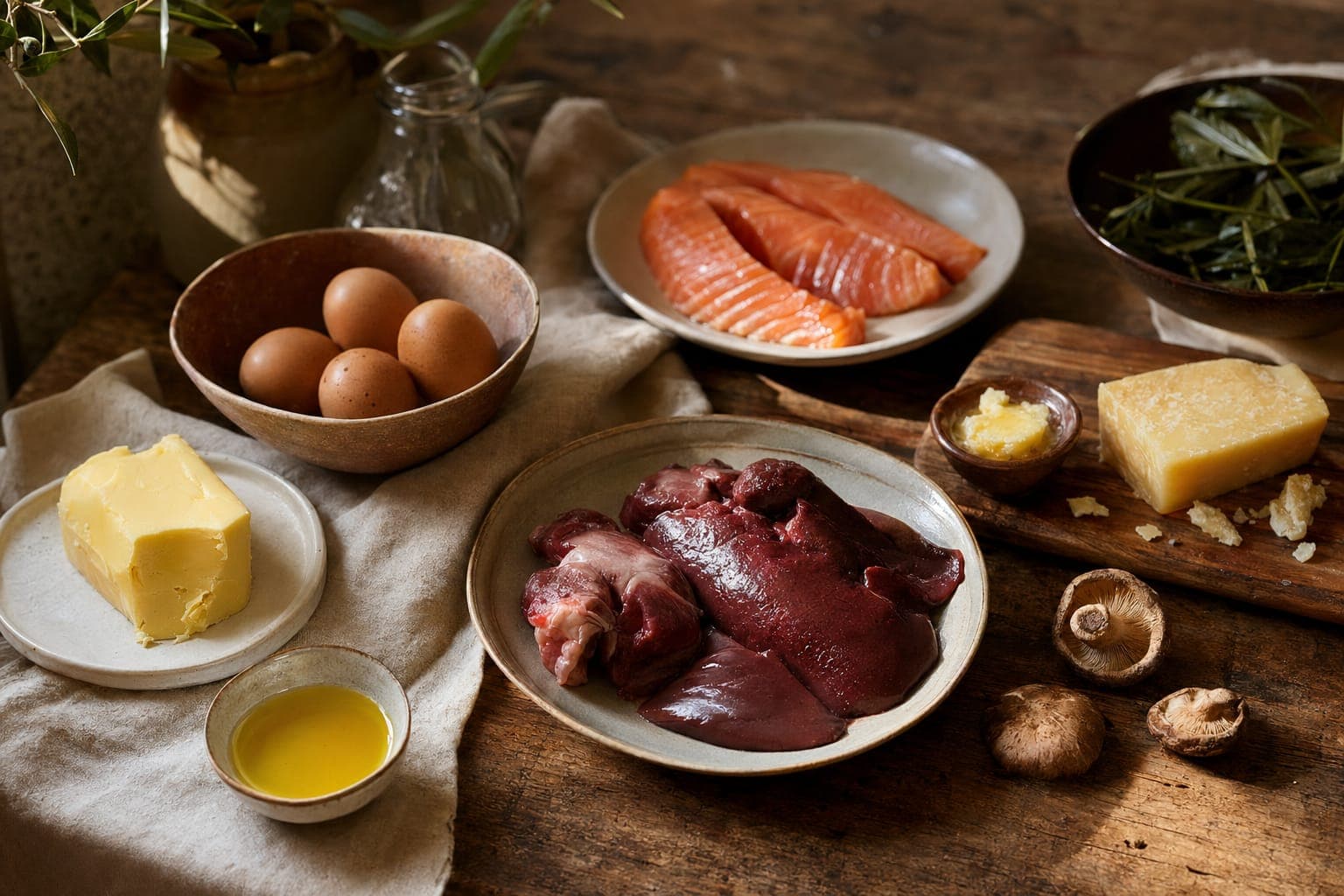
Organ meats are the most micronutrient-dense foods on the planet. A single serving of liver provides more bioavailable minerals than kilograms of vegetables. This isn't marketing hyperbole. It's measurable and documentable. Liver is rich in iron, zinc, selenium, copper, and B vitamins in forms your body absorbs readily. There's no phytic acid. No oxalates. No processing losses.
A 100-gram serving of beef liver contains roughly 5 mg of iron, 7 mg of zinc, and 70 micrograms of selenium. Compared to spinach (which has phytates interfering with absorption), to chicken breast (which has minimal minerals), or to any common plant food. The nutrient density is incomparable.
Other animal products come next. Fish provides selenium, iodine, and omega-3 fatty acids in high concentration. Eggs provide choline, lutein, and complete amino acids in bioavailable forms. Shellfish provide zinc, copper, and selenium. Bone broth provides collagen, glycine, and minerals leached from bones.
A diet that includes regular organ meats and other animal foods closes the micronutrient gap far more effectively than a diet relying primarily on plants, however carefully planned. The scale of the gap is such that relying on plants alone, even diverse, organic plants, leaves most people deficient in several key minerals. Adding animal foods, particularly organs, is the most efficient solution.

1 of 9
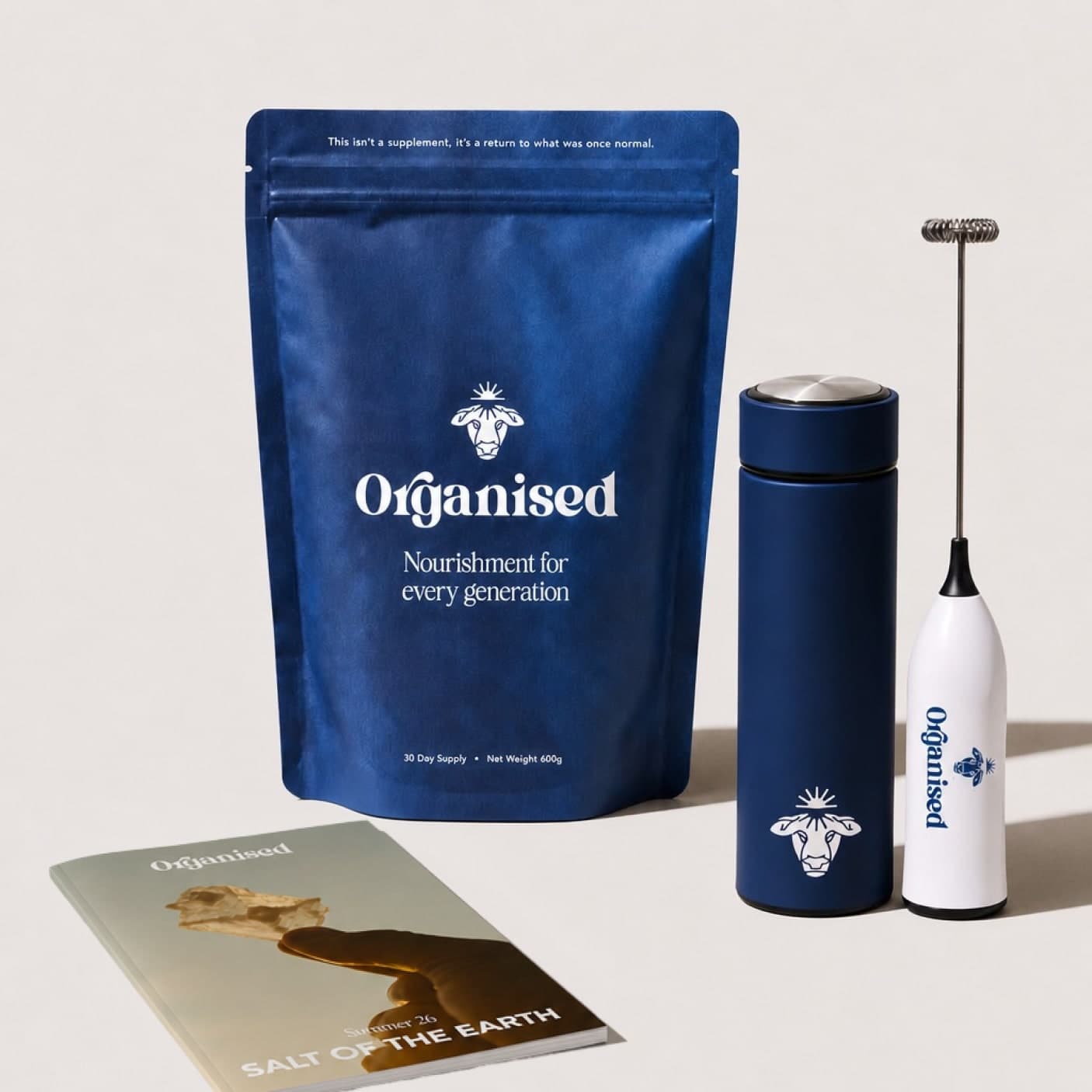
Daily blend
100,000+ thriving families4.9 on Trustpilot
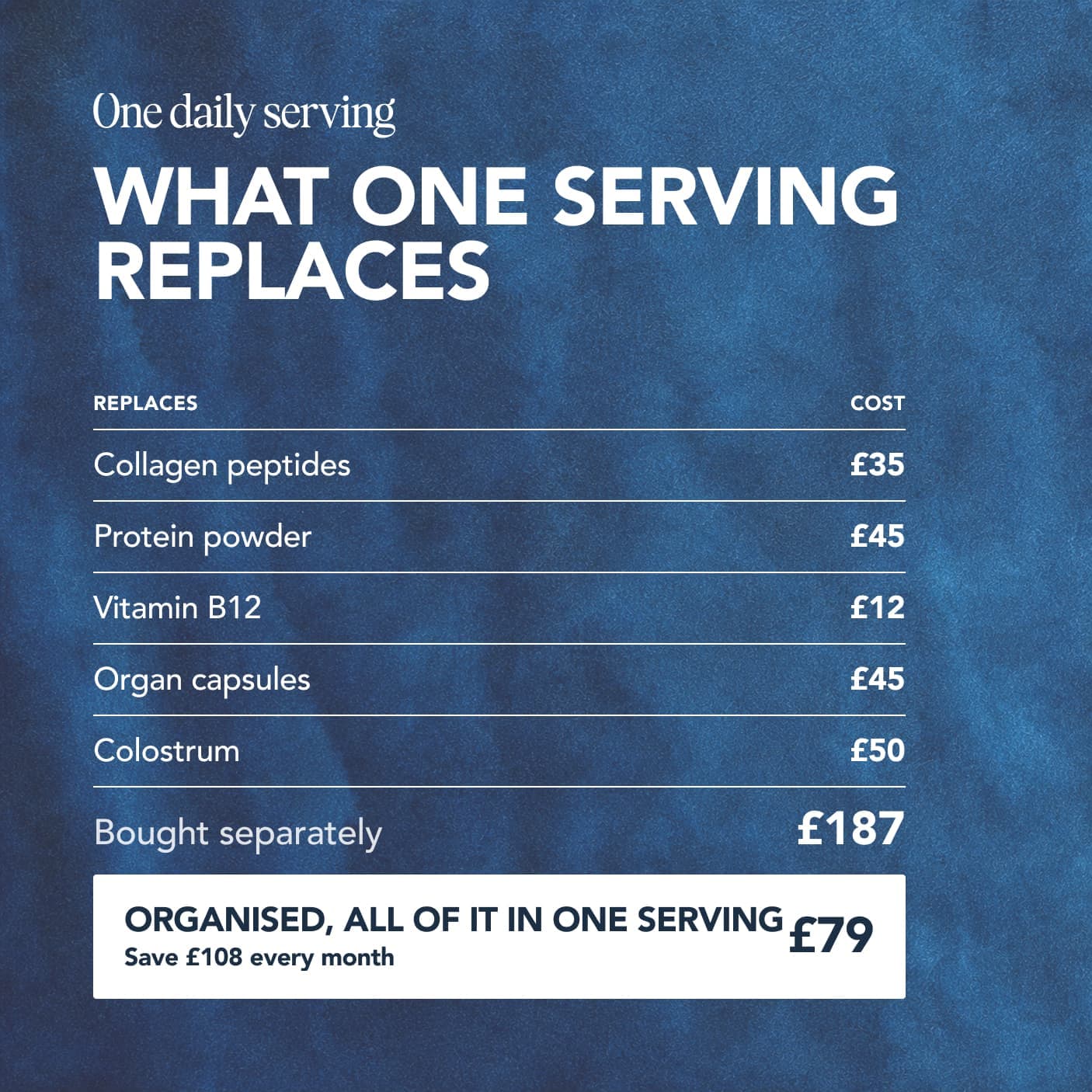
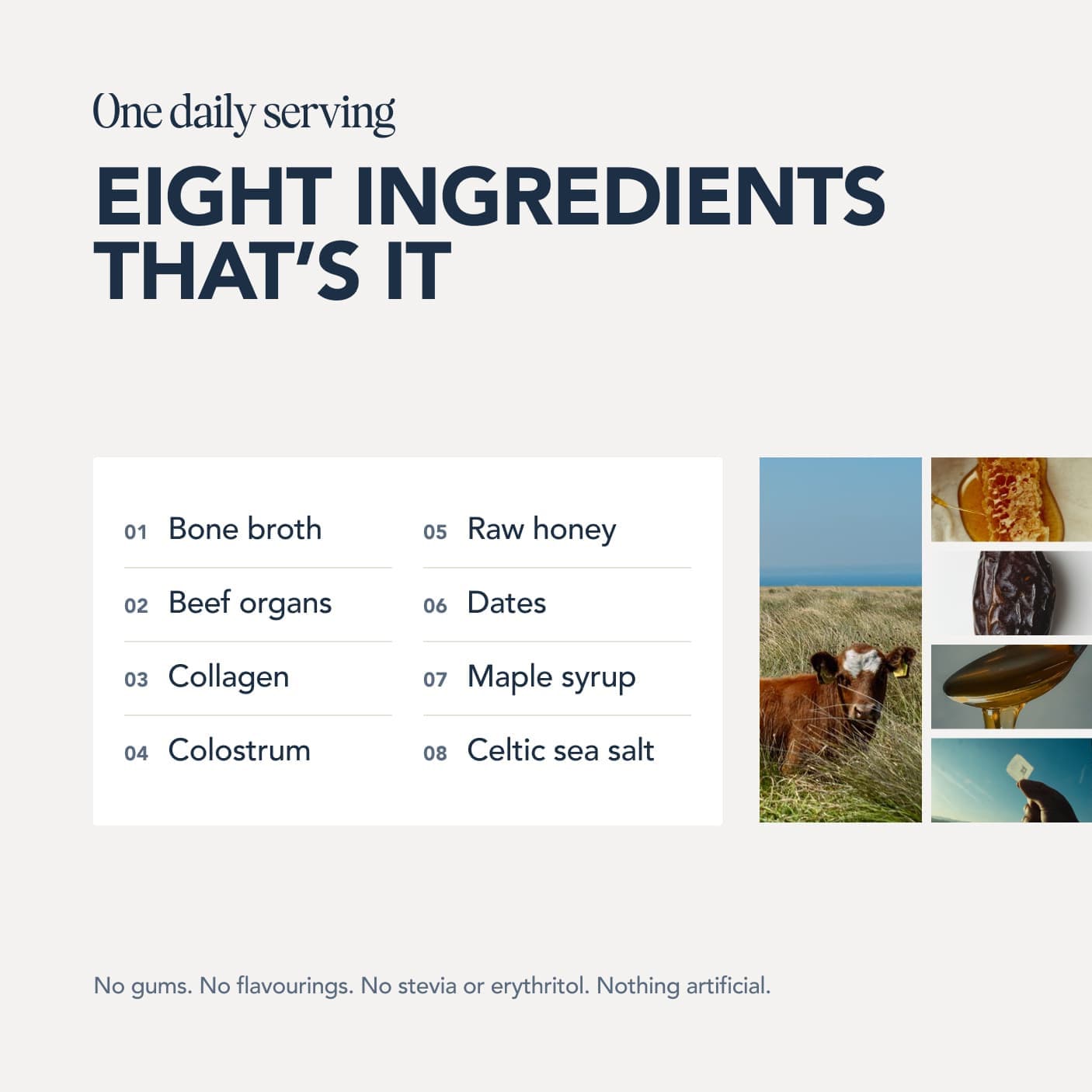
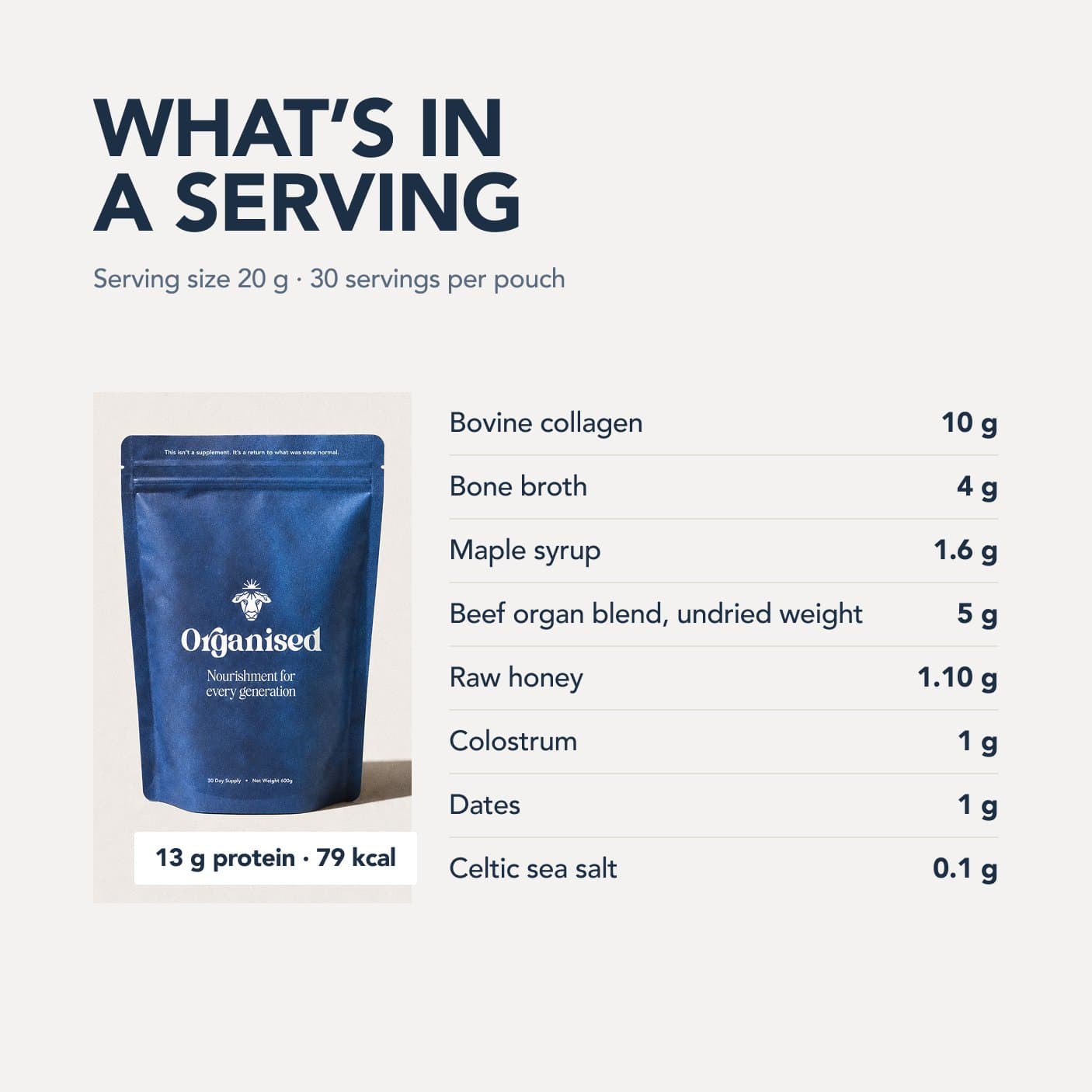
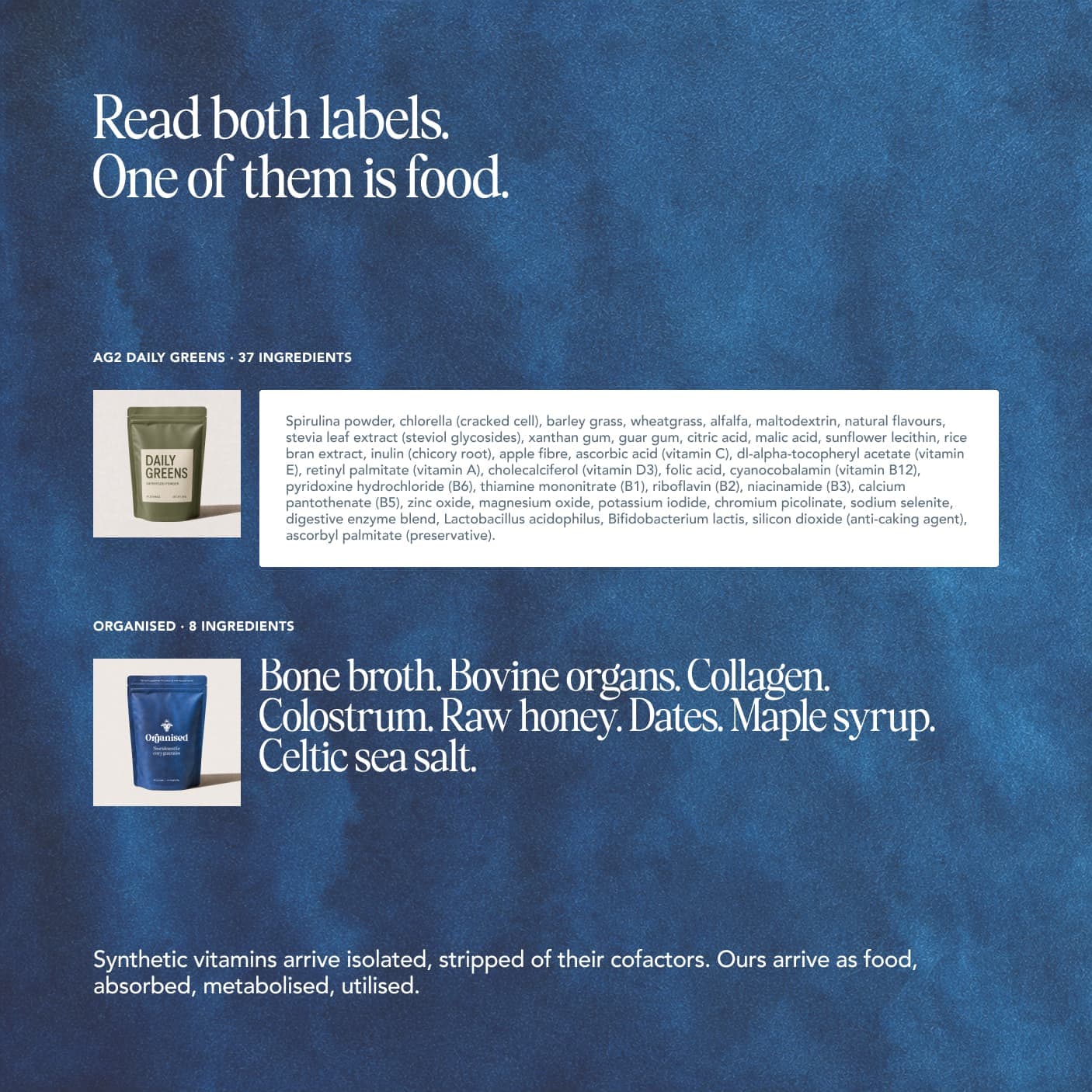
Eight real ingredients built around grass-fed beef organs, collagen and colostrum. Nothing synthetic added.
Free with your first order, worth £38. Plus £10 off the pouch with a subscription.
Free UK shipping · Made in England · 100 day money back guarantee on your first pouch · Skip, pause or cancel anytime
Realistic expectations for nutrient sufficiency
Perfect nutrient sufficiency from modern food is genuinely difficult to achieve without deliberate choice. The soil is depleted. The supply chain strips nutrients. Your absorption isn't perfect. Add stress, illness, or poor sleep, and your micronutrient needs skyrocket whilst your absorption capability declines. Modern life demands more minerals and nutrients than modern food easily provides.
The realistic approach: eat the most nutrient-dense foods available. Prioritise organ meats, fish, eggs, and shellfish. Include diverse vegetables and fruits in season, but don't expect them to close the gap alone. Consider targeted mineral supplementation if testing shows you're deficient. Get your soil tested if you grow your own food. Rotate your foods rather than eating the same vegetables repeatedly, as this helps you avoid accumulating anti-nutrients from specific plants.
Be aware that even with deliberate effort, you're likely running somewhat short on several minerals that your ancestors, eating from mineral-rich soil, were abundant in. This isn't a character flaw or a sign that whole foods don't work. It's a structural reality of industrial agriculture.
This isn't cause for panic or despair. It's cause for clarity and action. You're not broken. Your food system is. Once you understand the gap, you can make choices that account for it and protect your health accordingly.
References
Every source below was checked on 27 August 2026. Each PubMed, PMC and DOI identifier was resolved against NCBI or Crossref, and what it opens is printed under the citation, so you can see the link goes where the citation says without leaving the page. Where a citation and its identifier disagreed, the citation was corrected to the record or the reference was deleted along with the sentence marker that pointed at it, and where the resolved paper turned out not to support the sentence, the sentence was cut back to what it does support. Borrowed authority is worse than none, because it looks like rigour.
- Davis DR, Epp MD, Riordan HD. Changes in USDA Food Composition Data for 43 Garden Crops, 1950 to 1999. J Am Coll Nutr. 2004. https://pubmed.ncbi.nlm.nih.gov/15637215/Checked 27 August 2026: PMID 15637215 opens Davis DR, Epp MD, Riordan HD, Changes in USDA food composition data for 43 garden crops, 1950 to 1999. J Am Coll Nutr 2004;23(6):669-82. PubMed indexes it as: Comparative Study.
- National Institutes of Health, Office of Dietary Supplements. Iron — Health Professional Fact Sheet. https://ods.od.nih.gov/factsheets/Iron-HealthProfessional/
Who wrote and reviewed this guide
Niall Kiddle
Author · Founder, Organised
Niall is the founder of Organised. He started the company in 2024 after fixing his own health the slow way: in 2022 he swapped a cupboard of synthetic supplements for real food, raw milk, organ meats, bone broth and honey, and felt the difference within months.
Areas of expertise: Ancestral nutrition, Organ meats, Whole-food supplementation, Gut health, Regenerative sourcing
Read Niall's full profile
Pedro Rodrigues
Reviewer · Agronomist (farming and sourcing only)
Pedro is the agronomist Organised works with on farming and sourcing. His job on the guides is to keep the science honest: he reviews what we publish about soil health, regenerative agriculture, grazing and the way food is actually produced.
Areas of expertise: Regenerative agriculture, Agronomy, Soil health, Grass-fed farming, Food sourcing
Reviewed this guide on
Read Pedro's full profileMore on nutritional science
View all- 6 Mineral Deficiencies You Probably Have Without Realising
- Glutathione: Your Body's Master Antioxidant
- Methylation: What It Is and Why It Matters
- The Difference Between Heme and Non-Heme Iron (And Why It Matters)
- The Role of Fat-Soluble Vitamins: A, D, E and K
- Understanding Your Blood Work: A Nutritional Perspective
- What Is Oxidative Stress and How Does Nutrition Help?
- Why Nutrient Density Should Replace Calorie Counting
Browse the guides library
All guidesKeep reading
Science
The Role of Fat-Soluble Vitamins: A, D, E and K
A clear guide to fat-soluble vitamins A, D, E and K2, how they work together, the best food sources and why organ meats are the richest source of them all.
Science
Is Collagen Just Expensive Protein? What the Science Says
Collagen is not just protein. Its unique amino acid profile, rich in glycine and lacking tryptophan, makes it metabolically distinct.

Science
What Is Bioavailability and Why Does It Matter for Supplements?
What bioavailability means, why it matters for supplement effectiveness, and how it changes everything about your nutrition strategy.
Real food, made effortless
See the blendA few ways to use it
All recipes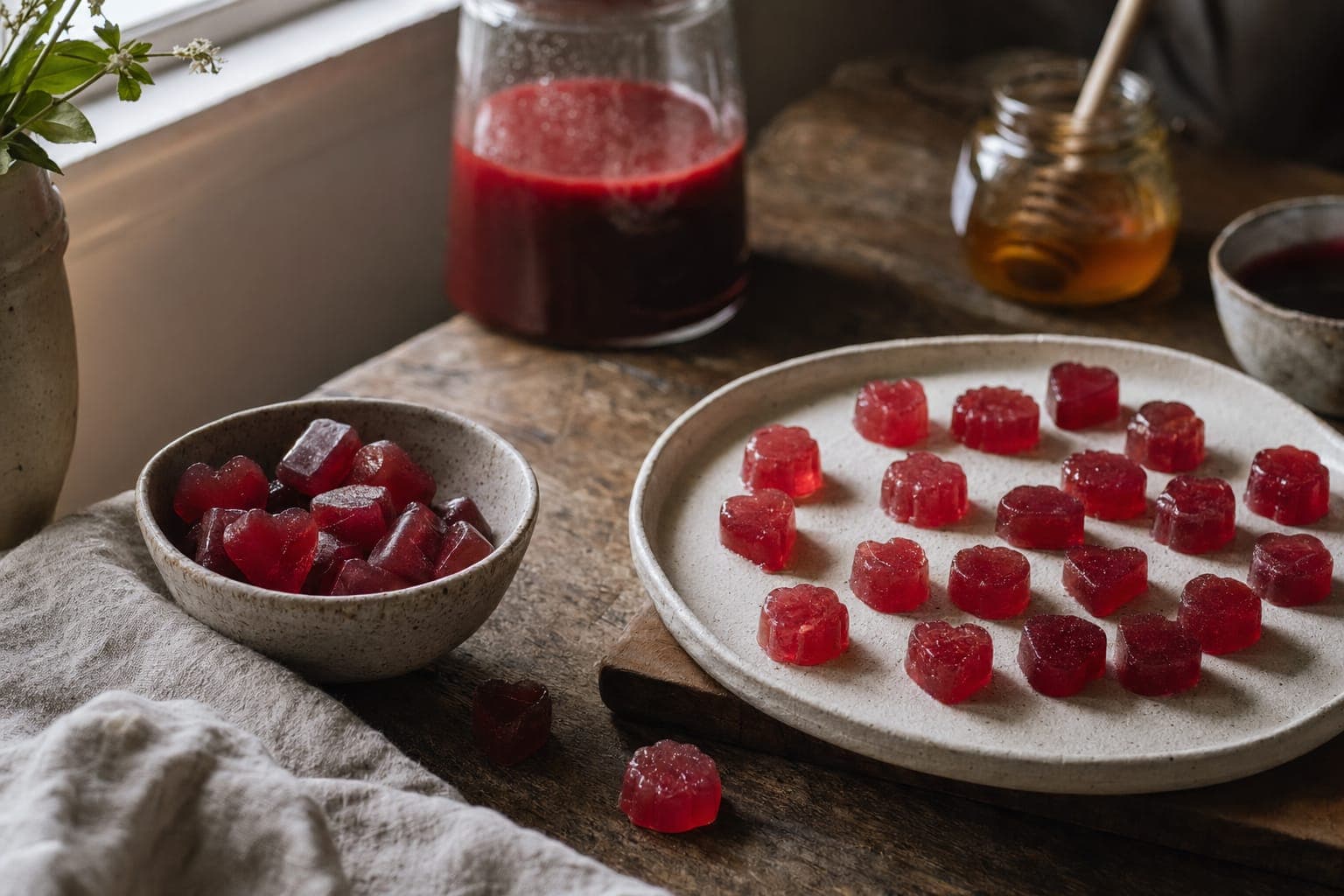
How to Make Your Own Gelatine Gummies
A simple recipe for homemade gelatine gummies using grass-fed gelatine, fresh juice, and raw honey. Better than shop-bought, kids love them.
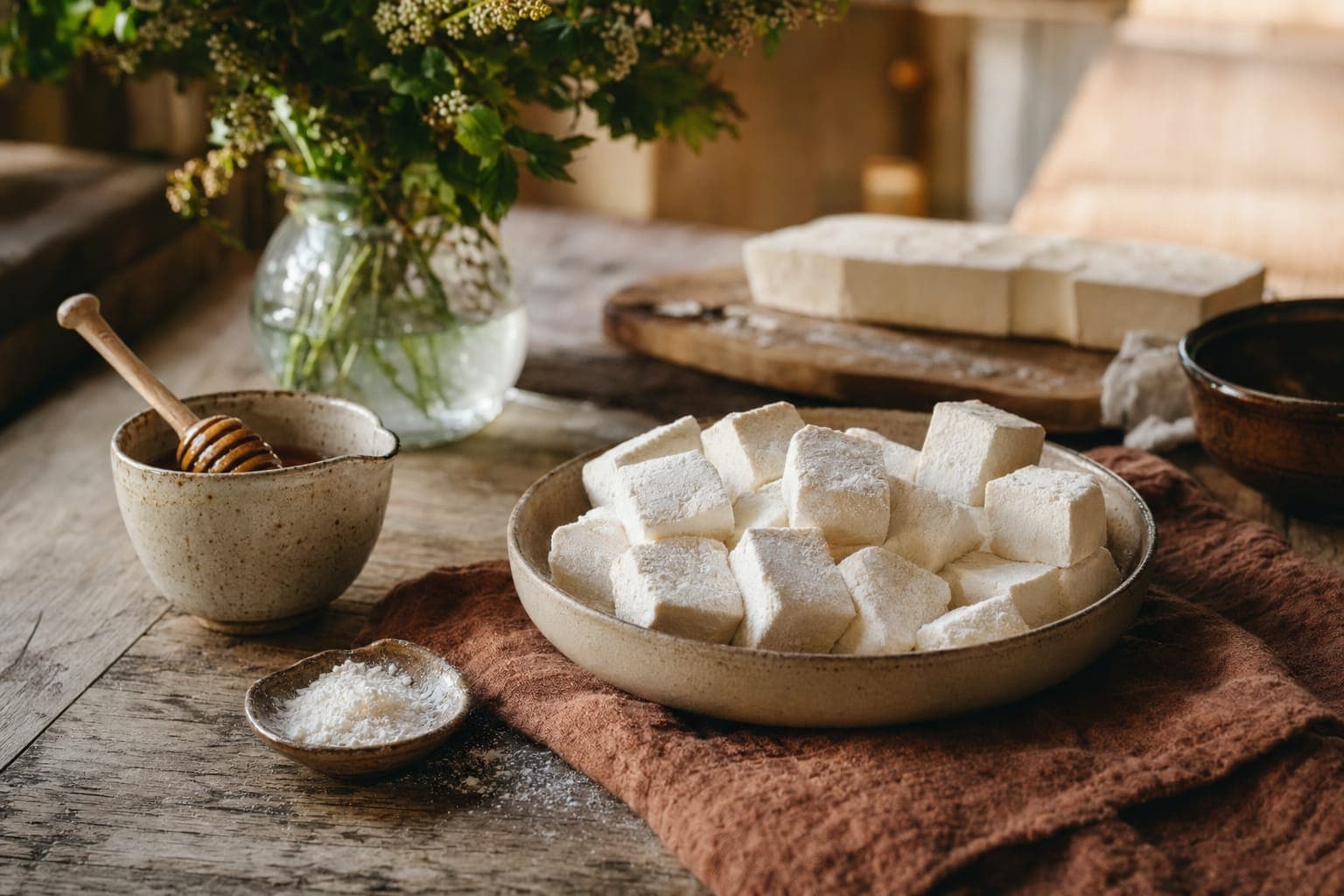
Gut-Healing Marshmallows with Collagen and Raw Honey
Learn to make gut-healing marshmallows with collagen and raw honey. A shareable treat that sneaks nutrition into every bite. Easy recipe with video tips.
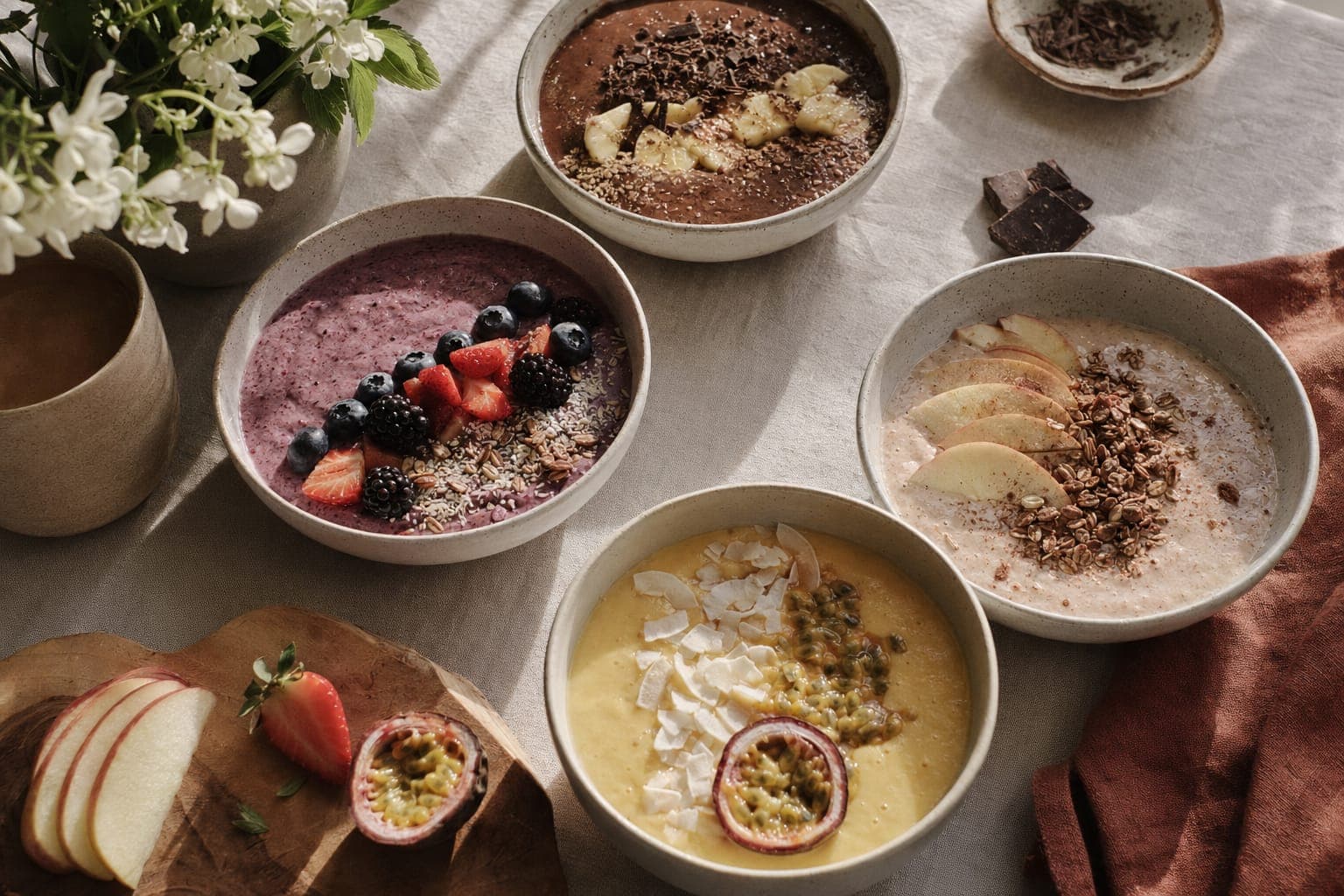
Organised Smoothie Bowl Recipes for Every Season
Four seasonal smoothie bowl recipes using Organised. Berry in summer, apple-cinnamon in autumn, tropical in spring, warming chocolate in winter.


 Join over 100,000+ members
Build a better food system with us
The Organised community is thousands of people choosing real food and backing the farmers who grow it, all of us trying to leave the world a little better than we found it. If that is what you care about too, you belong here.