How Your Gut Health Affects Nutrient Absorption
You can eat a perfectly nutrient-dense diet and still be malnourished if your gut can't absorb it. Gut health isn't just about digestion. It's about whether your body can actually use the nutrients you're consuming. Here's how the system works and what breaks it.
By Niall Kiddle, Founder, Organised

Reviewed by Pedro Rodrigues, Agronomist (farming and sourcing only) ·
6 min read · Published · Updated · 2 cited sources
Makers of the Organised Daily blend, a grass-fed beef organ supplement from regenerative UK farms

Most people focus on what they eat. Few focus on whether their gut can actually absorb it. This is why someone eating a seemingly healthy diet can still be deficient. The problem isn't the food. It's the absorption machinery.
The gut lining and nutrient absorption
Your small intestine is where nutrient absorption happens. The lining consists of millions of cells called enterocytes. These cells have a massive surface area, about the size of a tennis court, created by finger-like projections called villi and microvilli.1
Each enterocyte is a specialised absorption cell. On its inner surface, facing the intestinal lumen, are nutrient transporters, specific proteins whose job is to grab specific nutrients from your food and move them across the cell. On its outer surface, facing the bloodstream, are different transporters that move absorbed nutrients into the blood.
Nutrients are absorbed one at a time through these transporters. Some transporters are active, requiring energy. Some are passive, allowing nutrients to flow along concentration gradients. Each nutrient has specific transporters that recognise it.
The efficiency of this system depends on the health of the enterocytes themselves. If they're damaged, inflamed, or dysfunctional, absorption plummets.
How enterocytes absorb nutrients
For a nutrient to be absorbed, several things have to happen in sequence.
First, it has to survive the stomach and the acidic environment of the upper small intestine intact enough to be recognised.
Second, it has to encounter the correct transporter. If the nutrient is iron and the transporter recognises copper, nothing happens. The nutrient sits in the lumen and gets excreted.
Third, the cell has to have the energy (ATP) to actively transport the nutrient across, if that nutrient requires active transport. A malnourished, energy-depleted enterocyte can't do this effectively.
Fourth, the nutrient has to successfully cross the cell and exit on the bloodstream side through the appropriate exit transporter.
Any disruption in this chain reduces absorption. Damaged enterocytes, missing cofactors, competing nutrients, or dysfunctional transporters all lower how much nutrient actually gets into your circulation.
You can consume perfect nutrition and absorb none of it if your gut is damaged and dysfunctional. Healing the gut is often the most important nutrition intervention.
The role of tight junctions
Between enterocytes are structures called tight junctions. These are protein complexes that seal the spaces between cells, creating a barrier. Nutrients can only get through by going through enterocytes (the transcellular route), not between them.
This barrier serves a critical function: it prevents bacterial endotoxins, partially digested food proteins, and other large molecules from crossing into the bloodstream. It keeps the outside world, your intestinal contents, separate from your internal circulation.
When tight junctions become dysfunctional, a condition often called leaky gut, the barrier breaks down. Large molecules that shouldn't be absorbed leak through. This triggers inflammation and immune activation.
Paradoxically, when tight junctions are too loose, nutrient absorption actually decreases despite the increased permeability. The barrier that lets through endotoxins also loses its selective absorption capacity.
Tight junction integrity depends on several factors: adequate zinc, vitamin A, glutamine, and a healthy microbiome. These are cofactors and nutrients that the tight junction cells need to remain sealed and selective.
Intestinal permeability and nutrient loss
Increased intestinal permeability causes inflammation, which triggers increased intestinal cell turnover. Your gut lining replaces itself every 3 to 5 days normally. Inflammation accelerates this to every 1 to 2 days.
The problem: new enterocytes are immature. They don't have the full complement of nutrient transporters. A newly formed enterocyte has maybe 30% of the absorption capacity of a mature one.
So not only does inflammation cause nutrient loss through the barrier, it also reduces the absorption capacity of existing cells. The result: massive nutrient loss despite adequate dietary intake.
This is why people with inflammatory bowel disease, coeliac disease, or chronic inflammation are almost always malnourished, even when eating well. Their gut is constantly damaged and cycling through immature cells that can't absorb properly.

The microbiome's role
Your gut bacteria influence nutrient absorption in multiple ways.
First, they produce short-chain fatty acids: butyrate, propionate, acetate. These are the primary fuel for enterocytes. Without a healthy microbiome, your intestinal lining cells are literally starving for energy, and absorption suffers.
Second, they produce vitamins. Your microbiome synthesises B vitamins and vitamin K, which you absorb. A compromised microbiome means you lose this endogenous nutrient production.
Third, they maintain the gut barrier. Specific bacterial species produce compounds that strengthen tight junctions. Dysbiosis means these protective compounds are missing.
Fourth, they prevent pathogenic overgrowth. A healthy microbiome crowds out harmful bacteria and fungi that would damage the gut lining.
The foods you eat directly shape your microbiome. Processed foods, sugar, and seed oils feed pathogenic bacteria. Whole foods, fermented foods, and fibre feed beneficial bacteria.
Get the science, plainly, free
Two short reads a week on what the research actually says about nutrition.
By signing up you agree to receive emails from us. No spam, unsubscribe anytime.
Stomach acid and digestive enzymes
Before nutrients even reach your small intestine, they have to survive the stomach. Stomach acid is critical for breaking down proteins into smaller peptides and for releasing certain minerals from food matrices.
Many people, particularly as they age, have inadequate stomach acid production. This reduces nutrient breakdown and increases the likelihood of undigested proteins reaching the small intestine, where they can trigger immune responses.
Additionally, stomach acid kills pathogenic bacteria, preventing overgrowth that would damage the small intestine. Low stomach acid increases the risk of dysbiosis and intestinal permeability.
Digestive enzymes, produced by the pancreas and small intestine, are equally critical. These break down proteins, fats, and carbohydrates into forms your absorption machinery can handle. Without adequate enzymes, malabsorption occurs even with a healthy gut lining.
Bile acids and fat-soluble nutrient absorption
Fat-soluble vitamins (A, D, E, K) require bile acids to be absorbed. Bile acids are produced by your liver and stored in your gallbladder. They emulsify fat, breaking it into smaller droplets that your digestive enzymes can work on.
If you're not producing adequate bile, or if your bile isn't being reabsorbed properly due to dysbiosis or gut damage, fat-soluble vitamin absorption plummets.
Additionally, if you're eating a very low-fat diet, you're not triggering sufficient bile release. Paradoxically, adequate fat intake is necessary for fat-soluble vitamin absorption. This is why vitamins A, D, E, and K are best consumed with fat-containing foods.

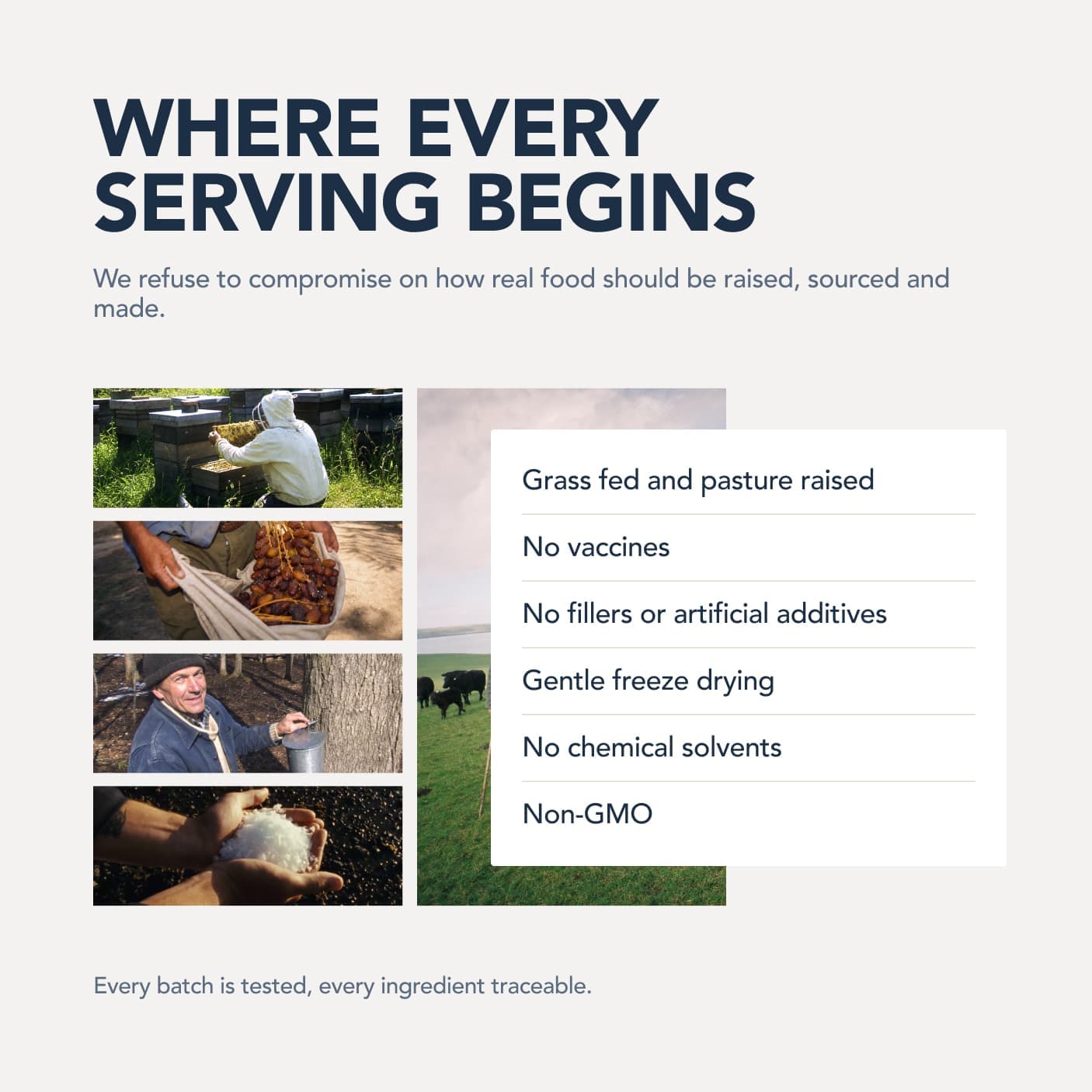
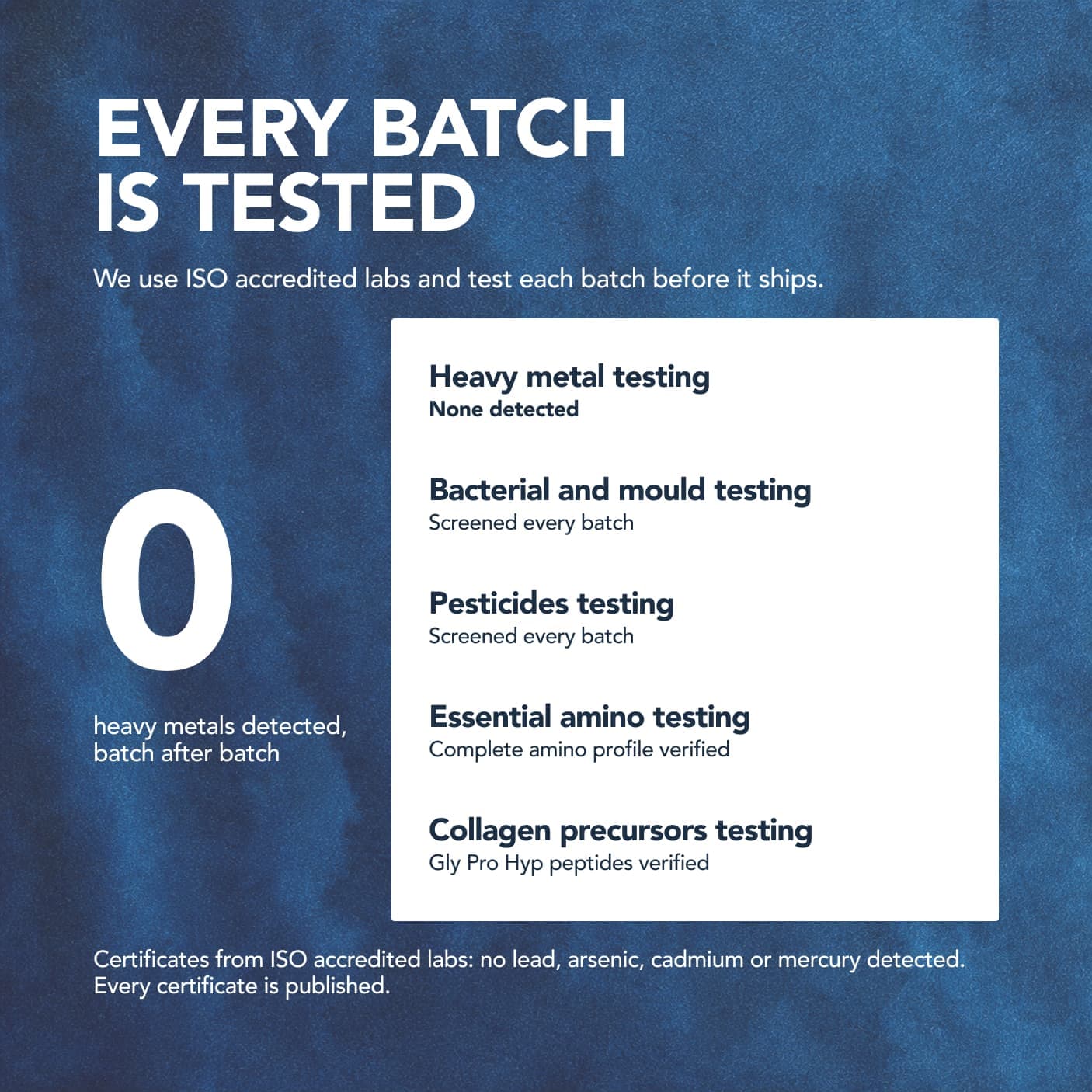
1 of 9
Daily blend
100,000+ thriving families4.9 on Trustpilot
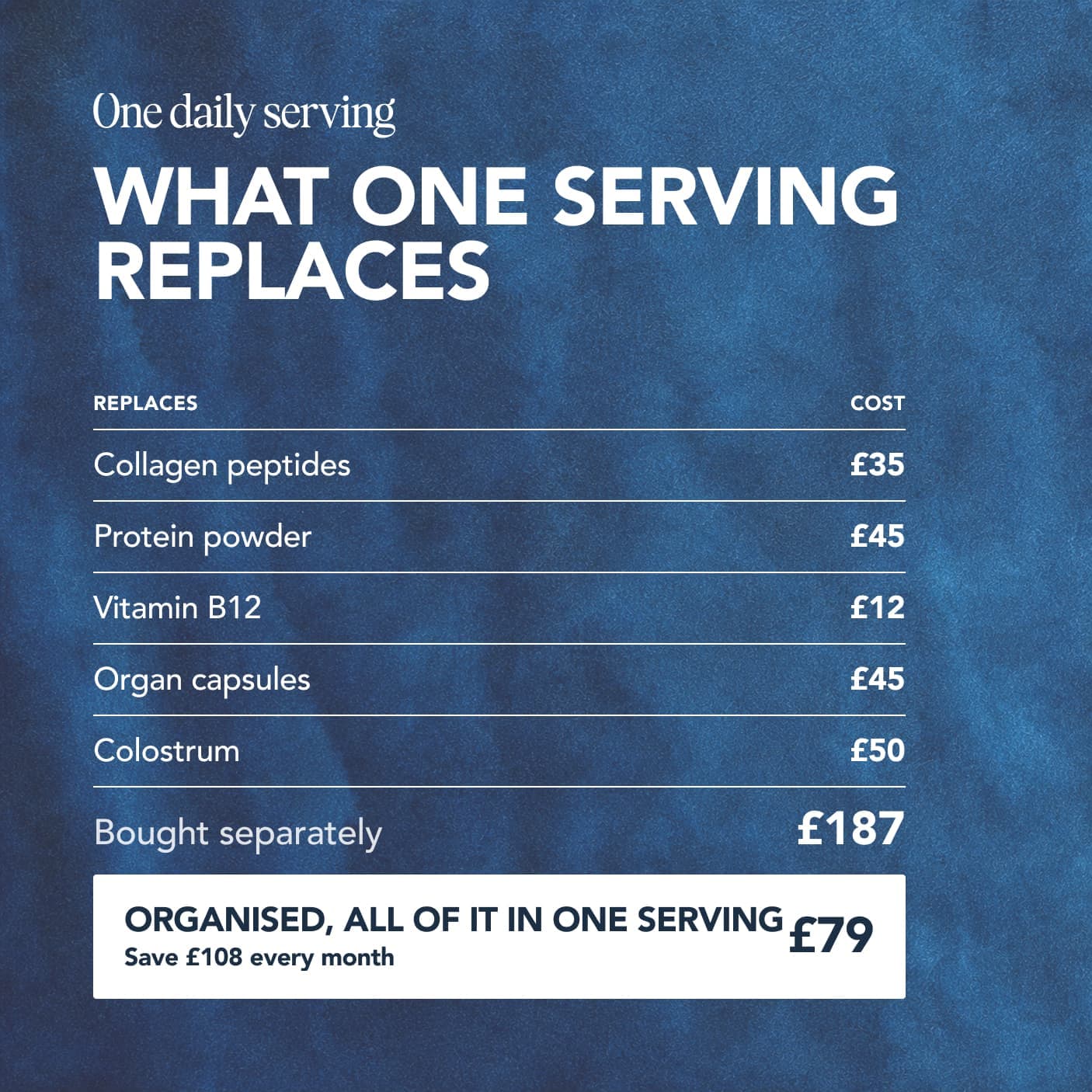
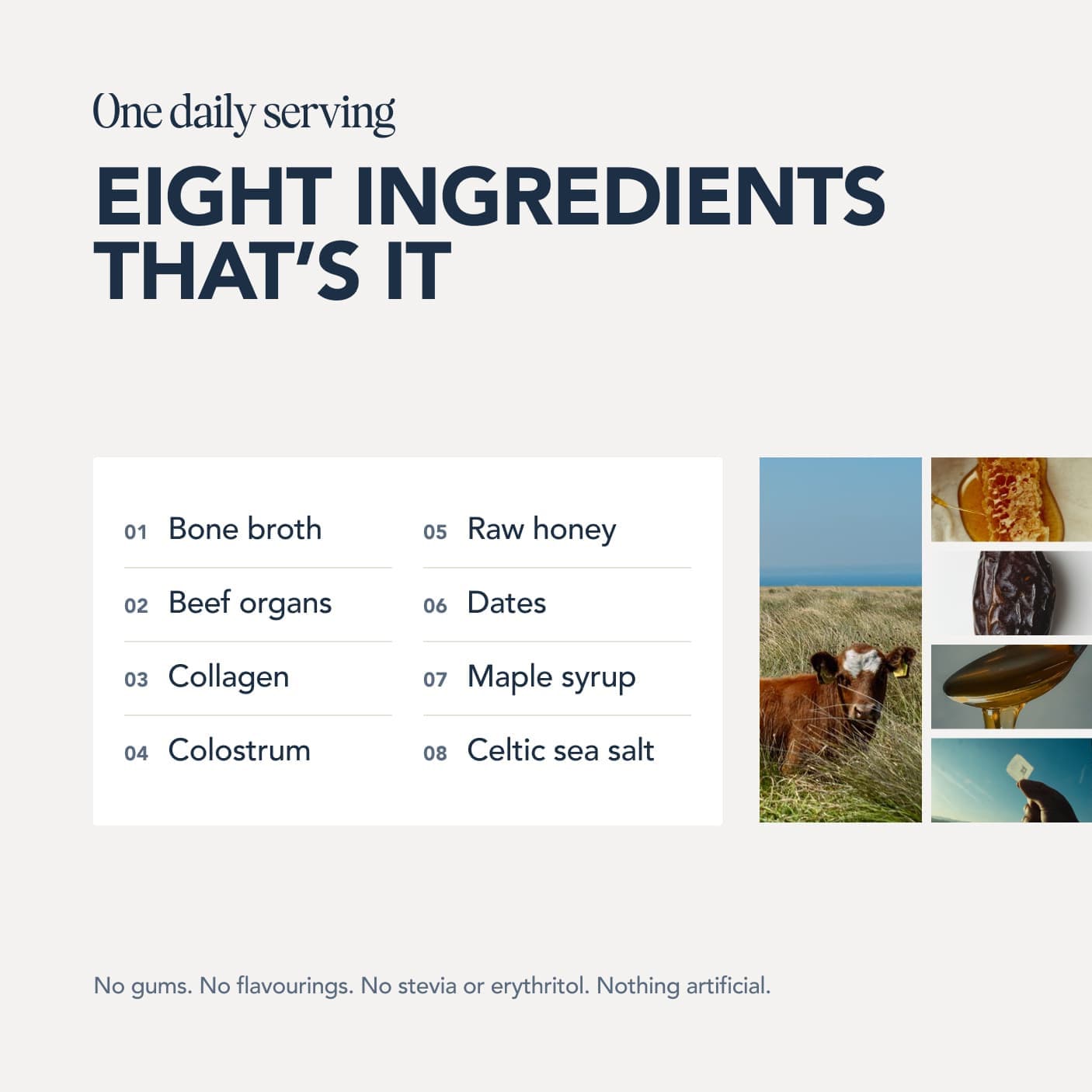
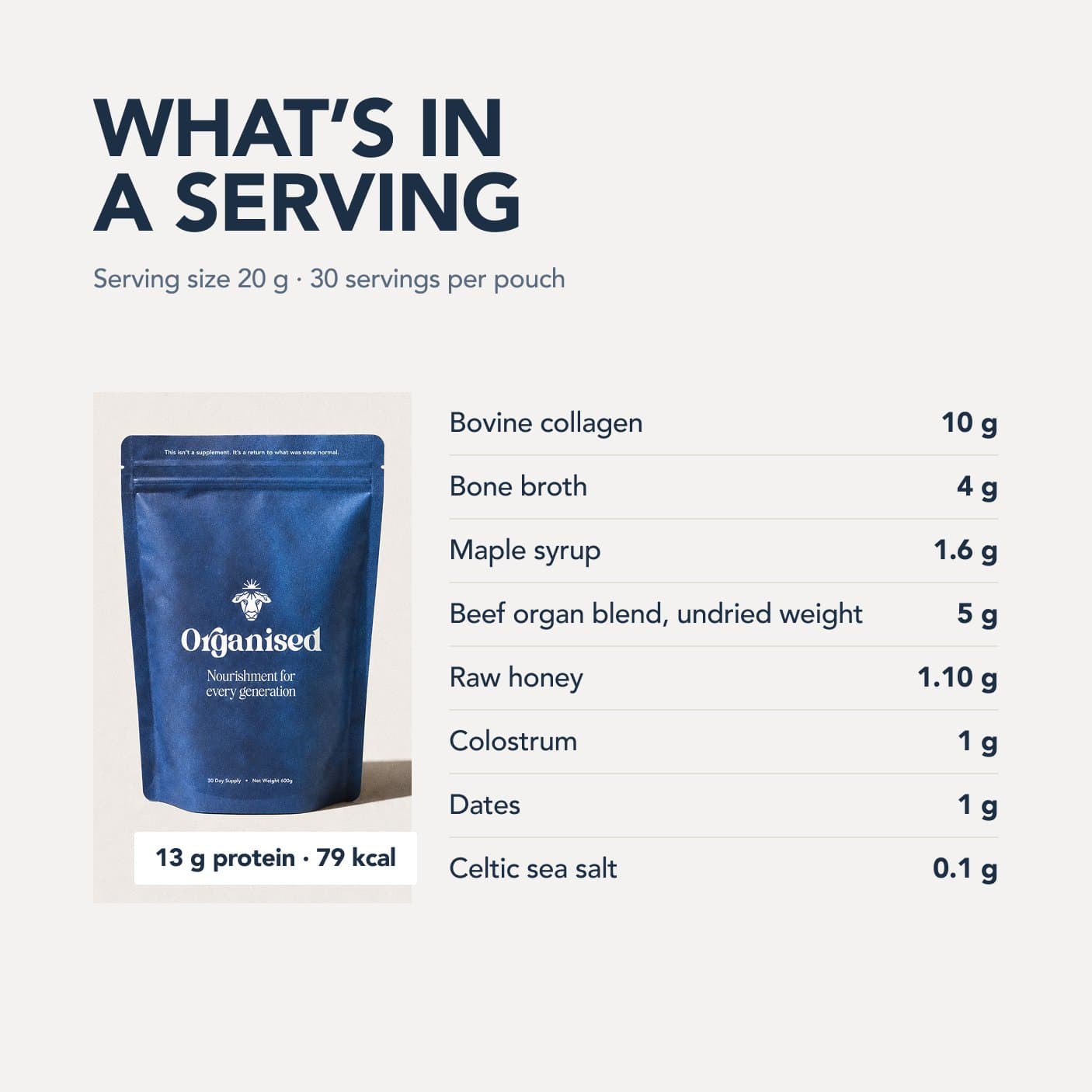
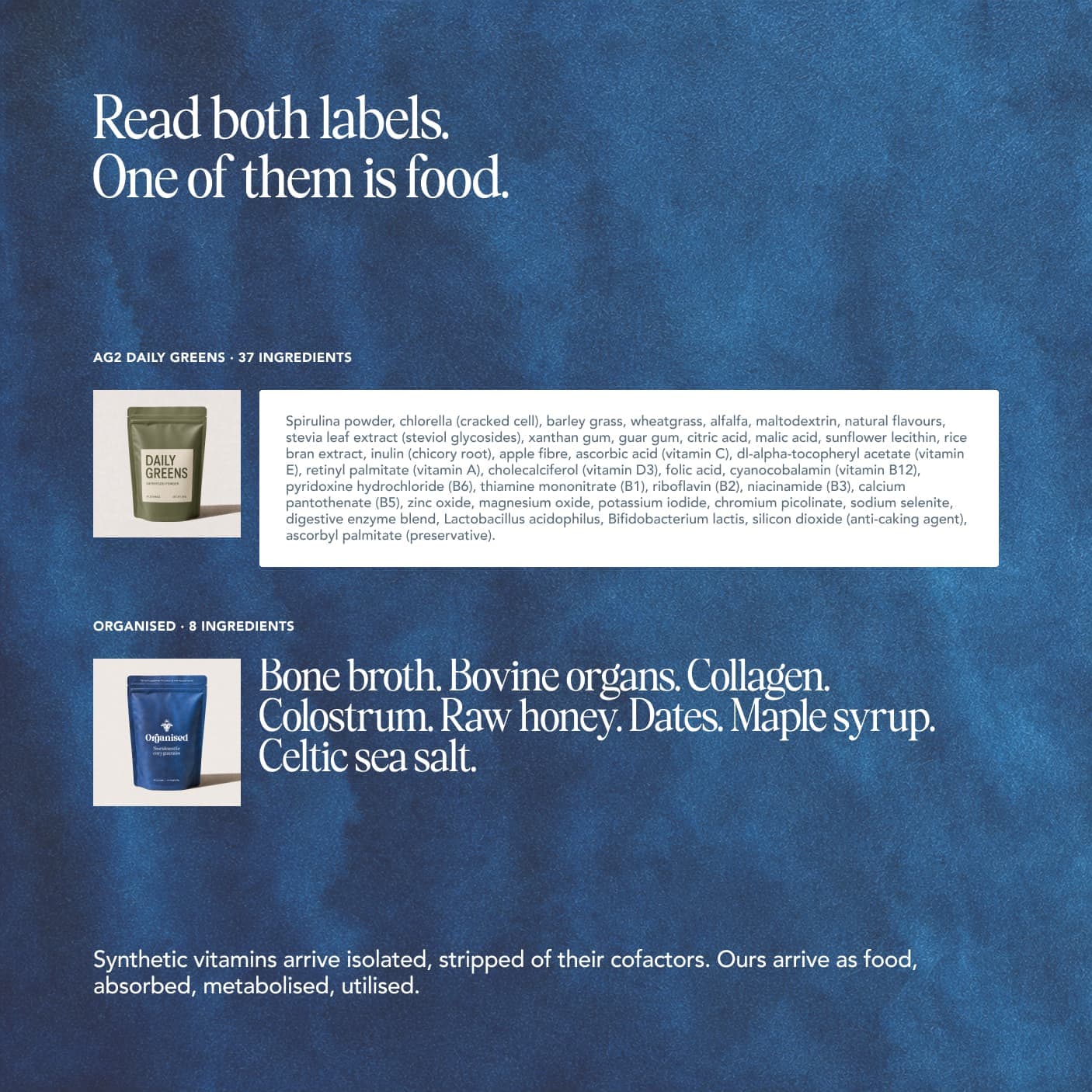
Eight real ingredients built around grass-fed beef organs, collagen and colostrum. Nothing synthetic added.
Free with your first order, worth £38. Plus £10 off the pouch with a subscription.

Free UK shipping · Made in England · 100 day money back guarantee on your first pouch · Skip, pause or cancel anytime
Restoring gut function
The steps to restore gut absorption capacity are straightforward but require time and consistency.
- Remove inflammatory foods: seed oils, processed foods, refined carbohydrates, foods you're sensitive to (often grains and legumes).
- Add gut-healing foods: bone broth (glycine and collagen), gelatinous meat cuts, fermented foods, soluble fibre from vegetables and fruits.
- Support the microbiome: fermented foods, diverse whole foods, adequate fibre from real food sources.
- Provide nutrient cofactors: zinc, vitamin A, glutamine (from bone broth), vitamin D.
- Manage stress: chronic stress impairs digestion and increases permeability.
- Ensure adequate digestive function: stomach acid, bile production, digestive enzyme secretion.
- Consider temporary supplementation: L-glutamine for tight junction support, bone broth collagen for structural healing.
Healing takes time. The gut lining replaces itself every few days2, but complete healing of chronic damage takes weeks to months. Microbiome restoration takes even longer, months to years.
You can supplement nutrients aggressively, but if your gut can't absorb them, nothing changes. Fix the absorption machinery first.
The bottom line
No amount of nutrient supplementation can overcome a damaged, dysfunctional gut. But restore gut health, and your nutritional status improves dramatically even without supplementation.
If you're eating well but still feel nutritionally depleted, the problem likely isn't what you're eating. It's whether your gut can absorb it. Healing your gut with real food, fermented foods, and removing inflammatory foods is the most important nutritional intervention you can make.
References
Every source below was checked on 27 August 2026. Each PubMed, PMC and DOI identifier was resolved against NCBI or Crossref, and what it opens is printed under the citation, so you can see the link goes where the citation says without leaving the page. Where a citation and its identifier disagreed, the citation was corrected to the record or the reference was deleted along with the sentence marker that pointed at it, and where the resolved paper turned out not to support the sentence, the sentence was cut back to what it does support. Borrowed authority is worse than none, because it looks like rigour.
- Helander HF, Fändriks L. Surface area of the digestive tract — revisited. Scand J Gastroenterol. 2014. PMID 24694282.Checked 27 August 2026: PMID 24694282 opens Helander HF, Fändriks L, Surface area of the digestive tract - revisited. Scand J Gastroenterol 2014;49(6):681-9. PubMed indexes it as: Review.
- Barker N. Adult intestinal stem cells: critical drivers of epithelial homeostasis and regeneration. Nat Rev Mol Cell Biol. 2014. PMID 24326621.Checked 27 August 2026: PMID 24326621 opens Barker N, Adult intestinal stem cells: critical drivers of epithelial homeostasis and regeneration. Nat Rev Mol Cell Biol 2014;15(1):19-33. PubMed indexes it as: Review.
Who wrote and reviewed this guide
Niall Kiddle
Author · Founder, Organised
Niall is the founder of Organised. He started the company in 2024 after fixing his own health the slow way: in 2022 he swapped a cupboard of synthetic supplements for real food, raw milk, organ meats, bone broth and honey, and felt the difference within months.
Areas of expertise: Ancestral nutrition, Organ meats, Whole-food supplementation, Gut health, Regenerative sourcing
Read Niall's full profile
Pedro Rodrigues
Reviewer · Agronomist (farming and sourcing only)
Pedro is the agronomist Organised works with on farming and sourcing. His job on the guides is to keep the science honest: he reviews what we publish about soil health, regenerative agriculture, grazing and the way food is actually produced.
Areas of expertise: Regenerative agriculture, Agronomy, Soil health, Grass-fed farming, Food sourcing
Reviewed this guide on
Read Pedro's full profileMore on bioavailability
View allBrowse the guides library
All guidesKeep reading

Science
Colostrum Research: What's New and What's Coming
What the latest colostrum research shows about immune function, gut health, and athletic recovery. Plus, where the field is heading next.

Science
CoQ10: What It Does, Where to Get It, and Why It Matters
CoQ10 is essential for mitochondrial energy production and heart health. Learn how statins deplete it and where to find it in food.
Science
Why Synthetic Vitamins Absorb Differently Than Whole Food Nutrients
How synthetic and natural vitamins differ chemically and how your body processes them differently. The bioavailability comparison.
Real food, made effortless
See the blendA few ways to use it
All recipes
Ancestral Breakfast Ideas from Around the World
Traditional breakfast recipes from cultures that got nutrition right. Japanese, Turkish, Scottish, and more. Whole-food breakfast inspiration.

The Organised Recovery Smoothie for After Exercise
A recovery smoothie made with beef protein, raw milk, frozen berries, collagen, and honey. Optimal nutrition in the 30-minute window after exercise.

Bone Broth from Scratch: A Step-by-Step Guide
Step-by-step guide to making bone broth at home. Stovetop, slow cooker, and Instant Pot methods. Rich in collagen and gut-healing minerals.


 Join over 100,000+ members
Build a better food system with us
The Organised community is thousands of people choosing real food and backing the farmers who grow it, all of us trying to leave the world a little better than we found it. If that is what you care about too, you belong here.