Why Synthetic Vitamins Absorb Differently Than Whole Food Nutrients
Your body doesn't know the difference between synthetic vitamin C and vitamin C from an orange. This is what supplement companies claim. But it's not true. At a molecular level, synthetic and whole-food nutrients are chemically identical. But in your body, they behave completely differently.

By Niall Kiddle, Founder, Organised

Reviewed by Pedro Rodrigues, Agronomist (farming and sourcing only) ·
6 min read · Published · Updated · 3 cited sources
Makers of the Organised Daily blend, a grass-fed beef organ supplement from regenerative UK farms

The distinction between synthetic and whole-food nutrients is one of the most important but least understood topics in nutrition. Getting this right changes everything about how you approach supplementation.

Are synthetic vitamins chemically identical?
At the molecular level, yes. A vitamin C molecule is a vitamin C molecule, whether it was synthesised in a laboratory or extracted from a rose hip. The chemical structure is identical.
But this is where the comparison ends. While the isolated nutrient might be chemically identical, the context in which your body encounters it is completely different.
When you eat an orange, you consume vitamin C alongside fibre, bioflavonoids, carotenoids, limonene, and thousands of other compounds. Your digestive system recognises the whole package as food and processes it accordingly. Your microbiome responds. Your nutrient absorption machinery is activated in a specific way.
When you swallow a synthetic vitamin C tablet, your digestive system encounters an isolated nutrient without its natural cofactors or food matrix. Your body has to figure out what to do with it based on much less complete information.
Chemical identity is not biological equivalence. The context matters as much as the molecule.
First-pass metabolism differences
Here's where the practical differences emerge. When a nutrient crosses your gut wall and enters the bloodstream, it goes to your liver for first-pass metabolism. The liver decides what to do with it.
Synthetic nutrients without their natural cofactors are often processed more aggressively by first-pass metabolism. The liver doesn't fully recognise them as safe. It may metabolise them more rapidly or mark them for elimination.
Whole-food nutrients with their natural cofactors are more readily recognised by hepatic metabolism as familiar and safe. They're processed more gently, and more of the active nutrient makes it to systemic circulation.
This is why bioavailability studies consistently show that whole-food nutrient sources have higher absorption and bioavailability than isolated synthetic nutrients, even when controlling for total nutrient amount.
Cofactor synergy
Most nutrients work best with specific cofactors. Vitamin C is needed for iron absorption. Vitamin D requires vitamin K2 and magnesium. Folate works with B12. In whole food, these cofactors are built in.
When you take a synthetic vitamin in isolation, you're getting the nutrient but often without its required cofactors. Your body then has to borrow those cofactors from its own reserves, which means pulling them from body tissue. Over time, this can actually create deficiencies in the cofactor nutrients while you're supplementing the primary nutrient.
Synthetic B-vitamin complexes are notorious for this. They provide isolated B vitamins without the nutritional context that optimises their absorption and function. Many people report feeling worse on high-dose B-complex supplements unless they're taking them as part of food-based multivitamins.
A nutrient taken alone is like a carpenter showing up to a jobsite without his tools. He's there, but he can't do much.
Bioavailability data for key nutrients
Research comparing synthetic and whole-food nutrients consistently shows higher bioavailability and better health outcomes with whole-food sources.
For folate: synthetic folic acid is rapidly absorbed but must be reduced and methylated before cells can use it. The NIH ODS notes that 5-MTHF (the body-active form) is being studied as an alternative for people with MTHFR polymorphisms; however, folic acid remains the only form proven in clinical trials to reduce neural tube defect risk during early pregnancy.1
For vitamin B12: methylcobalamin and 5-deoxyadenosylcobalamin are the active forms in cells; the body converts cyanocobalamin to these forms. The NIH ODS notes existing evidence does not show meaningful differences among forms in absorption or bioavailability for most people.2
For vitamin E: mixed tocopherols from whole food like nuts and seeds have higher bioavailability and accumulation in tissues than synthetic alpha-tocopherol acetate. Your body preferentially accumulates and distributes the mixed tocopherols to tissues that need vitamin E.
For beta-carotene: the NIH ODS uses a conversion factor of 12 mcg of dietary beta-carotene per 1 mcg of retinol activity equivalent (RAE), versus 2 mcg of supplemental beta-carotene per 1 mcg RAE, reflecting that absorption and conversion vary by source.3
Why the body recognises food sources
Your digestive system evolved over millions of years to process whole foods. The enzymes, transporters, and metabolic pathways in your gut are optimised for extracting and utilising nutrients from food matrices.
When you provide food in its natural form, these systems work efficiently. Your body knows exactly what to do. Nutrient absorption is maximal. Cofactors are present. Synergies work.
When you provide isolated synthetic nutrients, your body's systems are less optimised. There's no evolutionary experience with isolated ascorbic acid or synthetic beta-carotene. Your body makes educated guesses based on structural similarity to known nutrients, but it's working with less than perfect information.
This isn't a moral judgment about synthetic supplements. It's basic physiology. Evolution shaped your nutritional systems for food. When you provide something that's not food, the systems still work, but less optimally.

Get the science, plainly, free
Two short reads a week on what the research actually says about nutrition.
By signing up you agree to receive emails from us. No spam, unsubscribe anytime.
Specific examples: folate, B12, tocopherol
Let's examine three nutrients where the synthetic versus natural distinction matters most.
Folate exists as folic acid (synthetic) and methylfolate, folinic acid (natural forms). Folic acid requires enzymatic conversion via methylenetetrahydrofolate reductase (MTHFR) to become methylfolate, the active form your cells can use. About 30 to 40% of the population has a genetic variant that reduces MTHFR activity. For these people, folic acid supplementation accumulates as unmetabolised folic acid, which may interfere with natural methylfolate function. Methylfolate-based supplements bypass this step entirely, providing the active form directly.
Vitamin B12 exists as cyanocobalamin (synthetic) and methylcobalamin (natural). Cyanocobalamin contains a cyanide molecule that must be removed, then the compound must be converted to methylcobalamin or adenosylcobalamin, the active forms. Methylcobalamin comes pre-activated, ready to be used by cells immediately. For people with genetic variations affecting the conversion enzymes, or for people under chronic stress that impairs conversion, methylcobalamin supplementation shows better results.
Vitamin E: synthetic alpha-tocopherol acetate is a single stereoisomer. Natural mixed tocopherols include alpha, beta, gamma, and delta forms. Your body recognises and preferentially accumulates mixed tocopherols in tissue, particularly gamma-tocopherol, which has greater anti-inflammatory activity. When you supplement with synthetic alpha-tocopherol alone, you may actually deplete gamma-tocopherol tissue levels because the synthetic form outcompetes the natural forms for transporter proteins.


1 of 9
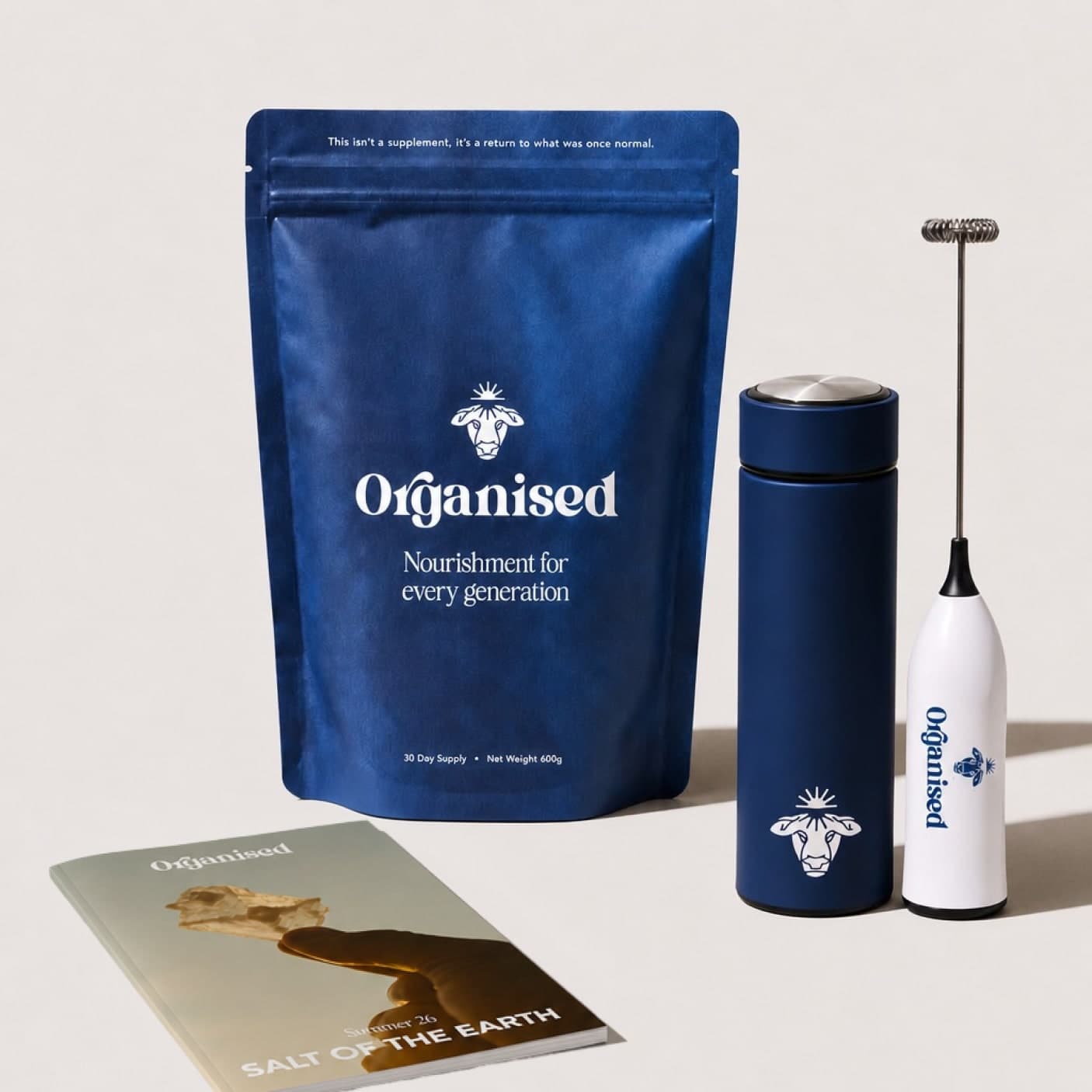
Daily blend
100,000+ thriving families4.9 on Trustpilot
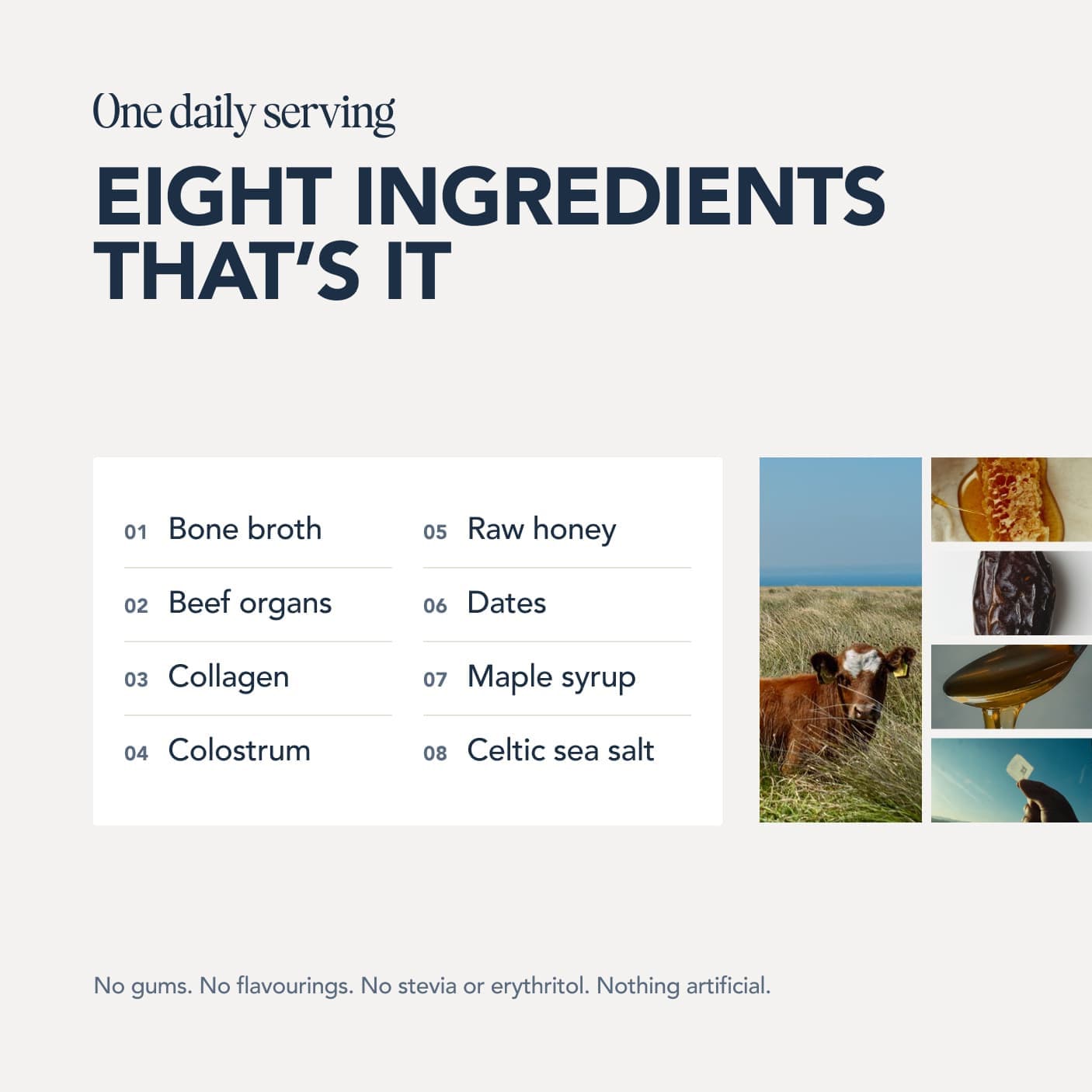
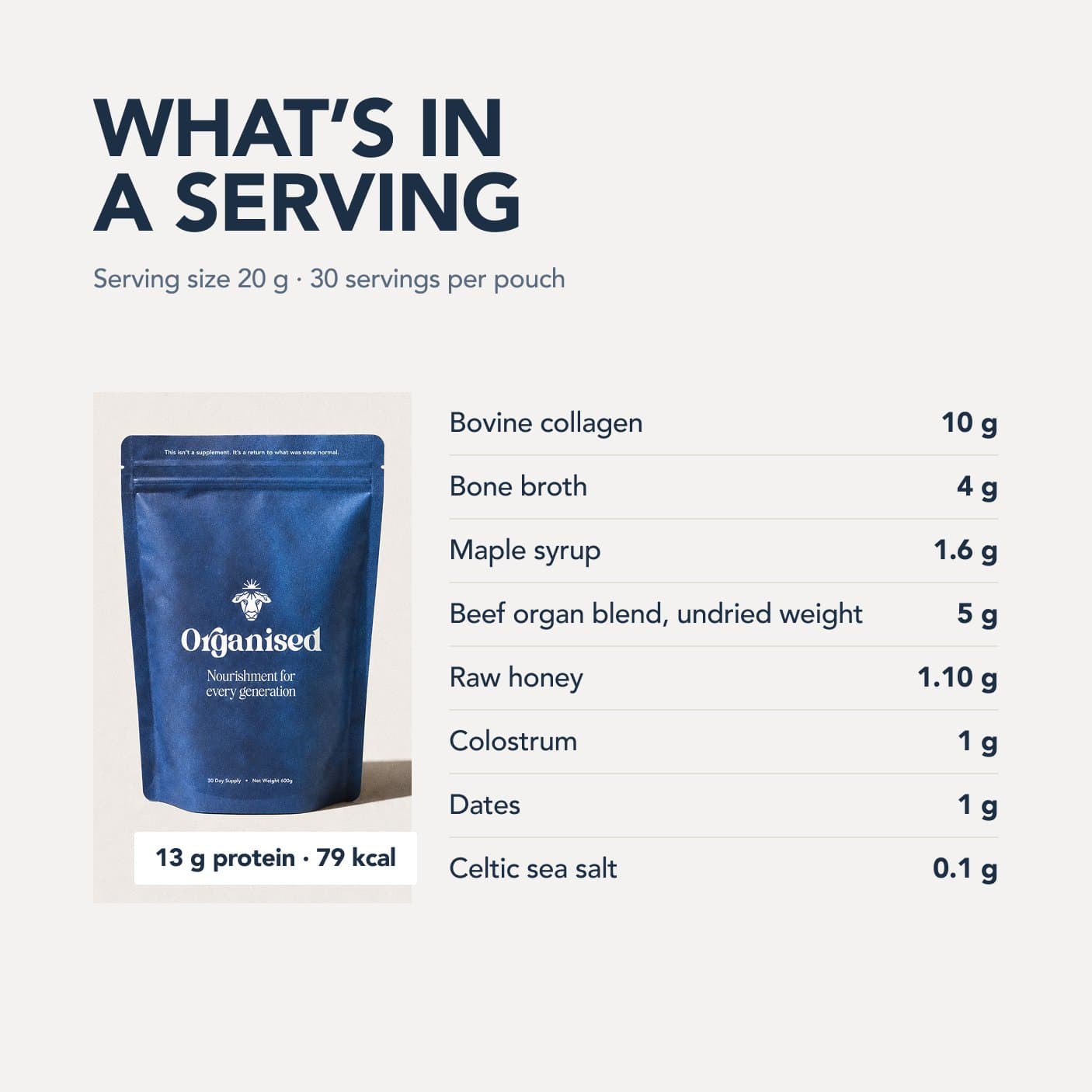
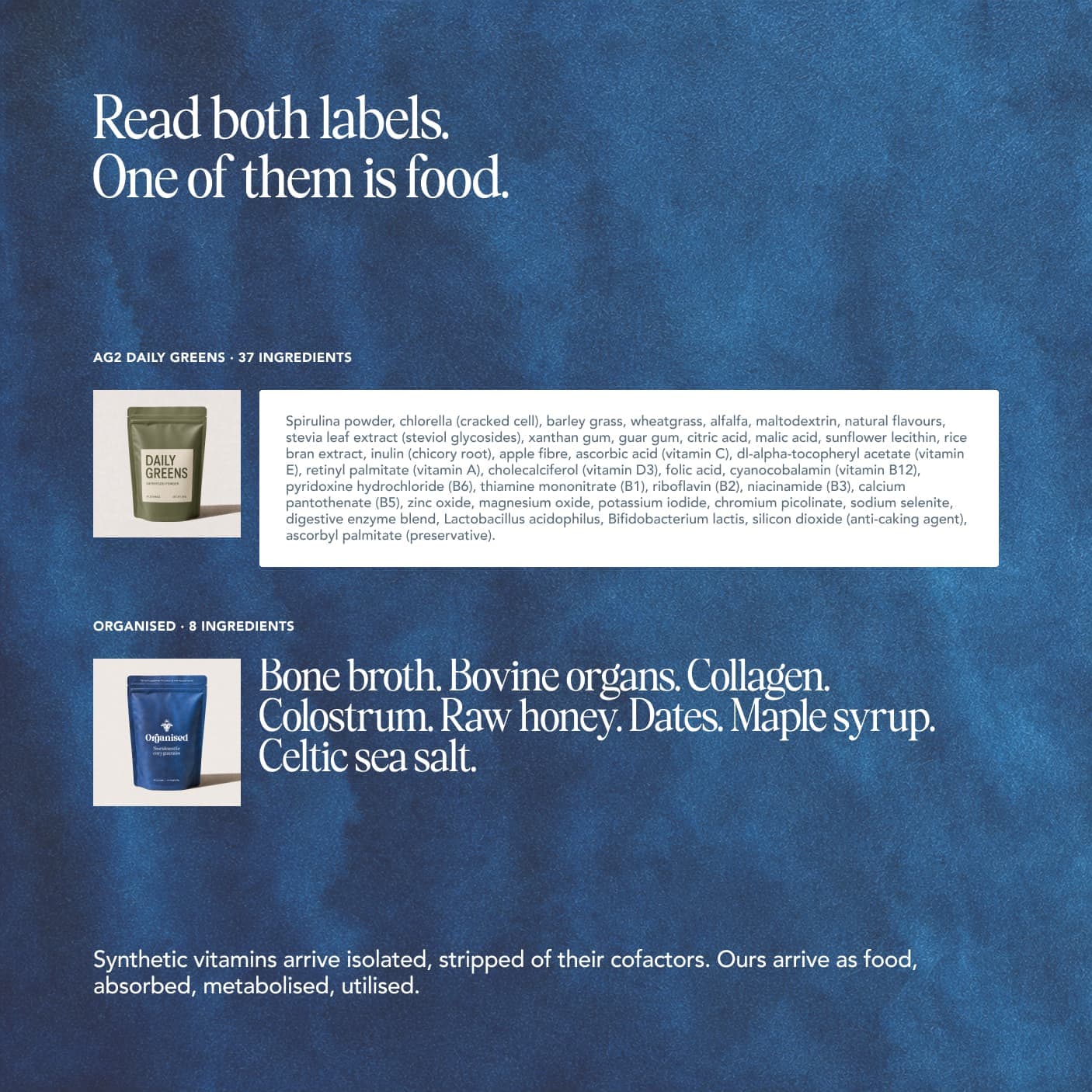
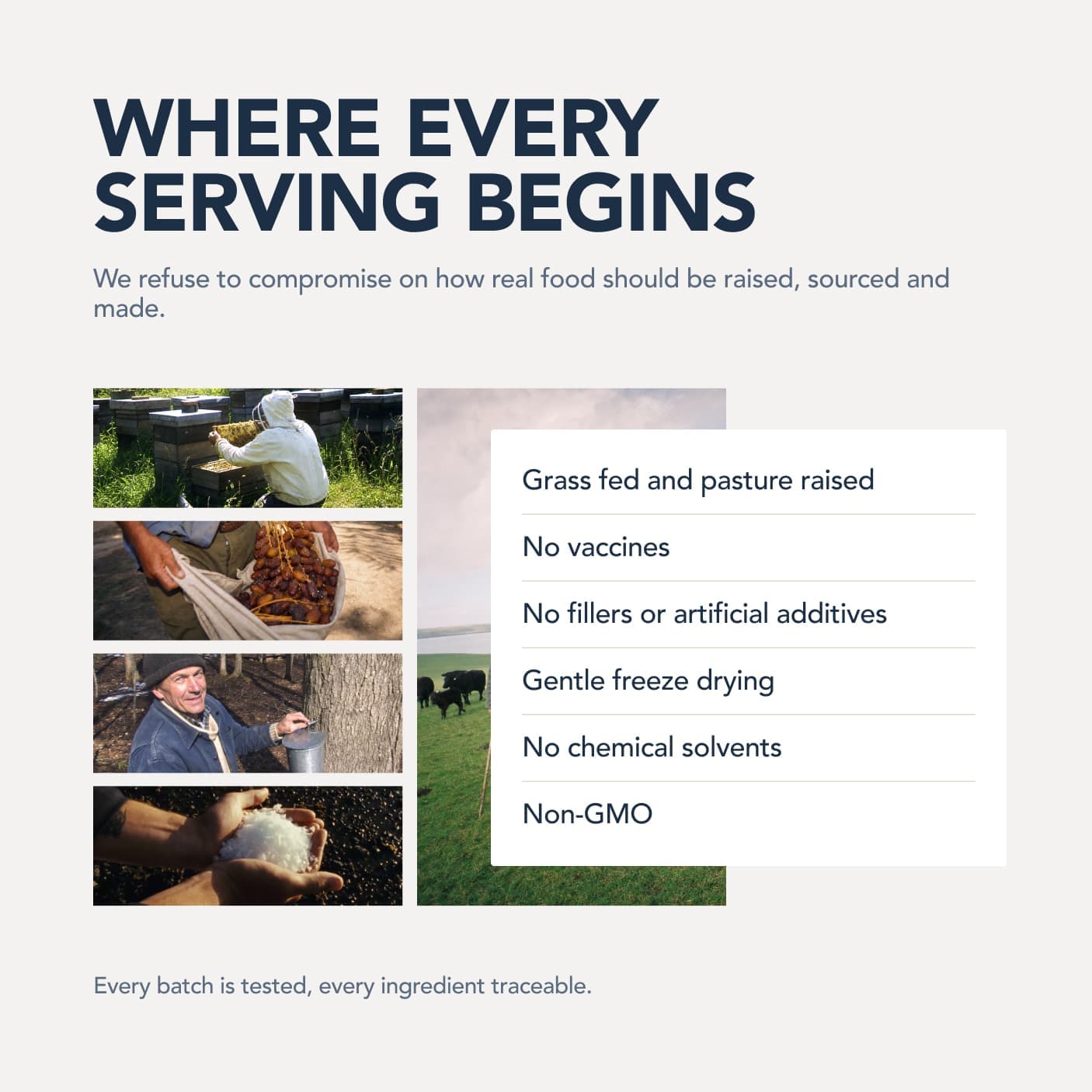
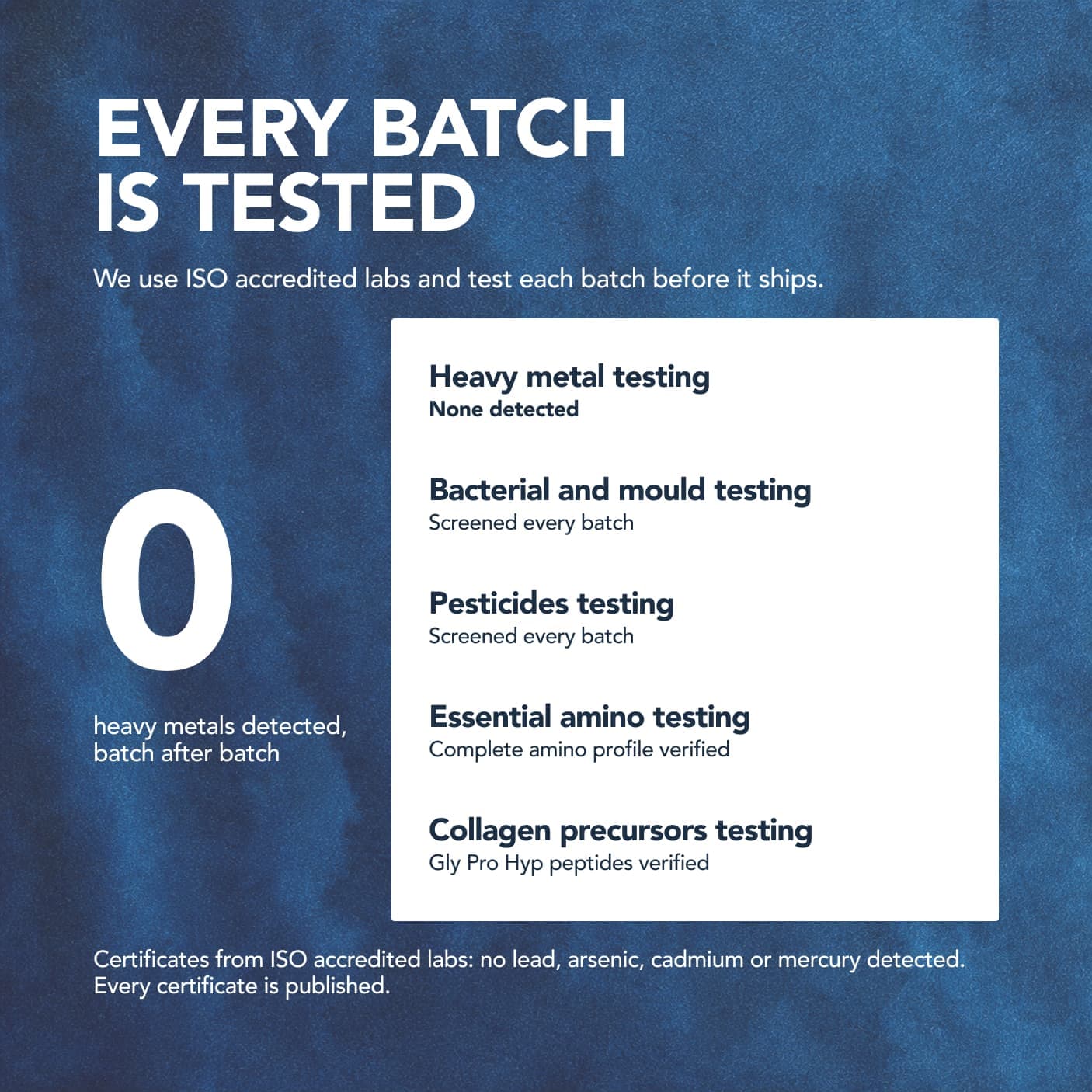
Eight real ingredients built around grass-fed beef organs, collagen and colostrum. Nothing synthetic added.
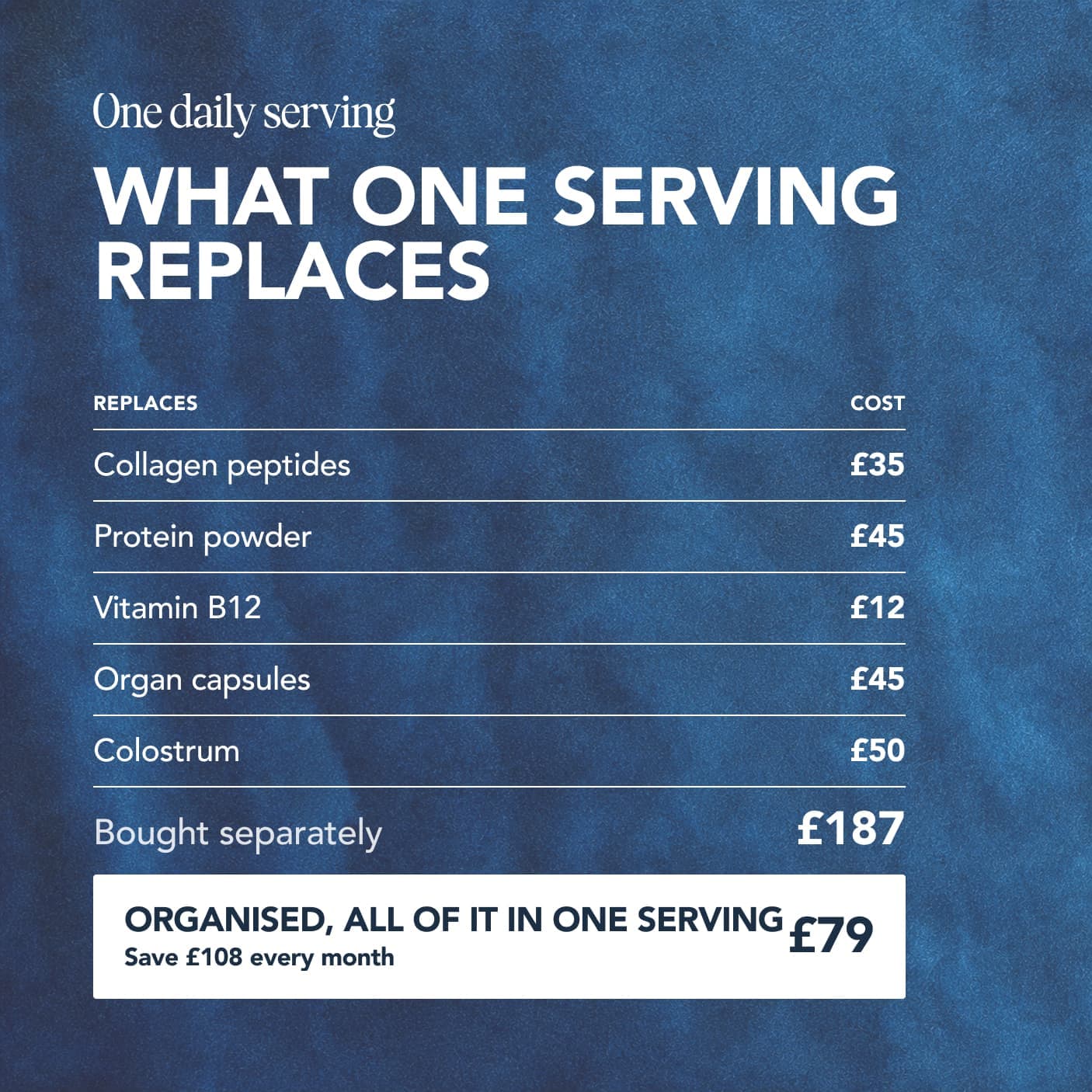
Free with your first order, worth £38. Plus £10 off the pouch with a subscription.


Free UK shipping · Made in England · 100 day money back guarantee on your first pouch · Skip, pause or cancel anytime
Synthetic vs food-based supplements
This is where it gets practical. Some supplement companies have started making nutrients from whole-food sources rather than synthesising them.
A vitamin C supplement derived from kakadu plum or rosehip will have higher bioavailability and more consistent effects than synthetic ascorbic acid. A vitamin E from mixed tocopherols from nuts will outperform synthetic alpha-tocopherol acetate.
These food-based supplements cost more because they're more difficult to produce. But the extra expense buys you better absorption and more reliable effects.
If you're going to supplement, choose food-based sources when available. They work better. If you can only access synthetic supplements, use them knowing that you're probably absorbing less and should adjust dosing accordingly. Or better yet, focus on getting nutrients from food and only supplement what food genuinely can't provide.
The bottom line
Synthetic vitamins aren't bad. They're useful tools when you genuinely can't meet nutrient needs through food. But they shouldn't be your primary strategy for nutrition.
Your body is fundamentally adapted to extract nutrients from whole foods. When you work with that biology rather than against it, everything becomes more efficient. Better absorption. Better utilisation. Better health outcomes.
Choose food first. Supplement strategically with food-based products when testing shows a genuine deficiency. Only use synthetic supplements as a last resort when no whole-food source exists or when absorption from food is genuinely impaired.
References
Every source below was checked on 27 August 2026. Each link was requested and read. Where a citation and its identifier disagreed, the citation was corrected to the record or the reference was deleted along with the sentence marker that pointed at it, and where the resolved paper turned out not to support the sentence, the sentence was cut back to what it does support. Borrowed authority is worse than none, because it looks like rigour.
- National Institutes of Health, Office of Dietary Supplements. Folate — Health Professional Fact Sheet. https://ods.od.nih.gov/factsheets/Folate-HealthProfessional/
- National Institutes of Health, Office of Dietary Supplements. Vitamin B12 — Health Professional Fact Sheet. https://ods.od.nih.gov/factsheets/VitaminB12-HealthProfessional/
- National Institutes of Health, Office of Dietary Supplements. Vitamin A and Carotenoids — Health Professional Fact Sheet. https://ods.od.nih.gov/factsheets/VitaminA-HealthProfessional/
Who wrote and reviewed this guide
Niall Kiddle
Author · Founder, Organised
Niall is the founder of Organised. He started the company in 2024 after fixing his own health the slow way: in 2022 he swapped a cupboard of synthetic supplements for real food, raw milk, organ meats, bone broth and honey, and felt the difference within months.
Areas of expertise: Ancestral nutrition, Organ meats, Whole-food supplementation, Gut health, Regenerative sourcing
Read Niall's full profile
Pedro Rodrigues
Reviewer · Agronomist (farming and sourcing only)
Pedro is the agronomist Organised works with on farming and sourcing. His job on the guides is to keep the science honest: he reviews what we publish about soil health, regenerative agriculture, grazing and the way food is actually produced.
Areas of expertise: Regenerative agriculture, Agronomy, Soil health, Grass-fed farming, Food sourcing
Reviewed this guide on
Read Pedro's full profileMore on bioavailability
View allBrowse the guides library
All guidesKeep reading

Science
How Your Gut Health Affects Nutrient Absorption
See how gut health drives nutrient absorption, with intestinal integrity, microbiome balance, and bile all shaping how much of your food you actually use.

Science
Amino Acids 101: Essential, Non-Essential and Conditional
There are nine essential amino acids you must eat. But four conditionally essential amino acids matter more than most people realise.

Science
The Gut Microbiome and Mental Health: What We Know So Far
Your gut bacteria may shape mood, anxiety, and mental clarity. See what emerging research on the gut-brain axis suggests about the microbiome link.
Real food, made effortless
See the blendA few ways to use it
All recipes
Gut-Healing Marshmallows with Collagen and Raw Honey
Learn to make gut-healing marshmallows with collagen and raw honey. A shareable treat that sneaks nutrition into every bite. Easy recipe with video tips.

Matcha Latte Gummies with Collagen and Gelatine
Make visually stunning matcha latte gummies infused with collagen and gelatine. Simple recipe for gut-healing sweets you'll actually want to eat.

Organised Smoothie Bowl Recipes for Every Season
Four seasonal smoothie bowl recipes using Organised. Berry in summer, apple-cinnamon in autumn, tropical in spring, warming chocolate in winter.


 Join over 100,000+ members
Build a better food system with us
The Organised community is thousands of people choosing real food and backing the farmers who grow it, all of us trying to leave the world a little better than we found it. If that is what you care about too, you belong here.