Methylation: What It Is and Why It Matters
Methylation is one of those terms that's increasingly thrown around in health circles, usually with an air of mystery. It's a deeply complex biochemical process. But the basics matter for anyone interested in understanding how nutrition actually affects gene expression, neurotransmitter production, and cellular repair. Here's what methylation is, why you need it, and what foods support it.

By Niall Kiddle, Founder, Organised

Reviewed by Pedro Rodrigues, Agronomist (farming and sourcing only) ·
7 min read · Published · Updated · 5 cited sources
Makers of the Organised Daily blend, a grass-fed beef organ supplement from regenerative UK farms
The basic methylation process
Methylation is a chemical reaction where a methyl group, three atoms of carbon and hydrogen stuck together, gets attached to other molecules. It happens trillions of times per day in your body. It's not unusual or rare. It's fundamental to every cell, every tissue, every system.
The methyl group is donated by a molecule called SAM, or S-adenosylmethionine. SAM is the main methyl donor in your body.1 It forms from the amino acid methionine through a series of enzymatic steps. Once SAM donates its methyl group to another molecule, it becomes SAH, or S-adenosylhomocysteine, which gets recycled back into methionine through a process that requires B12, folate, and other nutrients.
This cycle, called the methyl cycle or one-carbon metabolism, happens continuously in every cell. It's fundamental to cellular function. Without it, your cells can't produce DNA, can't make neurotransmitters, can't regulate genes, can't repair themselves.
Understanding one-carbon metabolism
One-carbon metabolism is the broader process that includes methylation. It's the pathway by which single-carbon units are transferred from one molecule to another, primarily used for synthesising DNA, creating neurotransmitters, and generating the methyl groups that regulate nearly every cellular function.
The key nutrients in this pathway are B vitamins (B12, folate, B6, niacin, riboflavin), amino acids (methionine, glycine, serine), and minerals (zinc, magnesium). Without any one of these, the entire pathway slows.
What methylation does is modify proteins, fats, and DNA without changing the underlying genetic sequence. It's like editing the instructions for how a gene gets expressed without rewriting the gene itself. This is epigenetics. Your genes are the hardware. Methylation is part of the software that determines which genes get turned on or off.
Why methylation matters for health
Because methylation is fundamental to cellular function, dysregulation of methylation is involved in virtually every chronic disease. If methylation is running smoothly, your cells can produce the neurotransmitters that support mood, cognition, and sleep. They can regulate inflammation appropriately. They can detoxify environmental chemicals. They can repair DNA damage before it causes problems.
If methylation is sluggish, the consequences are broad and insidious. Neurotransmitter production drops, leading to mood issues, anxiety, poor focus, and sleep problems. Inflammation becomes harder to regulate. Environmental toxins accumulate. DNA damage repairs more slowly. Gene expression becomes dysregulated, potentially activating disease-promoting genes or silencing protective ones.
Some people have genetic variations that make their methylation pathway less efficient. MTHFR variants are the most famous. People with certain MTHFR polymorphisms may have trouble converting folate into the active form needed for methylation.2 This doesn't doom you to disease, but it does mean your methylation pathway is working harder, and you're more susceptible to nutritional deficiencies that slow it further.
Methylation is how your cells regulate themselves. Without adequate support for the methylation pathway, your cells can't produce neurotransmitters, regulate inflammation, detoxify, or repair DNA. Every tissue in your body depends on it running smoothly.
Methyl donors and how they work
To keep the methyl cycle running, your body needs a supply of methyl donors. These are nutrients that either donate methyl groups directly or serve as precursors to SAM, the main methyl donor.
The primary methyl donors are B12, folate, choline, and betaine. B12 (cobalamin) is essential for converting homocysteine back into methionine, keeping the cycle moving. Without adequate B12, homocysteine accumulates, which is itself toxic to blood vessels and nerves.5
Folate provides the one-carbon units that get incorporated into SAM. It's essential for DNA synthesis and methylation support. Choline breaks down into betaine, which also donates methyl groups directly. Methionine itself, found in protein, is the starting point for SAM production.
Without adequate B12, the cycle stalls. Without adequate folate, one-carbon units aren't available, and DNA synthesis suffers. Without choline, cell membranes can't be built or repaired properly, and neurotransmitter production drops. These aren't minor nutrients. They're central to the process.
Critically, these are found almost exclusively in animal foods, particularly organ meats. This is why traditional diets, rich in liver and other organs, supported robust methylation. Modern diets, low in organs and high in processed foods, leave the methylation pathway undernourished.
Get the science, plainly, free
Two short reads a week on what the research actually says about nutrition.
By signing up you agree to receive emails from us. No spam, unsubscribe anytime.
The organs that support methylation
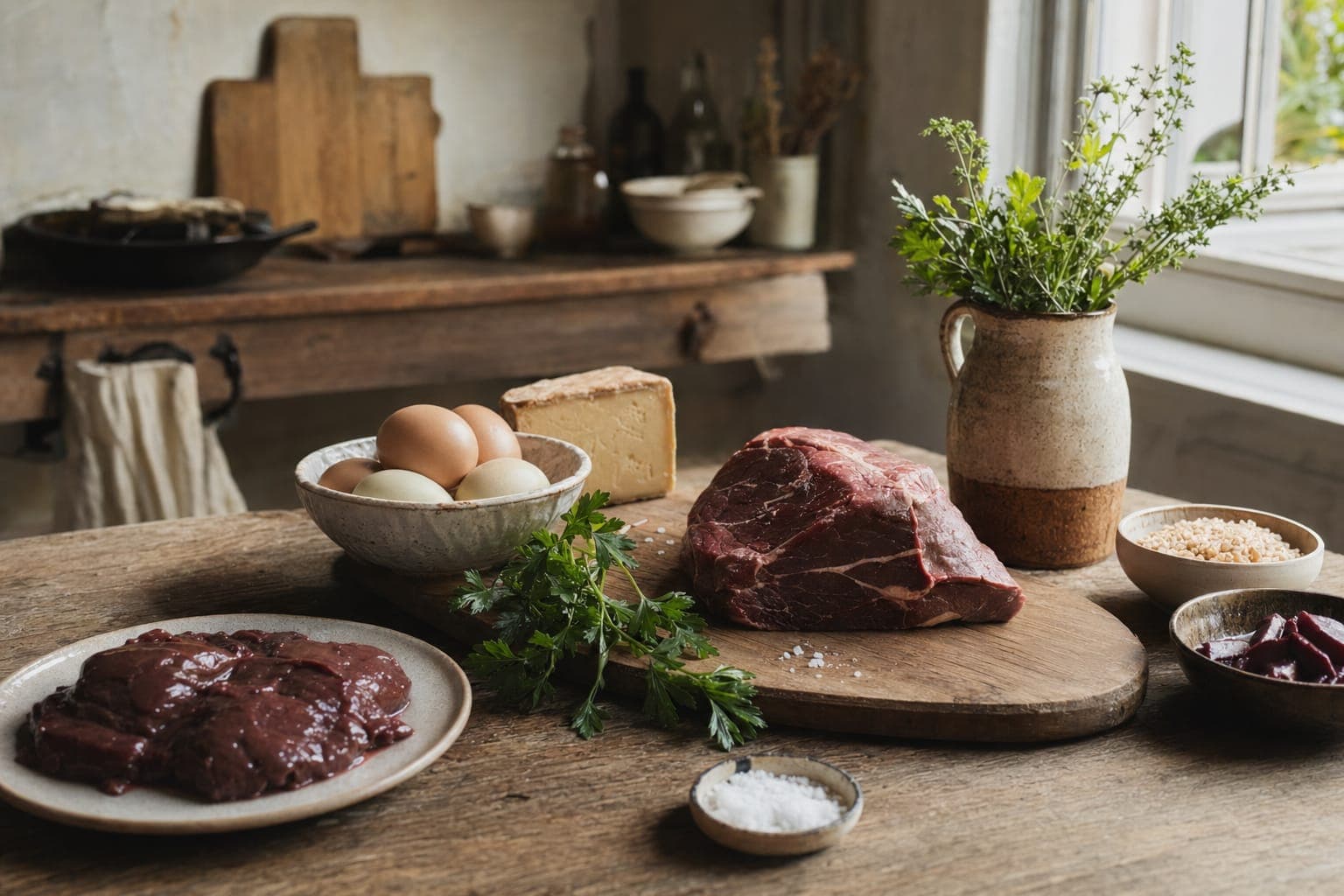
Beef liver contains more B12 per ounce than almost any other food. A 100-gram serving of liver contains roughly 60 to 80 micrograms of B12.3 Compare that to beef muscle meat at 2 to 3 micrograms per 100 grams. The difference is stark. A single serving of liver meets your entire weekly B12 needs.
Liver is also rich in folate, around 240 micrograms per 100 grams.4 Chicken liver is similar. Kidney, heart, and brain are all good sources of B vitamins that support methylation. Organ meats are not just good sources of these nutrients, they're extraordinary sources.
Choline is abundantly found in egg yolks and in fatty fish. But organ meats are also rich in choline. A 100-gram serving of beef liver provides around 400 milligrams of choline, supporting both methylation directly and cell membrane integrity.
Bone broth deserves special mention. The slow cooking breaks down connective tissue, releasing glycine, proline, and other amino acids essential to methylation. But more importantly, bone broth provides minerals like magnesium and zinc that serve as cofactors for the enzymes that run the entire methyl cycle. A diet rich in bone broth supports methylation from multiple angles simultaneously.
Beef liver is the most nutrient-dense food for methylation support. A single serving provides more B12 than weeks of muscle meat, along with folate, choline, and the cofactor minerals. Historically, this is why liver was treasured as a health food.
Genetic factors and methylation efficiency
Some people are born with genetic variations that affect how efficiently their methylation pathway runs. The MTHFR gene produces an enzyme that converts dietary folate into the active form (methylfolate) that your cells can actually use. Variations in this gene can reduce enzyme efficiency by 30 to 70 percent.
Similarly, variations in other genes (COMT, MTHFD, MTR, MTRR) can affect methylation efficiency. If you have these variations, your cells are working harder to maintain adequate methylation, and you're more sensitive to nutritional deficiencies.
But here's the key: having these variations doesn't doom you. It just means you need to be more deliberate about supporting your methylation pathway. Eating liver regularly, ensuring adequate B12, folate, choline, and magnesium becomes even more important.
1 of 9
Daily blend
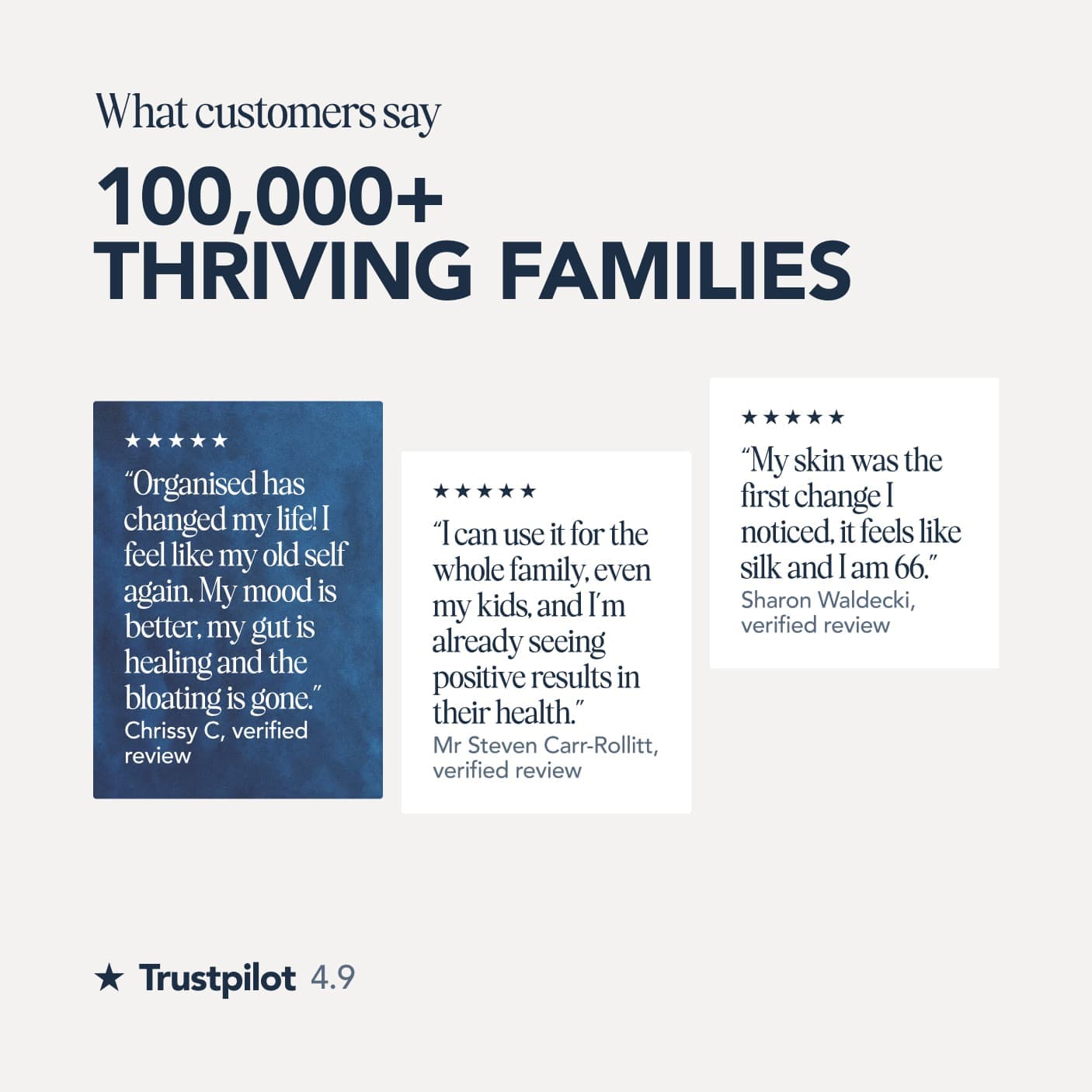
100,000+ thriving families4.9 on Trustpilot
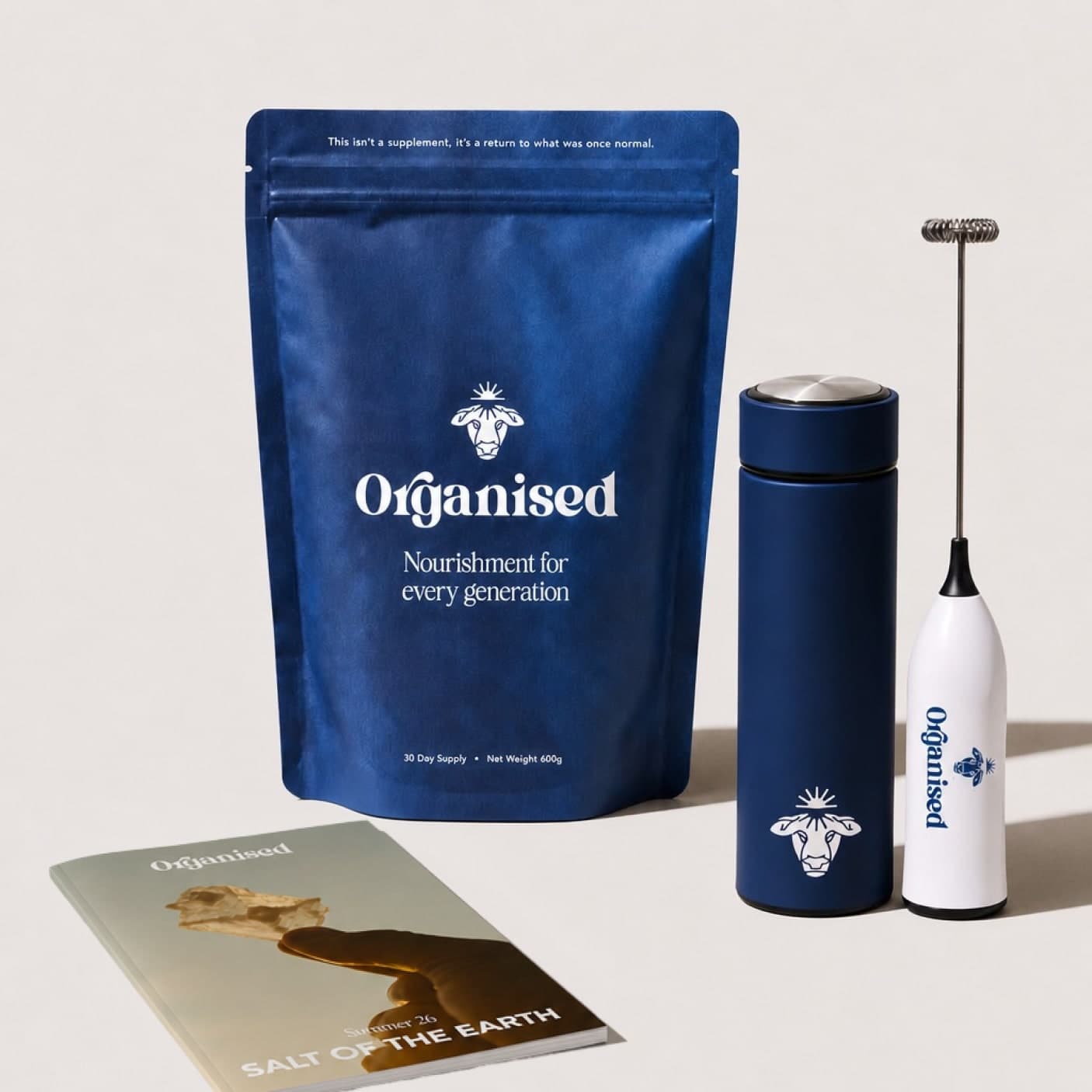
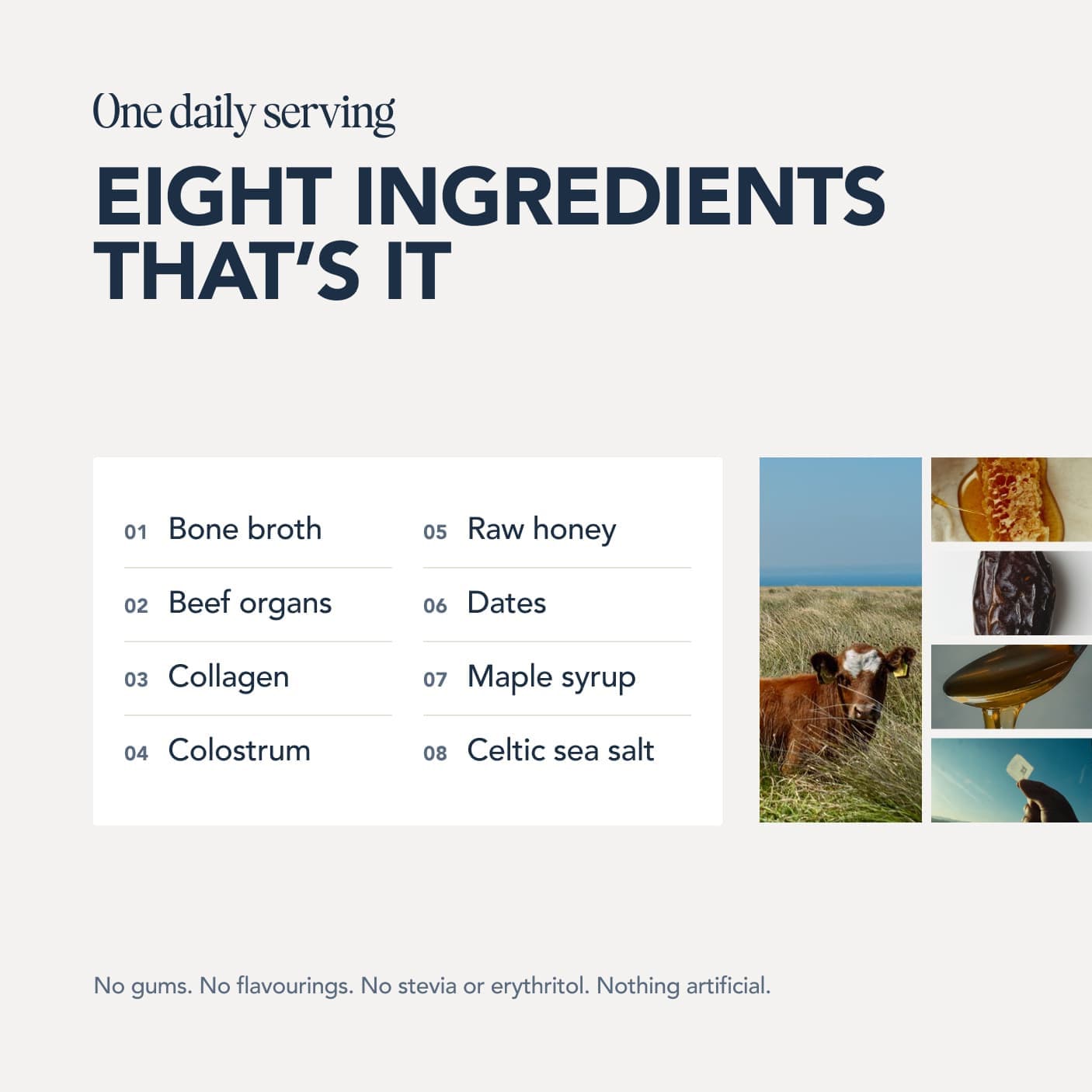
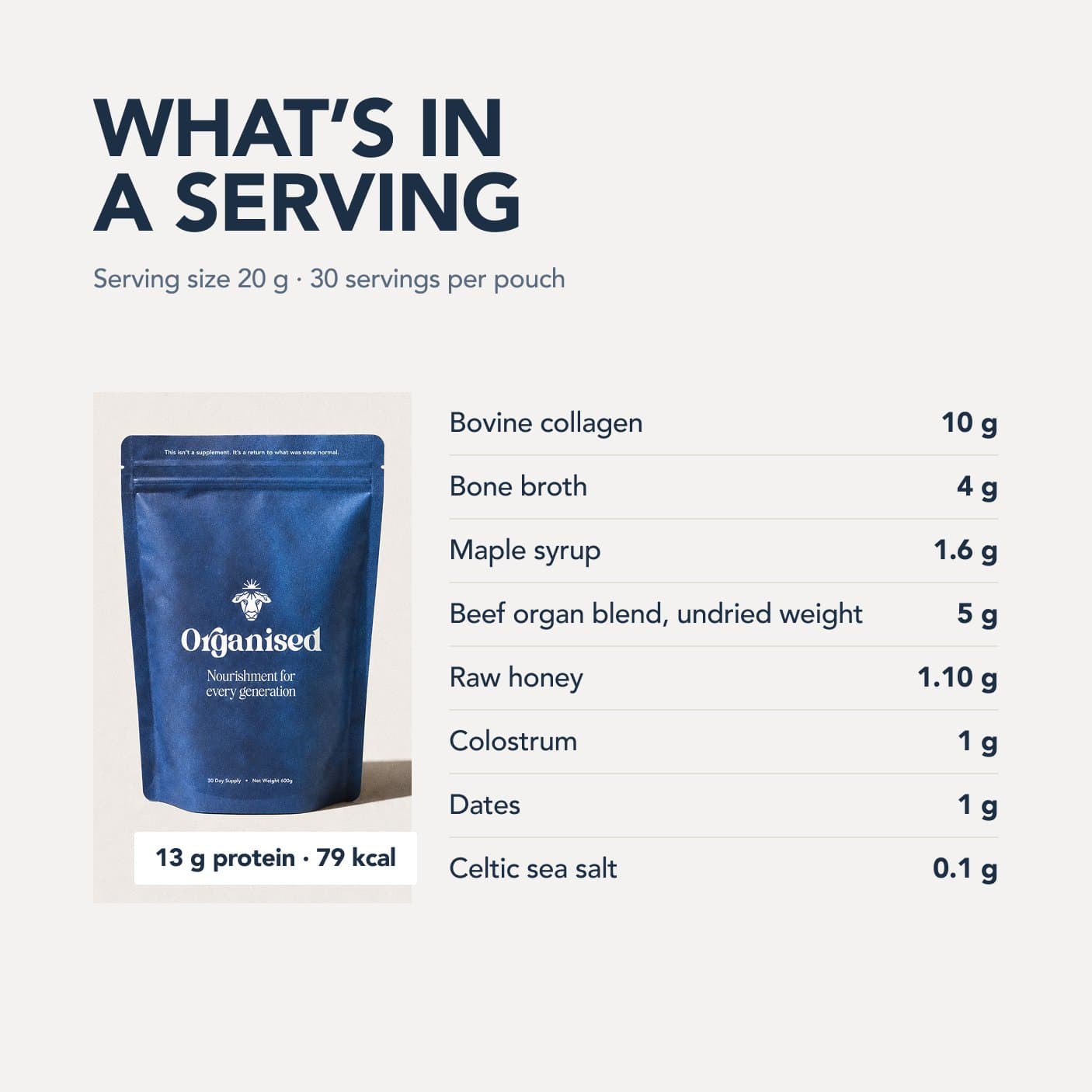
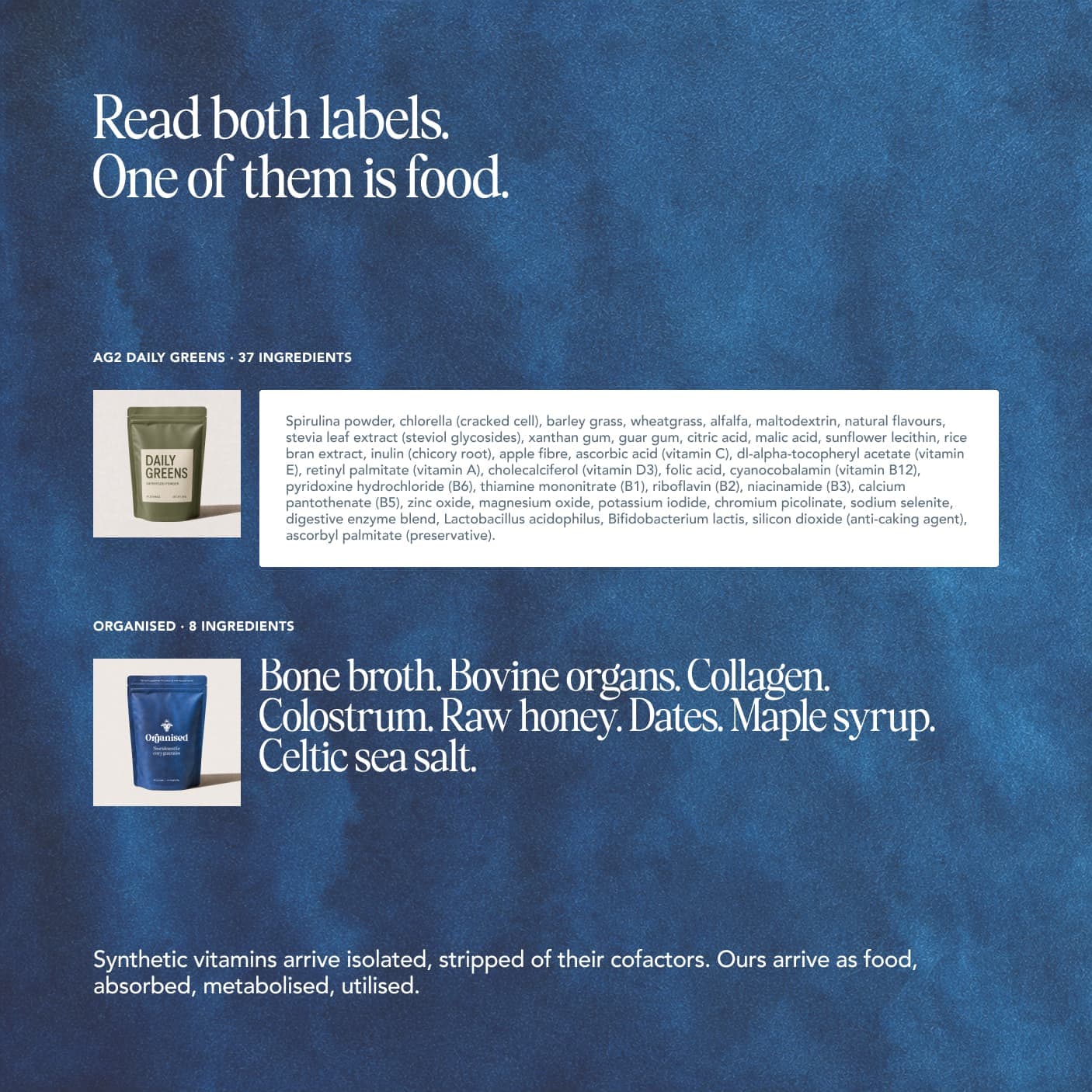
Eight real ingredients built around grass-fed beef organs, collagen and colostrum. Nothing synthetic added.
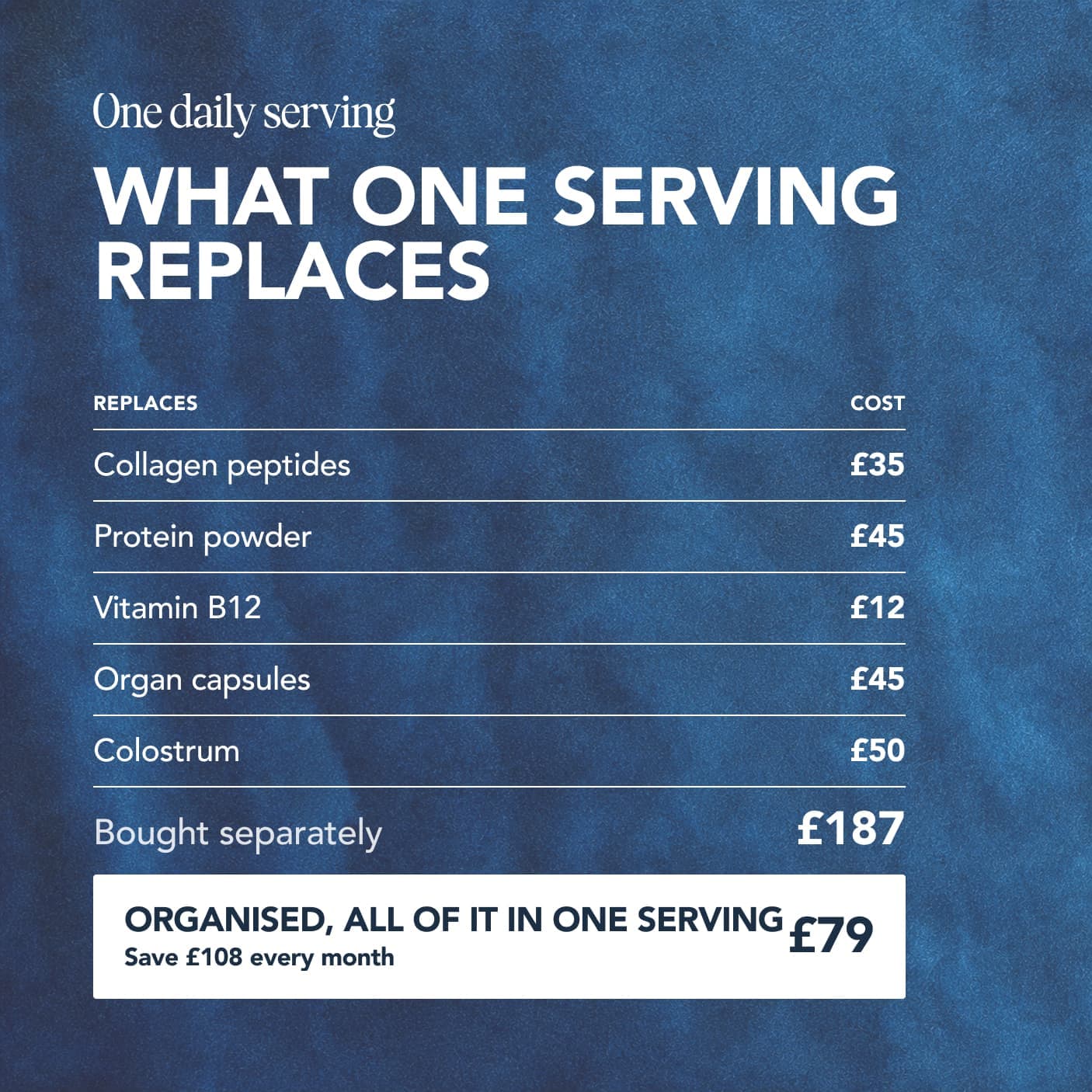
Free with your first order, worth £38. Plus £10 off the pouch with a subscription.

Free UK shipping · Made in England · 100 day money back guarantee on your first pouch · Skip, pause or cancel anytime
Optimising your methylation pathway
If you want to support robust methylation, start with food. Eat liver once per week. Include other organ meats when you can. Include egg yolks regularly. Drink bone broth several times per week. Eat fatty fish for choline and omega-3s. Include leafy greens for folate (though animal sources are more bioavailable).
Ensure adequate protein intake. Methionine is found in protein. You need a reasonable amount of it to feed the methyl cycle. Aim for 1.2 to 1.6 grams per kilogram of body weight daily.
Manage homocysteine levels. Get enough B12, folate, and B6. Homocysteine is an intermediate in the methyl cycle. When methyl donors are abundant, it gets rapidly converted to methionine. When they're lacking, it accumulates and becomes toxic.
Consider your stress load and sleep. The methylation pathway requires energy, particularly ATP from mitochondria. Chronic stress and poor sleep drain energy from methylation in favour of more urgent survival functions. Optimising sleep and stress management indirectly supports methylation.
If you have genetic variations like MTHFR polymorphisms, you might benefit from methylfolate (the active form of folate) rather than folic acid. But the biggest intervention is still food. Liver is more powerful than any supplement.
The bottom line
Methylation is the chemical process that allows your cells to regulate gene expression, produce neurotransmitters, manage inflammation, detoxify, and repair. It depends on methyl donors, particularly B12, folate, and choline, all of which are most abundant in organ meats.
If your methylation is running smoothly, supported by adequate nutrition and stress management, your cells can do what they're designed to do. If it's sluggish, the effects ripple through every system. Mood suffers. Inflammation rises. Detoxification slows. DNA damage accumulates.
The solution is simpler than it sounds: eat liver regularly, include other organs when you can, ensure adequate protein, manage stress, and sleep well. These are the same foundations of ancestral-health eating. Methylation is simply the biochemistry that explains why those foundations work.
References
Every source below was checked on 27 August 2026. Each PubMed, PMC and DOI identifier was resolved against NCBI or Crossref, and what it opens is printed under the citation, so you can see the link goes where the citation says without leaving the page. Where a citation and its identifier disagreed, the citation was corrected to the record or the reference was deleted along with the sentence marker that pointed at it, and where the resolved paper turned out not to support the sentence, the sentence was cut back to what it does support. Borrowed authority is worse than none, because it looks like rigour.
- Friso S et al. One-carbon metabolism and epigenetics. Mol Aspects Med. PubMed PMID: 27876555.Checked 27 August 2026: PMID 27876555 opens Friso S, Udali S, De Santis D et al, One-carbon metabolism and epigenetics. Mol Aspects Med 2017;54:28-36. PubMed indexes it as: Review.
- Liew SC, Gupta ED. Methylenetetrahydrofolate reductase (MTHFR) C677T polymorphism: epidemiology, metabolism and the associated diseases. Eur J Med Genet. PubMed PMID: 25449138.Checked 27 August 2026: PMID 25449138 opens Liew SC, Gupta ED, Methylenetetrahydrofolate reductase (MTHFR) C677T polymorphism: epidemiology, metabolism and the associated diseases. Eur J Med Genet 2015;58(1):1-10. PubMed indexes it as: Review.
- National Institutes of Health Office of Dietary Supplements. Vitamin B12 - Health Professional Fact Sheet. NIH ODS Vitamin B12.
- National Institutes of Health Office of Dietary Supplements. Folate - Health Professional Fact Sheet. NIH ODS Folate.
- Selhub J. Homocysteine metabolism. Annu Rev Nutr. PubMed PMID: 10448523.Checked 27 August 2026: PMID 10448523 opens Selhub J, Homocysteine metabolism. Annu Rev Nutr 1999;19:217-46. PubMed indexes it as: Review.
Who wrote and reviewed this guide
Niall Kiddle
Author · Founder, Organised
Niall is the founder of Organised. He started the company in 2024 after fixing his own health the slow way: in 2022 he swapped a cupboard of synthetic supplements for real food, raw milk, organ meats, bone broth and honey, and felt the difference within months.
Areas of expertise: Ancestral nutrition, Organ meats, Whole-food supplementation, Gut health, Regenerative sourcing
Read Niall's full profile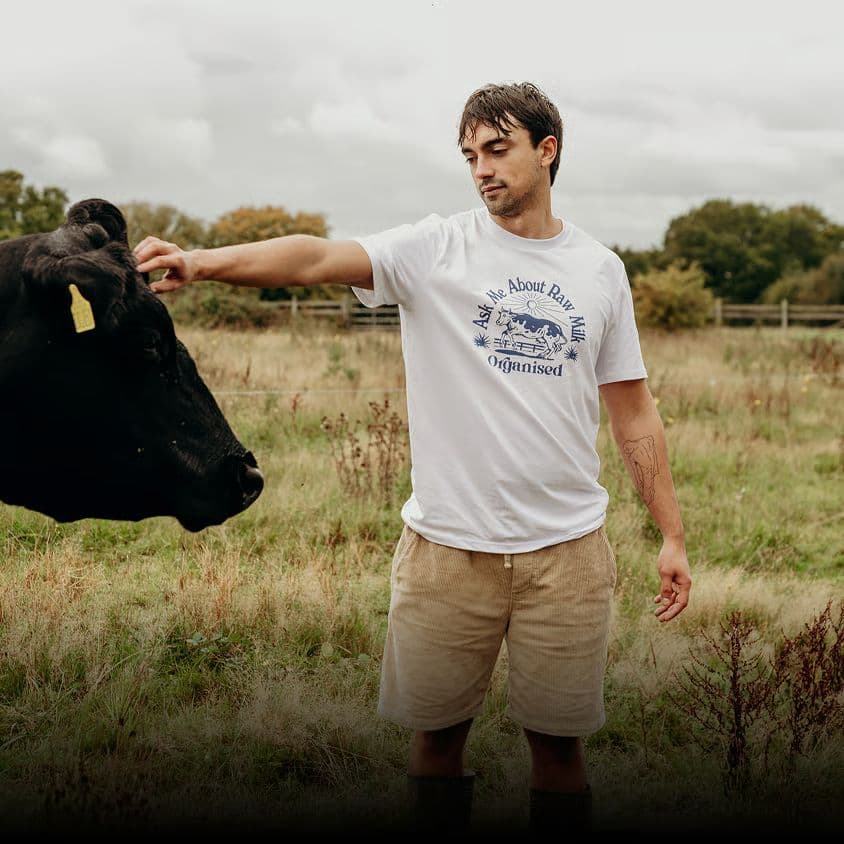
Pedro Rodrigues
Reviewer · Agronomist (farming and sourcing only)
Pedro is the agronomist Organised works with on farming and sourcing. His job on the guides is to keep the science honest: he reviews what we publish about soil health, regenerative agriculture, grazing and the way food is actually produced.
Areas of expertise: Regenerative agriculture, Agronomy, Soil health, Grass-fed farming, Food sourcing
Reviewed this guide on
Read Pedro's full profileMore on nutritional science
View all- 6 Mineral Deficiencies You Probably Have Without Realising
- Glutathione: Your Body's Master Antioxidant
- The Difference Between Heme and Non-Heme Iron (And Why It Matters)
- The Micronutrient Gap: Why Even 'Healthy' Diets Fall Short
- The Role of Fat-Soluble Vitamins: A, D, E and K
- Understanding Your Blood Work: A Nutritional Perspective
- What Is Oxidative Stress and How Does Nutrition Help?
- Why Nutrient Density Should Replace Calorie Counting
Browse the guides library
All guidesKeep reading

Science
Understanding Your Blood Work: A Nutritional Perspective
Your blood work tells a nutritional story. Here's how to interpret key markers like ferritin, B12, vitamin D, and zinc to assess micronutrient status.
Science
Is Collagen Just Expensive Protein? What the Science Says
Collagen is not just protein. Its unique amino acid profile, rich in glycine and lacking tryptophan, makes it metabolically distinct.
Science
The Protein Leverage Hypothesis: Why We Overeat
The protein leverage hypothesis from Simpson and Raubenheimer explains how appetite chases a protein target and drives overeating of low-protein foods.
Real food, made effortless
See the blendA few ways to use it
All recipes
Matcha Latte Gummies with Collagen and Gelatine
Make visually stunning matcha latte gummies infused with collagen and gelatine. Simple recipe for gut-healing sweets you'll actually want to eat.

Organised Protein Pancakes: A Weekend Favourite
A high-protein pancake recipe using beef protein, eggs, and raw milk. Cooked in cast iron, naturally sweetened with banana and honey. Real food breakfast.
The Perfect Organised Morning Shake: Our Favourite Recipe
Our signature morning shake: Organised, raw milk, banana, honey. Simple, nourishing, and optimised for an empty stomach.


 Join over 100,000+ members
Build a better food system with us
The Organised community is thousands of people choosing real food and backing the farmers who grow it, all of us trying to leave the world a little better than we found it. If that is what you care about too, you belong here.