What Is Bioavailability and Why Does It Matter for Supplements?
You can swallow a supplement that contains the exact amount of a nutrient your body needs, and still absorb almost none of it. This is the bioavailability problem, and it's why two supplements with identical nutrient profiles can have completely different effects on your health.

By Niall Kiddle, Founder, Organised

Reviewed by Pedro Rodrigues, Agronomist (farming and sourcing only) ·
8 min read · Published · Updated · 5 cited sources
Makers of the Organised Daily blend, a grass-fed beef organ supplement from regenerative UK farms

Most people think nutrition is simple. Check the label. Count the milligrams. Done. But what actually matters is not what you consume, it's what your body can actually use. That gap, between what you take in and what you can absorb and utilise, is bioavailability. And understanding it changes everything.

What bioavailability actually is
Bioavailability is the percentage of a nutrient that, after you consume it, actually gets absorbed across the gut lining and becomes available for your body to use.
Let's say you take a supplement containing 100 mg of a particular mineral. Your gut lining might only absorb 20 mg of it. The other 80 mg passes through your digestive system and is excreted. The bioavailability of that supplement is 20%.
Now imagine you eat a food containing 50 mg of the same mineral, but in a form your body can use more efficiently. Your gut absorbs 40 mg of it. That food source has a bioavailability of 80%, even though it contained less of the nutrient in absolute terms.
This is not a theoretical distinction. This is why you might take a supplement conscientiously for months and see no improvement in your nutrient levels, while someone eating a small amount of real food containing that nutrient sees dramatic improvements in their blood work.
A supplement that isn't absorbed might as well be water. What matters is not the label, it's what your body can actually access.
First-pass metabolism and the liver
The moment a nutrient crosses your gut lining and enters the bloodstream, it goes directly to your liver. The liver's job is to process everything and decide what gets to stay in circulation and what gets eliminated.
This is called first-pass metabolism. And it's ruthless. Some nutrients get metabolised so aggressively that by the time they reach your general circulation, most of them have been processed out.
Your liver doesn't know the difference between a nutrient you ate intentionally and a potential toxin. It treats both with the same scepticism. If it doesn't recognise the compound as something familiar, it will either process it into a different form or mark it for elimination.
Whole food nutrients that have been present in the human diet for thousands of years? Your liver knows what to do with those. Isolated synthetic versions that your ancestors never encountered? Your liver has to figure it out, and often the answer is to get rid of it as quickly as possible.
This is one reason why retinol (the preformed vitamin A from animal foods) has such high bioavailability. Your body has been processing retinol from organ meats for millennia. The metabolic pathways are optimised. Beta-carotene from plants requires conversion to retinol, and that conversion efficiency varies wildly between individuals. Synthetic beta-carotene acetate goes through first-pass metabolism and often doesn't get to the tissues that need it at all.
Heme iron from red meat has bioavailability around 15 to 35%, while non-heme iron from plants or supplements has bioavailability around 2 to 20%, and often less when consumed without appropriate cofactors.1 This difference is driven partly by first-pass metabolism, partly by gut transporter specificity.

How cofactors change everything
A nutrient doesn't work alone. Most micronutrients require cofactors, other nutrients that have to be present for absorption and utilisation to happen at all.
Calcium absorption requires vitamin D.2 Iron absorption is enhanced by vitamin C and inhibited by calcium, tannins, and phytates. Zinc absorption is affected by the presence of phytates and by copper balance. Magnesium absorption requires adequate stomach acid and specific intestinal transporters. These aren't minor details. They completely change whether a nutrient is usable or not.
When you take an isolated supplement, you're getting the nutrient, but often without its required cofactors. Your body has to find those cofactors elsewhere, which means pulling them from its own reserves. Over time, this can actually create deficiencies in the cofactor nutrients while you're supplementing the primary nutrient.
When you eat real food, the cofactors are built in. Beef liver contains not just iron, but copper, B vitamins, and vitamin C, everything needed to absorb and utilise that iron. Bone broth contains not just collagen, but glycine, proline, and vitamin C, the exact cofactors needed to synthesise new collagen in your tissues.
A nutrient taken alone is like a carpenter showing up to a jobsite without his tools. He's there, but he can't do much.
Specific nutrient forms matter
Bioavailability varies enormously depending on the chemical form a nutrient is in.
For B vitamins: cyanocobalamin (synthetic B12) requires enzymatic conversion to become methylcobalamin, the active form. Methylcobalamin, taken directly, skips that step and has better bioavailability in people with genetic polymorphisms affecting that enzyme. Folic acid (synthetic) must be converted to folinic acid and then methylfolate to be used. Natural folate from food is already in these active forms.3
For vitamin E: synthetic alpha-tocopherol acetate has lower bioavailability and tissue accumulation than mixed tocopherols from whole food like nuts and seeds. Your body recognises and accumulates the mixed tocopherols preferentially.
For vitamin D: cholecalciferol (vitamin D3) from animal sources or supplements has better bioavailability than ergocalciferol (vitamin D2) from plant sources or fortified foods. The difference is substantial in real-world application.4
Magnesium glycinate (magnesium bound to the amino acid glycine) has high bioavailability because your gut can absorb both the magnesium and the glycine. Magnesium oxide has notoriously poor bioavailability and often acts as a laxative before most of it gets absorbed.5 Same element, completely different effects.
Get the science, plainly, free
Two short reads a week on what the research actually says about nutrition.
By signing up you agree to receive emails from us. No spam, unsubscribe anytime.
The synergy problem
Nutrients don't exist in isolation in your body. They work together in complex, interdependent networks. The fat-soluble vitamins, A, D, E, and K, are a perfect example.
Vitamin A supports vitamin D receptor function. Vitamin D regulates calcium absorption and K2 activation. Vitamin K2 directs calcium to bone and away from arteries. Vitamin E protects the other fat-soluble vitamins from oxidation. If you're deficient in any one of them, the others can't work properly, no matter how much you have.
Research has shown that giving people isolated vitamin D without adequate vitamin K2 and magnesium can actually lead to calcium being deposited in soft tissues instead of bone. The nutrient, taken alone, becomes counterproductive. But take those same nutrients together, in the ratios found in real food, and they support each other beautifully.
This is why supplements that include multiple nutrients with known synergies have much better real-world outcomes than single-nutrient supplements. The synergy is the point.
Why supplement form matters
Manufacturers choose the cheaper forms when they can. Not always, but often. This is why you need to understand not just what nutrient you're getting, but what form it's in.
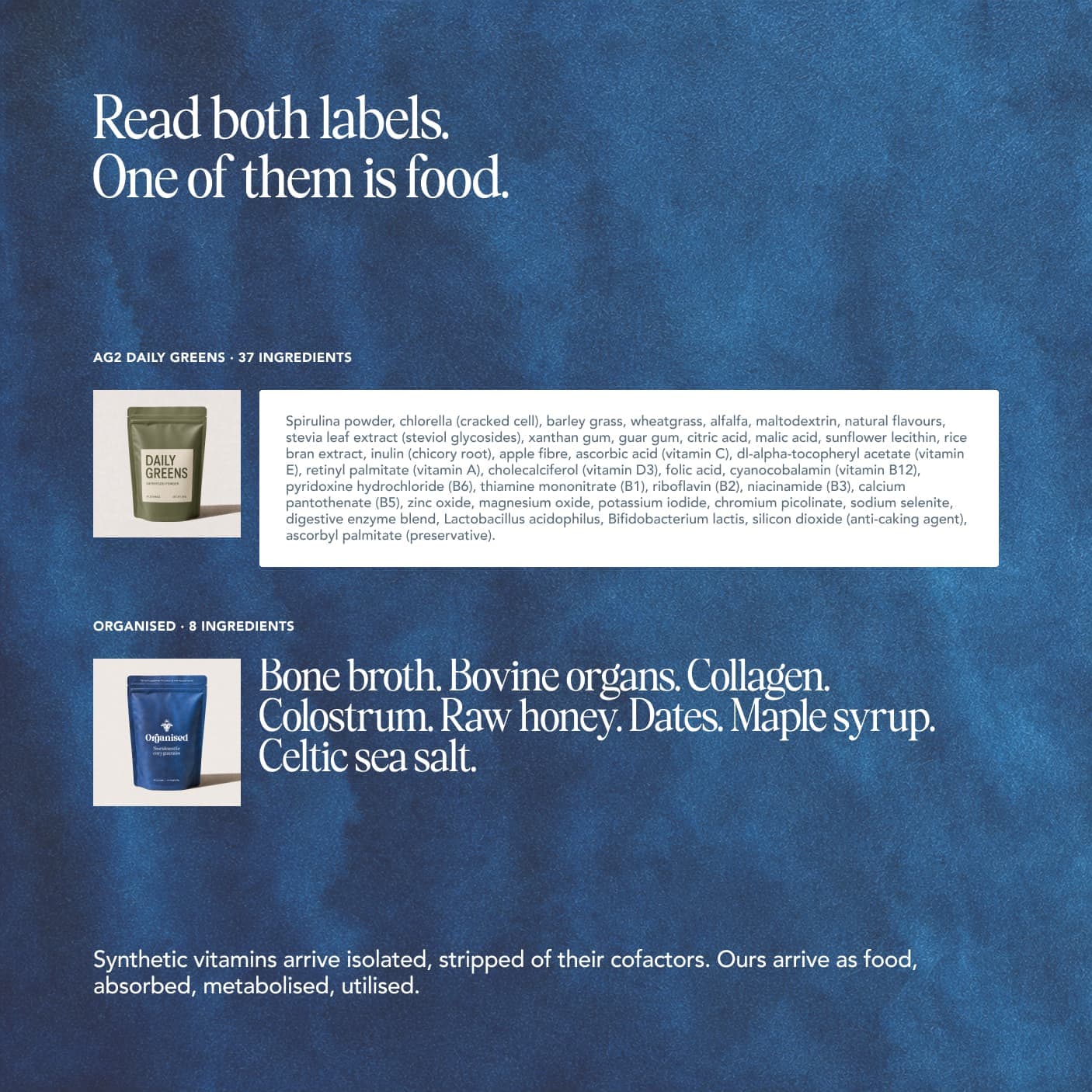
Look at the ingredient label. If it says "ferrous sulphate," you're getting a poorly absorbable form. If it says "iron glycinate" or "iron citrate," absorption is higher. If it says "heme iron" or mentions a food source like "beef liver concentrate," you're getting a form your body recognises and absorbs efficiently.
For magnesium, magnesium glycinate outperforms magnesium oxide, magnesium citrate, and magnesium malate in real-world absorption studies.
For calcium, calcium citrate has better bioavailability than calcium carbonate, especially for people with low stomach acid.
These distinctions aren't trivial. They determine whether you're actually absorbing anything at all.
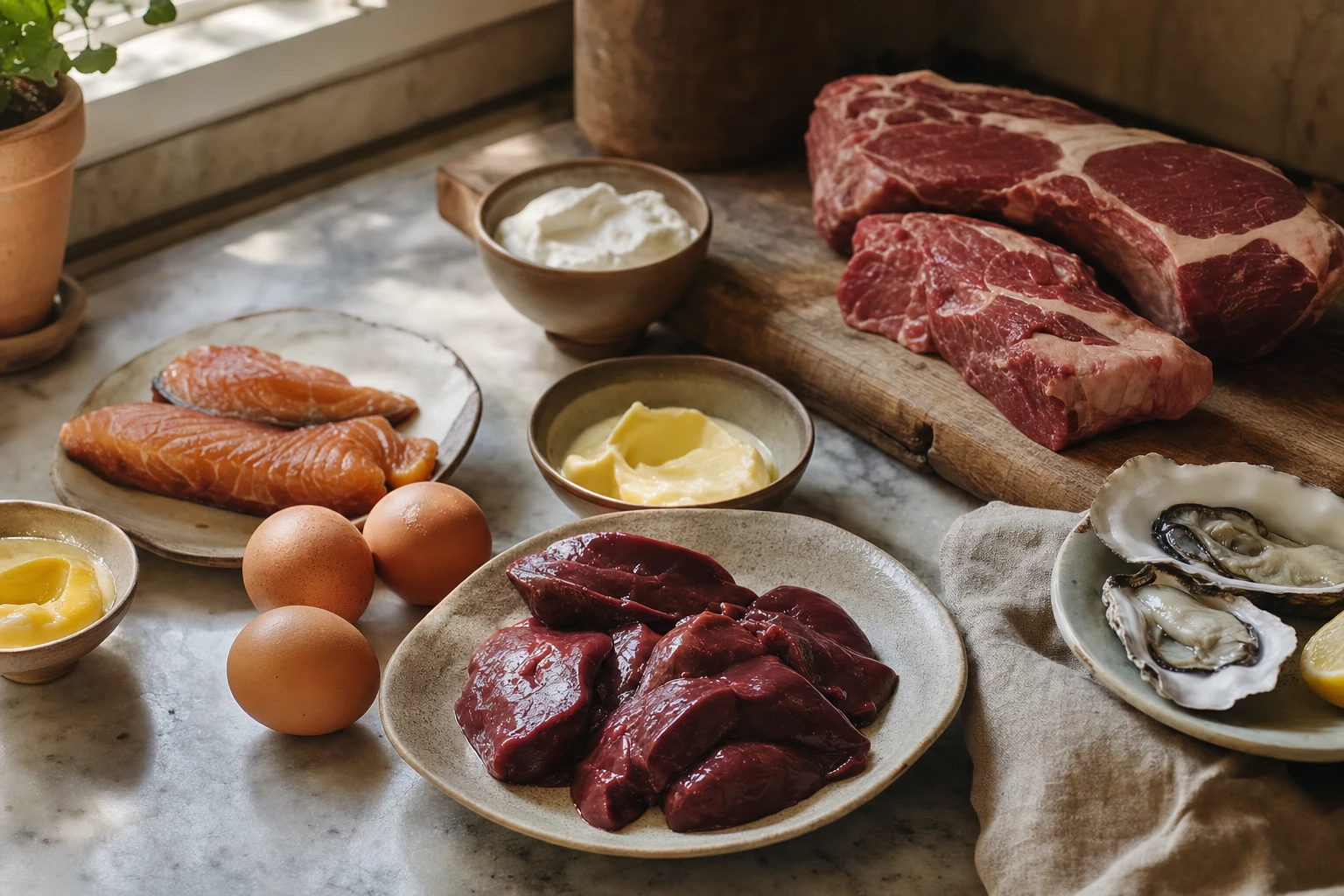
Food source vs isolated nutrients
The research consistently shows that whole-food nutrient sources have higher bioavailability and better real-world effects than isolated supplements, even when the isolated supplements contain higher absolute amounts of the nutrient.
This is partly because of everything discussed above: cofactors, synergy, first-pass metabolism, familiar chemical forms. But it's also because food sources deliver nutrients in the context of a complex matrix of fibres, polyphenols, and other compounds that enhance absorption and utilisation.
Lycopene from tomatoes is more bioavailable when you heat the tomatoes (which breaks down cell walls and makes the lycopene easier to extract) and eat them with fat (which helps absorb a fat-soluble nutrient). Polyphenols in food enhance iron absorption. The hull of a grain contains compounds that inhibit nutrient absorption, but also prebiotics that feed your gut bacteria, which then improve your overall nutrient status.
The whole is genuinely greater than the sum of its parts. This is why our approach prioritises food sources first and adds supplementation only where testing shows a real deficiency.
Testing bioavailability in humans
How do researchers actually measure bioavailability? They use several methods.
The gold standard is a randomised controlled trial where people consume the nutrient in question and blood levels are measured before and after at specific time points. You can track the peak concentration, how long the nutrient stays in the blood, and how much total bioavailability occurred.
Some studies use isotope labelling, where the nutrient is tagged with a radioactive or stable isotope so researchers can track exactly where it goes in the body. Others measure urinary excretion to determine how much was absorbed versus excreted.
The problem is that these studies are expensive, and there's limited financial incentive to run them on nutrients from cheap, whole foods. Most bioavailability research is done on supplements and fortified foods, where companies have a reason to fund the research. This means we have better data on synthetic nutrients than on many real-food sources.
The research gaps are often a reflection of funding incentives, not scientific truth. The nutrients your body actually thrives on are often the ones least likely to have been formally studied.

1 of 9
Daily blend
100,000+ thriving families4.9 on Trustpilot
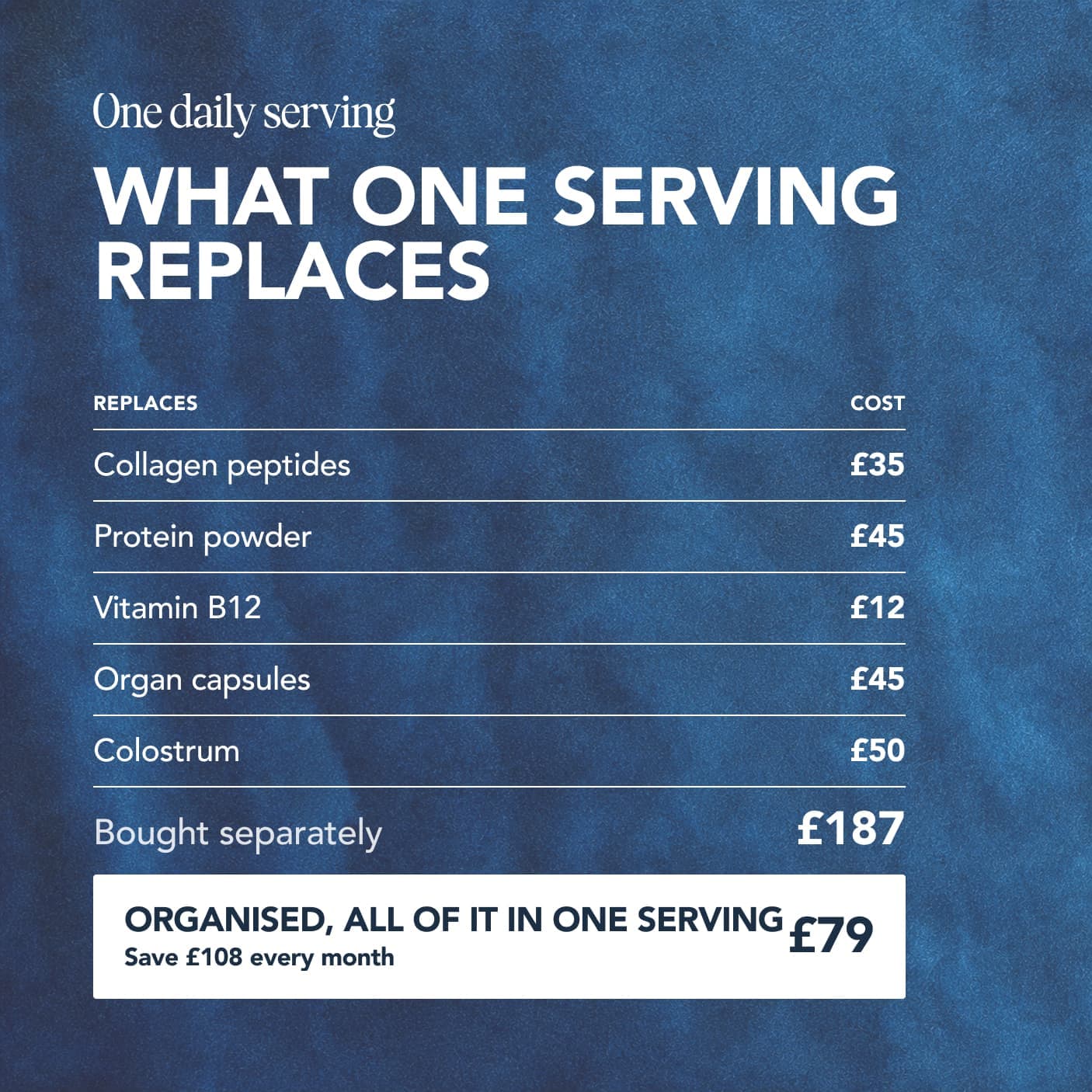
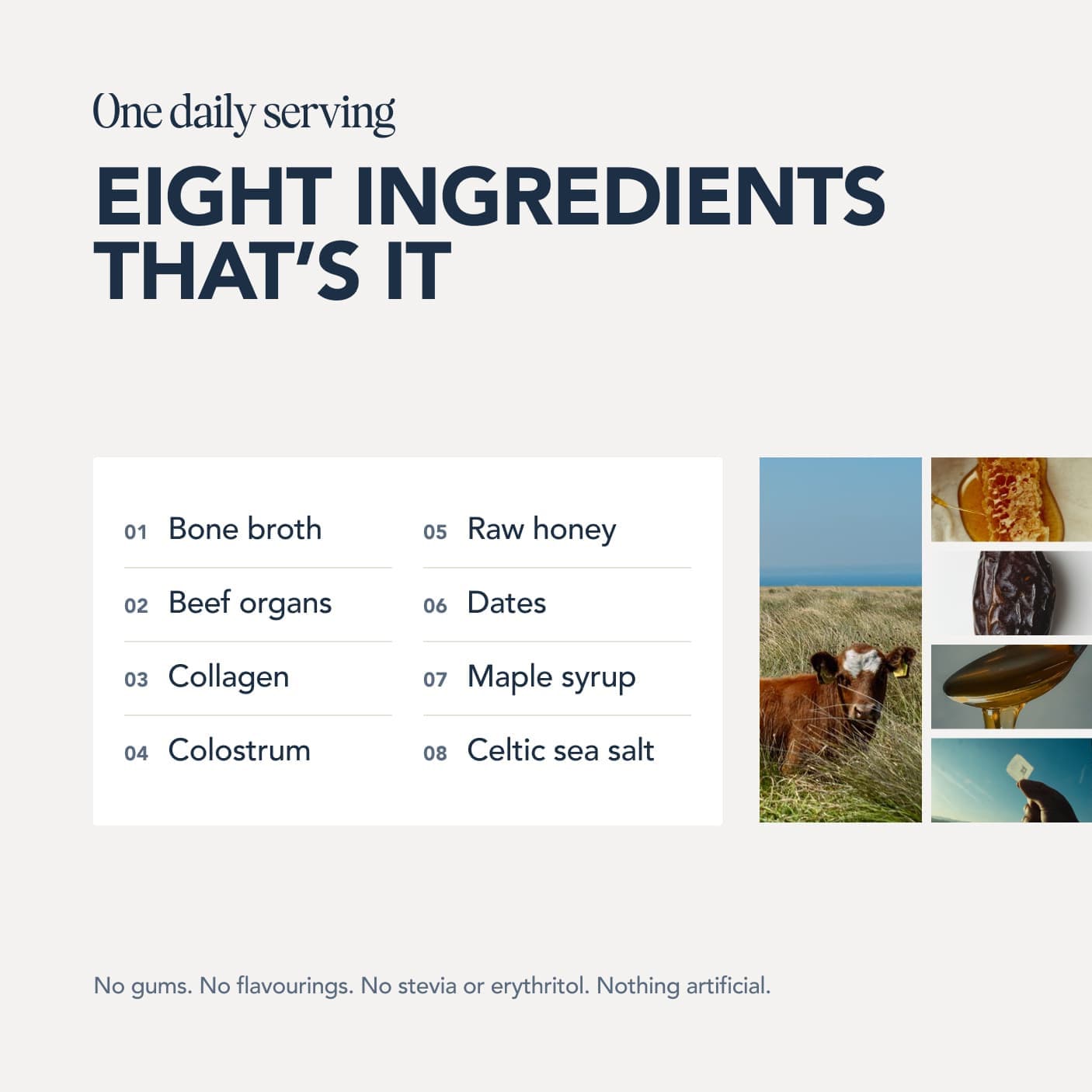
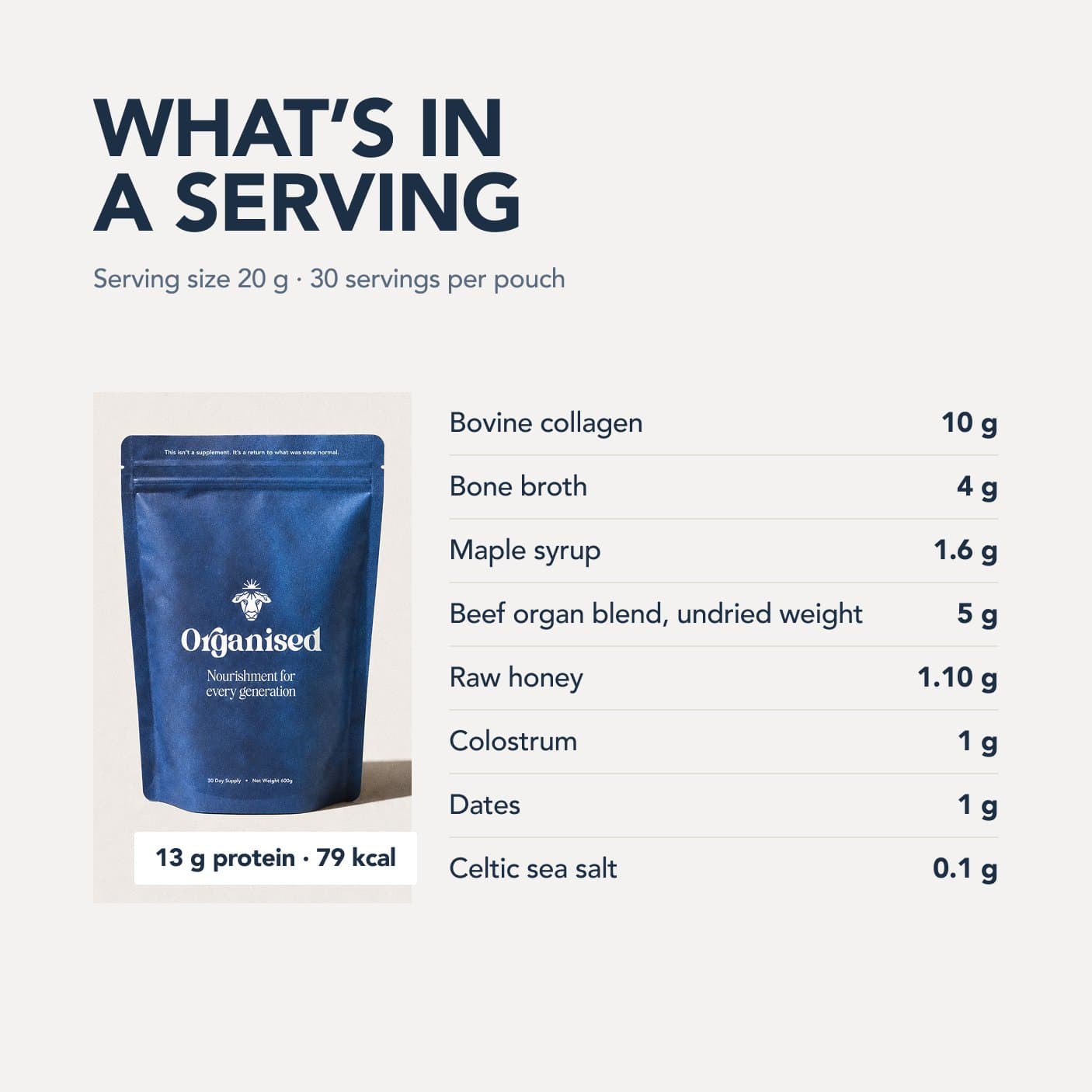
Eight real ingredients built around grass-fed beef organs, collagen and colostrum. Nothing synthetic added.
Free with your first order, worth £38. Plus £10 off the pouch with a subscription.


Free UK shipping · Made in England · 100 day money back guarantee on your first pouch · Skip, pause or cancel anytime
The bottom line
Bioavailability is why label reading, though useful, only tells half the story. What matters is not what the supplement claims to contain, but what your body can actually absorb and use. Form matters. Cofactors matter. Synergy matters. And in most cases, whole food sources outperform isolated supplements.
This doesn't mean supplements are useless. It means they work best when they're supporting a diet already rich in whole foods, filling in gaps that real food alone can't cover. That's the honest approach to supplementation: not replacement, but support.
References
Every source below was checked on 27 August 2026. Each PubMed, PMC and DOI identifier was resolved against NCBI or Crossref, and what it opens is printed under the citation, so you can see the link goes where the citation says without leaving the page. Where a citation and its identifier disagreed, the citation was corrected to the record or the reference was deleted along with the sentence marker that pointed at it, and where the resolved paper turned out not to support the sentence, the sentence was cut back to what it does support. Borrowed authority is worse than none, because it looks like rigour.
- National Institutes of Health, Office of Dietary Supplements. Iron: Fact Sheet for Health Professionals. https://ods.od.nih.gov/factsheets/Iron-HealthProfessional/ [accessed May 2026].
- National Institutes of Health, Office of Dietary Supplements. Vitamin D: Fact Sheet for Health Professionals. https://ods.od.nih.gov/factsheets/VitaminD-HealthProfessional/ [accessed May 2026]. Calcitriol (1,25(OH)2D) upregulates intestinal calcium-binding protein and is required for active calcium transport across the gut epithelium.
- National Institutes of Health, Office of Dietary Supplements. Folate: Fact Sheet for Health Professionals. https://ods.od.nih.gov/factsheets/Folate-HealthProfessional/ [accessed May 2026]. Describes the folic acid -> DHF -> THF -> 5-MTHF metabolic chain.
- Tripkovic L, Lambert H, Hart K, et al. Comparison of vitamin D2 and vitamin D3 supplementation in raising serum 25-hydroxyvitamin D status: a systematic review and meta-analysis. American Journal of Clinical Nutrition. 2012;95(6):1357-1364. See also more recent meta-analyses, e.g. Comparison of the Effect of Daily Vitamin D2 and Vitamin D3 Supplementation on Serum 25-Hydroxyvitamin D Concentration. Advances in Nutrition. 2023.
- Schuette SA, Lashner BA, Janghorbani M. Bioavailability of magnesium diglycinate vs magnesium oxide in patients with ileal resection. Journal of Parenteral and Enteral Nutrition. 1994;18(5):430-435. https://pubmed.ncbi.nlm.nih.gov/7815675/ See also Predicting and Testing Bioavailability of Magnesium Supplements, Biological Trace Element Research. https://pmc.ncbi.nlm.nih.gov/articles/PMC6683096/Checked 27 August 2026: PMID 7815675 opens Schuette SA, Lashner BA, Janghorbani M, Bioavailability of magnesium diglycinate vs magnesium oxide in patients with ileal resection. JPEN J Parenter Enteral Nutr 1994;18(5):430-5. PubMed indexes it as: Clinical Trial, Randomized Controlled Trial. PMC6683096 opens Blancquaert L, Vervaet C, Derave W, Predicting and Testing Bioavailability of Magnesium Supplements. Nutrients 2019;11(7).The authors' own declaration, from the record: Oystershell Laboratories (Merelbeke, Belgium) provided the supplements used for in vitro and in vivo testing. Oystershell was not involved in the design of the study; in the collection, analyses or interpretation of data; in writing of the manuscript or in the decision to publish the results.
Corrections
What this page used to say, and why it no longer says it. Corrections are dated and are never removed, because deleting the record of an error is a second error. Every guide we have corrected is listed at our corrections log.
- 27 August 2026. “Magnesium oxide has notoriously poor bioavailability” was contradicted by the very trial cited for it: Schuette et al. found no difference between magnesium diglycinate and magnesium oxide for the patient group as a whole (23.5% against 22.8%), with the chelate ahead only in the four most malabsorptive patients. The paragraph now reports what both cited papers found, including that the second one reports no result specific to magnesium oxide at all.
- 27 August 2026. Reference 5 pointed at a magnesium bioavailability paper under the wrong journal and with no authors. It is by Blancquaert, Vervaet and Derave, in Nutrients 2019.
Who wrote and reviewed this guide
Niall Kiddle
Author · Founder, Organised
Niall is the founder of Organised. He started the company in 2024 after fixing his own health the slow way: in 2022 he swapped a cupboard of synthetic supplements for real food, raw milk, organ meats, bone broth and honey, and felt the difference within months.
Areas of expertise: Ancestral nutrition, Organ meats, Whole-food supplementation, Gut health, Regenerative sourcing
Read Niall's full profile
Pedro Rodrigues
Reviewer · Agronomist (farming and sourcing only)
Pedro is the agronomist Organised works with on farming and sourcing. His job on the guides is to keep the science honest: he reviews what we publish about soil health, regenerative agriculture, grazing and the way food is actually produced.
Areas of expertise: Regenerative agriculture, Agronomy, Soil health, Grass-fed farming, Food sourcing
Reviewed this guide on
Read Pedro's full profileMore on bioavailability
View allBrowse the guides library
All guidesKeep reading

Science
Why Synthetic Vitamins Absorb Differently Than Whole Food Nutrients
How synthetic and natural vitamins differ chemically and how your body processes them differently. The bioavailability comparison.

Science
How Your Gut Health Affects Nutrient Absorption
See how gut health drives nutrient absorption, with intestinal integrity, microbiome balance, and bile all shaping how much of your food you actually use.

Science
Are Organ Supplements Just a Trend? Looking at the History
Organ supplements predate modern wellness by a century. In the 1920s, glandular supplements were serious medicine. What changed?
Real food, made effortless
See the blendA few ways to use it
All recipes
Gut-Healing Marshmallows with Collagen and Raw Honey
Learn to make gut-healing marshmallows with collagen and raw honey. A shareable treat that sneaks nutrition into every bite. Easy recipe with video tips.
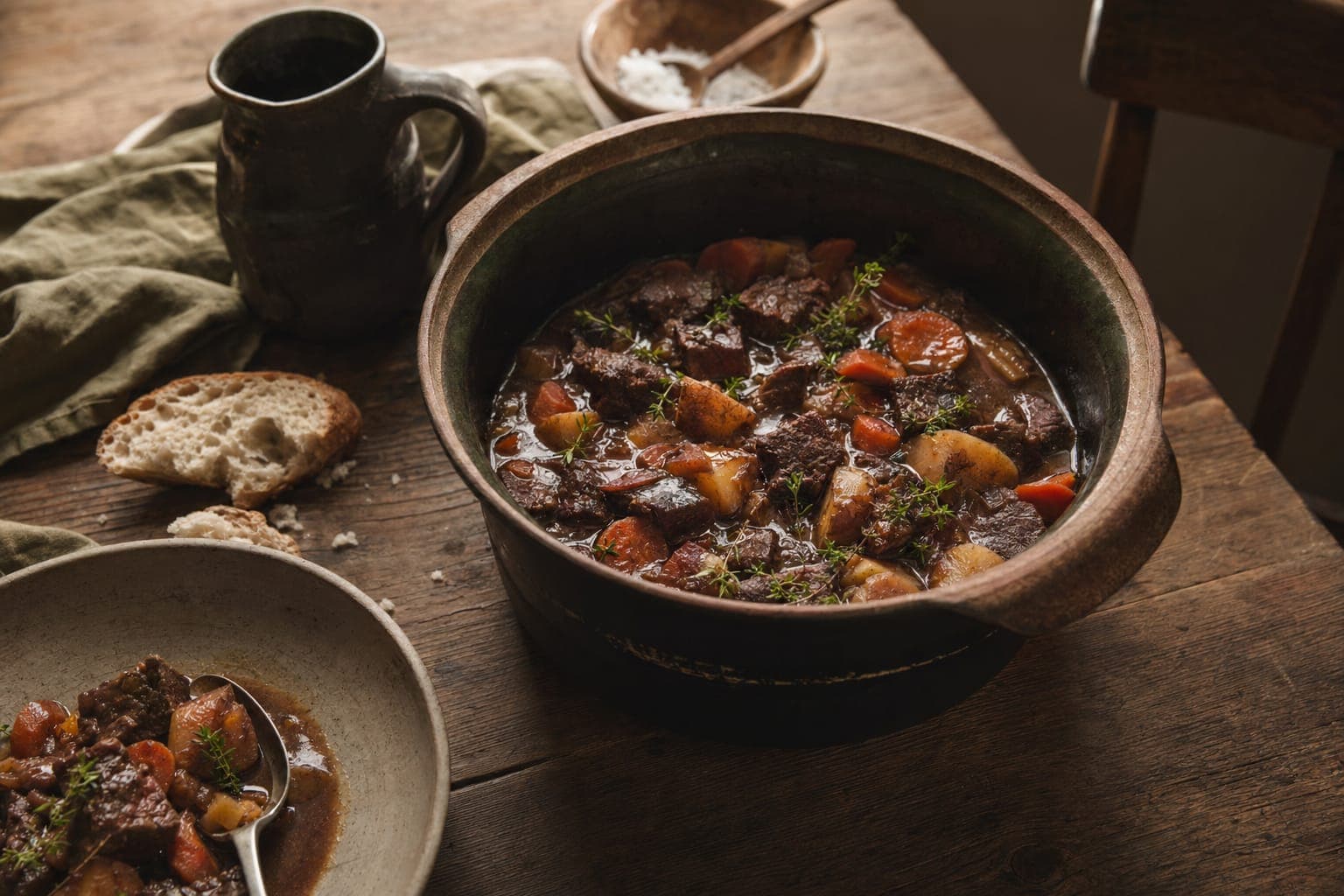
Collagen-Rich Beef Stew: Slow-Cooked Nourishment
Beef stew that delivers collagen from connective tissue and bone broth. Winter comfort food that actually nourishes. Simple slow cooker recipe.

Whole Food Snacks for Busy Days
Practical whole food snacks that travel well and sustain energy. No refined carbs, no seed oils. Real food options for when you're busy.


 Join over 100,000+ members
Build a better food system with us
The Organised community is thousands of people choosing real food and backing the farmers who grow it, all of us trying to leave the world a little better than we found it. If that is what you care about too, you belong here.