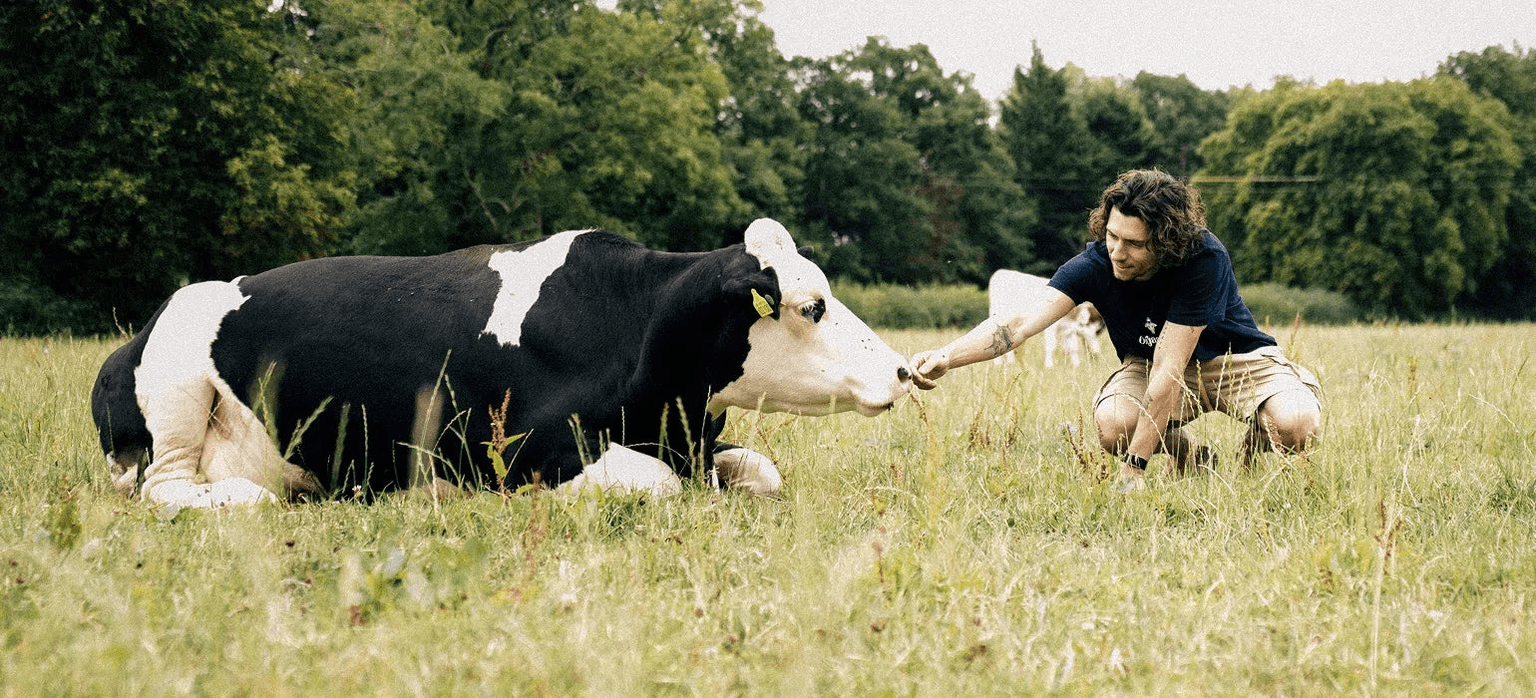

Neat little fillets. Boneless breasts. Skinless thighs. Vacuum-packed mince. Everything trimmed, sanitised, and shaped into the same handful of “acceptable” cuts. It’s convenient, sure. But it’s also wildly unnatural.
For most of human history, eating an animal meant eating the animal. Not just the photogenic bits. It meant bones simmered into broth, fat rendered into cooking oil, liver eaten first because it spoils fastest, and connective tissue slow-cooked until it turns into glossy, gelatinous goodness.
Nose-to-tail eating is that ancient default, returning with a vengeance. Not because it’s edgy. Not because people want to prove they can stomach liver. But because something in us recognises it as deeply sane.
This article is general information, not medical advice. Speak to your clinician about your own needs.

So what is nose-to-tail eating?
Nose-to-tail eating means consuming as much of the animal as possible, leaving very little to waste. It is the practice of using the full spectrum: muscle meat, organs, bones, skin, fat, cartilage, and connective tissue.
And it is not some niche hobby for people who own cast iron pans and say things like “ancestral” unironically. It’s simply what happens when you respect the life that fed you.
It is also, quite practically, what happens when you want the nutrition the animal actually offers, rather than the narrow slice modern food culture has decided is normal.
How we got so far from the whole animal
Somewhere along the line, we started outsourcing our relationship with food. We stopped buying from people with muddy boots and sharp knives and started buying from fluorescent aisles. The animal disappeared behind plastic film. Then behind “lean protein” marketing. Then behind fear, squeamishness, and the idea that organs are gross, fat is bad, and bones belong in the bin.
At the exact moment we started eating the most narrow, stripped-down version of meat, we also started obsessing over supplements, protein bars, collagen powders, and “functional” foods. We gave up the original multivitamin, then tried to recreate it in capsules. Nose-to-tail is the reversal of that - a return to the obvious.

Why the nose-to-tail movement is coming back
This “movement” is really a reawakening. A collective remembering. And it is being driven by a few very human forces.
People want real nutrition again
Muscle meat is valuable. Protein matters. But muscle meat alone is not the full nutritional story. Organs contain dense, bioavailable nutrients that are harder to find in other foods, including fat-soluble vitamins, B vitamins, and minerals. Then there’s collagen-rich parts like skin, tendons, and bones, which bring in collagen and gelatin, compounds that support connective tissue, skin, and gut integrity.
This is why people who start eating nose-to-tail often notice something subtle but unmistakable. They feel… fed. Not just full. Nourished.
People are tired of waste
If you are going to eat meat, wasting half the animal is a strange kind of disrespect.
Bone broth is the perfect example of how nose-to-tail thinking flips waste into nourishment. You take what is often discarded and turn it into a rich, mineral-packed staple, reducing waste and honouring the whole animal in a very tangible way.
This is the nose-to-tail mindset in a nutshell: nothing valuable gets tossed just because it looks unfamiliar.
People want ethical consistency
There’s a quiet logic to this. If an animal died to feed you, the most respectful thing you can do is use as much of it as possible.
Nose-to-tail doesn’t automatically make someone “ethical,” but it does reduce the gap between values and behaviour. It nudges you toward eating less wastefully, buying better quality, and treating meat like something that deserves reverence, not something you mindlessly throw into a wrap between meetings.
People are watching the cost of living
And here’s the part nobody tells you loudly enough. Nose-to-tail is often cheaper. The most nutrient-dense parts of the animal are often the least popular, which means they can be dramatically underpriced compared to prime cuts.
Sometimes, butchers literally have organs and offcuts sitting in the back fridge at a fraction of the price per kilo, and some may even give certain parts away.That’s not a fringe benefit. That is a practical revolution.

Respecting the whole animal: it’s not just what you eat, it’s how you eat
Nose-to-tail is not a checklist. It’s a posture. It asks: if I am taking life to sustain my life, can I do it with respect?
Respect can look like:
- Buying less meat, but higher quality meat.
Choosing farms and butchers that treat animals like living beings, not units. - Cooking with patience, using slow heat and time instead of ultra-processed shortcuts.
- Using bones for broth, fat for cooking, organs for micronutrients, and tougher cuts for long braises.
- Treating food like a relationship, not a macro target.
This is why nose-to-tail pairs so naturally with the wider “back to foundations” movement. The people drawn to it are often the same people tired of trend cycling.
They want habits so solid they stop overthinking health.

The nutritional magic: what muscle meat leaves out
Let’s make it simple.Muscle meat is the “building” part. Organs are the “function” part. Bones and connective tissue are the “repair” part.
You can survive without the full spectrum, of course. People survive on beige food and iced lattes all the time. But thriving tends to require more nuance than modern diets provide.
Here’s what nose-to-tail brings back into the picture:
Organs: nature’s concentrated nutrient storehouse
Organs are dense in vitamins and minerals, including fat-soluble vitamins and B vitamins, plus minerals like iron and zinc. And they each come with their own “specialty.”
Heart, for instance, contains CoQ10, a compound associated with cellular energy production. If you want a very practical, human way to explore this, we have a guide that matches different organs to different needs, with recipes for each.
Bones, skin, tendons, and connective tissue: the collagen-rich realm
These are the parts modern diets tend to erase. But they matter, especially for anyone dealing with gut fragility, joint creaks, skin that feels like it has lost its bounce, or recovery that takes longer than it used to.
Bone broth is the classic entry point because it is gentle, versatile, and wildly rewarding to make. It also embodies the nose-to-tail ethic perfectly: transforming “scraps” into something golden.
If you want to start here, use this bone broth recipe.
Animal fats: the forgotten cooking ally
Nose-to-tail includes fat. And fat is not the enemy. Fat is flavour, satiety, and the original cooking medium. Render it, save it, use it. It’s what makes vegetables taste like a meal and what turns “healthy eating” from punishment into pleasure.
The nose-to-tail movement is not about being extreme
Let’s clear something up.
Nose-to-tail is not about eating eyeballs on day one. It’s not about forcing yourself to “like” liver in a heroic act of willpower. And it is definitely not about turning dinner into a test of toughness.
The goal is simply to widen your diet beyond the modern handful of cuts and to bring back the parts that made traditional diets nutritionally complete. Start small. Stay consistent. Let your palate evolve.

Here’s a beginner-friendly blueprint that actually works in a normal kitchen, with a normal life.
Step 1: Begin with broth
Make bone broth once a week. Sip it. Use it to cook rice. Build soups and stews with it. Let it quietly upgrade your entire diet.
Use this recipe.
Step 2: “Hide” organs in familiar foods
Burgers. Meatballs. Chilli. Bolognese. Shepherd’s pie. This is the stealth method, and it’s popular for a reason.
If you want done-for-you inspiration, we have a full week of recipes designed around this idea.
Step 3: Make friends with your butcher
Butchers are the gatekeepers of the good stuff, and many are thrilled when someone asks for the cuts that usually get ignored. If you want a cheat sheet of what to ask for and how to use it, you might find this useful: The nutrient dense cuts your butcher might even give you for free.
Step 4: Add one “nose-to-tail habit” per month
- Month 1: Bone broth weekly
- Month 2: Liver once a week (or blended into mince)
- Month 3: Render fat and cook with it
- Month 4: Try heart in a stew or mince mix
-
Month 5: Buy oxtail or shank and slow cook it
This is how it becomes a lifestyle, not a phase.
Step 5: Use nose-to-tail to make eating well cheaper
If budget is part of your reality (it is for most people), nose-to-tail can actually make nutrient-dense eating more accessible.
If you’re interested in other ways to reduce your weekly food bill, make these 6 swaps to halve your food bill.
The real point of nose-to-tail eating
Nose-to-tail is not a trend. It’s a correction. A return to the full offering of an animal, to the kind of nourishment that feels deep in the body, and to a way of eating that carries respect in every step. If you’re going to eat meat, eat it like you mean it. Not just the easy parts. Not just the “lean” parts. The whole animal.

Quick answers to common questions
Isn’t this… gross?
Only because we’ve been trained to think so. Most people love nose-to-tail foods without realising it. Gelatin-rich slow-cooked meat, crispy chicken skin, rich gravy made from bones, pâté on toast. These are traditional comfort foods in disguise. Your palate is not fixed. It adapts fast when you feed it well.
Do I need to eat organs every day?
No. In fact, for some people, less is more. Organs are concentrated. A small amount can go a long way. A common beginner rhythm is once or twice per week, or small blended amounts more often.
(And if you have specific health conditions, or you’re pregnant, you should talk to a qualified practitioner about what makes sense for you.)
Is nose-to-tail just for meat eaters?
Nose-to-tail is inherently animal-based, yes. But the deeper principle is respect and whole-food nourishment. Even if you are not ready to go fully nose-to-tail, you can still take steps toward less waste and more nutrient density: broth, better sourcing, fewer ultra-processed foods, and more traditional cooking methods.
- Ancestral NutritionNatural Flavourings Are Not Natural. Here's Why.What natural flavouring actually means in food law. FDA and FSA loopholes, and why the label is misleading.
- Ancestral NutritionAncestral Diet: The Simple, Seasonal, Nose-To Tail Way To EatModern health culture can feel loud. Protein hacks, powders, trends with complicated rules. The ancestral diet is the opposite. It is quiet, simple, and
- Ancestral NutritionFermented Foods: A Tradition Worth RevivingDiscover the gut-healing power of fermented foods. Learn how sauerkraut, kefir, and kimchi support digestion, immunity, and ancestral health practices.
Nourishment, without the taste.
Cooking organs twice a week doesn’t fit every routine. Organised is an organ blend, grass-fed, freeze-dried, nothing else.