Ancestral Diet: The Simple, Seasonal, Nose-To Tail Way To Eat
Modern health culture can feel loud. Protein hacks, powders, trends with complicated rules. The ancestral diet is the opposite. It is quiet, simple, and
 Niall Kiddle · Founder, OrganisedReviewed by Pedro Rodrigues6 min read · Updated
Daily blend
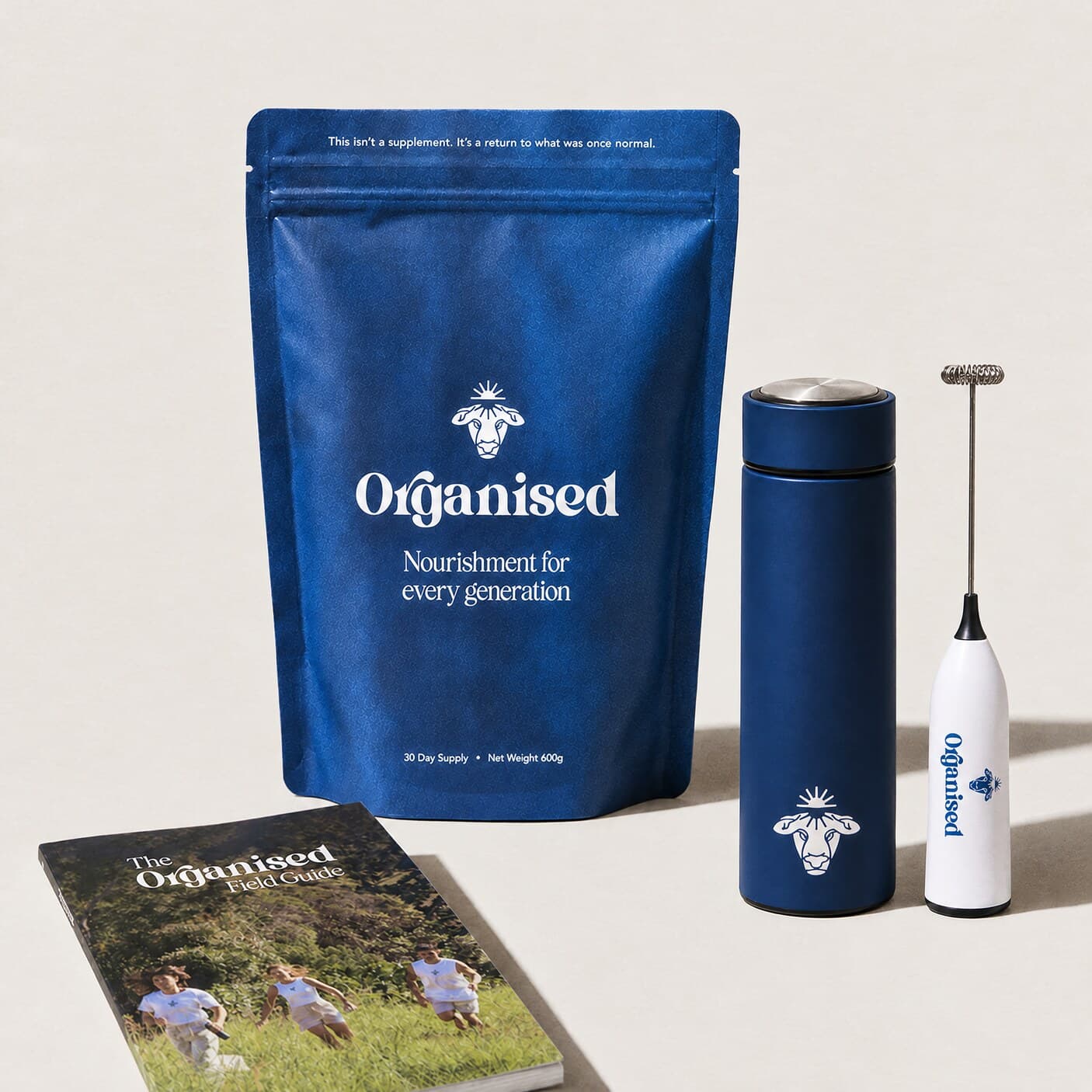
Eight real ingredients built around grass-fed beef organs, collagen and colostrum. Nothing synthetic added.
4.9 on Trustpilot · 200,000+ thriving familiesModern health culture can feel loud. Protein tricks, powders, trends with complicated rules. The ancestral diet is the opposite. It is quiet, simple, and deeply human. Whole foods. Seasonal rhythms. Respect for the animals and the soil. Real fats that your grandmother would recognise. This is how Organised already encourages you to eat, and it’s why our customers feel calmer, stronger, more nourished when they live this way.
What is an ancestral diet?
At its core, the ancestral diet is a pattern of eating that mirrors what nourished humans for millennia: minimally processed, nutrient‑dense foods from animals and plants, eaten in season, sourced locally when possible, and prepared with traditional methods. Think grass‑fed meat, organ meats, eggs, raw or gently processed dairy, bone broths, seafood, fruit, roots, and fermented foods. It replaces industrial seed oils with stable cooking fats like butter, ghee and tallow, and it favours simple ingredients over labels you cannot pronounce.
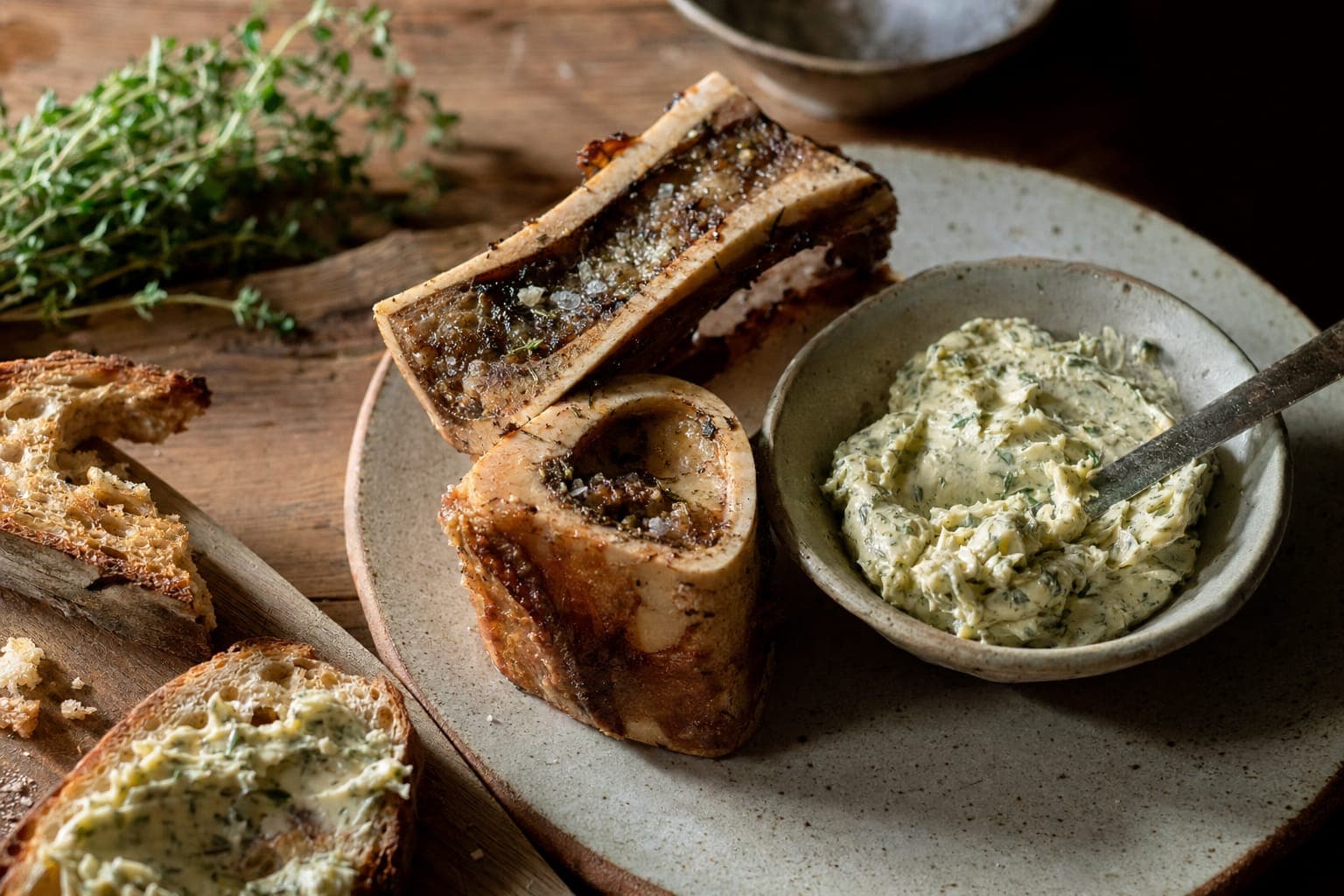
Nose to tail is a pillar here. Using the whole animal is ethical, economical, and uniquely nutrient‑dense. Heart offers CoQ10 for mitochondrial energy. Liver brings retinol, B vitamins and heme iron. Bones and connective tissue provide collagen‑building amino acids your joints and gut adore.
Raw and cultured dairy can have a place for many people, especially when sourced well. We covered how milk processing changes structure and how to choose farms wisely.
What are the benefits of an ancestral diet?
Hormone health
Stable animal fats supply cholesterol and fat‑soluble vitamins, the raw materials your body uses to build hormones. Traditional fats support hormonal resilience and this is why swapping out seed oils matters.
Lower inflammation load
Ditching ultra‑processed foods and unstable seed oils reduces oxidative stress. Choosing butter, ghee and tallow for cooking is a simple, protective swap you feel quickly. Here’s our cooking fats guide if you want to see what the best options are.
Better gut health
Bone broth, fermented dairy, and gentle whole foods soothe and rebuild. Raw milk kefir and colostrum, used thoughtfully, can support the gut lining and immune education.
Micronutrient density
Organ meats are nature’s multivitamins. Heart for CoQ10, liver for retinol and B12, kidney for selenium, marrow and skin for collagen peptides. You get more nutrition per bite with nose to tail.
Smaller footprint
Buying from regenerative farms, eating seasonally, and utilising the whole animal respects land, animals, and budget. We encourage local, ethical sourcing and practical cost‑saving swaps.

What foods can I eat on an ancestral diet?
Build your plate around:
-
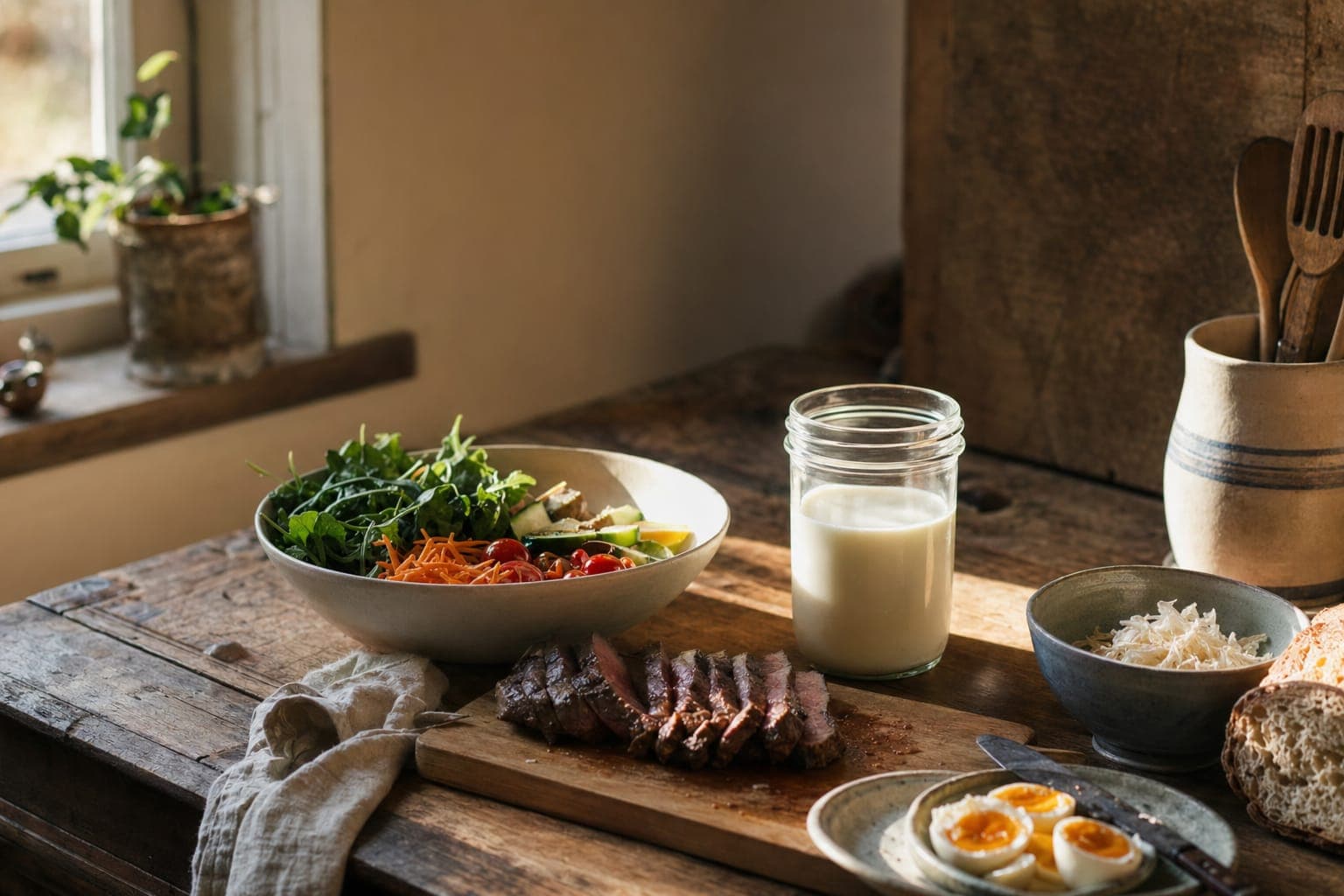
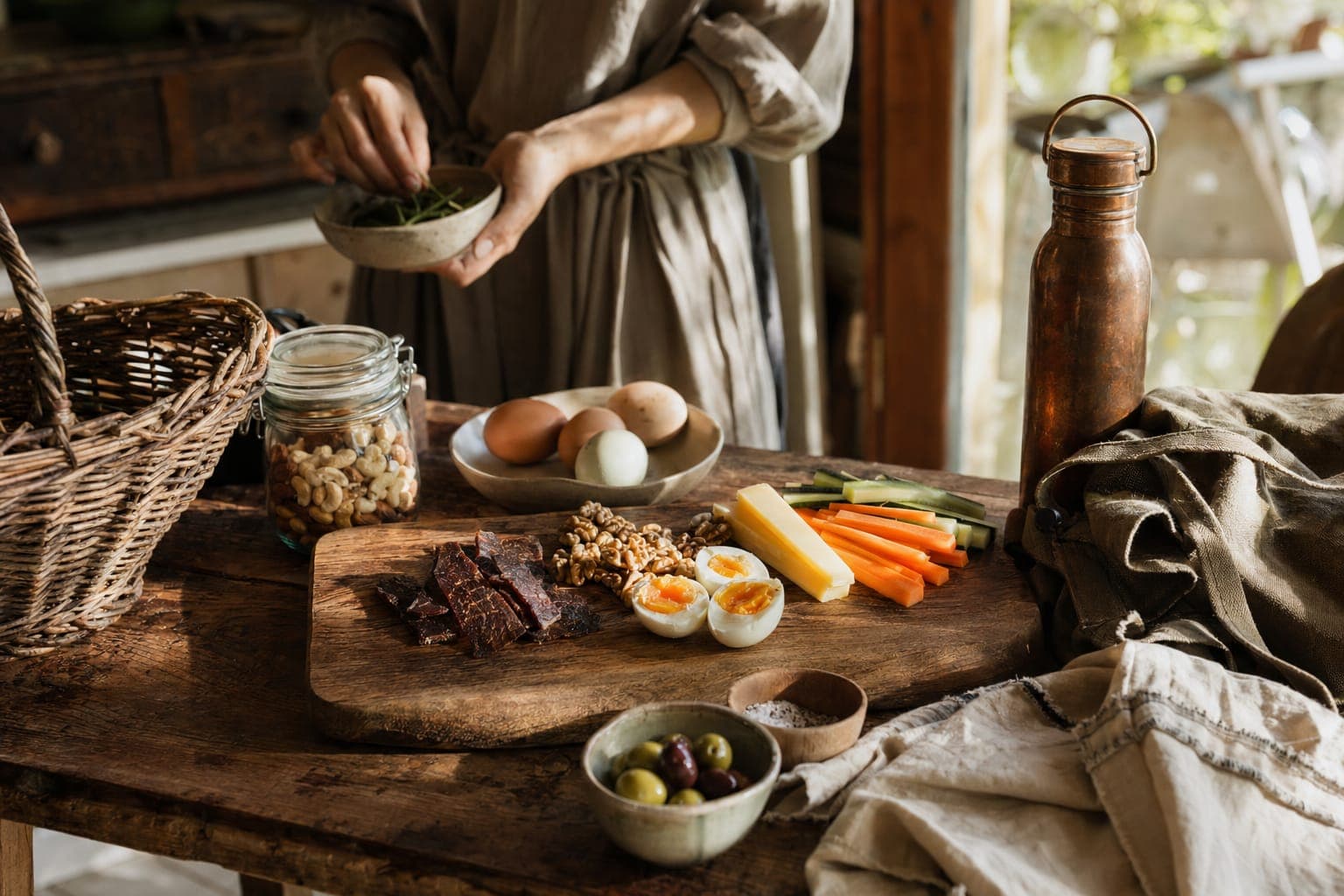
Animal proteins: beef, lamb, game, poultry, wild‑caught fish, shellfish.
-
Organ meats: liver, heart, kidney, spleen, pancreas. Start small, blend into mince, or make pâté.
-
Collagen‑rich cuts: oxtail, shanks, skin, feet, bones for broth.
-
Dairy: raw milk, raw cheese, raw cream and cultured options if well‑tolerated and sourced from clean, grass‑fed herds.
-
Traditional cooking fats: butter, ghee, beef tallow, with quality olive oil for cool uses or quick finishes
-
Seasonal fruit and roots: berries, citrus, apples, squash, potatoes, carrots, beets.
-
Fermented foods: kefir, yogurt, sauerkraut, raw honey in moderation for energy and enzymes.
Ancestral eating is not meat‑only. It is meat‑centric when appropriate, paired with seasonal plants, and guided by how you feel.
What to avoid on an ancestral diet
-
Industrial seed oils: sunflower, soybean, rapeseed/canola and blends that oxidise easily and disrupt cellular signalling. Choose stable fats.
-
Ultra‑processed foods: emulsifiers, artificial flavours, gums, and long ingredient lists that undermine digestion and hormones.
-
Refined sweets and flours: swap for fruit, raw honey, and sourdough when you want something gentle and real.
If you love mayo or dressings, make them seed‑oil‑free at home. Here’s our simple mayo recipe that blends like a dream.

Get ancestral nutrition guides, free
Two short reads a week on traditional ways of eating, examined with modern evidence.
Unsubscribe anytime.
Restoring lost nutrients: collagen, colostrum, offal
Collagen
Your fascia, skin, joints and gut lining rely on glycine, proline and hydroxyproline. Slow‑simmered bone broth, oxtail stews, and skin‑on cuts rebuild what modern eating left behind.
Colostrum
Nature’s first food is rich in immunoglobulins and growth factors that support barrier function and immune education, which is why we recommend thoughtful use in family nutrition.
Offal
Liver, heart, kidney, spleen and pancreas concentrate vitamins and minerals in a way muscle meat cannot. Start by blending 10 to 20% finely chopped heart or liver into burgers or meatballs.
For easy daily coverage, Organised’s whole‑food organ blend combines beef organs with collagen and colostrum in one serving that stirs into yogurt, raw milk, or smoothies.

Where can I source local products?
- Ask the people who grow and raise your food. Farmers’ markets, on‑farm shops, and small butchers are your best friends. Ask for marrow bones, suet, liver, heart, and feet. Many butchers will happily order them in.
- Choose clean milk from clean dairies. Learn the difference between homogenised vs unhomogenised and pasteurised vs raw, and buy from farms with transparent standards. Our milk sourcing guide explains how to assess quality.
- Use the Organised app. Our app features partner farms and vendors, and lets you order from producers like Hill Farm Real Food who offer raw A2, grass‑fed dairy and cultured products. Find it on the App Store or Play Store.
- Think seasonal. Eat what the land is giving now. Seasonal produce plus rich animal foods equals steady energy and simpler shopping.
- Keep it affordable. Broths, stews, organ blends, and tallow are nutrient‑dense and budget‑friendly. See our money‑saving swaps for weekly wins.

Should I eat an ancestral diet?
If you are tired of labels and long ingredient lists, yes, this way of eating will likely feel like coming home. It is flexible, family‑friendly, and forgiving. You do not need perfection to feel better. Start with three steps this week:
- Swap seed oils for stable fats when you cook. Butter, ghee, tallow.
- Add one nose to tail element daily: a mug of broth, a paté, liver blended into burgers.
- Upgrade milk if you tolerate dairy: choose local, grass‑fed, and minimally processed, or if you really want to take the plunge into ancestral living, try some raw milk. Just make sure to follow our raw milk sourcing guide.
If you want recipe inspiration, try our 7-days of nose to tail recipes, or our 7-days of breakfast recipes.
Quick answers to common ancestral diet questions
Is the ancestral diet the same as paleo or carnivore?
Not exactly. It shares DNA with paleo, but is less dogmatic. It encourages animal foods, organ meats, traditional fats, raw or cultured dairy when tolerated, plus seasonal plants.
Can I eat carbohydrates?
Yes. Fruit, honey, root vegetables and properly prepared grains can sit comfortably within an ancestral pattern. Choose quality and seasonality.
What fats should I cook with?
Use stable fats: butter, ghee, beef tallow. Keep olive oil for low‑heat or finishing and be mindful of adulteration in low‑quality bottles.
What about seed oils when eating out?
Do your best. At home, use seed‑oil‑free mayo and dressings. When out, opt for grilled or roasted dishes and request butter or olive oil.
Is raw milk safe?
Source matters. Seek farms with impeccable hygiene and grass‑fed herds, start slowly, and consider cultured raw dairy first. See our milk sourcing guide for specifics.
How do I get organs in without tasting them?
Blend 10 to 20% liver or heart into mince, make paté, or use Organised’s whole‑food organ blend in yogurt or smoothies.
Is this expensive?
It can be budget‑friendly when you lean on bones, organs, seasonal produce, and bulk buying.
Bring it to life
Cook at home. Source from people you know. Let your plate reflect your season and your soil. If you want a hand finding farms, open the Organised app and use our partner directory. If you want a daily safety net, stir a serving of Organised into your yogurt or raw milk. Consistency will do the rest.
Who wrote and reviewed this guide
Niall Kiddle
Author · Founder, Organised
Niall is the founder of Organised. He started the company in 2024 after fixing his own health the slow way: in 2022 he swapped a cupboard of synthetic supplements for real food, raw milk, organ meats, bone broth and honey, and felt the difference within months.
Areas of expertise: Ancestral nutrition, Organ meats, Whole-food supplementation, Gut health, Regenerative sourcing
Read Niall's full profile
Pedro Rodrigues
Reviewer · Agronomist (farming and sourcing only)
Pedro is the agronomist Organised works with on farming and sourcing. His job on the guides is to keep the science honest: he reviews what we publish about soil health, regenerative agriculture, grazing and the way food is actually produced.
Areas of expertise: Regenerative agriculture, Agronomy, Soil health, Grass-fed farming, Food sourcing
Reviewed this guide on
Read Pedro's full profilePublished · Updated
Makers of the Organised Daily blend, a grass-fed beef organ supplement from regenerative UK farms

Daily blend
Read next