Is Polyester Bad For Hormones? Your Guide To Hormone Safe Clothing
You probably do not think much about the fibres that sit against your skin all day. The leggings you live in. The sports bra you sweat in. The school uniform your child wears five days a week.

By Niall Kiddle, Founder, Organised

Reviewed by Pedro Rodrigues, Agronomist (farming and sourcing only) ·
9 min read · Published · Updated
Makers of the Organised Daily blend, a grass-fed beef organ supplement from regenerative UK farms

Most of these have one thing in common: polyester.
The question people are finally asking is the one you typed into Google:
"Is polyester actually bad for hormones, or is this just wellness fear mongering?"
Let’s answer that clearly, then unpack the nuance.

Quick answer: is polyester bad for your hormones?
Short version:
- Polyester itself is a plastic fibre made from petrochemicals.
- To spin it into clothing, brands often add or leave residues of BPA, phthalates and antimony, all known or suspected endocrine disrupting chemicals.
- These chemicals can migrate out of fabric into sweat and artificial skin models, especially with heat, friction and moisture.
- Synthetic clothes also shed microplastics and nanoplastics, which carry hormone disrupting chemicals and are increasingly linked with endocrine effects in animals and cell studies.
We do not yet have giant human trials showing “polyester causes condition X”. What we do have is a growing stack of evidence that polyester garments are a daily, intimate source of known hormone disruptors on top of all the plastics in our food, water and homes.
So if you are dealing with fertility issues, thyroid problems, PCOS, endometriosis, or you simply want to lighten your endocrine load, polyester is not your friend.
Polyester 101: what you are actually wearing
Polyester is not a neutral “fabric”. It is usually PET polyester, short for polyethylene terephthalate, the same plastic used for drinks bottles.
To turn PET into a soft, stretchy legging or bra, manufacturers:
- Melt and extrude the plastic into ultra fine fibres.
- Treat it with catalysts and metals like antimony
- Add dyes, stain repellents, softeners, print coatings and sometimes flame retardants.
By the time a garment reaches you, it is no longer “just polyester”. It is a chemical cocktail held in a plastic sponge, designed to warm up with your body, flex with movement and soak up sweat.

How can clothes affect hormones at all?
Your endocrine system uses microscopic signals to regulate:
- Menstrual cycles and ovulation
- Thyroid function and metabolism.
- Sperm production and testicular health.
- Stress response, blood sugar and sleep.
Endocrine disrupting chemicals (EDCs) are substances that mimic, block or interfere with these signals at very low doses. BPA and several phthalates are classic examples, linked with fertility issues, altered puberty timing, thyroid disruption, insulin resistance and more.
We usually talk about EDCs in food containers, receipts or cosmetics. But skin is not a perfect barrier. Studies show that:
- BPA can be absorbed through skin, including from textiles like sports bras and socks that contained levels above Californian safety limits.
- Textile phthalates can migrate into artificial sweat and air; dermal contact and dust inhalation are now recognised exposure routes.
Now imagine those chemicals pressed against warm, damp skin for 16 hours a day, including over the most hormone sensitive tissues of the body.

What is hiding inside polyester clothes?
Let’s look at the main hormone related concerns in polyester garments.
BPA and bisphenols in activewear and socks
Independent testing by the Center for Environmental Health (CEH) found high BPA levels in polyester and polyester spandex sports bras, socks and athletic tops from big brands. In some cases, estimated exposure was more than twenty times the legal limit set in California.
BPA is not new. It is a well studied endocrine disruptor associated with:
- Reduced sperm quality and altered testicular development.
- Menstrual irregularities.
- Higher risk of certain hormone related cancers in animal and epidemiological work.
The problem is placement. These BPA coated fibres are often found in:
- Sports bras directly over breast tissue.
- Leggings and socks over the pelvic area.
Exactly where you least want a daily hit of synthetic estrogens.
Antimony and other metals in polyester
Antimony compounds are used as catalysts in PET production. Surveys show antimony is present in the majority of polyester garments, and when those textiles sit in artificial sweat, up to 2 percent of that antimony can leach out into the liquid.
Antimony is not technically a classic endocrine disruptor, but it is:
- A suspected carcinogen.
- Toxic to heart, lungs, skin and liver at higher doses.
We do not yet know what chronic, low level antimony exposure from clothing does to long term hormone health, but it adds to the overall metal and toxin burden that your detox systems have to clear. If you want to know more on this topic check out our guide on how to detox heavy metals.
Phthalates in prints, elastics and logos
A 2024 review of over 120 studies on clothing found widespread phthalate contamination in textiles, particularly in synthetic garments and printed areas.Phthalates are used to soften plastics, fix prints and add flexibility. They are strongly linked with:
- Decreased testosterone and poor sperm parameters.
- Menstrual and ovulatory problems.
- Higher rates of allergy, asthma and metabolic issues in children exposed early in life.
Dermal contact and inhalation of dust from clothing are now recognised as dominant exposure routes for infants and children, who lie, crawl and sleep in close contact with fabrics.
Microplastics and nanoplastics
Every time you wear or wash polyester, tiny plastic fibres shed. Reviews now classify synthetic textiles as a major source of microplastic pollution in air, indoor dust and water.
These particles do not stay outside you. Microplastics and nanoplastics have been found in:
- Human blood, lungs and placentas.
- Animal reproductive organs and endocrine tissues.
Emerging work suggests these particles can:
- Carry and slowly release BPA, phthalates and PFAS.
- Trigger inflammation in endocrine organs.
- Interfere with hormone receptors in experimental models.
Again, the science is still evolving, but the direction is not reassuring.

Polyester and fertility: what do studies show?
This is where things get uncomfortable.
Small but striking experiments have looked specifically at polyester underwear.
- In a classic human study, men wearing polyester scrotal slings developed reversible azoospermia (no sperm in semen) within a few months, potentially due to heat retention and electrostatic effects.
- Additional work suggests polyester underwear can raise scrotal temperature, and synthetic tight underwear is associated with lower sperm counts compared with looser natural fibres.
These studies are small, older and not perfect. But they point in the same direction as the chemical data: synthetic fabrics that trap heat and generate static over reproductive organs are not neutral for fertility.
If you are interested in how beef organ supplements like Organised can support pregnancy, read our full guide here.

Where polyester exposure matters most for hormones
If you cannot overhaul your entire wardrobe overnight, focus on the areas with the highest hormone impact.
Underwear and bras
This is priority number one.
Your underwear and bras:
- Sit over the ovaries, testes, uterus, vulva, prostate and breast tissue.
- Are worn for the longest hours each day.
- Are most likely to be tight, warm and sweaty.
Switching to 100 percent organic cotton, linen, silk or wool here dramatically cuts daily contact with BPA loaded elastic, synthetic lace and polyester.
Activewear and leggings
Exercise is when:
- Pores open.
- Circulation speeds up.
- Core body temperature rises.
Exactly the conditions that increase chemical migration and absorption. Studies showing high BPA levels in sports bras and leggings should make us pause before living in them all day.
Look for:
- Organic cotton or hemp leggings and shorts
- Merino wool base layers for colder climates.
- Loose natural fibre tops for training.
Sleepwear and bedding
Hormones restore and rebalance while you sleep. You do not want that window spent in a polyester microplastic cloud.
Prioritise:
- Natural fibre pyjamas and nightwear.
- Cotton or linen sheets instead of polyester microfibre.
- Natural duvets rather than plastic filled ones where budget allows.

Get health guides like this, free
Two short reads a week on eating for energy, gut health, skin, sleep and more.
By signing up you agree to receive emails from us. No spam, unsubscribe anytime.
The greenwashed myth of recycled polyester
And then there’s the well-meaning marketing “Made from Recycled Bottles!”. You see this on exercise clothes, fleece jackets, even children’s pyjamas. But recycling plastic doesn’t make it harmless.
Current evidence shows that recycled polyester:
- Still sheds microplastics and releases antimony into sweat.
- May contain additional contaminants from bottle feedstock and bleaching agents.
- Can hold BPA from the original plastic, sometimes at higher levels than virgin polyester.
So while using plastic bottles again is better than sending them straight to landfill, recycled polyester on your skin is not meaningfully safer for you. It is mostly a climate solution, not a biological one.
What feels especially troubling is how brands already known for relying on low-wage factories, are using recycled polyester to make children’s clothes (and proudly championing it). It's deeply unsettling how they're marketing this as something for the youngest. These are children whose detoxification systems are still developing, who are more susceptible to hormone disruption and bioaccumulation over time.
And the cycle continues, disposable fast fashion, microplastic pollution, and the quiet erosion of health, rebranded as ethical consumption.


1 of 9
Daily blend
100,000+ thriving families4.9 on Trustpilot
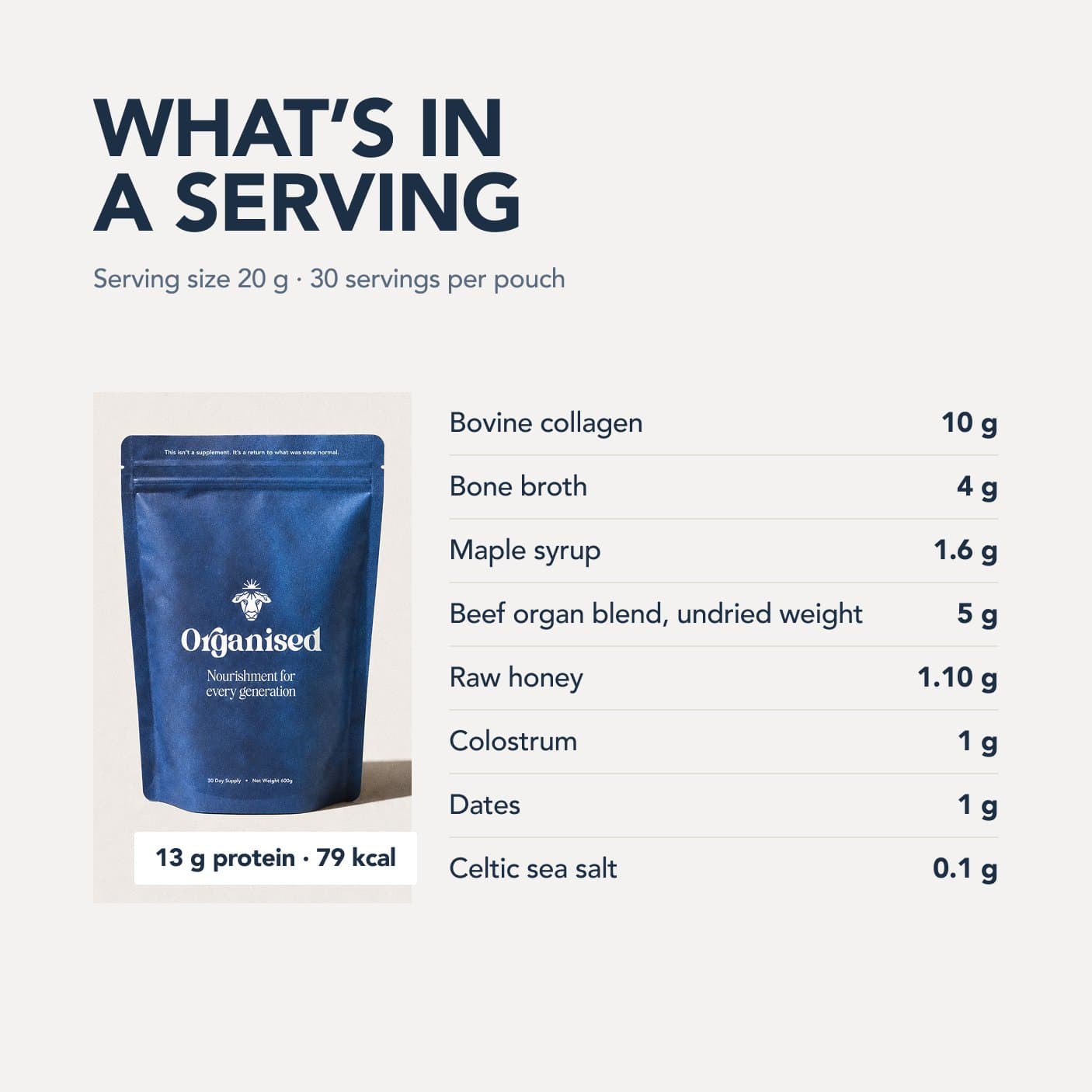
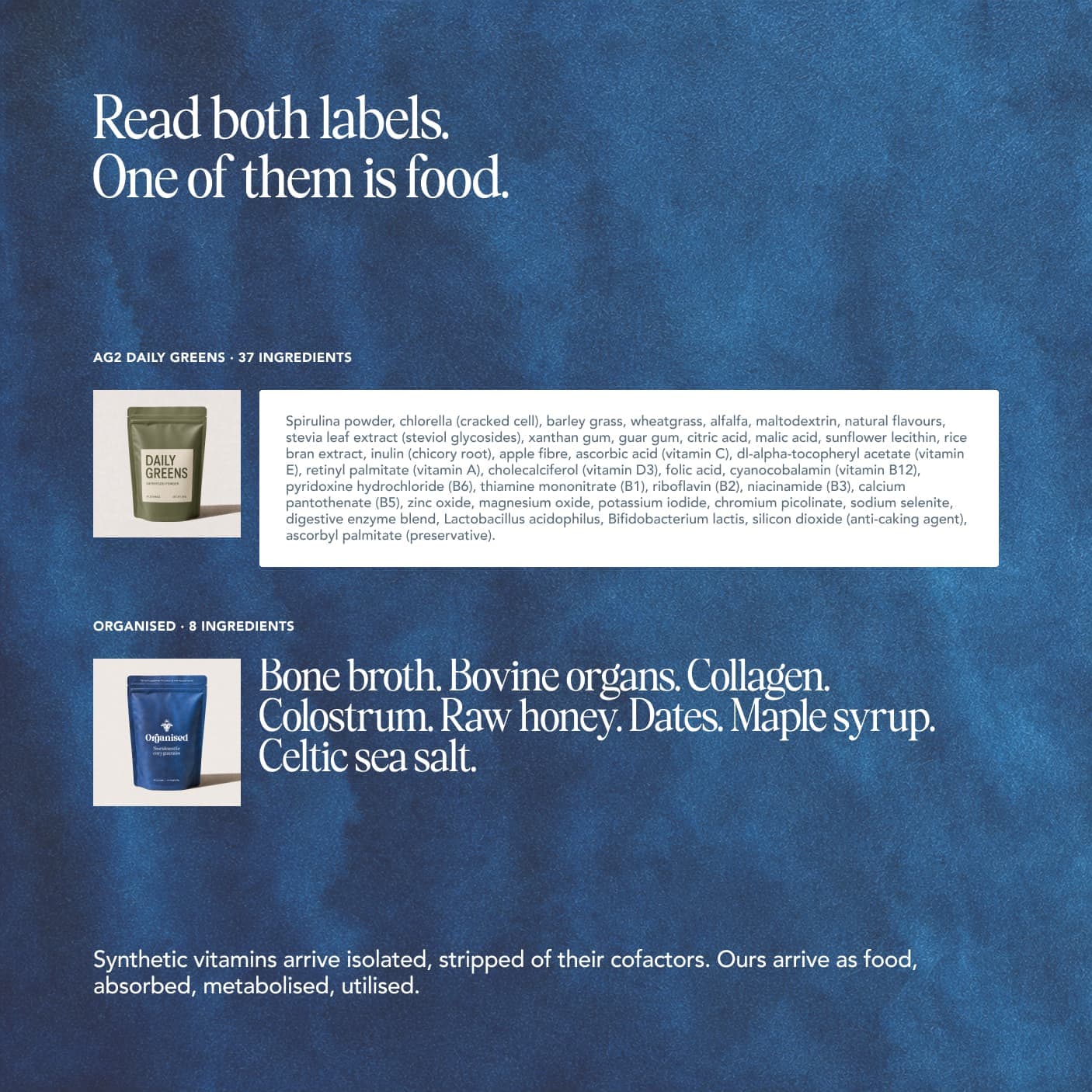
Eight real ingredients built around grass-fed beef organs, collagen and colostrum. Nothing synthetic added.
Free with your first order, worth £38. Plus £10 off the pouch with a subscription.
Free UK shipping · Made in England · 100 day money back guarantee on your first pouch · Skip, pause or cancel anytime
What to wear instead: hormone friendly fabrics
Your endocrine system prefers what your great grandparents wore by default.
Safer, hormone friendly options include:
Organic cotton
Breathable, soft, widely available.Linen
Naturally antimicrobial, cooling, incredibly durable.
Wool and merino wool
Temperature regulating, odour resistant, brilliant for activewear.
Silk
Gentle on sensitive skin, great for underwear and sleepwear.
Hemp and other regenerated cellulose fibres (for example Tencel Lyocell)
Strong, breathable and less chemically intensive than many synthetics when produced well.
These fabrics do not need phthalate plasticisers to feel soft. They do not rely on BPA coated fibres for strength. They do not shed persistent microplastics into your home.

Simple steps to rewild your wardrobe
You do not need to bin every synthetic overnight. Think of it as a slow rewilding project.
Start with the pieces closest to your hormones
- Underwear, bras, sports bras.
- Leggings, cycling shorts, tight gym tops.
Swap these to natural fibres first. This gives you the biggest hormone benefit.
Audit what you already own
- Check labels for polyester, nylon, acrylic and “recycled polyester”.
- Keep a small number of synthetic items for occasional use where needed.
- Rotate in natural fibre options whenever you replace something.
Swap these to natural fibres first. This gives you the biggest hormone benefit.
Choose quality over quantity
One well made linen shirt or merino base layer will outlast several flimsy polyester tops that lose their shape after a season. Over a few years, that often works out cheaper and far kinder to your hormones and the planet.
Shop second hand and slow
- Look for wool, cotton and linen in resale shops and online platforms
- Prioritise older, well washed garments that have already released a chunk of any finishing chemicals into their first owner’s laundry water.
Support your detox pathways
While you rework your wardrobe, you can also support your body’s natural capacity to handle the exposures you cannot fully avoid. Nourishing the liver, gut and endocrine system with:- Mineral rich foods.
- Adequate protein.
- Whole food sources of antioxidants
This helps create more resilience to the modern chemical load. Clothing is simply another layer of the same story.
If you want a convenient way to restore nutrients lost to the modern diet, Organised can fill the gaps.
Quick answers to common questions
Is polyester an endocrine disruptor?
Polyester itself is a plastic fibre. The concern is that polyester clothing often contains or carries endocrine disrupting chemicals such as BPA, phthalates and antimony, and sheds microplastics that can disturb hormone signalling in experimental models. These chemicals have documented hormone impacts, and several studies show they can migrate out of polyester garments into sweat and artificial skin systems.
Is it safe to wear polyester if I have PCOS, endometriosis or low testosterone?
There is no single study proving polyester worsens PCOS or low testosterone on its own, but polyester garments do add to overall exposure to hormone disrupting chemicals. If you already have hormone related conditions, it is sensible to minimise avoidable sources of BPA, phthalates and microplastics, especially in underwear and activewear that sit over reproductive organs. Choosing natural fibres is a low effort way to reduce one daily burden on an already sensitive system.
Do I need to throw away all my polyester clothes?
No. Think hierarchy, not perfection. Focus first on:
- Underwear, bras and leggings.
- Sportswear worn hot and sweaty.
- Children’s clothes and school uniforms.
Move these to natural fibres as they wear out. For the rest, wear what you own for longer, wash synthetics in cooler cycles and a full machine rather than tiny loads to reduce shedding, and avoid buying new polyester where a natural alternative exists.
Is recycled polyester better for hormone health than regular polyester?
From a hormone perspective, not really. Recycled polyester can still contain BPA and antimony, still sheds microplastics and still relies on the same kinds of finishes and dyes. Some analyses suggest it may even contain higher levels of contaminants from bottle feedstock and bleaching. It is mainly an environmental solution to plastic waste, not a fix for endocrine exposure.
Who wrote and reviewed this guide
Niall Kiddle
Author · Founder, Organised
Niall is the founder of Organised. He started the company in 2024 after fixing his own health the slow way: in 2022 he swapped a cupboard of synthetic supplements for real food, raw milk, organ meats, bone broth and honey, and felt the difference within months.
Areas of expertise: Ancestral nutrition, Organ meats, Whole-food supplementation, Gut health, Regenerative sourcing
Read Niall's full profile
Pedro Rodrigues
Reviewer · Agronomist (farming and sourcing only)
Pedro is the agronomist Organised works with on farming and sourcing. His job on the guides is to keep the science honest: he reviews what we publish about soil health, regenerative agriculture, grazing and the way food is actually produced.
Areas of expertise: Regenerative agriculture, Agronomy, Soil health, Grass-fed farming, Food sourcing
Reviewed this guide on
Read Pedro's full profileMore on hormones
View all- Hormonal Health Starts in the Kitchen: A Whole Food Guide
- Perimenopause Nutrition: What Changes and What to Eat
- Coming Off the Pill? How to Support Your Body's Transition
- Cortisol, Stress and Nutrition: Breaking the Cycle
- Eating for Each Phase of Your Menstrual Cycle
- How Blood Sugar Instability Wrecks Your Hormones
- How Liver Supports Oestrogen Detoxification
- How Seed Oils Disrupt Your Hormones
- Insulin Resistance: The Silent Metabolic Crisis
- PCOS and Nutrition: A Whole Food Approach
- Testosterone and Nutrition: What Men Need to Know
- Thyroid Health: The Nutrients Your Thyroid Needs to Function
Browse the guides library
All guidesKeep reading

Health goals
How to Build Collagen Naturally Without Injections
Build collagen from the inside out. Bone broth, connective tissue cuts, vitamin C, and glycine create more youthful skin than any injection.

Health goals
The Surprising Link Between Protein and Sleep Quality
Learn how protein supports sleep quality through amino acids that help produce melatonin and serotonin, plus simple ways to eat for deeper, better rest.

Health goals
Testosterone and Nutrition: What Men Need to Know
Testosterone production depends on zinc, selenium, cholesterol, and vitamin D. Here's what men need to eat to optimise it.
Real food, made effortless
Start my daily blendA few ways to use it
All recipes
Organised Protein Pancakes: A Weekend Favourite
A high-protein pancake recipe using beef protein, eggs, and raw milk. Cooked in cast iron, naturally sweetened with banana and honey. Real food breakfast.
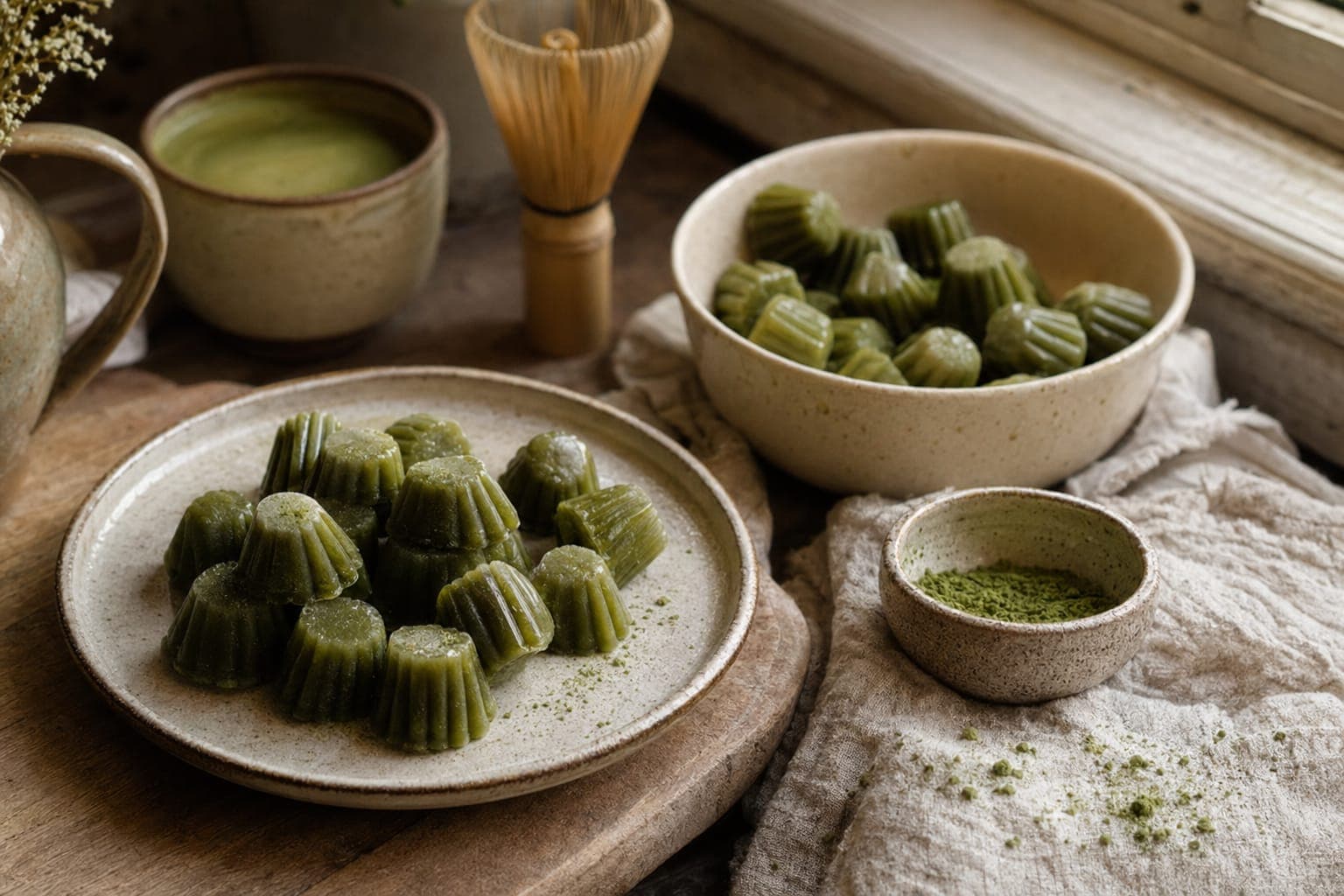
Matcha Latte Gummies with Collagen and Gelatine
Make visually stunning matcha latte gummies infused with collagen and gelatine. Simple recipe for gut-healing sweets you'll actually want to eat.

5-Minute High-Protein Breakfasts Using Organised
Quick, high-protein breakfast ideas using Organised. Five recipes you can make in minutes with real food. No fussing around.


 Join over 100,000+ members
Build a better food system with us
The Organised community is thousands of people choosing real food and backing the farmers who grow it, all of us trying to leave the world a little better than we found it. If that is what you care about too, you belong here.