Building a Whole Food Lifestyle: What Reddit Gets Right (and Wrong)
Threads about ditching processed food and building a whole food lifestyle are everywhere on Reddit, and they range from quietly wise to quietly disordered. Here is what the community gets genuinely right, where it tips into unhelpful extremes, and how to build something sustainable.
By Niall Kiddle, Founder, Organised

Reviewed by Pedro Rodrigues, Agronomist (farming and sourcing only) ·
4 min read · Published
Makers of the Organised Daily blend, a grass-fed beef organ supplement from regenerative UK farms
You find this conversation in r/EatCheapAndHealthy, r/nutrition, r/MealPrepSunday and r/HealthyFood. The best of it is practical and kind. The worst of it is orthorexic and expensive. Knowing the difference is most of the value.
What people actually ask on Reddit
The real questions are grounded: how do I eat more whole foods without spending a fortune or living in the kitchen, where do I start, and how do I make it a lifestyle rather than a two-week burst of motivation. People want a system they can keep, not a purity test.
The healthiest threads reframe it away from 'perfect' and towards 'more'. The consensus that ages well is that a whole food lifestyle is a direction of travel, not an all-or-nothing badge.
What Reddit tends to get right
- Start by cooking one more meal at home. The most practical, repeated advice. You do not overhaul everything at once, you shift the ratio of home-cooked to packaged gradually.
- Whole foods can be cheap. r/EatCheapAndHealthy is right that eggs, milk, tinned fish, mince and cheaper cuts, liver, oats, lentils, frozen veg and seasonal produce are all affordable staples. The 'whole food is only for the rich' claim is often overstated.
- Batch cooking makes it sustainable. Meal prep threads correctly identify that friction is the enemy. Cooking in batches is how busy people actually keep it up.
- Focus on adding, not just banning. The wisest posters frame it as crowding out processed food by adding more real food, which is more sustainable and less punishing than a list of forbidden items. The additions that give back the most are the traditional nutrient-dense foods: eggs, pasture dairy, seafood, organ meats and naturally fermented foods.
Reddit's healthiest take on whole-food eating: it is a direction, not a purity test. Cook one more meal at home, add more real food, and let it crowd the processed stuff out over time.
Where the threads go wrong
Purity spirals. Some communities drift into treating any packaged food as failure. This tips towards orthorexia, and the pressure to be perfect is exactly what makes people quit. A frozen bag of peas is not a moral failing.
"Everything with an ingredient list is poison." The catch-all fear of 'processed' ignores that processing is a spectrum. Tinned beans and frozen veg are processed and excellent. The concern is ultra-processed, hyper-palatable food, not all packaging. In practice the foods worth displacing first are refined white flour, refined sugar and industrial seed oils, the products of modern commerce that crowded out nutrient-dense traditional foods, not a bag of frozen peas or a tin of sardines.
Expensive-taste creep. Threads sometimes equate whole food with premium organic everything, which is neither necessary nor affordable for most people, and puts newcomers off before they start.
All-or-nothing resets. The 'I'm cutting all processed food starting Monday' posts often crash within a fortnight. Sustainable change is gradual, and the drama of a hard reset works against it.
Get stories from the community, free
Two short reads a week on the farmers, the standards, and the return to real food.
By signing up you agree to receive emails from us. No spam, unsubscribe anytime.
What actually sustains it
Pull the good advice together and a whole food lifestyle is undramatic: cook a little more than you did, lean on cheap real-food staples, batch what you can, and add rather than forbid. With grains and legumes, the traditional step is preparation: soaking, souring, sprouting or fermenting them, as older cultures did, makes their minerals more available. It is a system you adjust for the rest of your life, not a challenge you complete. Our guide on building a whole food lifestyle beyond supplements lays out how the pieces fit into a routine that lasts.
The community's real gift, at its best, is permission to be imperfect: the people who keep it up are the ones who treated it as a gradual shift, not a purity contest. That mindset, more than any specific food rule, is what Reddit gets most right.
1 of 9
Daily blend
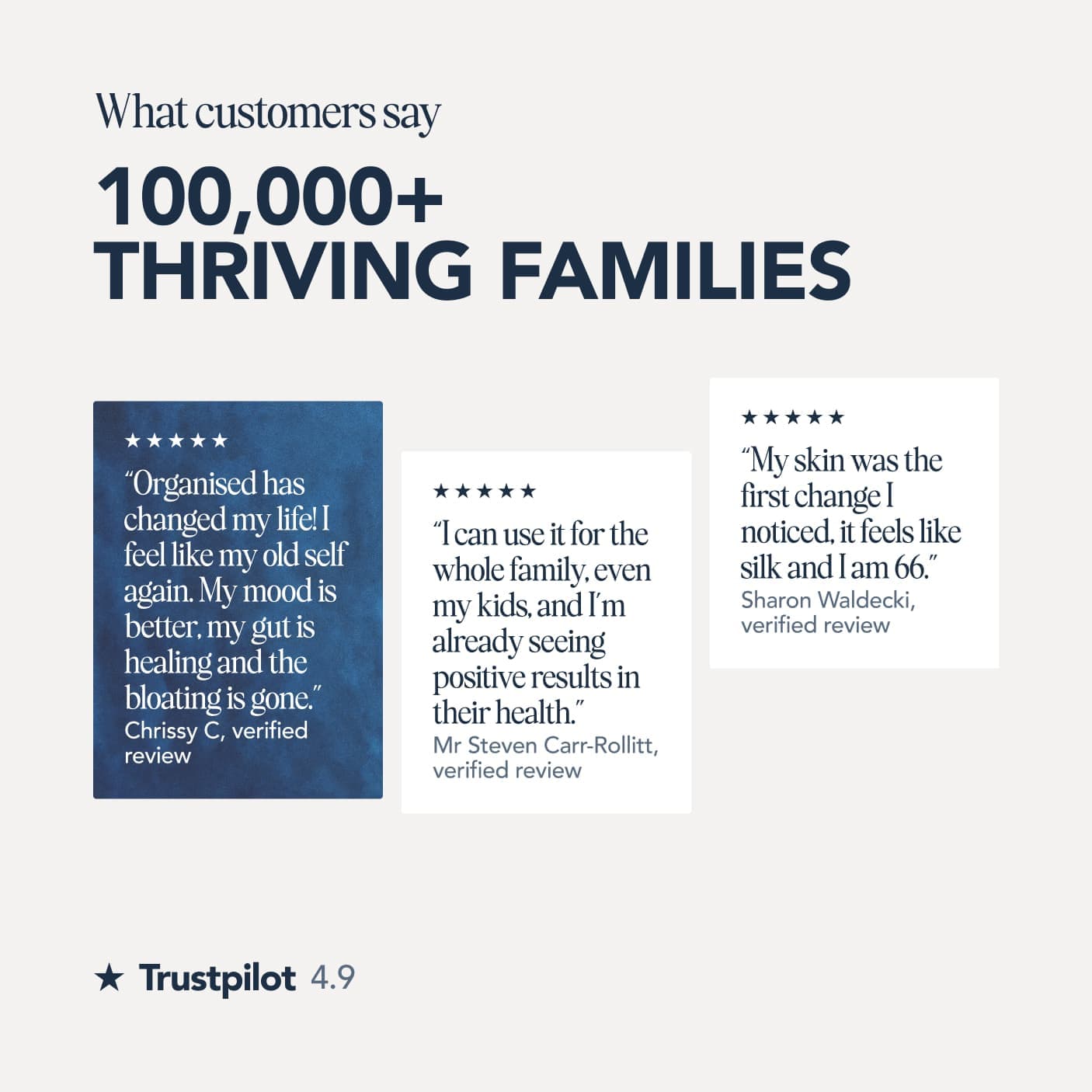
100,000+ thriving families4.9 on Trustpilot
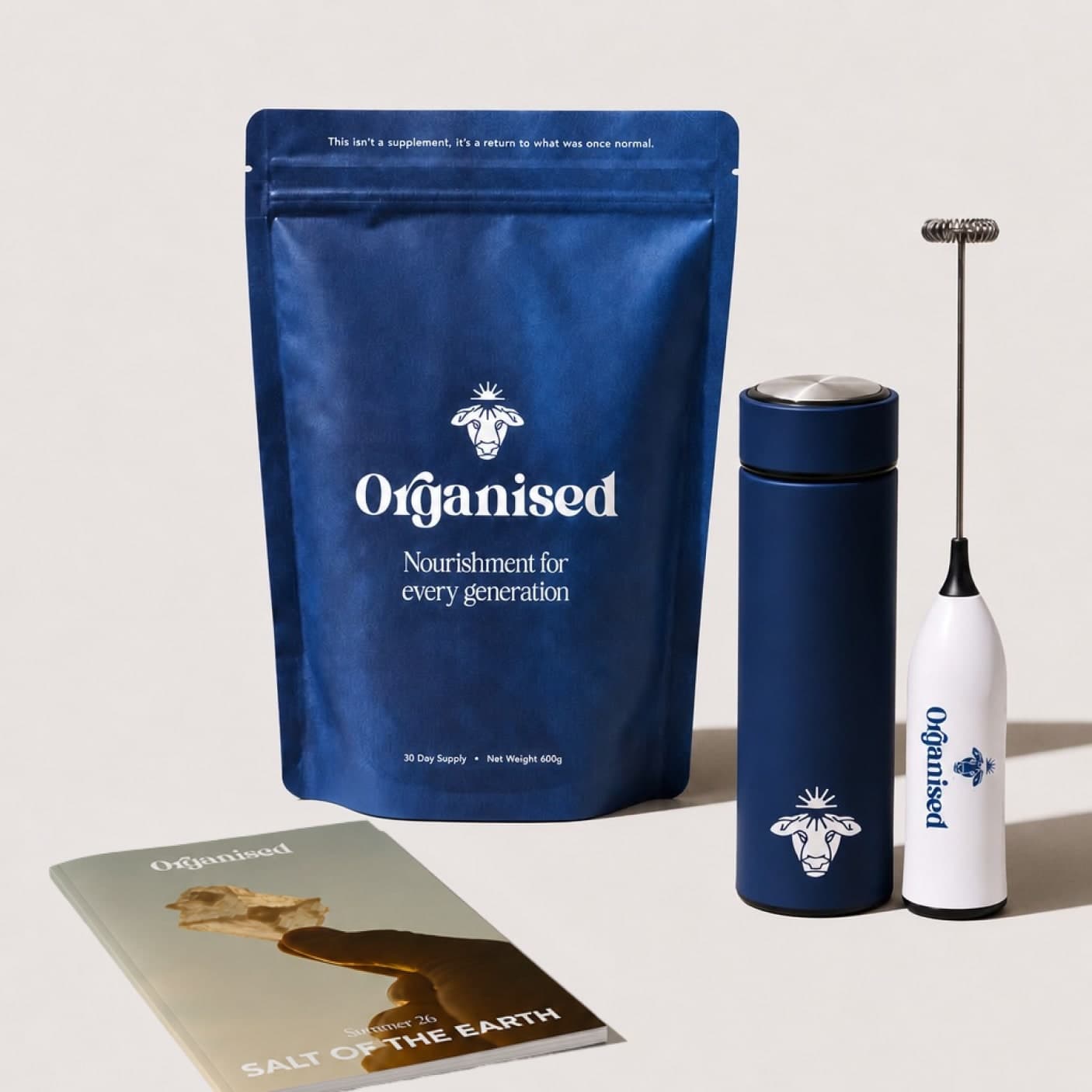
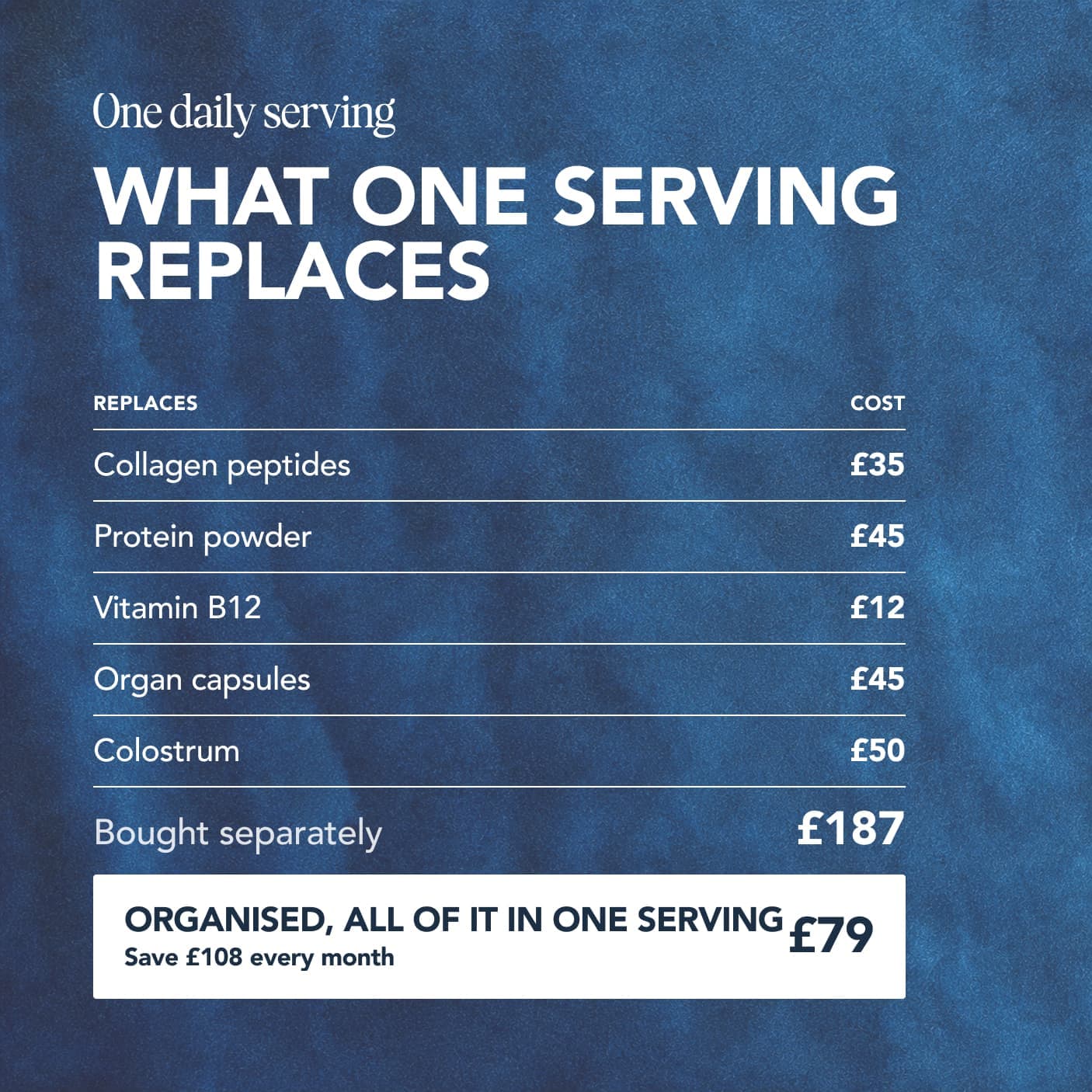
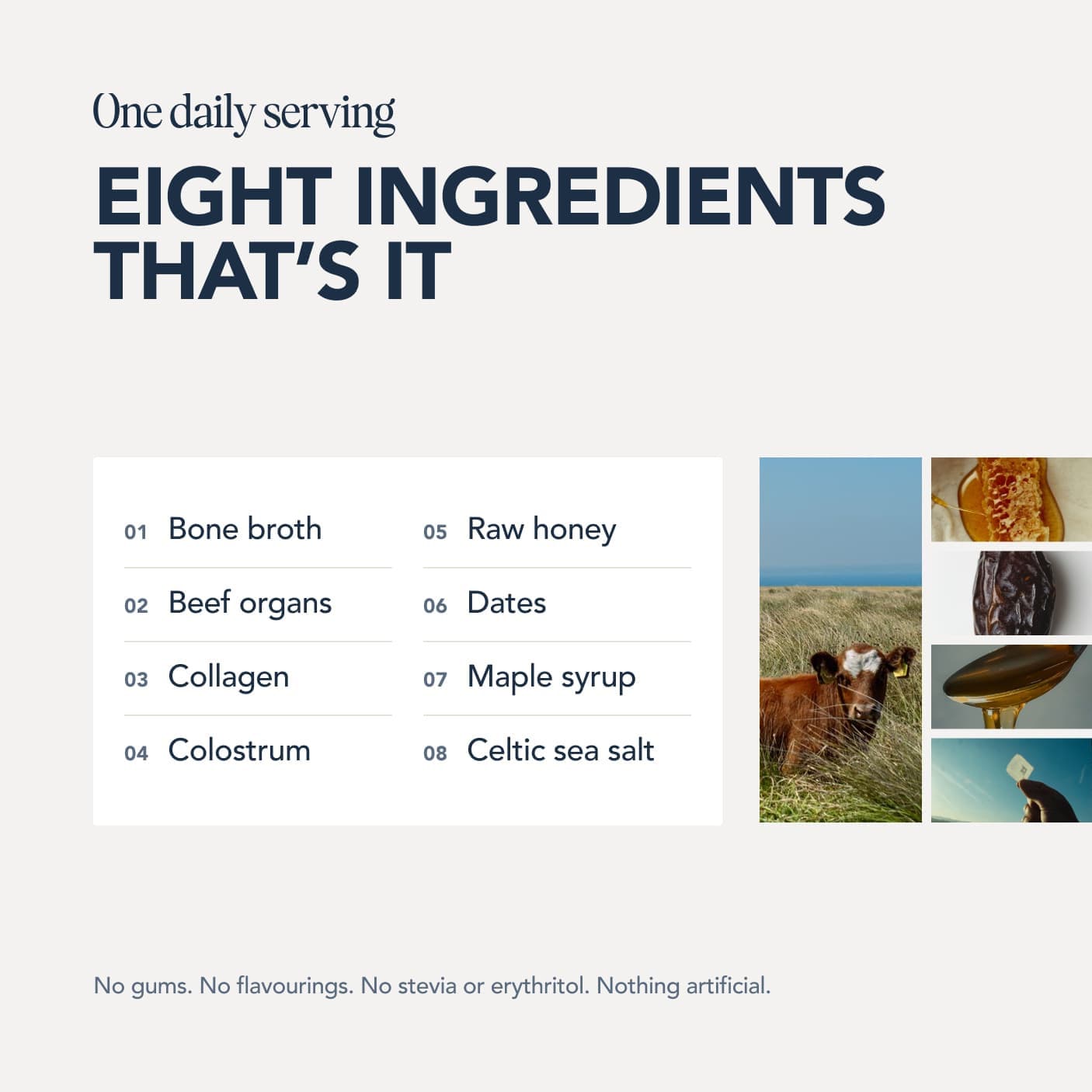
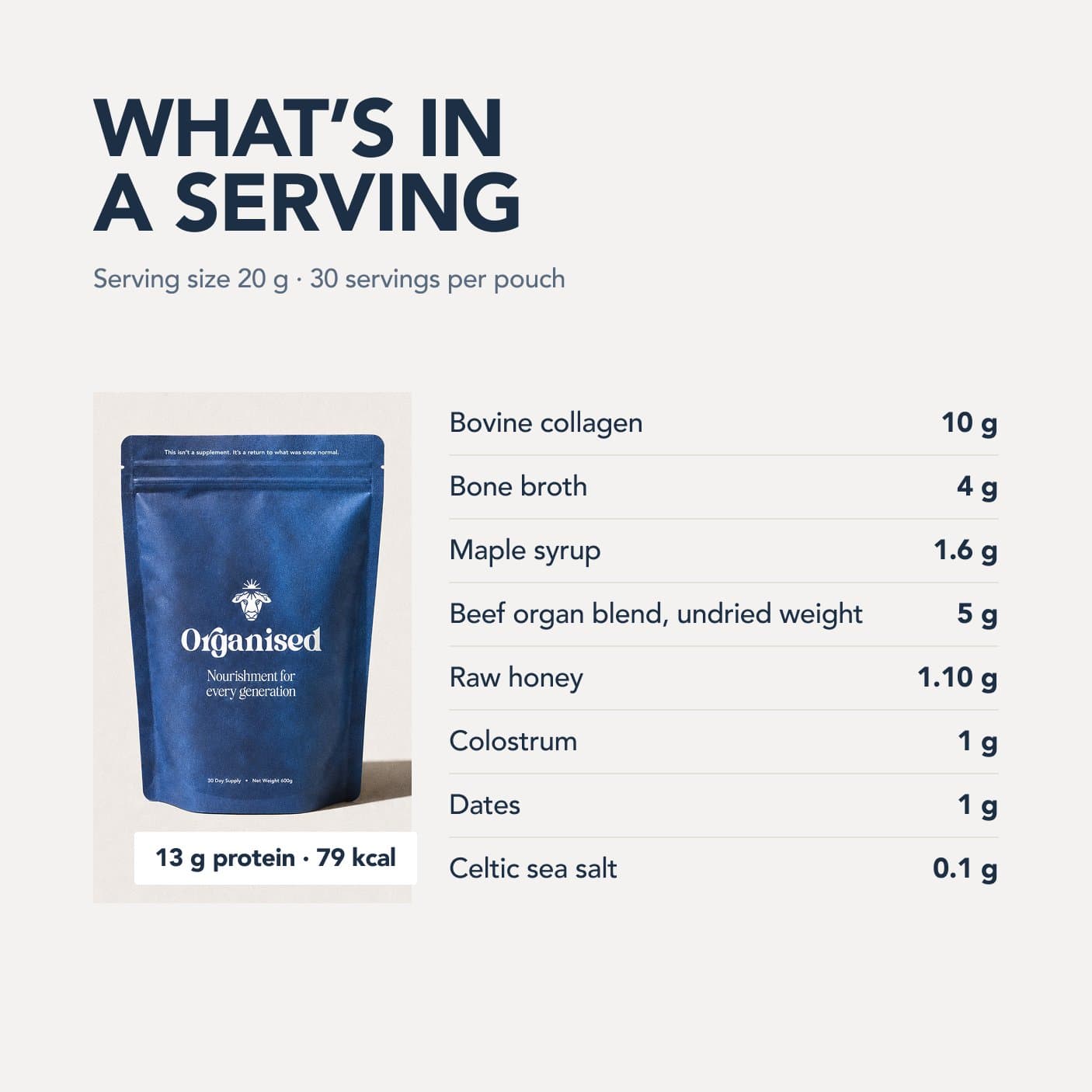
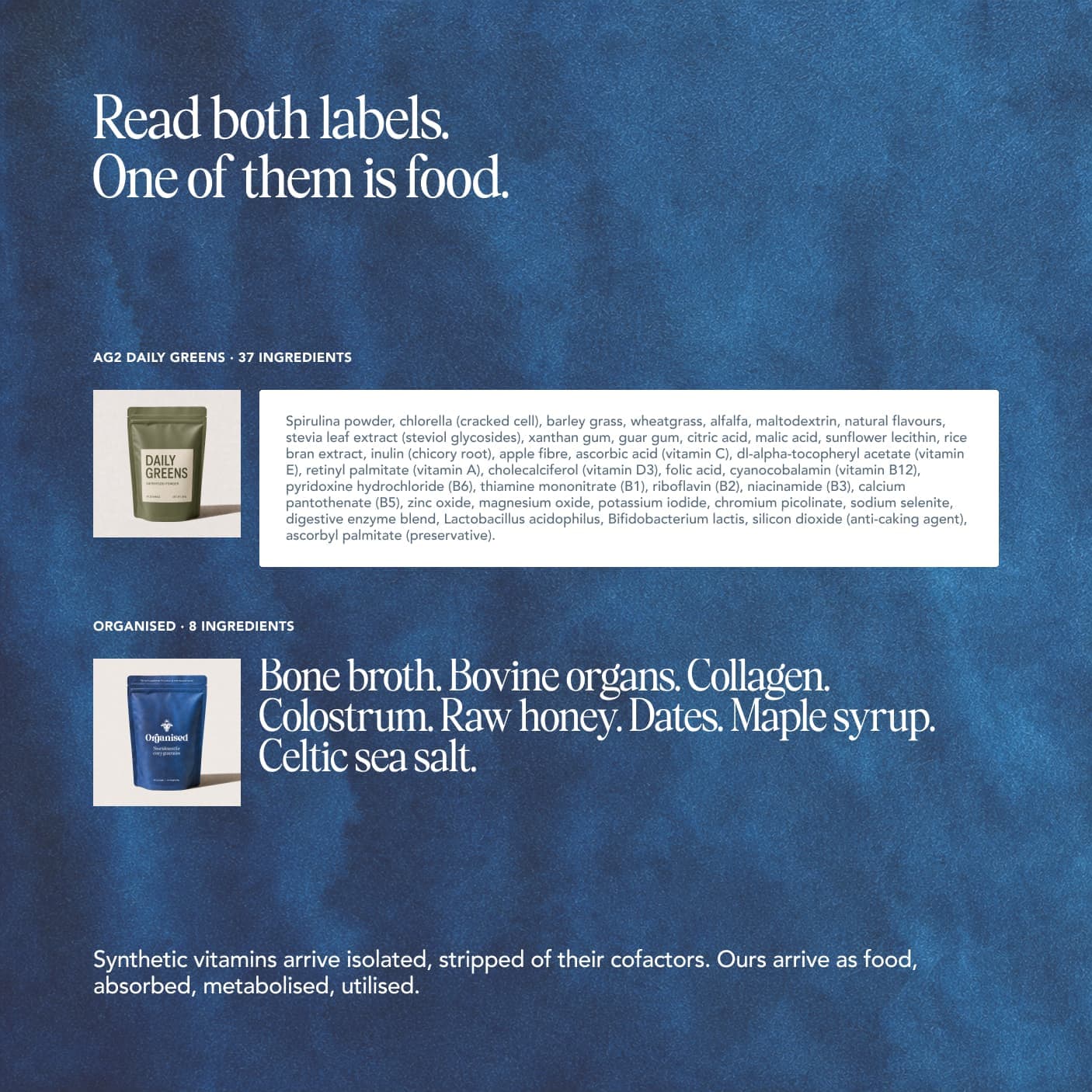
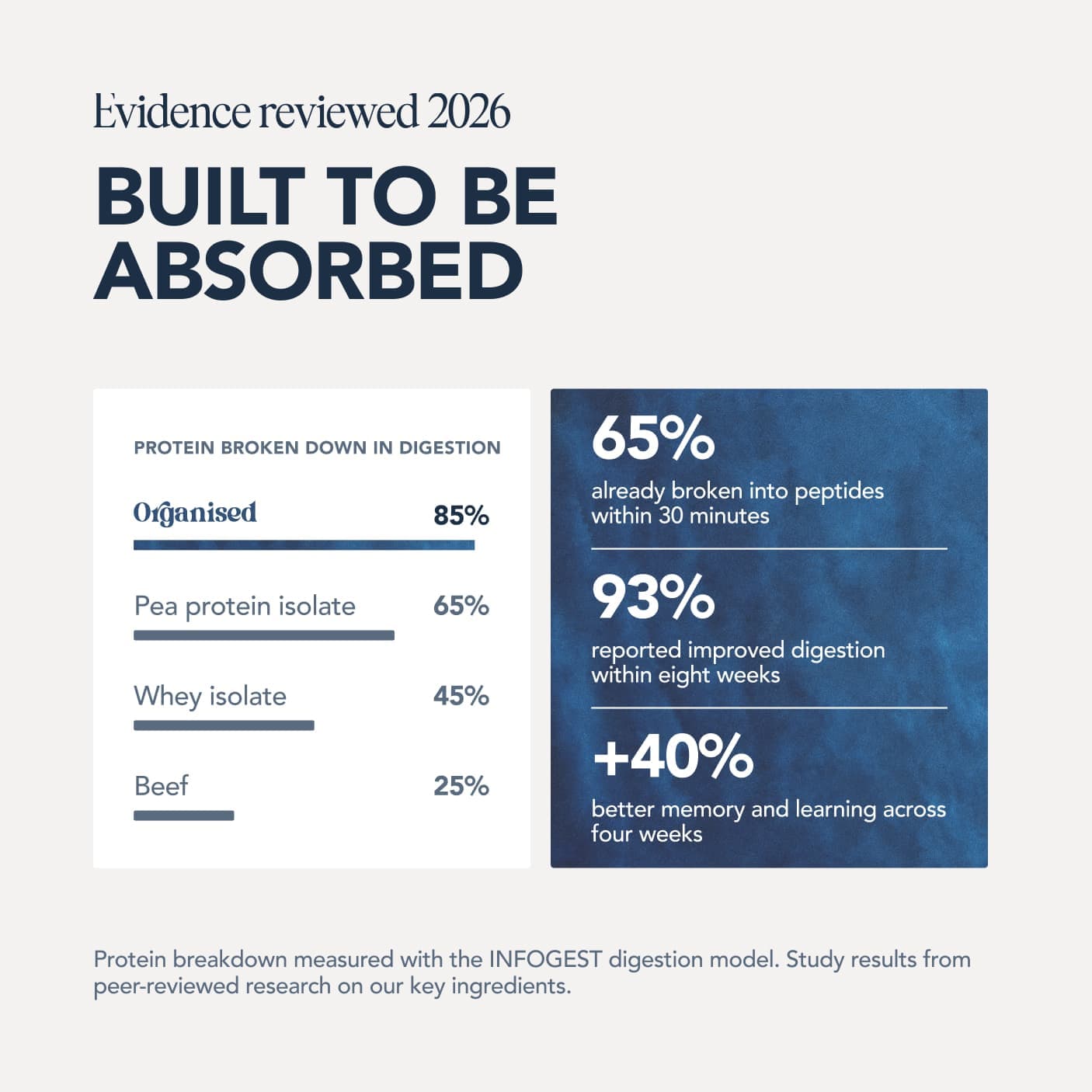
Eight real ingredients built around grass-fed beef organs, collagen and colostrum. Nothing synthetic added.
Free with your first order, worth £38. Plus £10 off the pouch with a subscription.

Free UK shipping · Made in England · 100 day money back guarantee on your first pouch · Skip, pause or cancel anytime
Common questions
How do I start a whole food lifestyle according to Reddit?
The consensus is to start small: cook one more meal at home, add more real food rather than banning everything, and build from cheap staples. Gradual change sticks where all-or-nothing resets fail.
Is eating whole foods expensive?
It does not have to be. Redditors repeatedly point to eggs, oats, lentils, frozen vegetables, tinned fish and seasonal produce as affordable staples. Premium organic everything is optional, not required.
Do I have to cut out all processed food?
No, and the healthiest threads warn against it. Processing is a spectrum, and foods like tinned beans and frozen veg are fine. The target is ultra-processed food, not everything with a label.
How do I make it a lasting habit?
Batch cooking, keeping it affordable, and framing it as adding real food rather than forbidding treats are the habits that endure. Perfectionism is the main reason people give up.
The bottom line
Reddit is a genuinely good companion for building a whole food lifestyle, as long as you take the practical, kind advice and leave the purity spirals. Cook a bit more, spend on cheap real staples, batch what you can, and add rather than ban. Treat it as a direction you keep adjusting, not a test you pass or fail, and it becomes something you can actually live with.
Who wrote and reviewed this guide
Niall Kiddle
Author · Founder, Organised
Niall is the founder of Organised. He started the company in 2024 after fixing his own health the slow way: in 2022 he swapped a cupboard of synthetic supplements for real food, raw milk, organ meats, bone broth and honey, and felt the difference within months.
Areas of expertise: Ancestral nutrition, Organ meats, Whole-food supplementation, Gut health, Regenerative sourcing
Read Niall's full profile
Pedro Rodrigues
Reviewer · Agronomist (farming and sourcing only)
Pedro is the agronomist Organised works with on farming and sourcing. His job on the guides is to keep the science honest: he reviews what we publish about soil health, regenerative agriculture, grazing and the way food is actually produced.
Areas of expertise: Regenerative agriculture, Agronomy, Soil health, Grass-fed farming, Food sourcing
Reviewed this guide on
Read Pedro's full profileBrowse the guides library
All guidesKeep reading
Culture & community
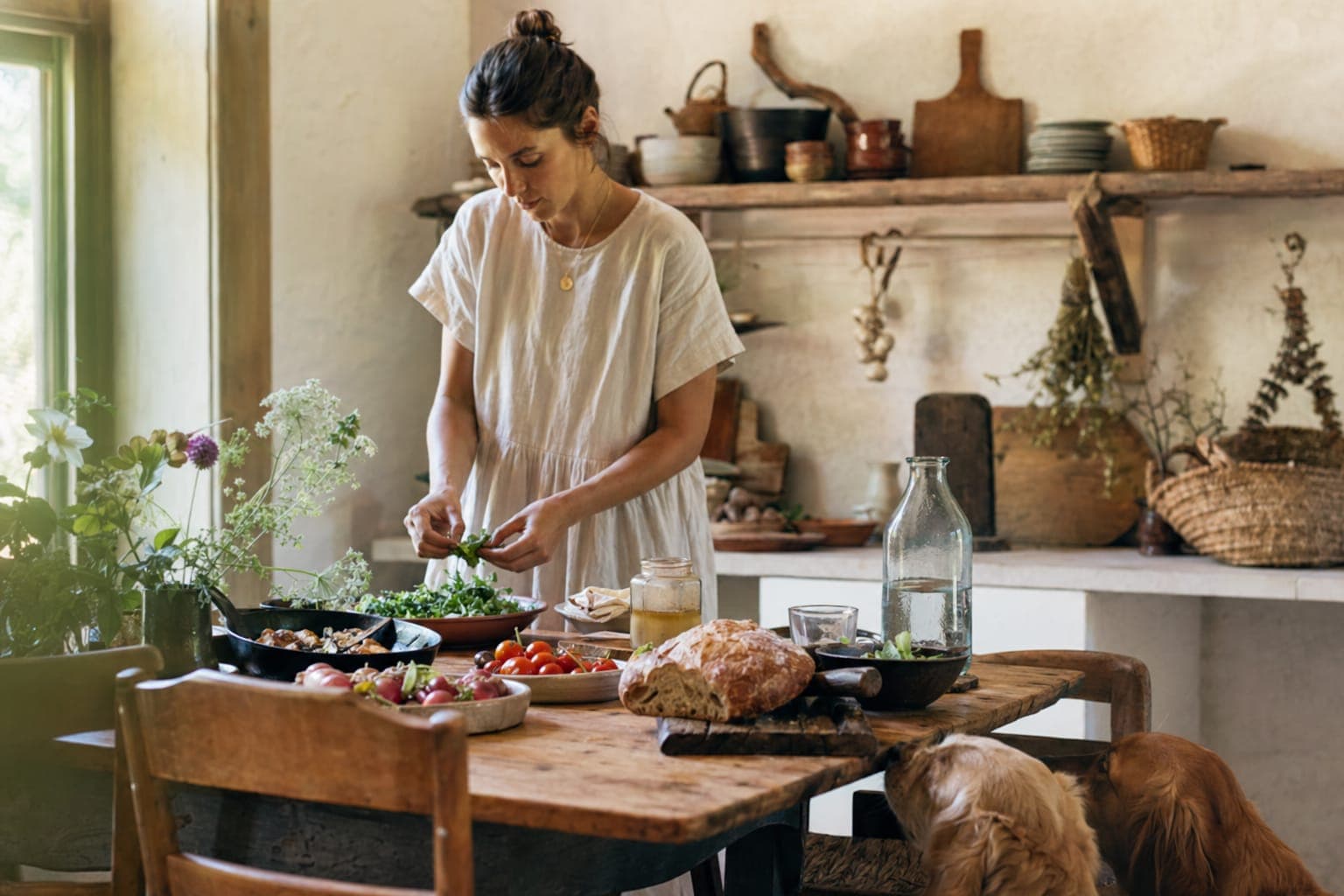
Beyond Supplements: Building a Whole Food Lifestyle
Nutrition is just one piece. Real health comes from cooking, sleep, sunlight, movement, and relationships. Here's how to build a whole system.
Culture & community
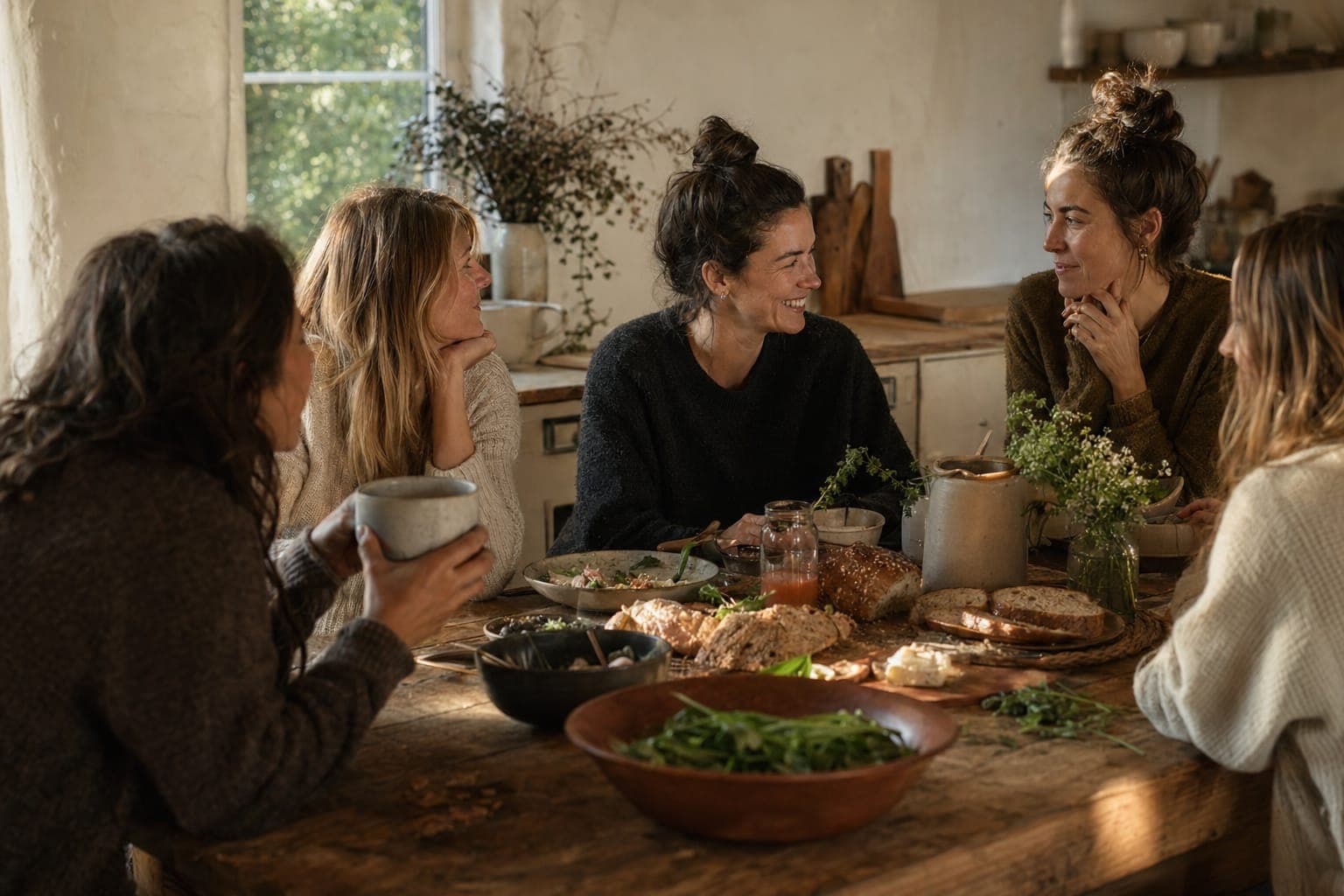
The Organised Community: What 10,000+ Members Are Talking About
Peek inside the Organised community. Real conversations from real people about health, nutrition, and the journey back to real food.
Culture & community
Social Media and Nutrition: Navigating the Noise
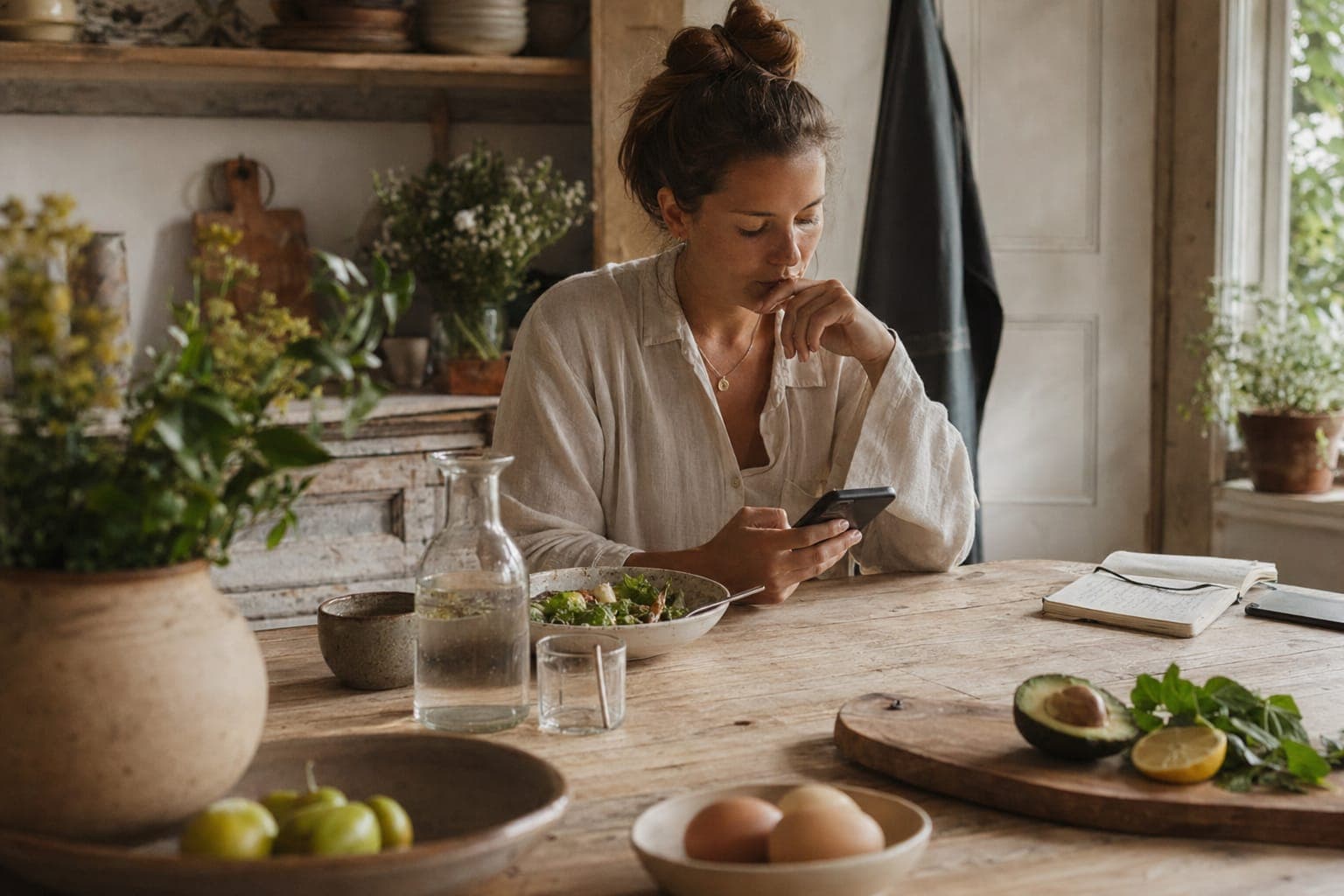
Learn how to evaluate nutrition claims on social media. Build critical thinking skills to separate science from marketing hype.
Real food, made effortless
Shop the blendA few ways to use it
All recipes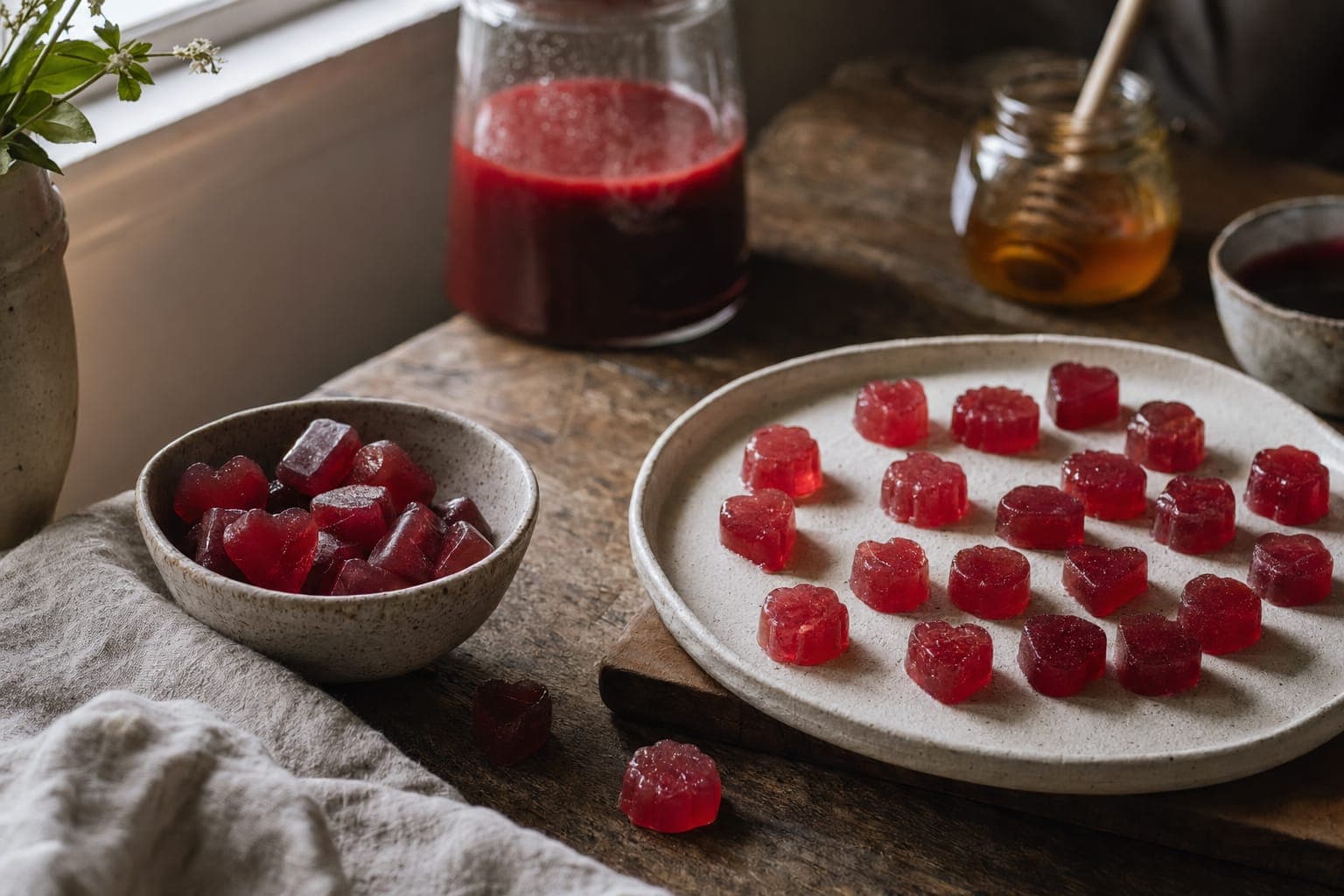
How to Make Your Own Gelatine Gummies
A simple recipe for homemade gelatine gummies using grass-fed gelatine, fresh juice, and raw honey. Better than shop-bought, kids love them.
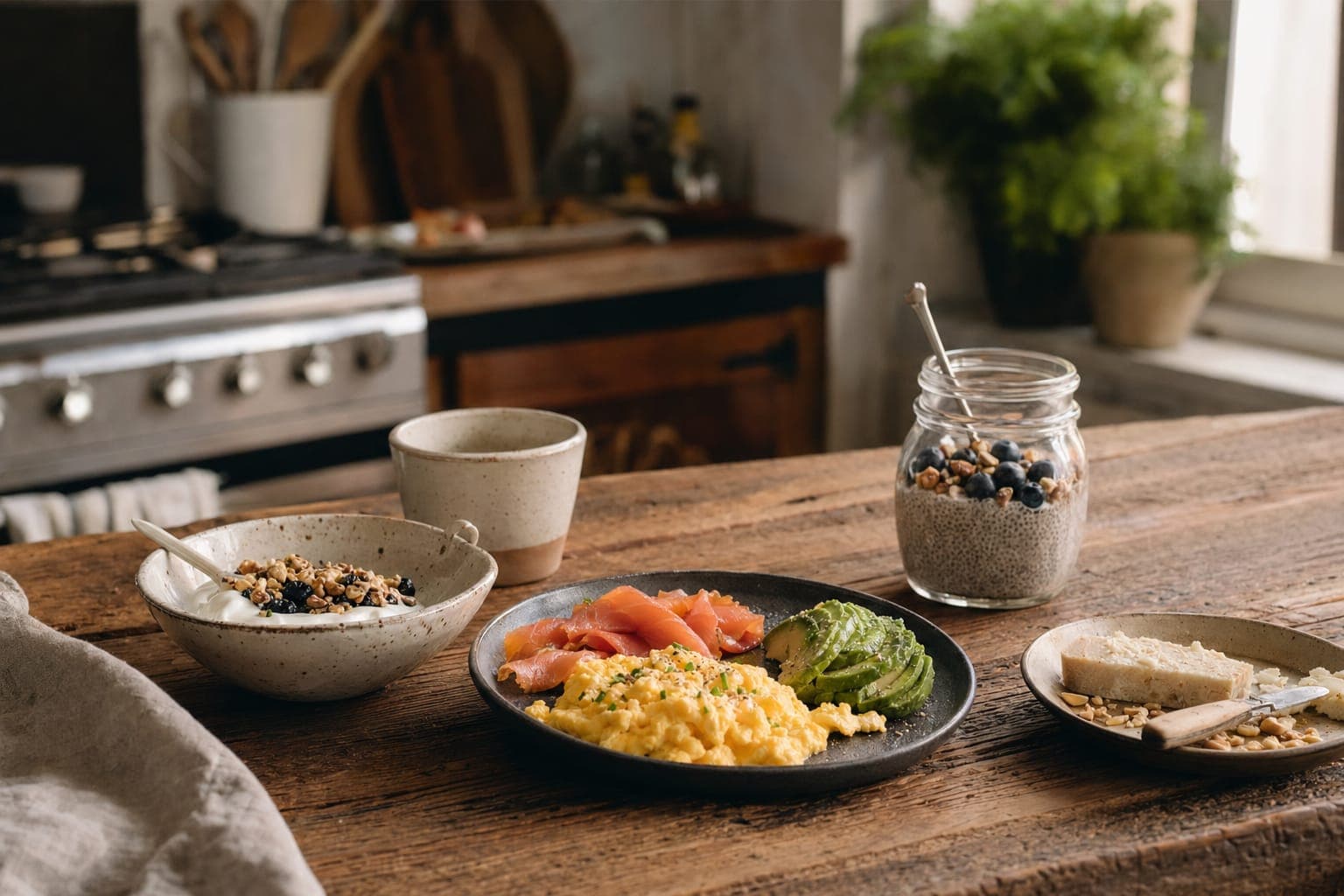
5-Minute High-Protein Breakfasts Using Organised
Quick, high-protein breakfast ideas using Organised. Five recipes you can make in minutes with real food. No fussing around.
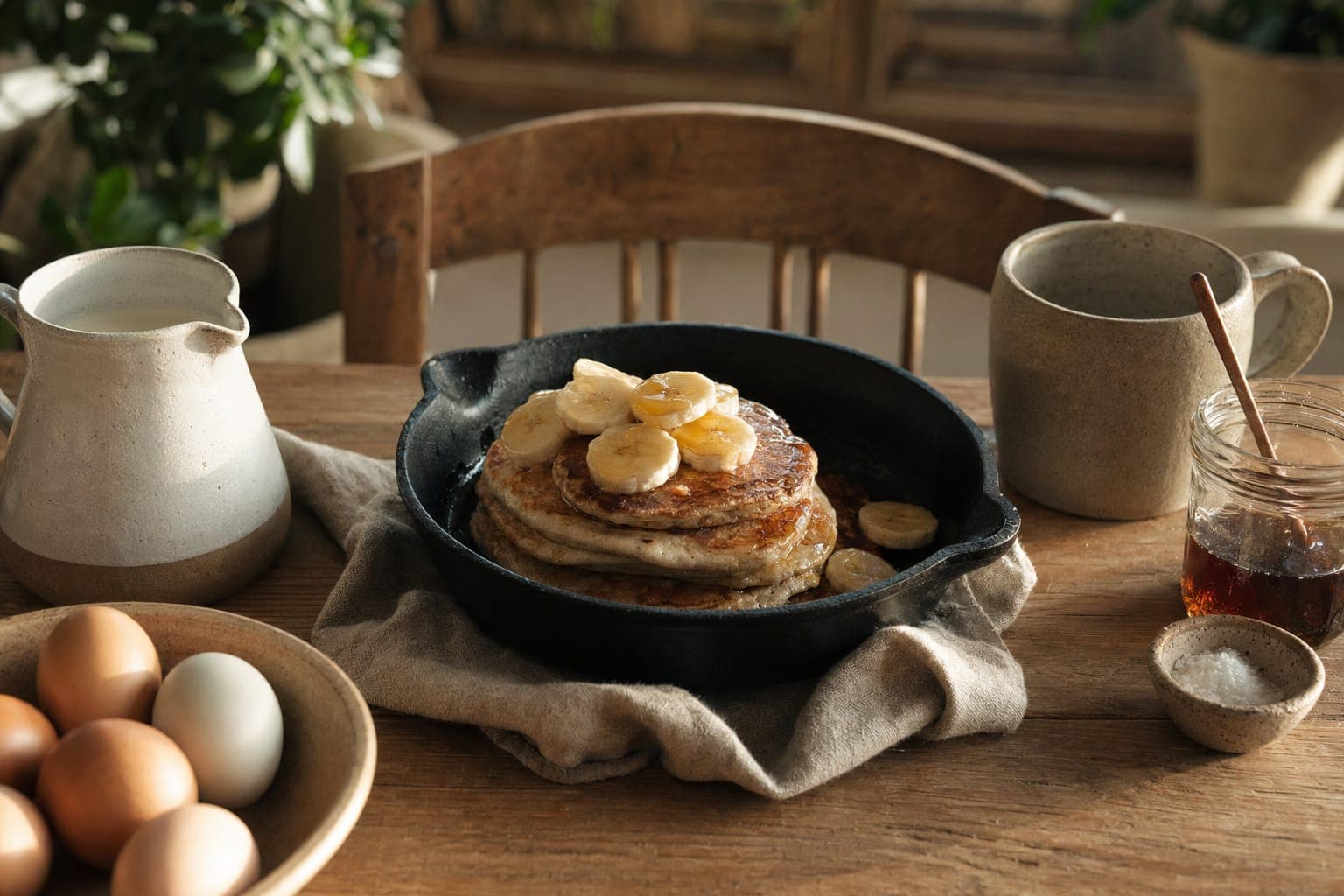
Organised Protein Pancakes: A Weekend Favourite
A high-protein pancake recipe using beef protein, eggs, and raw milk. Cooked in cast iron, naturally sweetened with banana and honey. Real food breakfast.


 Join over 100,000+ members
Build a better food system with us
The Organised community is thousands of people choosing real food and backing the farmers who grow it, all of us trying to leave the world a little better than we found it. If that is what you care about too, you belong here.