Osteoarthritis: Can Nutrition Slow the Progression?
Osteoarthritis is framed as inevitable. You get older, your joints wear out, the cartilage erodes, you live with pain. But this narrative misses something crucial: not everyone with wear-and-tear on imaging has pain, and not everyone with pain has significant structural damage. The difference is often nutrition. Joints fed collagen, minerals, and anti-inflammatory foods degrade more slowly. Joints starved of these nutrients degrade faster.
By Niall Kiddle, Founder, Organised

Reviewed by Pedro Rodrigues, Agronomist (farming and sourcing only) ·
6 min read · Published · Updated · 4 cited sources
Makers of the Organised Daily blend, a grass-fed beef organ supplement from regenerative UK farms
The difference is often nutrition. Joints fed collagen, minerals, and anti-inflammatory foods degrade more slowly. Joints starved of these nutrients degrade faster.
What osteoarthritis actually is
Osteoarthritis is the progressive degeneration of cartilage, the smooth tissue that covers the ends of your bones. Cartilage is made primarily of collagen (particularly type II collagen) and proteoglycans, which hold water and provide cushioning. As you age, cartilage gets damaged, worn down, and doesn't repair as well. The underlying bone changes shape. Bone spurs form. Pain increases.
The standard model says this is inevitable with age and use. And it's true that cartilage does get thinner and less flexible as you age. But the rate of degeneration is highly variable. Some people have significant cartilage loss and no pain. Others have mild changes and severe pain. This variability is driven by inflammation, mineral status, and the structural integrity of the cartilage itself.
The fascinating research is that osteoarthritis progression can actually be slowed or halted with the right nutritional approach. It's not a death sentence. It's a metabolic problem you can address.
Osteoarthritis isn't just mechanical wear. It's chronic inflammation driving degeneration. Change the inflammation and you change the progression.
Cartilage and collagen
Articular cartilage is approximately 70-80% water, with collagen (mainly type II) and proteoglycans accounting for most of the dry weight.1 When collagen breaks down, cartilage loses its structural integrity. The water-holding capacity decreases. The tissue becomes less resilient. Degeneration accelerates.
Collagen is made from amino acids (glycine, proline, and hydroxyproline) and cofactors (vitamin C, copper, and iron). Your body can make collagen from these building blocks, but only if they're available. If you're deficient in any of them, collagen production slows.
Glycine is the most abundant amino acid in collagen, making up about one-third of it. Glycine is found almost exclusively in collagen-rich foods like bone broth, gelatinous meat cuts, and animal skin. If you're not eating these, your body has to break down its own tissue to get glycine. Your joints are a prime source, so your cartilage gets cannibalized to feed other parts of your body.
Vitamin C is required for prolyl and lysyl hydroxylase enzymes involved in collagen cross-linking.4 Without adequate vitamin C, newly synthesised collagen is weak and doesn't provide structural support. Citrus, berries, and cooked leafy greens provide vitamin C.
Copper and iron are required for the enzymes that stabilise collagen and give it tensile strength. Without adequate copper and iron, collagen is structurally weak even if you're making plenty of it. Beef liver provides both abundantly.
One overlooked aspect is the role of hydration. Cartilage absorbs water and loses it based on what you're doing (walking, sitting, sleeping). This hydration cycle keeps cartilage healthy. If you're chronically dehydrated, cartilage loses its ability to absorb and release water properly. The tissue becomes brittle. Degeneration accelerates. Drink water. Add sea salt so you actually retain the hydration.
Inflammation and joint damage
Inflammation drives osteoarthritis progression. In osteoarthritis, inflammatory cytokines such as IL-6 and TNF-alpha upregulate matrix metalloproteinases that contribute to cartilage degradation.2 The more inflammation, the faster the breakdown.
Seed oils are a major driver of this inflammation. Seed oils are loaded with omega-6 polyunsaturated fat. When oxidised, they produce compounds that activate the inflammatory cascade. A diet high in seed oils creates a chronically inflamed state in your joints.
Ultra-processed foods also drive inflammation through multiple mechanisms: sugar spikes trigger inflammatory cascades, additives damage the gut barrier (leading to systemic inflammation), and the absence of anti-inflammatory nutrients means your body can't downregulate inflammation once it starts.
Conversely, removing seed oils and ultra-processed food dramatically reduces systemic inflammation. Within weeks, joint pain often improves not because the cartilage healed, but because inflammation decreased.
The pain is often a lag indicator. You might remove seed oils and still have joint pain for two to three weeks as the inflammatory cascade winds down. Don't give up. Keep going. The pain will follow the inflammation down.
Minerals and structural integrity
Calcium and magnesium are required for bone remodelling around the joint. In osteoarthritis, bone around the cartilage changes shape (osteophytes form, the bone becomes denser). This remodelling requires adequate calcium and magnesium. Deficiency accelerates the damage.
Zinc is required for the metalloproteinases that remodel cartilage. Paradoxically, zinc is required for both building and breaking down cartilage. Deficiency means the balance tips toward degeneration. Oysters, beef, and pumpkin seeds provide zinc.
Boron is required for bone and cartilage health. Deficiency is associated with worse osteoarthritis progression. Boron is found in leafy greens, nuts, and whole grains. Most people get adequate boron if eating real food, but those on restricted diets are often deficient.
The mineral bioavailability matters as much as the quantity. Minerals in food (from bone broth, meat, dairy) are better absorbed than minerals in most supplements. If you're getting minerals from whole foods, your body can use them. If you're trying to supplement without addressing your diet, you're getting less benefit.
Get health guides like this, free
Two short reads a week on eating for energy, gut health, skin, sleep and more.
By signing up you agree to receive emails from us. No spam, unsubscribe anytime.
Anti-inflammatory nutrition
The fastest way to reduce joint pain is to reduce systemic inflammation. Remove seed oils completely. This single change often brings noticeable improvement in joint pain within two to three weeks. Seed oils are in almost all ultra-processed food and most restaurant food, so this also means cooking at home.
Replace seed oils with butter, coconut oil, or olive oil. These are anti-inflammatory and provide fat-soluble vitamins your joints need. Add omega-3 from fatty fish (wild salmon, mackerel, sardines, oysters). Omega-3 actively suppresses inflammatory cytokines.
Remove sugar and refined carbohydrates. These spike insulin and trigger inflammatory cascades. They also displace the nutrient-dense foods your joints need.
Add bone broth. This provides collagen (hydrolysed into gelatin and amino acids), minerals (calcium, magnesium, phosphorus), and compounds like glycosaminoglycans that directly support cartilage. Drinking or eating bone broth regularly provides your joints with the raw materials they need to repair and maintain themselves.
Specific foods that reduce joint inflammation deserve mention. Curcumin from turmeric has demonstrated anti-inflammatory effects and modest symptomatic benefit in osteoarthritis trials.3 Ginger contains gingerols and shogaols with similar properties. Adding these to your cooking, particularly with a fat source (coconut oil, butter) for absorption, can provide additional benefit beyond the basic nutritional approach.

1 of 9
Daily blend
100,000+ thriving families4.9 on Trustpilot
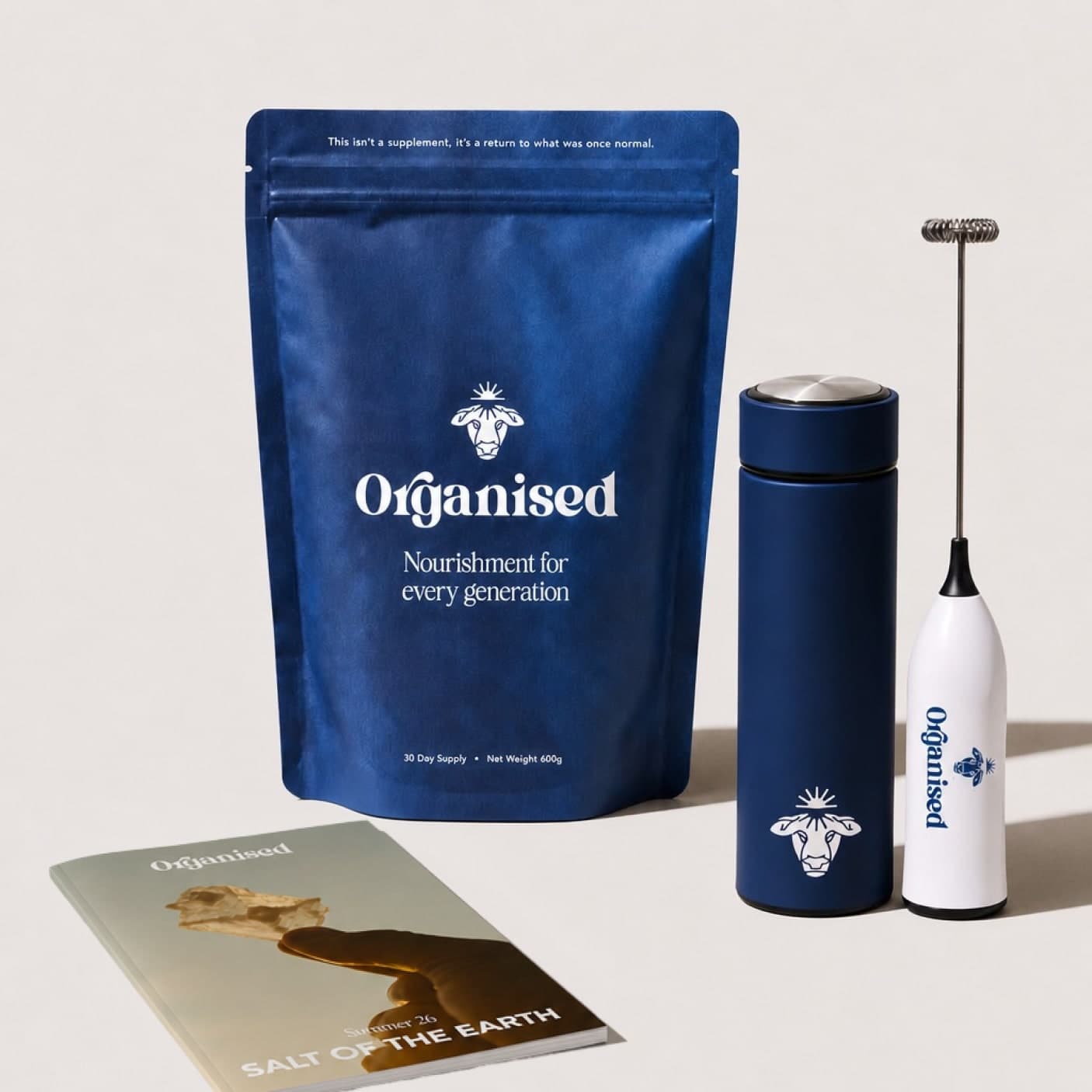
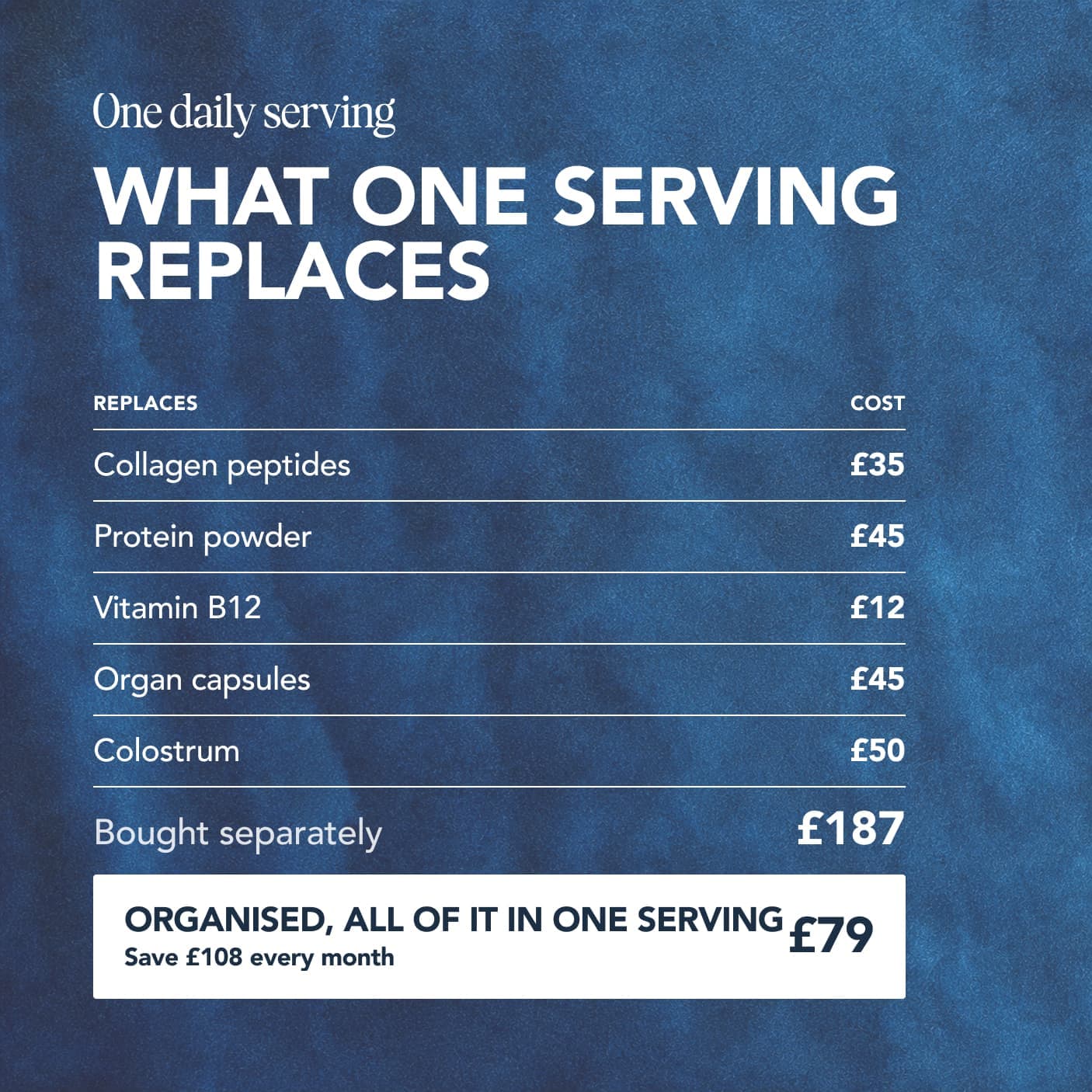
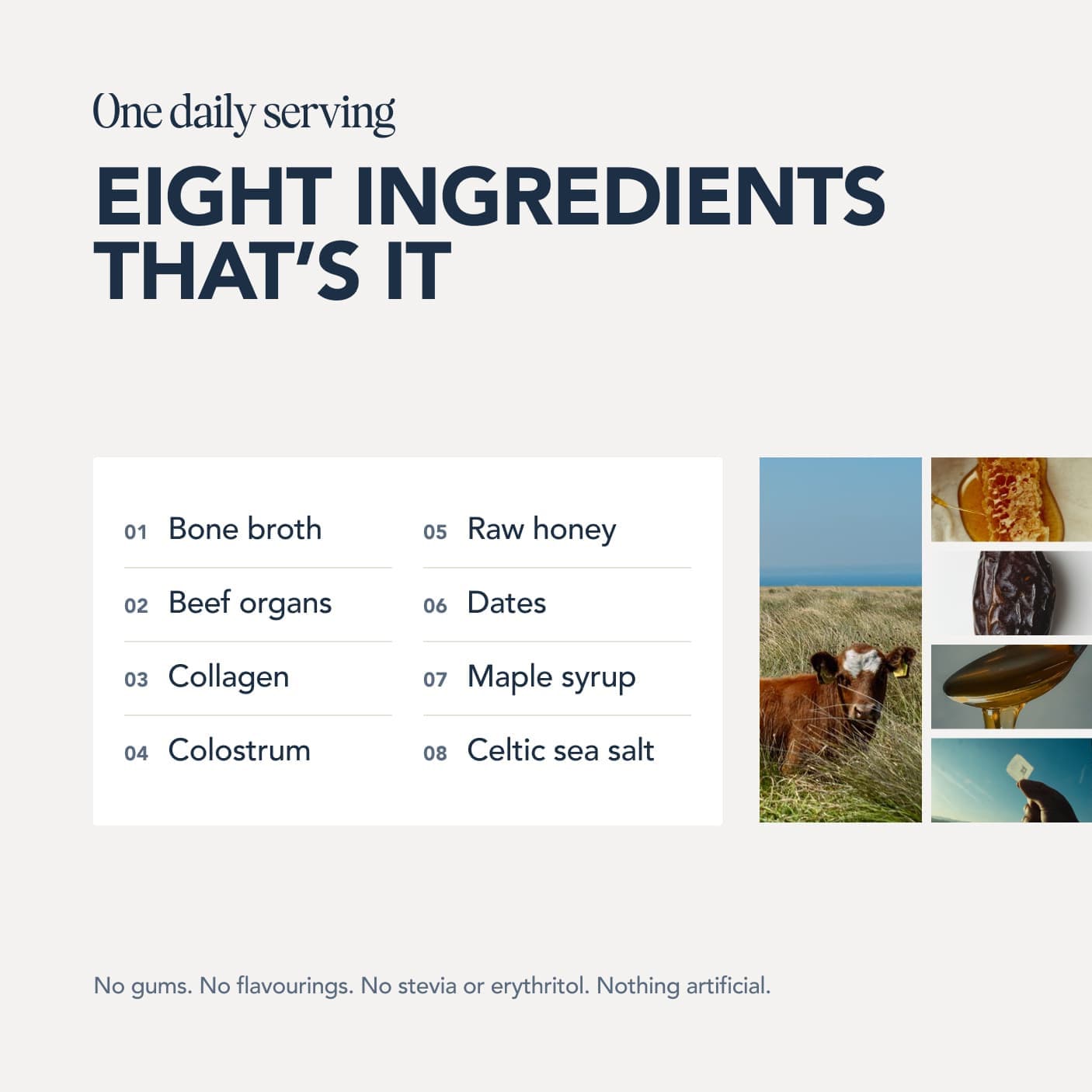
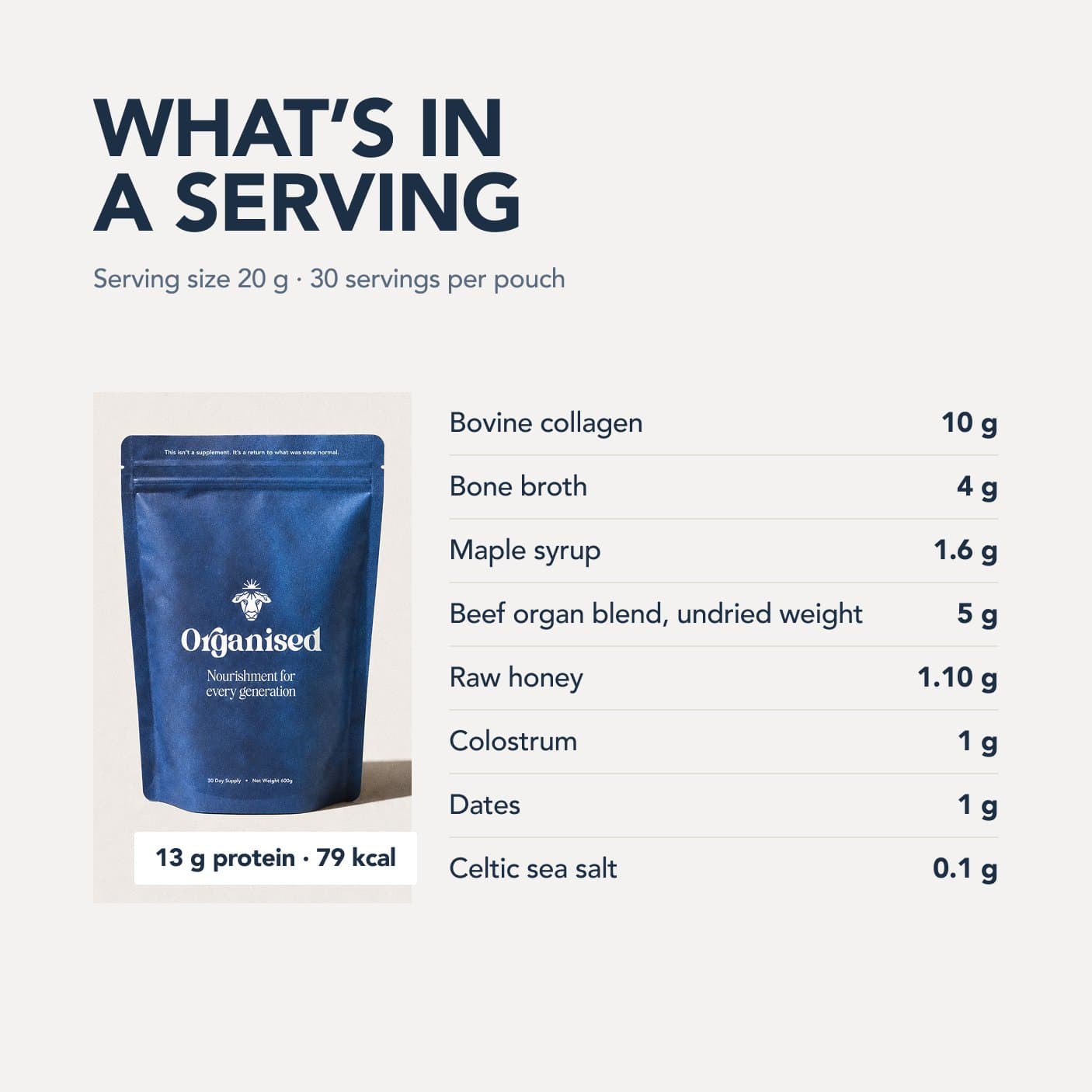
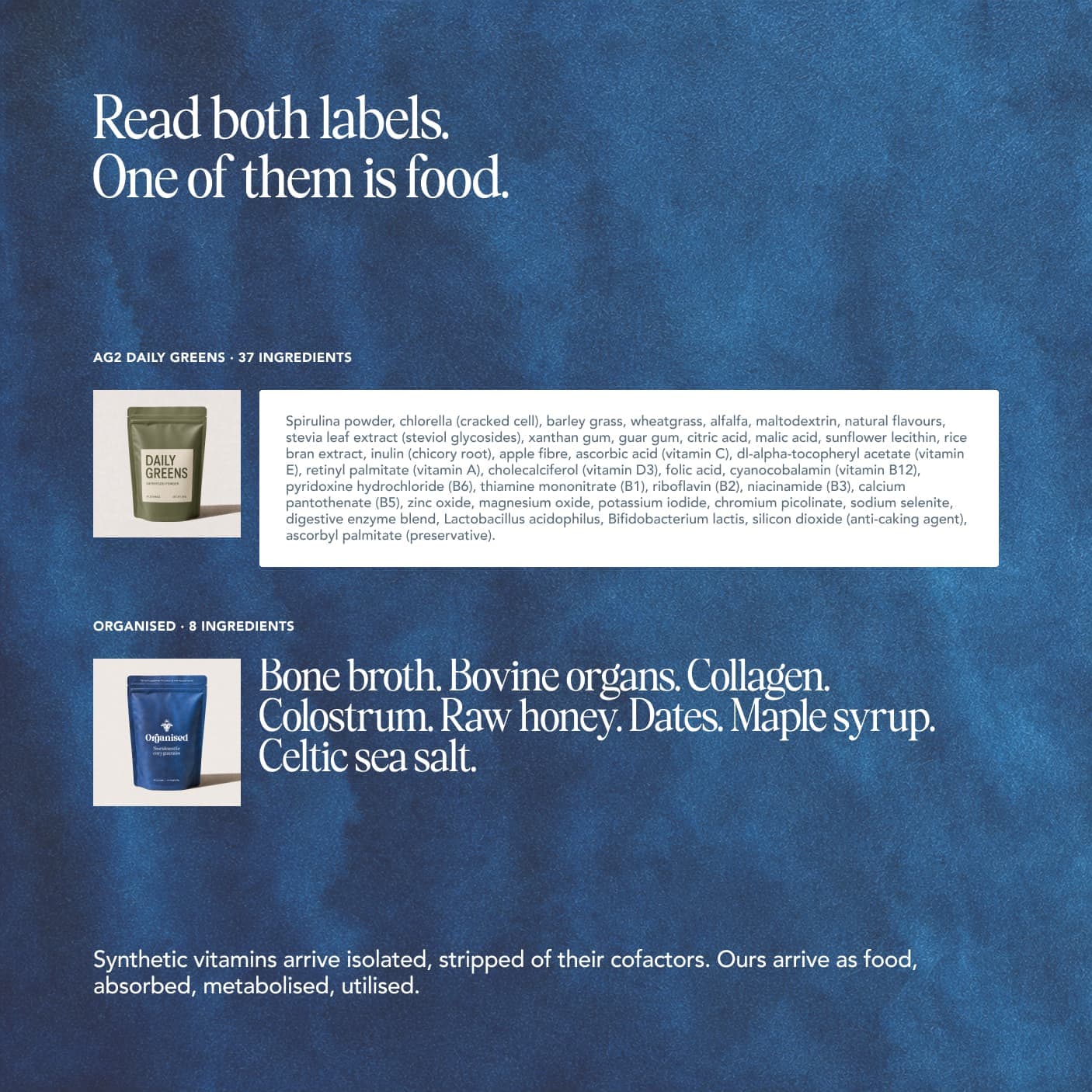
Eight real ingredients built around grass-fed beef organs, collagen and colostrum. Nothing synthetic added.
Free with your first order, worth £38. Plus £10 off the pouch with a subscription.
Free UK shipping · Made in England · 100 day money back guarantee on your first pouch · Skip, pause or cancel anytime
What actually slows progression
If you have osteoarthritis, the research shows consistent findings: anti-inflammatory nutrition slows progression. Specifically, removing seed oils and ultra-processed food reduces pain and inflammation markers. Adding collagen-rich foods and bone broth improves cartilage markers and function. Ensuring adequate mineral intake preserves bone and cartilage structure.
The timeline is important. Don't expect rapid cartilage regrowth. Cartilage regenerates slowly. But expect pain to reduce within two to three weeks as inflammation decreases. Expect function to improve within four to eight weeks. Expect imaging markers to stabilise or improve within three to six months if adherence is consistent.
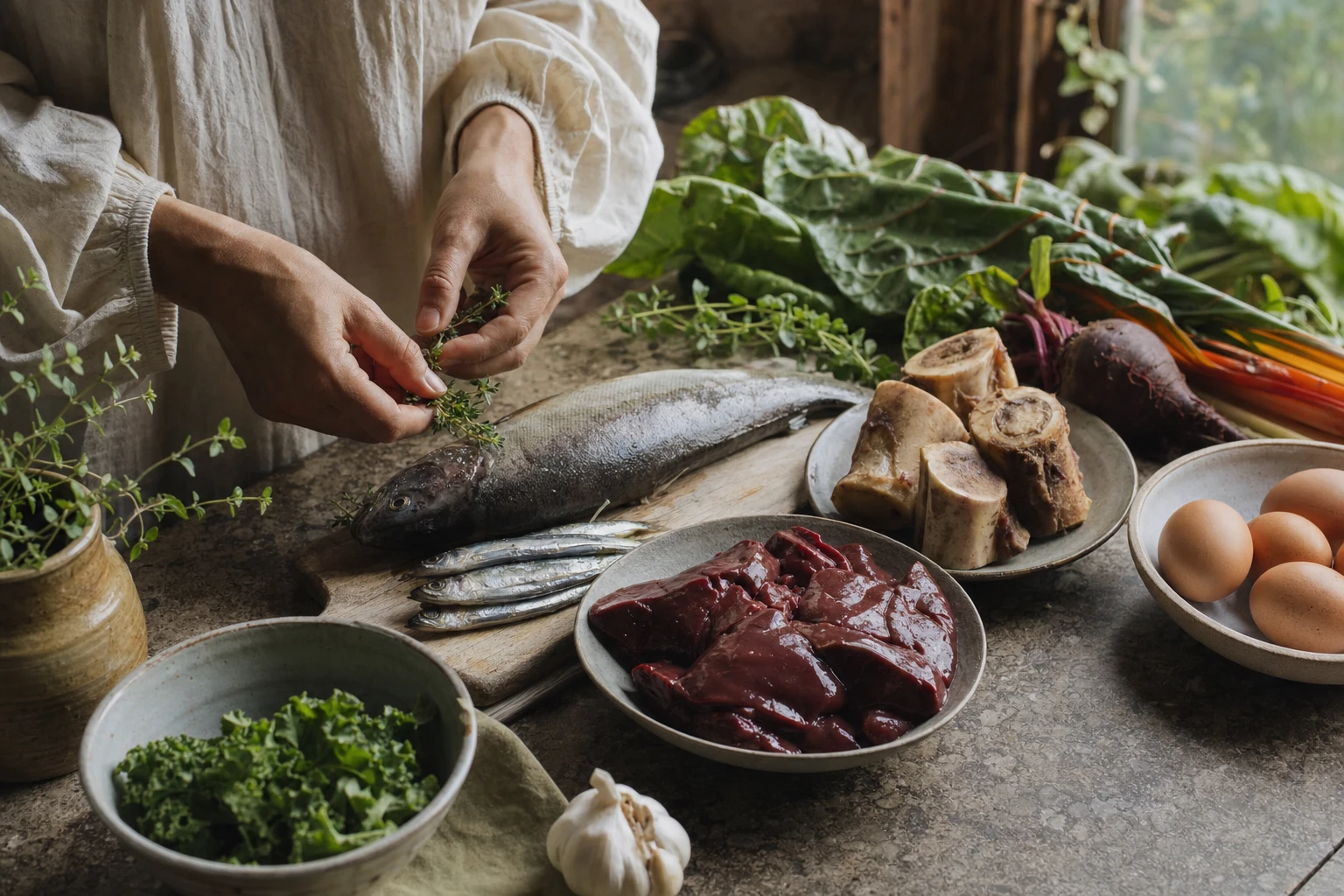
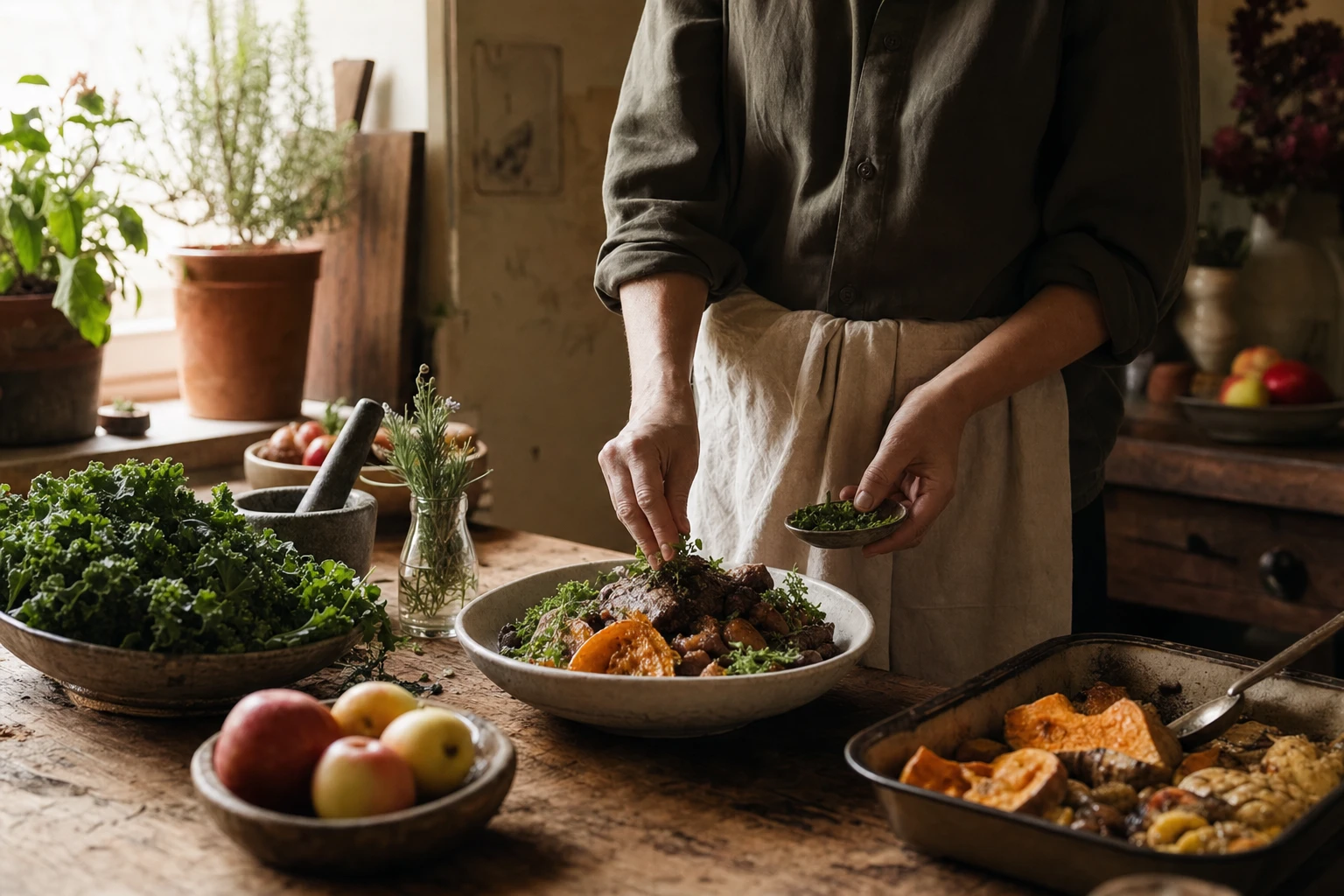
Eat bone broth daily or several times weekly. Cook all your food in butter or coconut oil. Add red meat, liver, oysters, and eggs regularly for minerals and collagen-building nutrients. Add fatty fish twice weekly for omega-3. Remove all seed oils. Remove sugar and refined food.
Weight management matters too, but not through calorie restriction. Excess weight is inflammatory. But the mechanism isn't mechanical loading, it's inflammatory cytokines produced by fat tissue. As you reduce systemic inflammation through nutrition and move more without pain, weight naturally normalises.
Movement is also critical. Pain causes people to become sedentary, which accelerates degeneration. As your nutritional support reduces inflammation and pain decreases, gradually increase movement. Swimming or water walking are excellent because the water supports your weight while allowing you to move. As pain decreases, you can add land-based movement. Movement combined with nutrition creates the best outcome.
The bottom line
Osteoarthritis is progressive, but the progression isn't inevitable. Your joints are made of material you eat. Feed them collagen, minerals, and anti-inflammatory foods. Remove the foods that drive inflammation. Your joints will slow their degeneration. Pain will decrease. Function will improve. Not because you reversed the damage, but because you stopped accelerating it.
References
Every source below was checked on 27 August 2026. Each PubMed, PMC and DOI identifier was resolved against NCBI or Crossref, and what it opens is printed under the citation, so you can see the link goes where the citation says without leaving the page. Where a citation and its identifier disagreed, the citation was corrected to the record or the reference was deleted along with the sentence marker that pointed at it, and where the resolved paper turned out not to support the sentence, the sentence was cut back to what it does support. Borrowed authority is worse than none, because it looks like rigour.
- Sophia Fox AJ, Bedi A, Rodeo SA. The basic science of articular cartilage: structure, composition, and function. Sports Health. 2009;1(6):461-8. PMC3445147Checked 27 August 2026: PMC3445147 opens Sophia Fox AJ, Bedi A, Rodeo SA, The basic science of articular cartilage: structure, composition, and function. Sports Health 2009;1(6):461-8.The authors' own declaration, from the record: No potential conflict of interest declared.
- Goldring MB, Otero M. Inflammation in osteoarthritis. Curr Opin Rheumatol. 2011;23(5):471-8. PMC3937875Checked 27 August 2026: PMC3937875 opens Goldring MB, Otero M, Inflammation in osteoarthritis. Curr Opin Rheumatol 2011;23(5):471-8. PubMed indexes it as: Review.The authors' own declaration, from the record: Conflicts of interest . There are no conflicts of interest.
- Daily JW, et al. Efficacy of Turmeric Extracts and Curcumin for Alleviating the Symptoms of Joint Arthritis: A Systematic Review and Meta-Analysis of Randomized Clinical Trials. J Med Food. 2016;19(8):717-29. PMID 27533649Checked 27 August 2026: PMID 27533649 opens Daily JW, Yang M, Park S, Efficacy of Turmeric Extracts and Curcumin for Alleviating the Symptoms of Joint Arthritis: A Systematic Review and Meta-Analysis of Randomized Clinical Trials. J Med Food 2016;19(8):717-29. PubMed indexes it as: Meta-Analysis, Systematic Review.
- National Institutes of Health, Office of Dietary Supplements. Vitamin C - Health Professional Fact Sheet. ods.od.nih.gov
Who wrote and reviewed this guide
Niall Kiddle
Author · Founder, Organised
Niall is the founder of Organised. He started the company in 2024 after fixing his own health the slow way: in 2022 he swapped a cupboard of synthetic supplements for real food, raw milk, organ meats, bone broth and honey, and felt the difference within months.
Areas of expertise: Ancestral nutrition, Organ meats, Whole-food supplementation, Gut health, Regenerative sourcing
Read Niall's full profile
Pedro Rodrigues
Reviewer · Agronomist (farming and sourcing only)
Pedro is the agronomist Organised works with on farming and sourcing. His job on the guides is to keep the science honest: he reviews what we publish about soil health, regenerative agriculture, grazing and the way food is actually produced.
Areas of expertise: Regenerative agriculture, Agronomy, Soil health, Grass-fed farming, Food sourcing
Reviewed this guide on
Read Pedro's full profileMore on joints & bones
View allBrowse the guides library
All guidesKeep reading

Health goals
Protecting Your Joints as You Age: A Nutritional Blueprint
Protect your joints as you age. The role of collagen, glycine, vitamin C, glucosamine, and real food in joint longevity.
Health goals
The Role of Collagen in Ageing Gracefully
Learn how collagen supports your skin, joints, bone and blood vessels, and how to maintain it as you age so you can keep moving and feeling strong for longer.
Health goals
How Zinc, Copper and Selenium Work Together for Clear Skin
Isolated zinc supplements often backfire. Here's why these three minerals must work together, and how food sources keep them balanced.
Real food, made effortless
Start my daily blendA few ways to use it
All recipes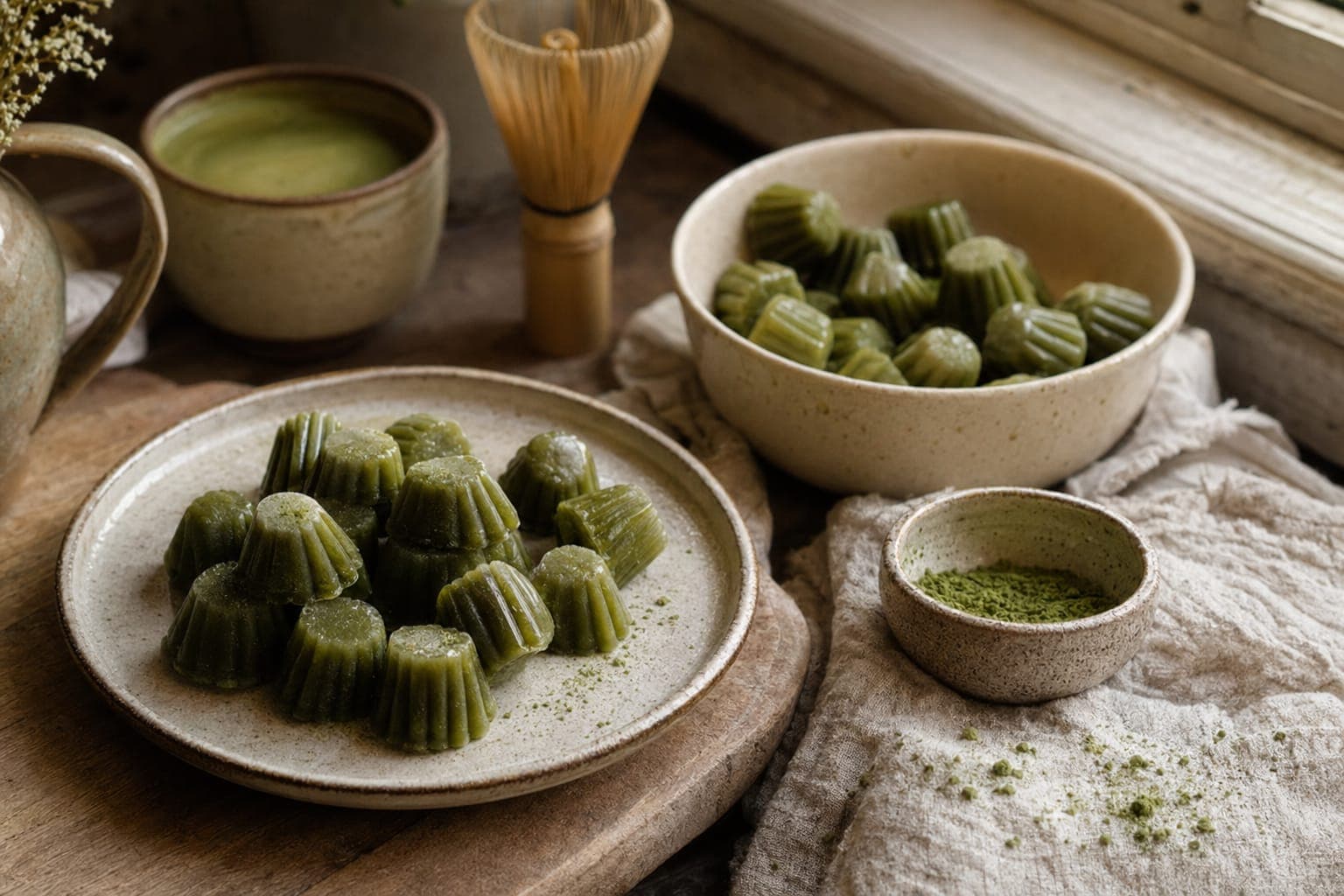
Matcha Latte Gummies with Collagen and Gelatine
Make visually stunning matcha latte gummies infused with collagen and gelatine. Simple recipe for gut-healing sweets you'll actually want to eat.
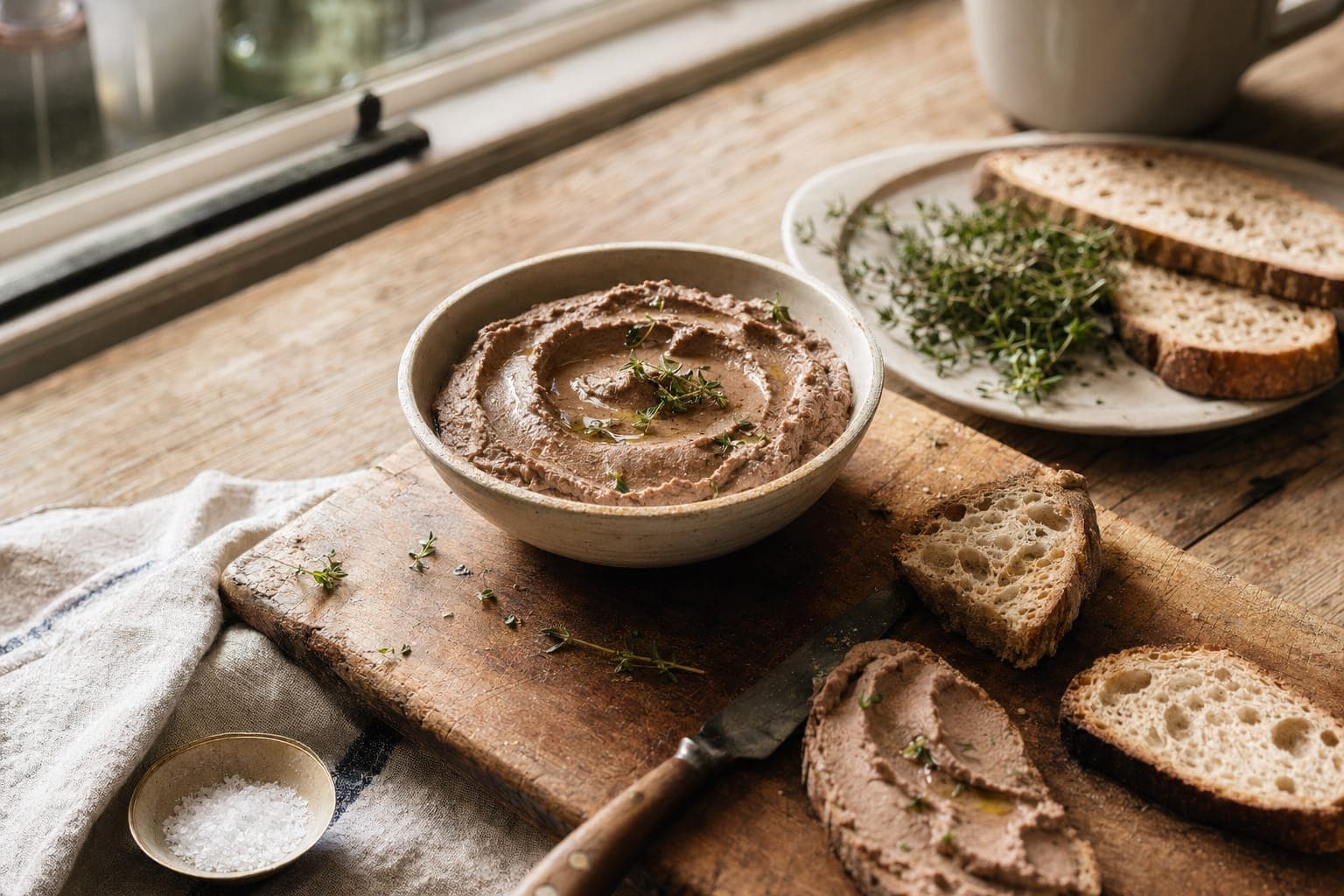
Liver Pate for Beginners: A Gentle Introduction to Organ Meats
Simple liver pate recipe to start eating organ meats. Chicken liver, butter, and herbs. Gentle introduction to nutrient-dense whole foods.
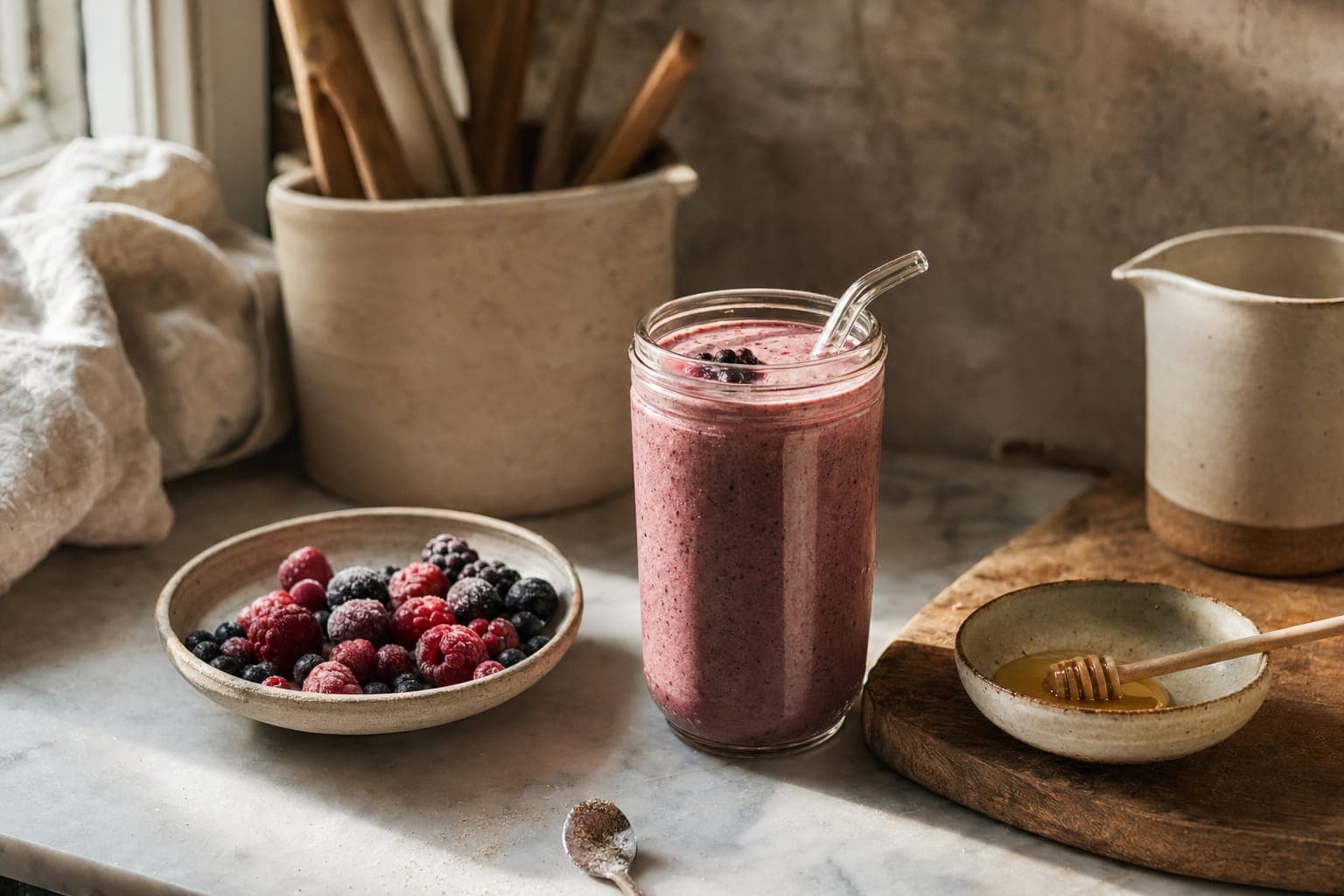
The Organised Recovery Smoothie for After Exercise
A recovery smoothie made with beef protein, raw milk, frozen berries, collagen, and honey. Optimal nutrition in the 30-minute window after exercise.


 Join over 100,000+ members
Build a better food system with us
The Organised community is thousands of people choosing real food and backing the farmers who grow it, all of us trying to leave the world a little better than we found it. If that is what you care about too, you belong here.