Beef Protein Powder Guide: Benefits, Sourcing, and FAQs
Beef protein has been quietly building a loyal following, and this guide explains why. You’ll discover what sets it apart, how it works in the body, and the sourcing markers that separate great from average.

By Niall Kiddle, Founder, Organised

Reviewed by Pedro Rodrigues, Agronomist (farming and sourcing only) ·
6 min read · Published · Updated
Makers of the Organised Daily blend, a grass-fed beef organ supplement from regenerative UK farms

This article is general information, not medical advice. Speak to your GP or clinician about your own needs.
What is beef protein powder?
Beef protein powder is a concentrated form of beef based proteins that have been broken down into smaller peptides for easy digestion. Most products are hydrolysed, which means the proteins are gently pre broken so they mix smoothly and feel light in the gut. This gives you the nutrition of beef in a form that fits into busy days, training sessions, and simple morning routines.
The profile is naturally rich in essential amino acids along with collagen building amino acids like glycine and proline. These support muscle repair, connective tissue strength, and everyday recovery. That is why people describe beef protein as a more grounding and steadier protein compared to whey or plant blends. You get the familiarity of real food and the functionality of a protein powder without the bloat or milky taste that some powders bring.
Good formulas also stay close to whole food principles. They skip the fillers, gums, and hyper sweetened flavours that dominate the protein market. Instead, you get a clean powder that slips into sweet or savoury recipes without altering the flavour of your food.

Why choose beef protein powder?
eople reach for beef protein for different reasons, but the themes are usually simple. They want nourishment that feels good. They want a protein that supports muscles, joints, and overall strength. And they want something that pairs well with an ancestral leaning lifestyle built on whole foods.
Beef protein delivers a full amino acid profile responsible for building and repairing muscle. It also offers a naturally higher amount of glycine, proline, and hydroxyproline compared to whey. These amino acids feed the collagen matrix in your body, which means they support tendons, ligaments, cartilage, skin, and the gut lining. This is one of the hidden advantages of beef protein that many do not realise. You are getting muscle support and connective tissue support in the same serving.
The flavour is neutral, the texture is smooth, and the effect is stable in the body. You can drink it in the morning without crashing an hour later and you can take it in the evening without it feeling too stimulating.
Benefits of taking beef protein powder at a glance
- Full spectrum amino acids for muscle repair.
- Naturally rich in collagen building amino acids.
- Lactose free and gentle for sensitive digestion.
- Works in both savoury and sweet recipes.
- Satisfying without being heavy.
- A grounded way to increase daily protein intake.

Beef protein vs whey protein
Speed and release
Whey is fast. That is why people often use it immediately after training when they want rapid amino uptake. Beef protein behaves differently. It absorbs at a gentler pace and keeps amino acids available for longer. This steady release can be more comfortable on the gut and can support recovery across a broader part of the day.Versatility
Whey always tastes like whey. It is milky, creamy, and slightly nostalgic. Perfect for shakes, desserts, and high sweetness recipes. Beef protein is far more neutral. You can blend it into yoghurt, porridge, soups, bone broth, sauces, and even savoury dishes without the final meal tasting like a protein shake. This alone makes it useful for people who prefer whole food style eating.
Amino pattern and connective tissue
Whey wins the race on rapid leucine spikes. Beef protein carries a broader connective tissue profile and a more balanced release curve. Many lifters and athletes now use both. They take whey around training and beef protein at other points of the day to support the slower, structural side of recovery.
Tolerance
Whey contains lactose and milk proteins that some people cannot tolerate. Beef protein is naturally lactose free. If you struggle with bloating, sinus congestion, or skin flare ups after whey, beef protein is usually the cleaner swap.
If you want to read our full comparison of whey and beef protein, click here.

Get ingredient guides like this, free
Two short reads a week on the ingredients that matter and how to actually use them.
By signing up you agree to receive emails from us. No spam, unsubscribe anytime.
Beef protein vs plant protein
Completeness
Beef protein is complete by nature. Plant proteins are often incomplete unless they are blended. Even blended plant powders may require higher overall serving sizes to match the amino acid density of beef.Digestive ease
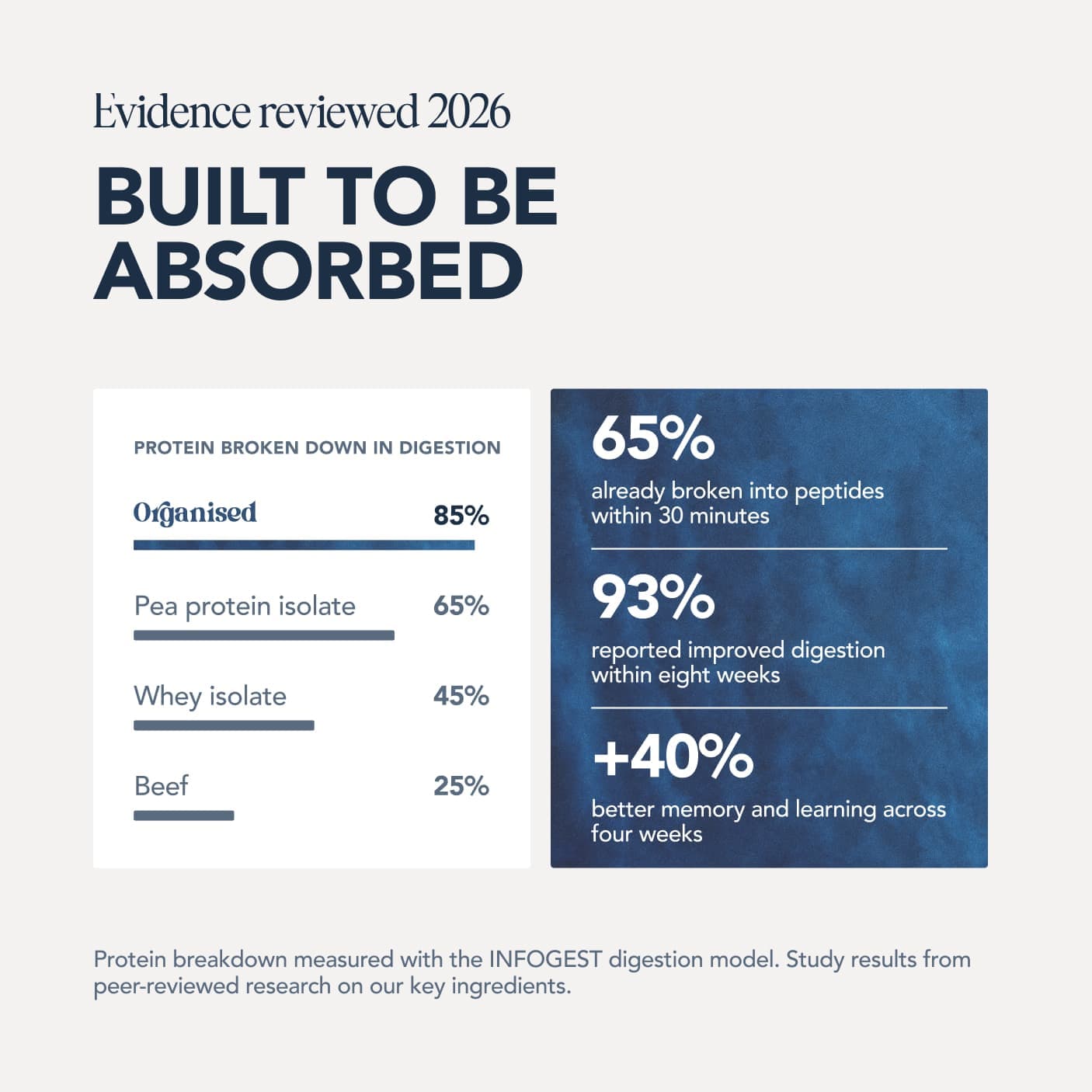
Many plant powders contain gums, fibres, and anti nutrients that some guts do not tolerate well. People who feel bloated or distended after pea or soy proteins often find beef protein noticeably calmer. It sits lightly and digests cleanly.Taste and texture
Beef protein has a neutral flavour that adapts to whatever you pair it with. Plant proteins often carry earthy or chalky notes that need more sweetener or flavouring to cover. This also means that beef protein can slip into savoury dishes, something plant proteins rarely do well.Practicality
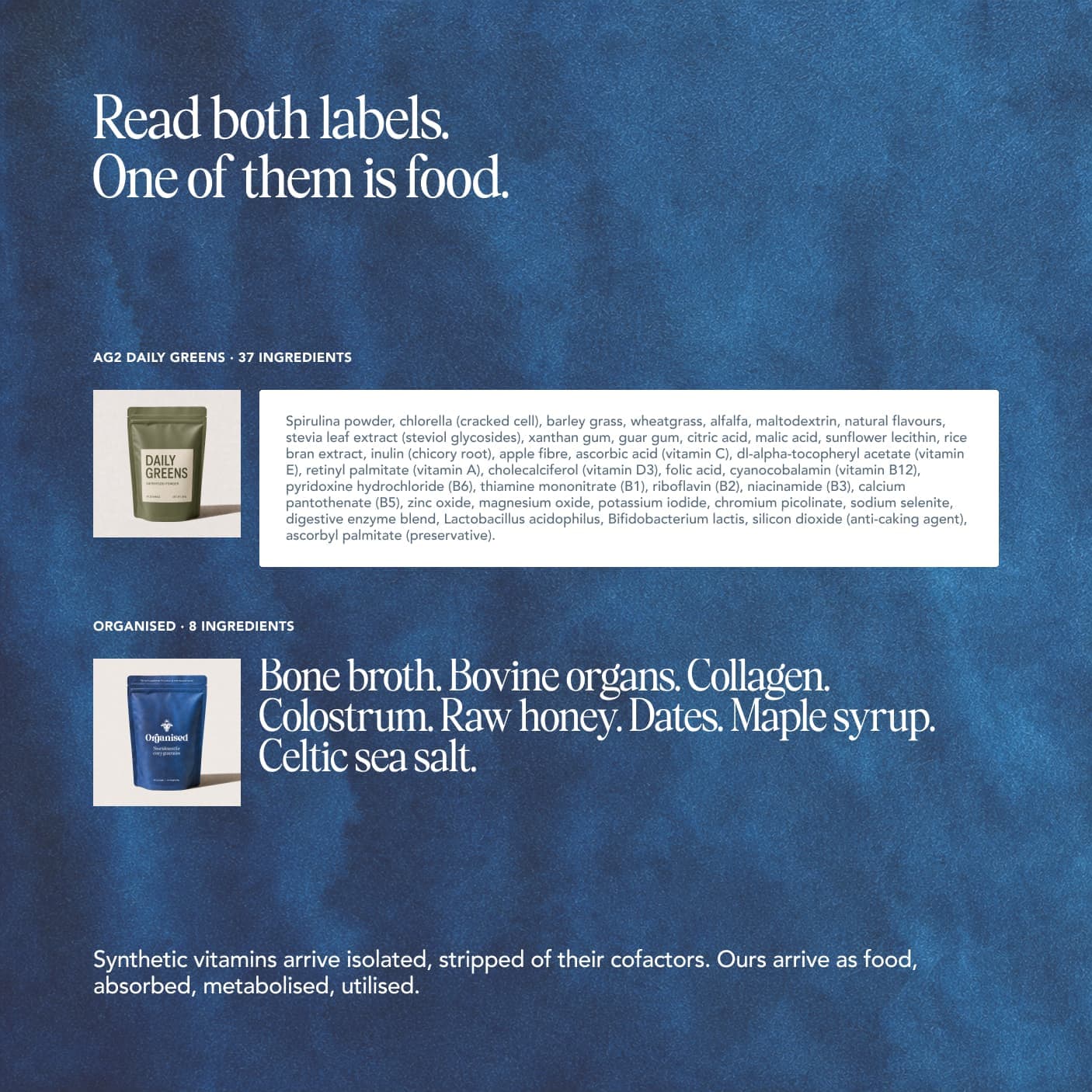
If you prefer minimalist ingredient labels, beef protein is usually the simplest of all protein types. You get beef, the hydrolysing agent, and a natural flavour. That is it. No long list of emulsifiers or binders.Sourcing concerns
Many plant protein powders come from aggressively and industrially farmed crops such as soy and pea. This type of farming is rapidly deceasing soil quality and mineralisation, and you risk pesticide exposure from left over resides by consuming. Grass-fed beef protein powder respects the land and the animals that graze on it.

1 of 9
Daily blend
100,000+ thriving families4.9 on Trustpilot
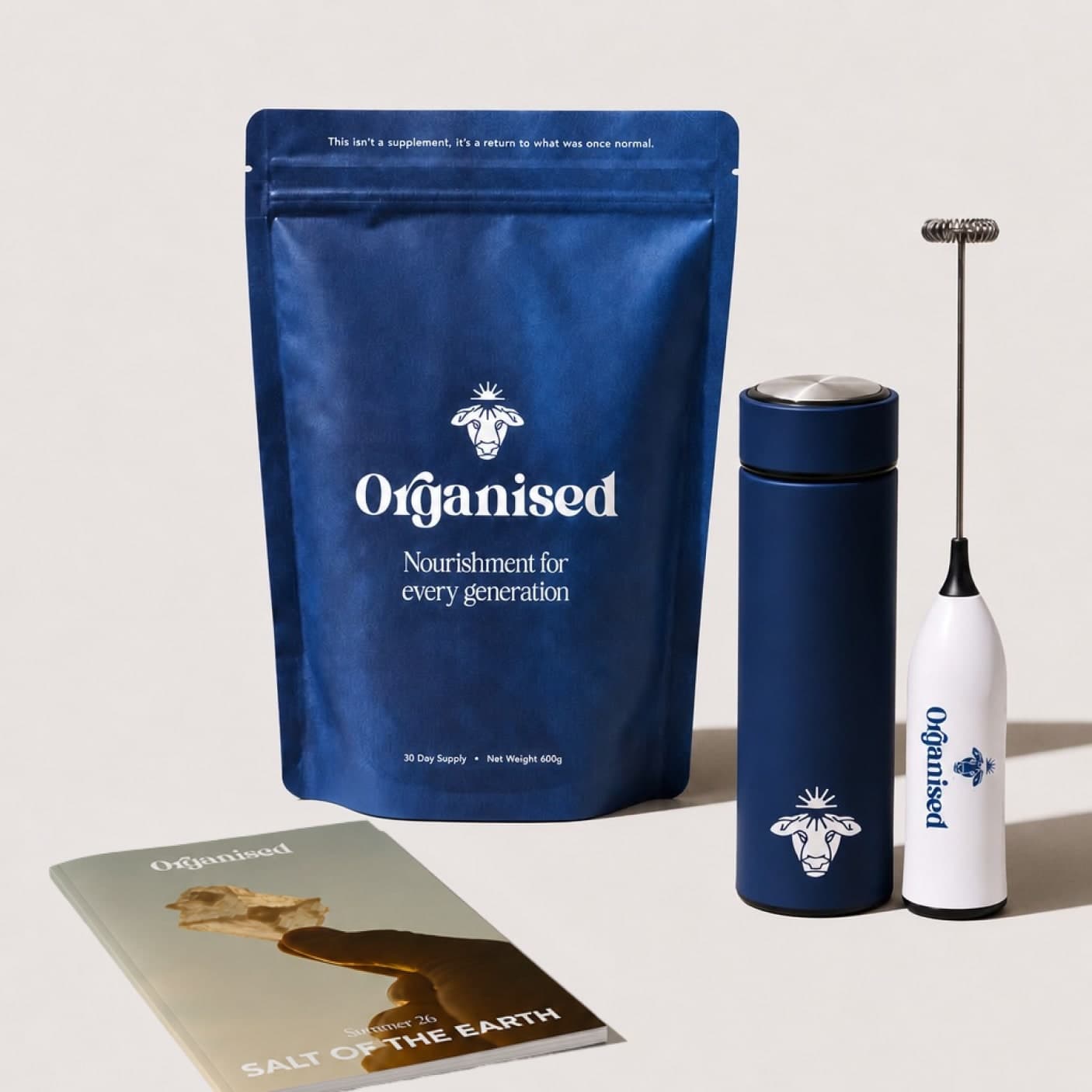
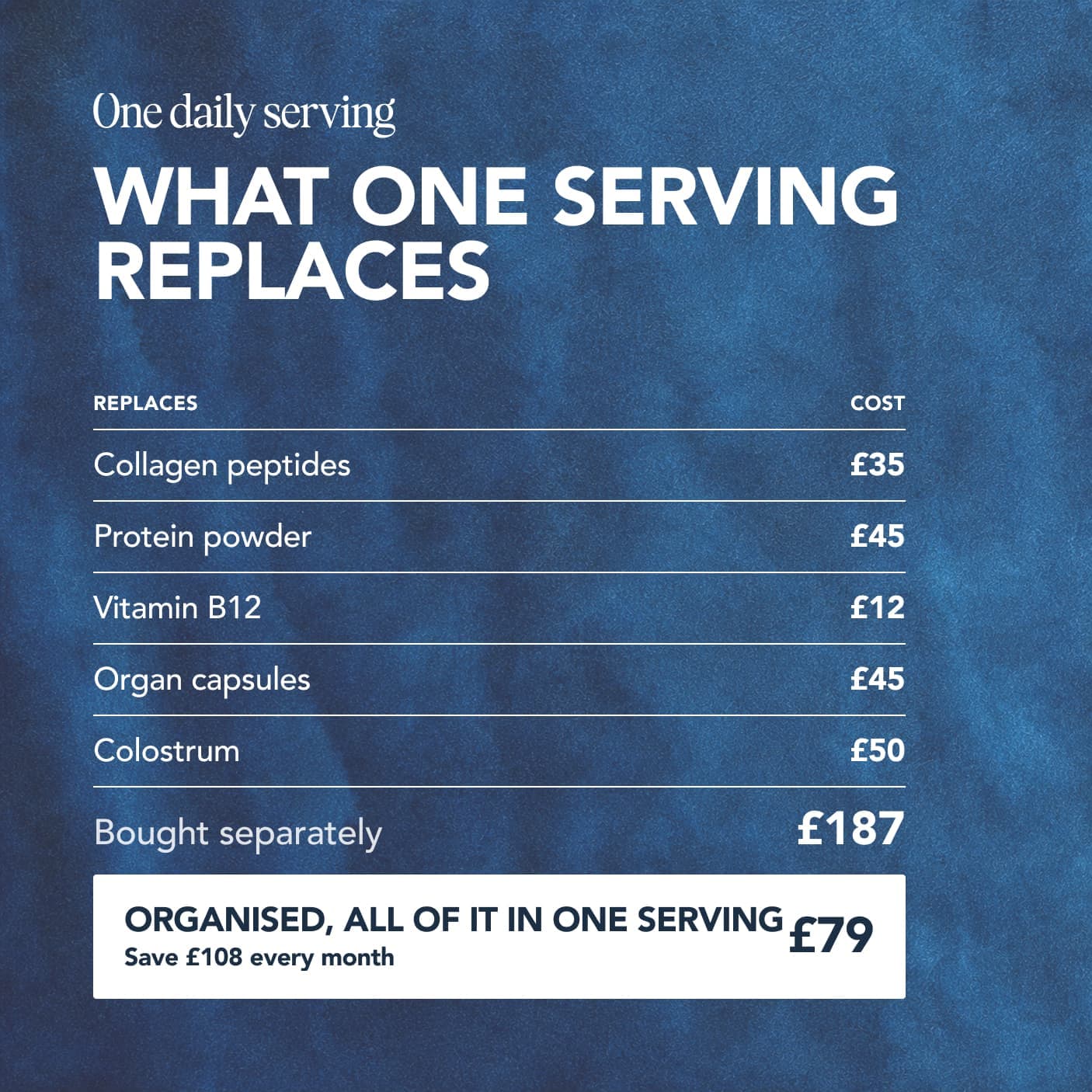
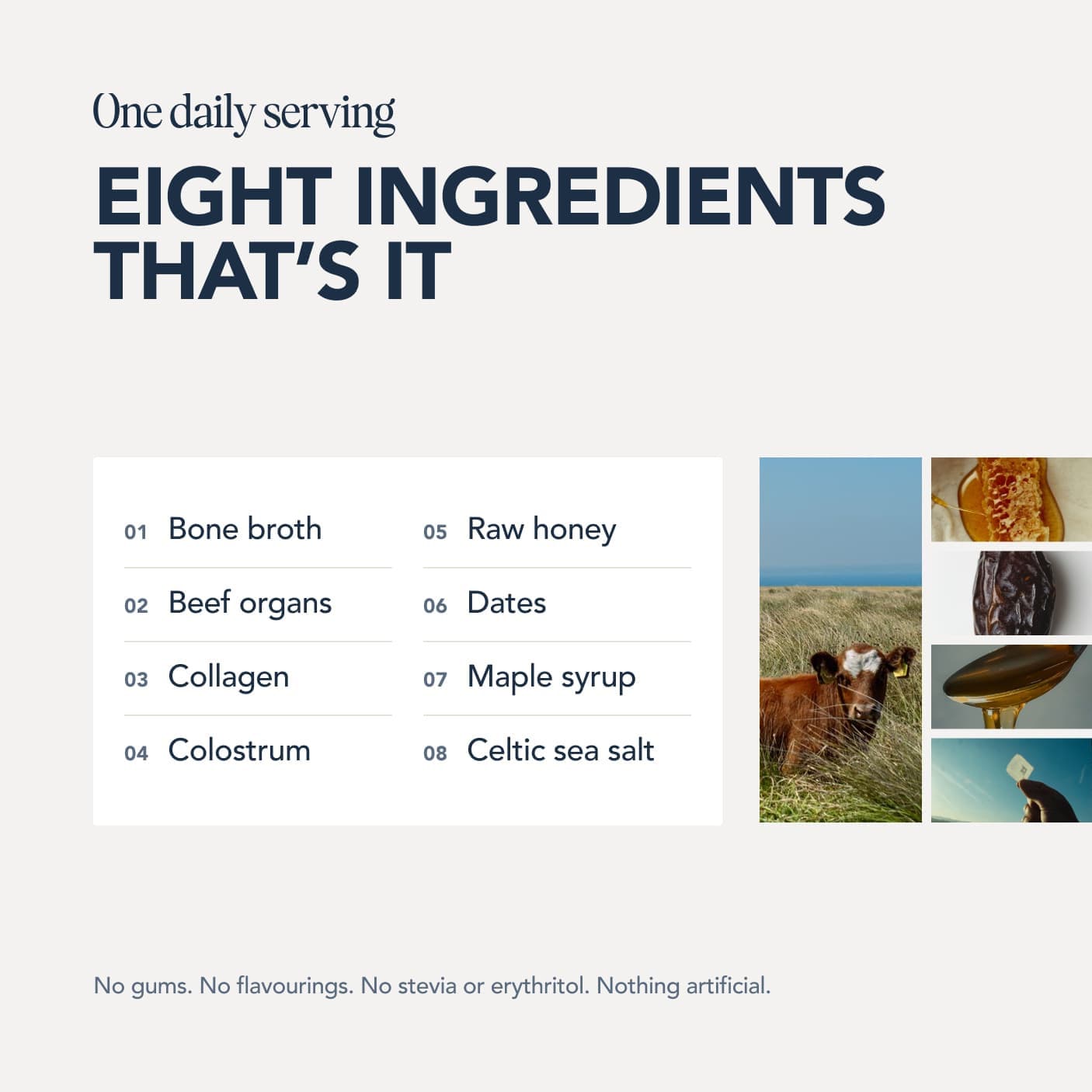
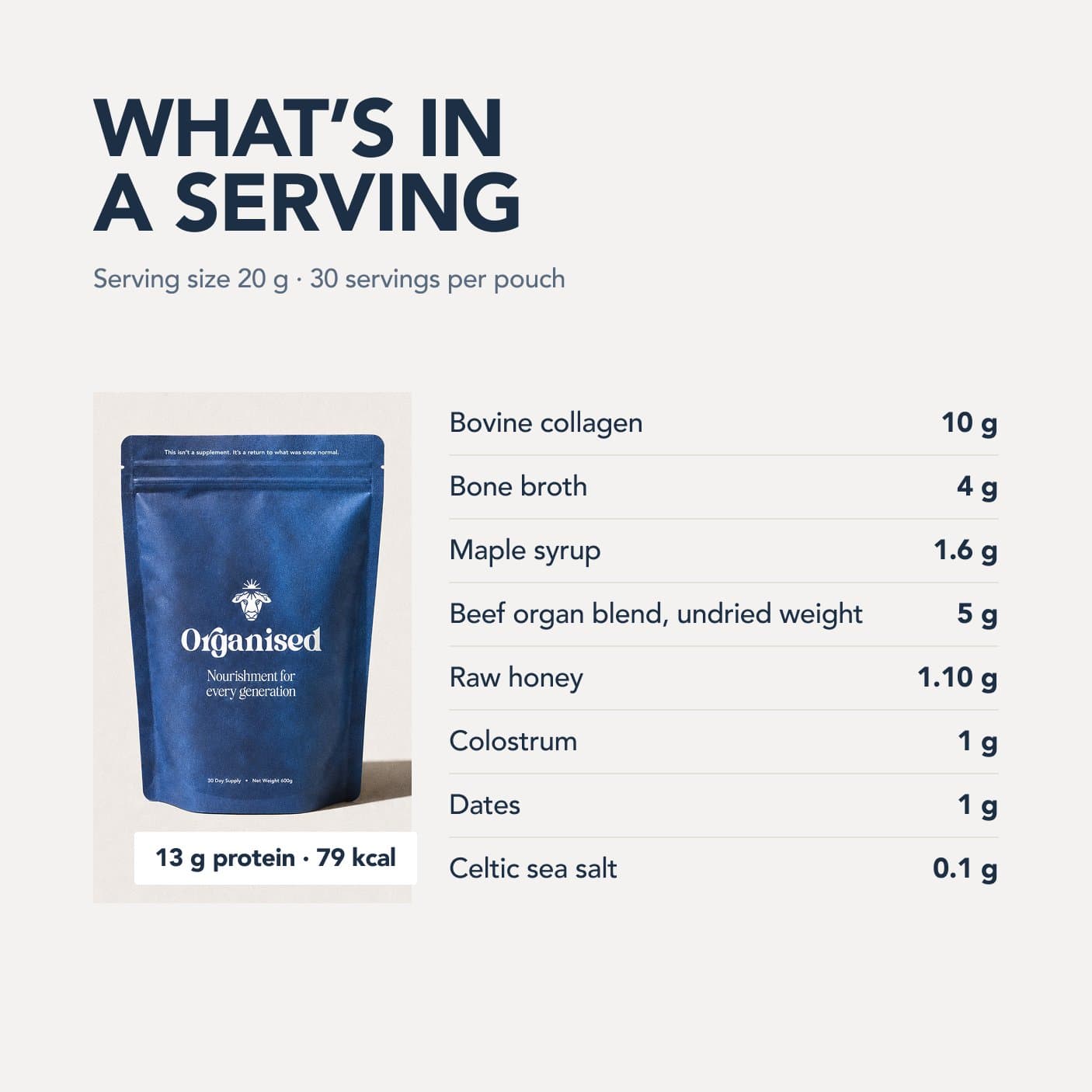
Eight real ingredients built around grass-fed beef organs, collagen and colostrum. Nothing synthetic added.
Free with your first order, worth £38. Plus £10 off the pouch with a subscription.



Free UK shipping · Made in England · 100 day money back guarantee on your first pouch · Skip, pause or cancel anytime
How collagen can complement beef protein
Collagen and beef protein work beautifully together. They support different but connected parts of the body, so using them side by side builds a more complete recovery pattern.
Beef protein is rich in essential amino acids, which are responsible for building and repairing muscle tissue. Collagen is rich in glycine, proline, and hydroxyproline, which feed the body’s structural network. This includes tendons, ligaments, fascia, bones, cartilage, skin elasticity, and the gut lining.
When you use the two together, you support the whole system. Muscles repair more effectively. Connective tissue becomes more resilient. Joints feel smoother. Even skin tends to look more hydrated over time because it relies on collagen peptides and vitamin C to maintain elasticity.
This is why many people describe a combined beef protein and collagen routine as feeling more “complete”. One supports strength. The other supports structure. Together they create an environment where training, movement, and daily stressors feel easier to recover from.
You can mix them in the same shake or place them in different drinks throughout the day. A simple pattern is beef protein in the morning or after training and collagen in a warm drink later in the day. You can also combine them in bone broth for a savoury protein boost.
Read our comparison of bovine and marine collagen here.
How to source good quality beef protein powder
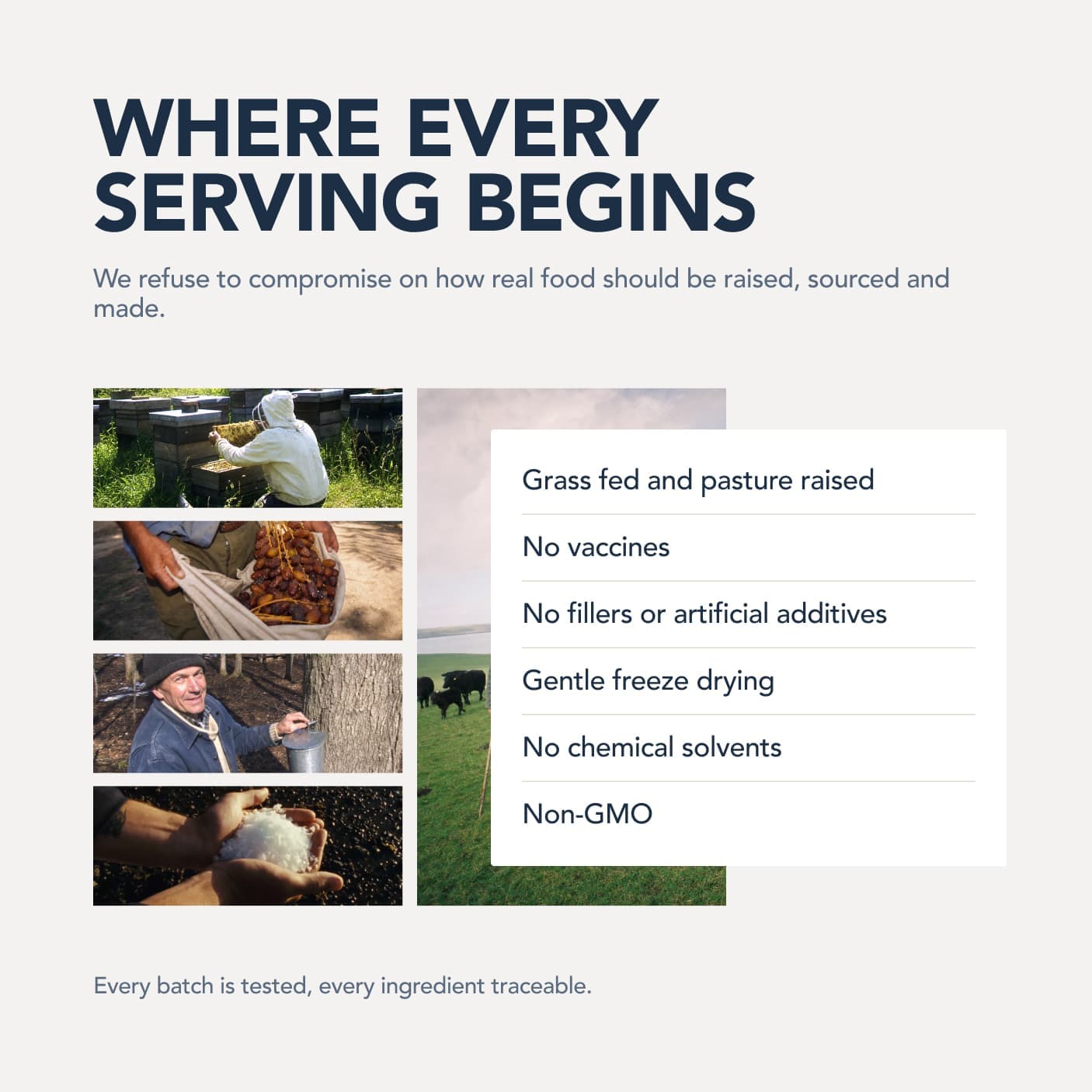
- Farming: Look for grass fed cattle and brands aligned with regenerative agriculture. Better farming produces richer amino acid profiles and reduces contaminant risk.
- Transparency: Quality brands show clear sourcing, country of origin, and detailed ingredient decisions. If you cannot find these details, it is usually a sign to explore other options.
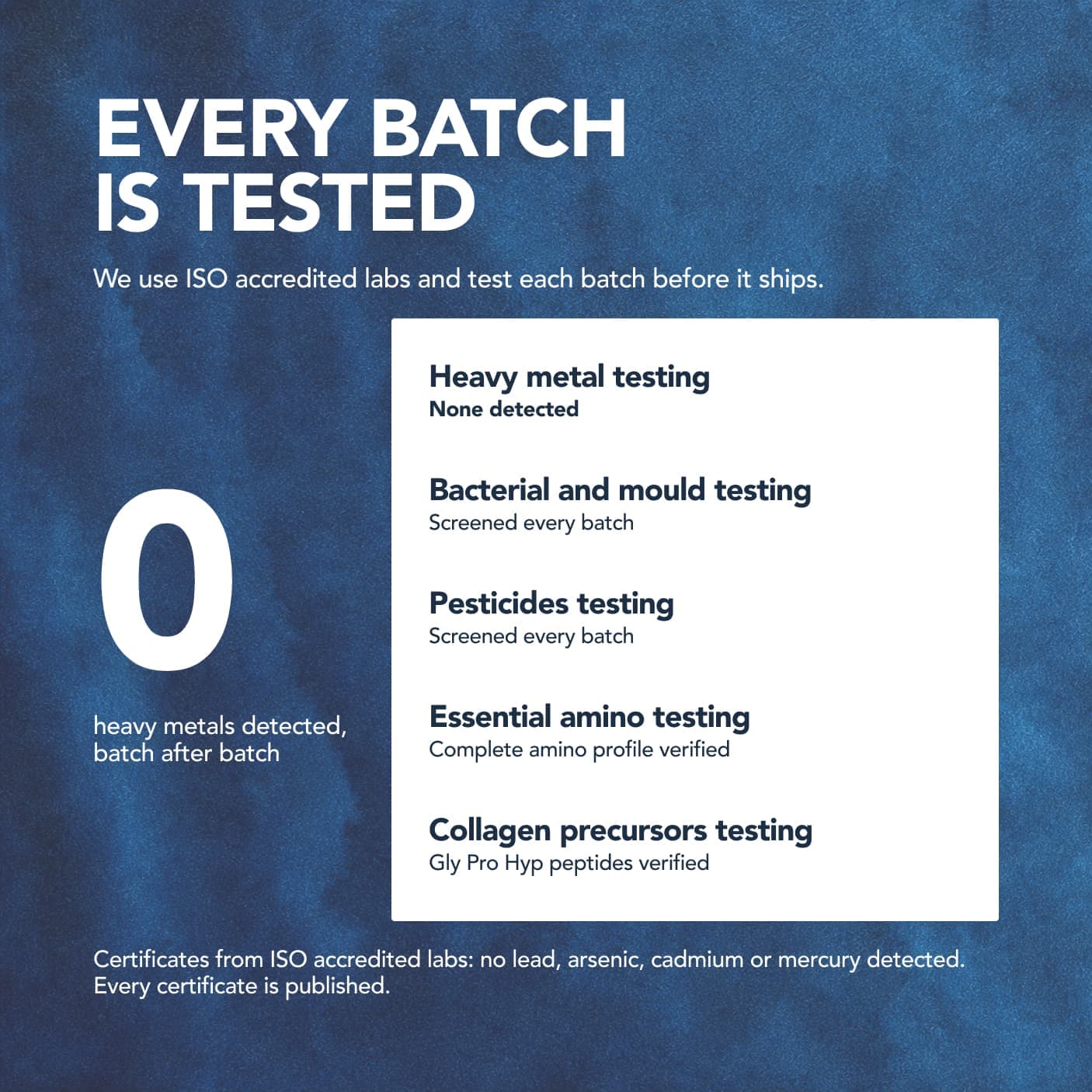
- Third-party testing: Ask for heavy metal testing and microbial testing for each batch. Lead, cadmium, arsenic, and mercury should be well within safe limits. Microbial activity should be low and stable. Good brands publish these results openly.
- Short ingredient lists: Choose powders that rely on beef protein, a simple flavour, and minimal additions. Avoid artificial flavourings, seed oils, and excessive sweeteners.
- Collagen clarity: If joint support matters, confirm whether the product includes collagen rich peptides or collagen fractions.
- Allergen and safety controls: Facilities should show strong allergen control systems and BSE protocols. This matters for beef based products.

Quick answers to the most common questions
Does beef protein powder contain collagen?
Some products do. Check the label for collagen fractions.
Is beef protein dairy free?
Plain beef protein is, as it contains no lactose or milk proteins. Worth noting if you're shopping our range: Organised isn't a plain beef protein, it includes colostrum, which is a dairy product, so Organised itself isn't dairy-free or lactose-free, though it is lower in lactose than regular milk.
Does beef protein have creatine?
Beef naturally contains creatine, although most isolates contain only traces.
Will it taste like beef?
No. It is neutral and blends into most foods.
Beef vs whey for muscle?
Both work. Whey is fast. Beef is steady and supports connective tissue.
Beef vs plant for digestion?
When should I take beef protein?
Any time. Morning, between meals, or evening all work well.
Who wrote and reviewed this guide
Niall Kiddle
Author · Founder, Organised
Niall is the founder of Organised. He started the company in 2024 after fixing his own health the slow way: in 2022 he swapped a cupboard of synthetic supplements for real food, raw milk, organ meats, bone broth and honey, and felt the difference within months.
Areas of expertise: Ancestral nutrition, Organ meats, Whole-food supplementation, Gut health, Regenerative sourcing
Read Niall's full profile
Pedro Rodrigues
Reviewer · Agronomist (farming and sourcing only)
Pedro is the agronomist Organised works with on farming and sourcing. His job on the guides is to keep the science honest: he reviews what we publish about soil health, regenerative agriculture, grazing and the way food is actually produced.
Areas of expertise: Regenerative agriculture, Agronomy, Soil health, Grass-fed farming, Food sourcing
Reviewed this guide on
Read Pedro's full profileMore on beef protein
View allBrowse the guides library
All guidesKeep reading
Ingredients
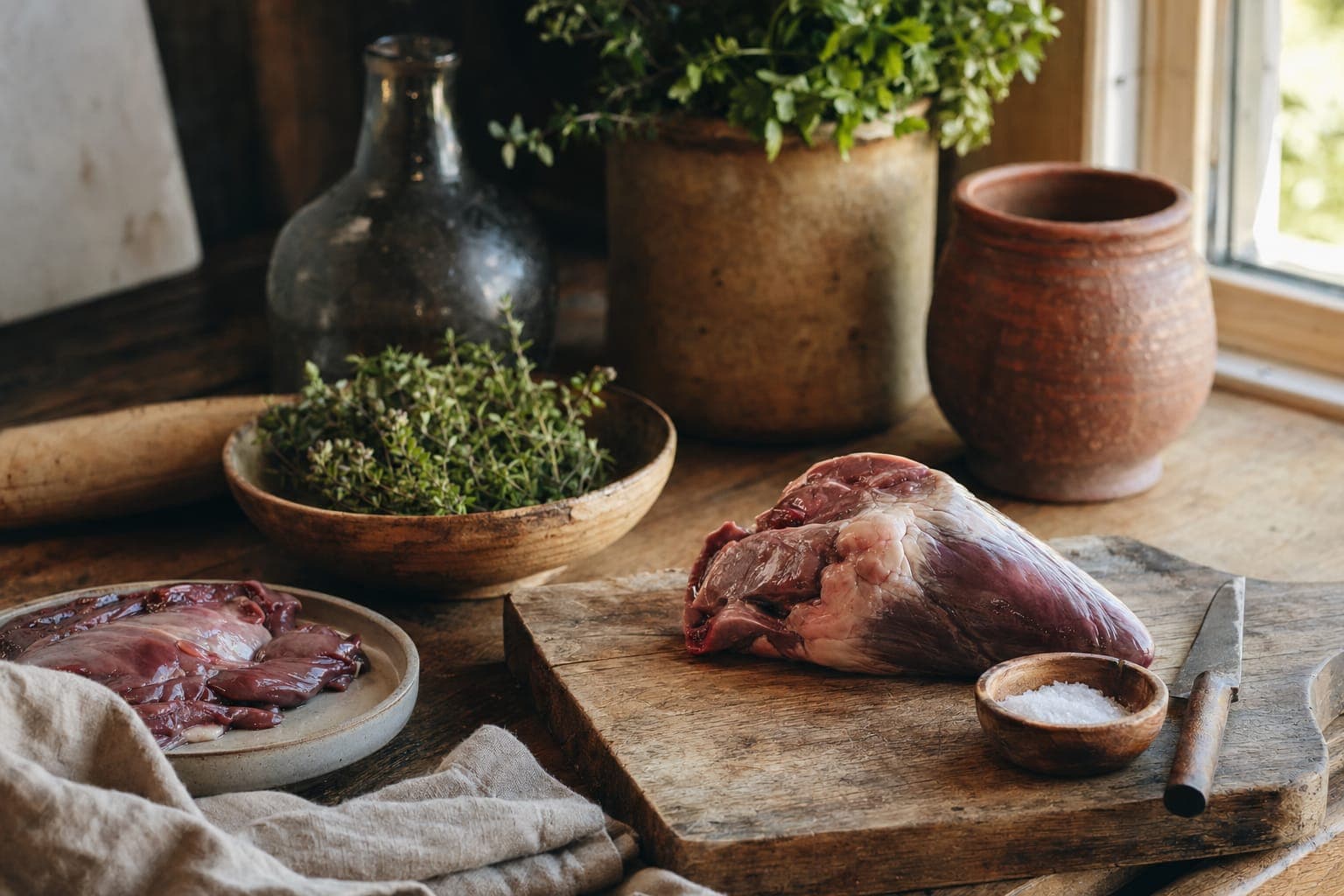
CoQ10 from Beef Heart vs CoQ10 Supplements: Is There a Difference?
CoQ10 from beef heart comes with cofactors that supplements don't. Here's how the whole food version supports your heart differently than isolated CoQ10.

Ingredients
Grass-Fed Beef Protein Isolate: What Makes It Different
See what sets grass-fed beef protein isolate apart, from easy digestion to micronutrient content, and how it really compares with whey protein for daily use.
Ingredients
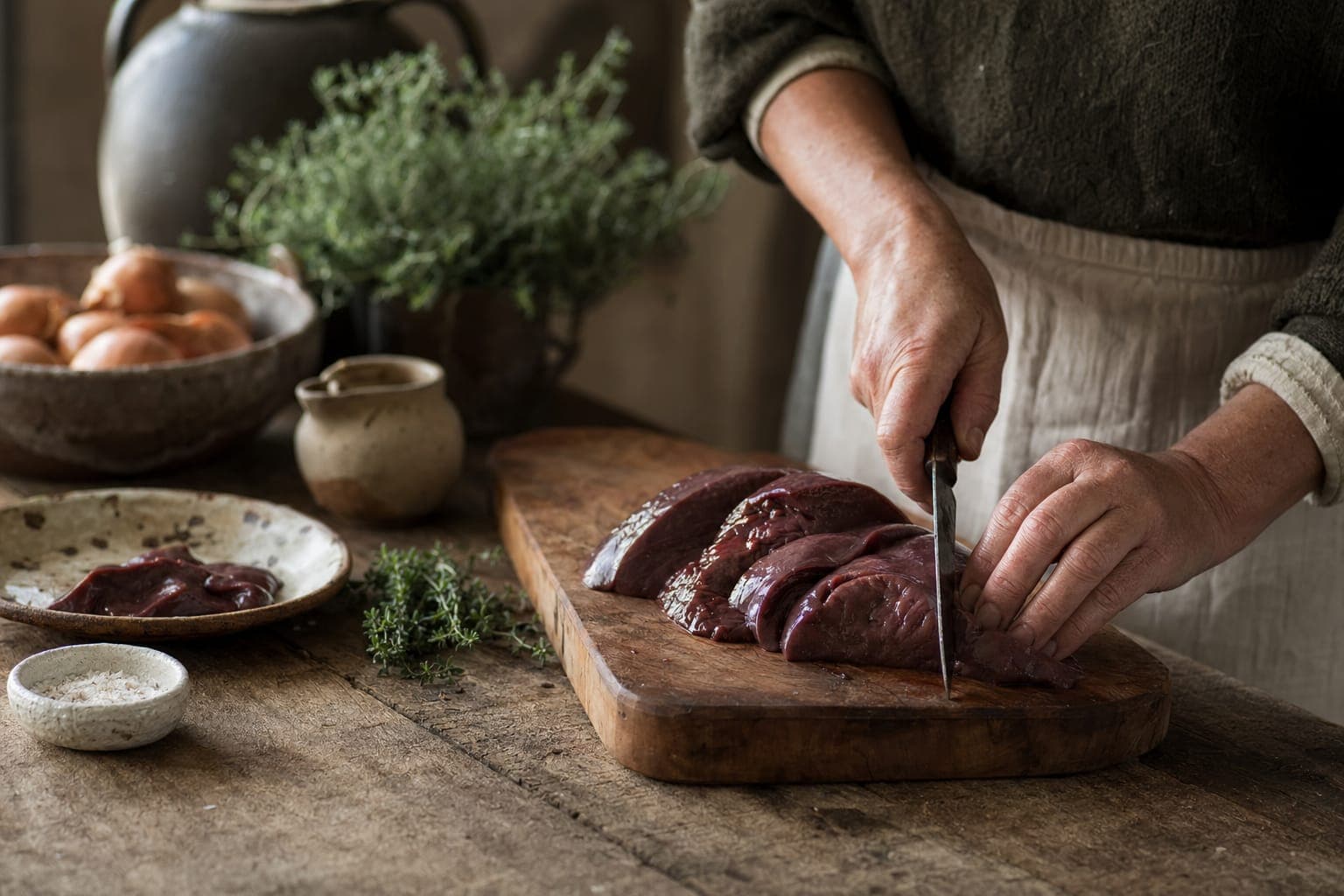
How Much Vitamin A Is in Beef Liver? (And Is It Too Much?)
Find out how much vitamin A (retinol) is in beef liver, whether you can take too much, and what the research shows about safe amounts for everyday eating.
Real food, made effortless
Try the organ blendA few ways to use it
All recipes
Organised Smoothie Bowl Recipes for Every Season
Four seasonal smoothie bowl recipes using Organised. Berry in summer, apple-cinnamon in autumn, tropical in spring, warming chocolate in winter.

10 Ways to Use Organised That Aren't Just a Shake
Move beyond the basic shake. Discover 10 creative ways to use Organised in smoothie bowls, oats, yoghurt, baking, and more.
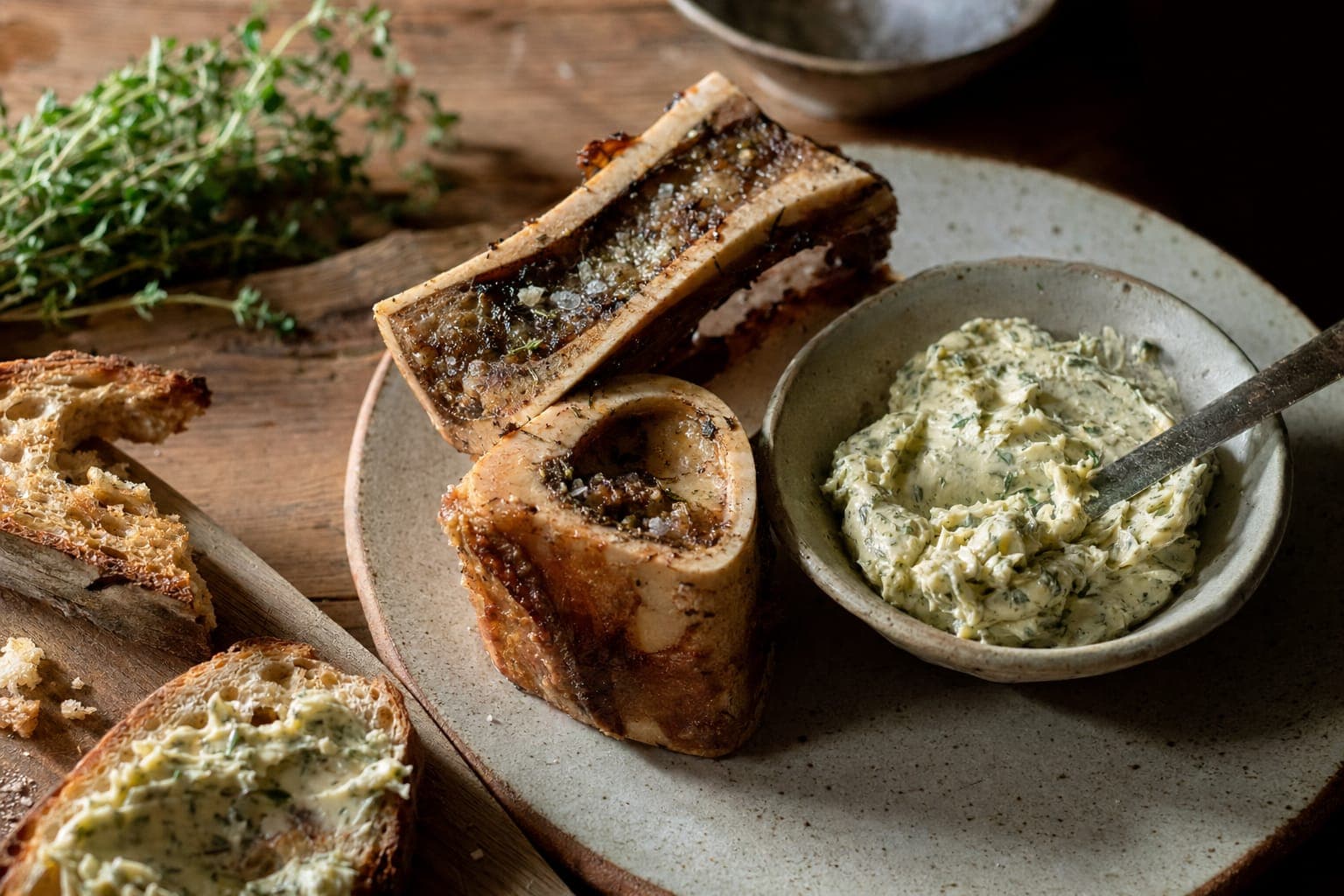
How to Make Bone Marrow Butter
Roast grass-fed marrow bones, scoop the marrow, and mix with butter and herbs. A nutrient-dense spread with fat-soluble vitamins.


 Join over 100,000+ members
Build a better food system with us
The Organised community is thousands of people choosing real food and backing the farmers who grow it, all of us trying to leave the world a little better than we found it. If that is what you care about too, you belong here.