What Is Raw Milk? A Clear Guide (Benefits, Risks & How to Source It Well)
Raw milk is unpasteurised milk. That’s the whole definition, but it’s not the whole story. Because it hasn’t been heat-treated, it’s handled differently, regulated differently, and it demands better sourcing.
By Niall Kiddle, Founder, Organised

Reviewed by Pedro Rodrigues, Agronomist (farming and sourcing only) ·
6 min read · Published · Updated
Makers of the Organised Daily blend, a grass-fed beef organ supplement from regenerative UK farms
So… what is raw milk?
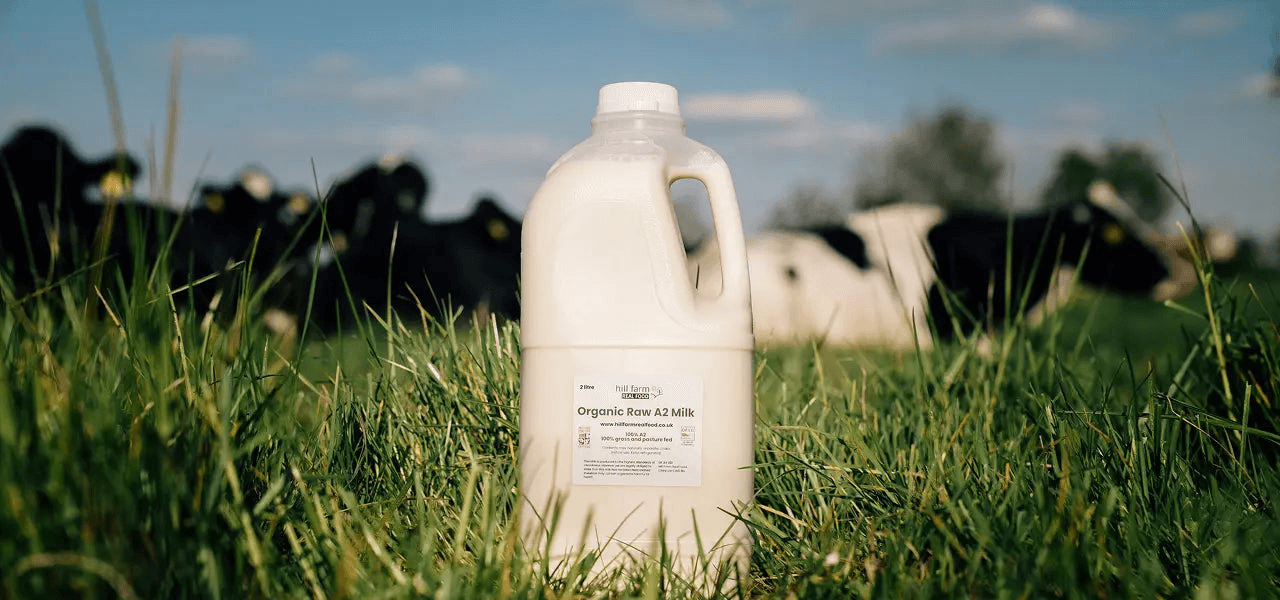
Raw milk (also called unpasteurised milk) is milk that has not been heat-treated (pasteurised).
It’s the version humans drank for millennia… before industrial processing, before “best before” dates, before milk became something that could sit quietly under fluorescent lights for two weeks and still look identical.
But (and this matters): because it isn’t heat-treated, it can also carry bacteria that pasteurisation is designed to kill, which is why raw milk is a topic that comes with equal parts romance and responsibility.
Raw milk, defined (in one line)
Raw milk = milk that has not been pasteurised.
Often (though not always), it’s also unhomogenised (meaning the cream naturally rises to the top), because most farms selling raw milk don’t put it through industrial homogenisation.

What raw milk is not (because confusion is rampant)
Raw milk isn’t automatically:
-
Organic
-
A2
-
Regenerative
-
Higher welfare
-
Safer than pasteurised milk
Raw milk is a processing status, not a farming standard.
You can have raw milk from a pristine, pasture-raised herd… or raw milk from a system that’s cutting corners.
That’s why sourcing isn’t just a bonus step.
If you want the “how to source it well” piece, we already built you a practical roadmap here: Where to Find Raw Milk: A Guide to Sourcing, Farms and Quality.
The two big processes raw milk skips
To understand raw milk, you need to understand what most supermarket milk has been through.
Pasteurisation (heat treatment)
Pasteurisation is a safety process: milk is heated briefly, then cooled, to reduce harmful microbes.
One common method is HTST (high-temperature short-time), typically heating milk to around 72°C for 15 seconds.
Important nuance: pasteurisation is designed to kill pathogens, but it doesn’t sterilise milk (it’s not a total “wipe everything” situation)
Raw milk hasn’t gone through this step.
Homogenisation (structural treatment)
Homogenisation isn’t about safety, it’s about aesthetics and texture.
If milk is left alone, fat rises and forms a cream layer. Homogenisation prevents that by forcing milk through a tiny opening under high pressure, breaking fat globules into smaller pieces so they stay evenly dispersed.
Raw milk is typically sold unhomogenised, which is why you’ll often see:
-
a cream top
-
natural variation between bottles
-
a “shake me” reality before pouring

What does raw milk actually contain?
Milk is not just “protein + calcium.”
It’s a complex biological fluid designed to grow a mammal — which means it naturally contains:
-
macronutrients (fat, protein, lactose)
-
vitamins and minerals
-
bioactive proteins (like lactoferrin and immunoglobulins)
-
microbes (some beneficial, some potentially harmful, depending on hygiene and handling)
The “living food” angle (and where it’s real vs romantic)
Raw milk enthusiasts often describe it as “alive,” and in a literal sense, that’s true: it hasn’t been heat-treated, so naturally occurring components remain in their native state.
At the same time, major food safety agencies consistently emphasise that raw milk can carry dangerous pathogens, and that’s the non-negotiable part of the discussion.
So the more grounded (and helpful) way to frame it is:
Raw milk isn’t magical. It’s unprocessed.
And unprocessed foods demand better sourcing, better storage, and better discernment.
Does raw milk have more nutrients than pasteurised milk?
This is where people get tribal, and it’s worth staying clear-headed.
-
Pasteurisation is widely described as having minimal impact on milk’s overall nutritional value, even though it can change certain heat-sensitive components.
-
Some research shows heat treatments can reduce levels/activity of certain bioactive proteins (like lactoferrin and immunoglobulins) in dairy processing contexts.
-
At the same time, public health agencies point out there is no clear health benefit proven that outweighs the risk for the general population, and they strongly emphasise food poisoning risk.
The honest answer is:
Raw milk’s biggest “difference” for most people is not a macronutrient spreadsheet.
It’s the experience. Taste, texture, creaminess, and the connection to a source.
Why does raw milk taste different?
If you’ve tried it, you already know: raw milk doesn’t taste like “regular milk.”
It tastes like:
-
the animal
-
the pasture
-
the season
-
the handling
And because it’s usually unhomogenised, you get that creamline richness that industrial milk is engineered to erase.
It’s closer to wine than it is to supermarket milk, a living expression of place.
Get ingredient guides like this, free
Two short reads a week on the ingredients that matter and how to actually use them.
By signing up you agree to receive emails from us. No spam, unsubscribe anytime.
Is raw milk safe?
Let’s be direct.
Raw (unpasteurised) milk may contain harmful bacteria that can cause food poisoning, which is why official bodies repeatedly caution against it, especially for vulnerable groups.
The CDC lists pathogens that can be associated with raw milk, including Campylobacter, E. coli, Listeria, Salmonella, and others.
And here’s the part many people don’t want to hear:
contamination can occur even with good hygienic practices, because farms are living ecosystems and animals can carry pathogens without appearing sick.
Who should avoid raw milk?
UK and US guidance aligns on the key groups at higher risk.
The UK Food Standards Agency advises that people with weaker immune systems should not consume raw drinking milk/cream, including:
-
people aged 65+
-
pregnant women
-
infants and small children
-
people with compromised immune systems.
The CDC similarly highlights higher risk for young children, older adults, pregnant people, and those with weakened immune systems.
One more critical truth: you can’t “sniff test” safety
Even if raw milk smells fine, there’s no reliable visual or sensory indicator for the presence of pathogens.
So if you choose raw milk, you’re choosing a food where trust in sourcing and systems matters more than your senses.

1 of 9
Daily blend
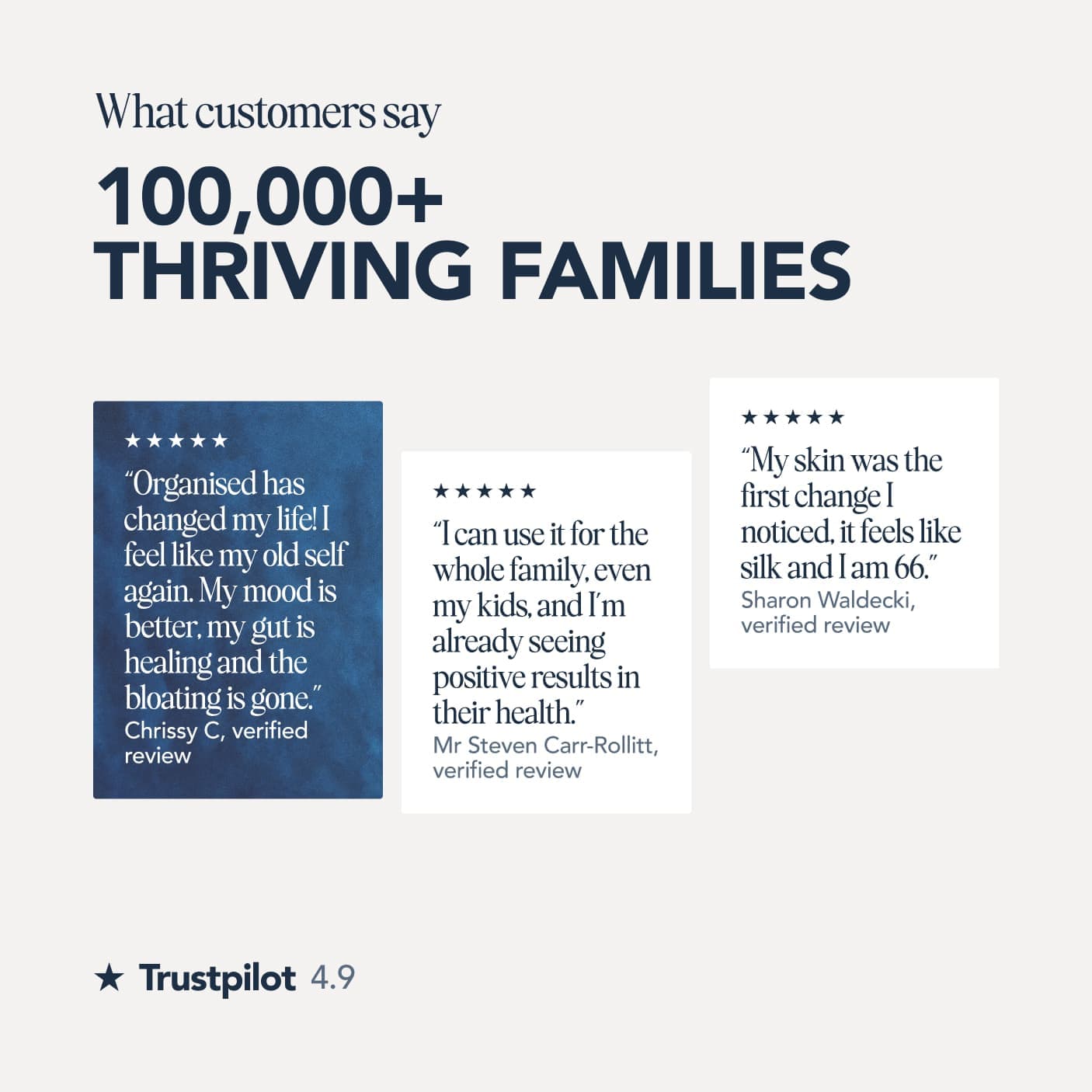
100,000+ thriving families4.9 on Trustpilot
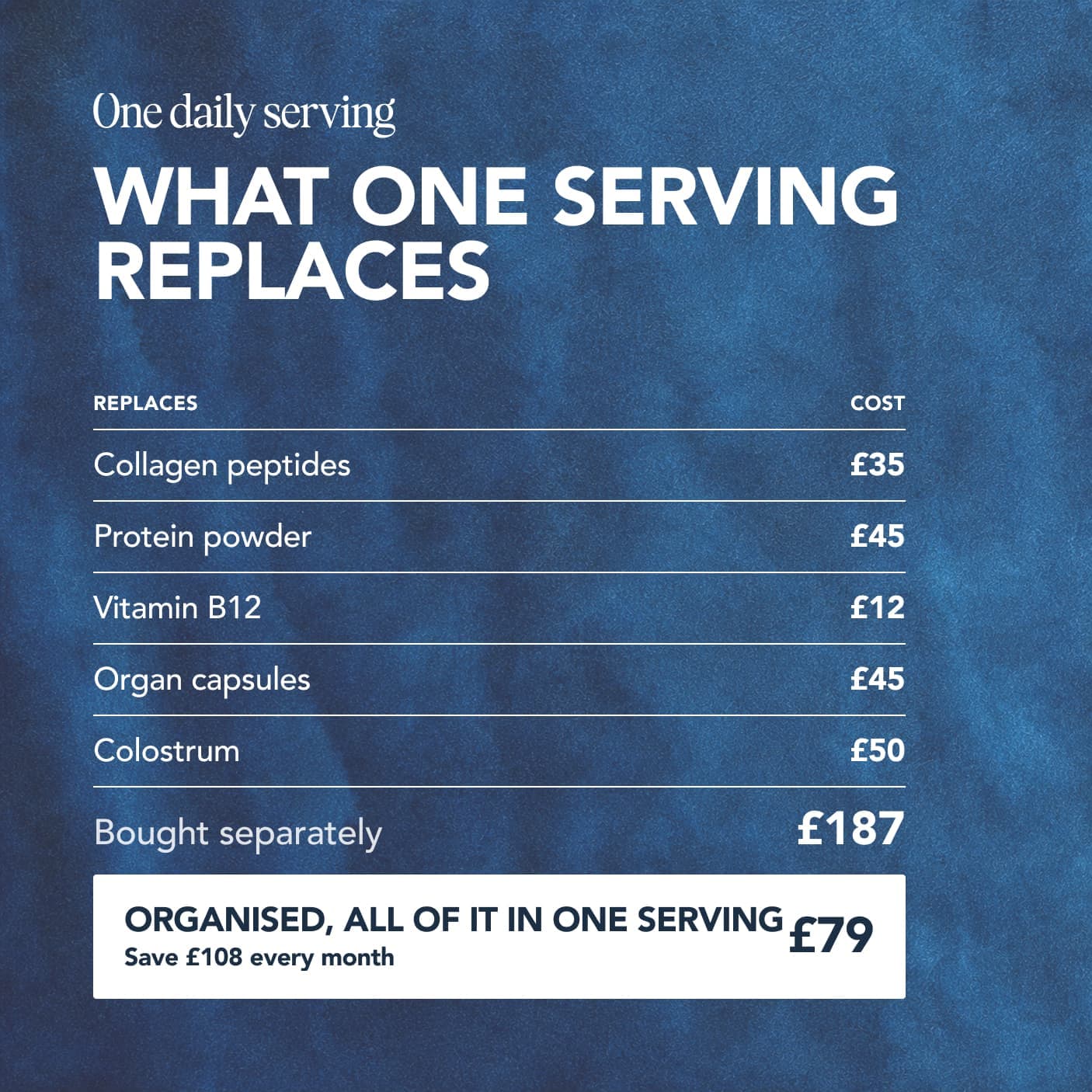
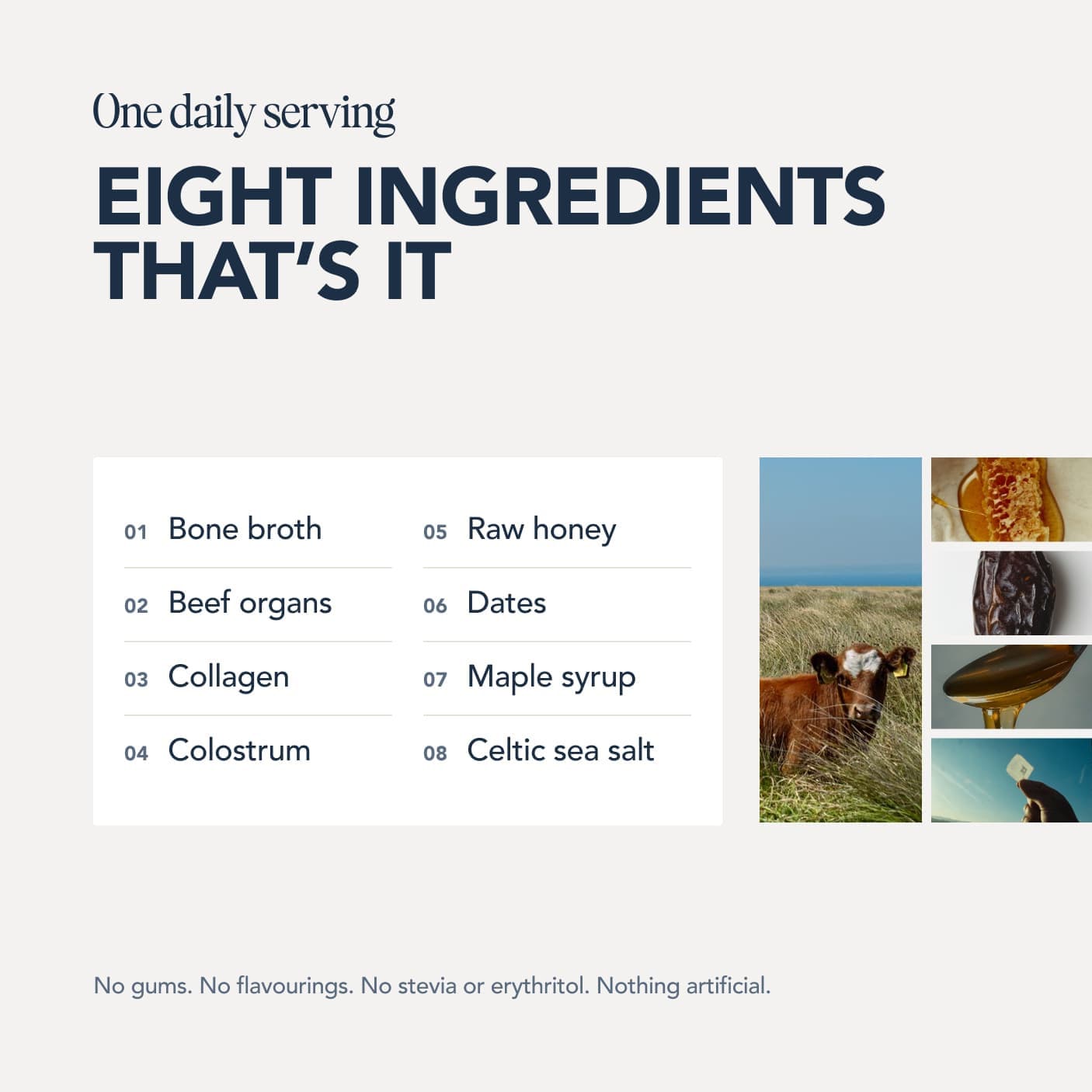
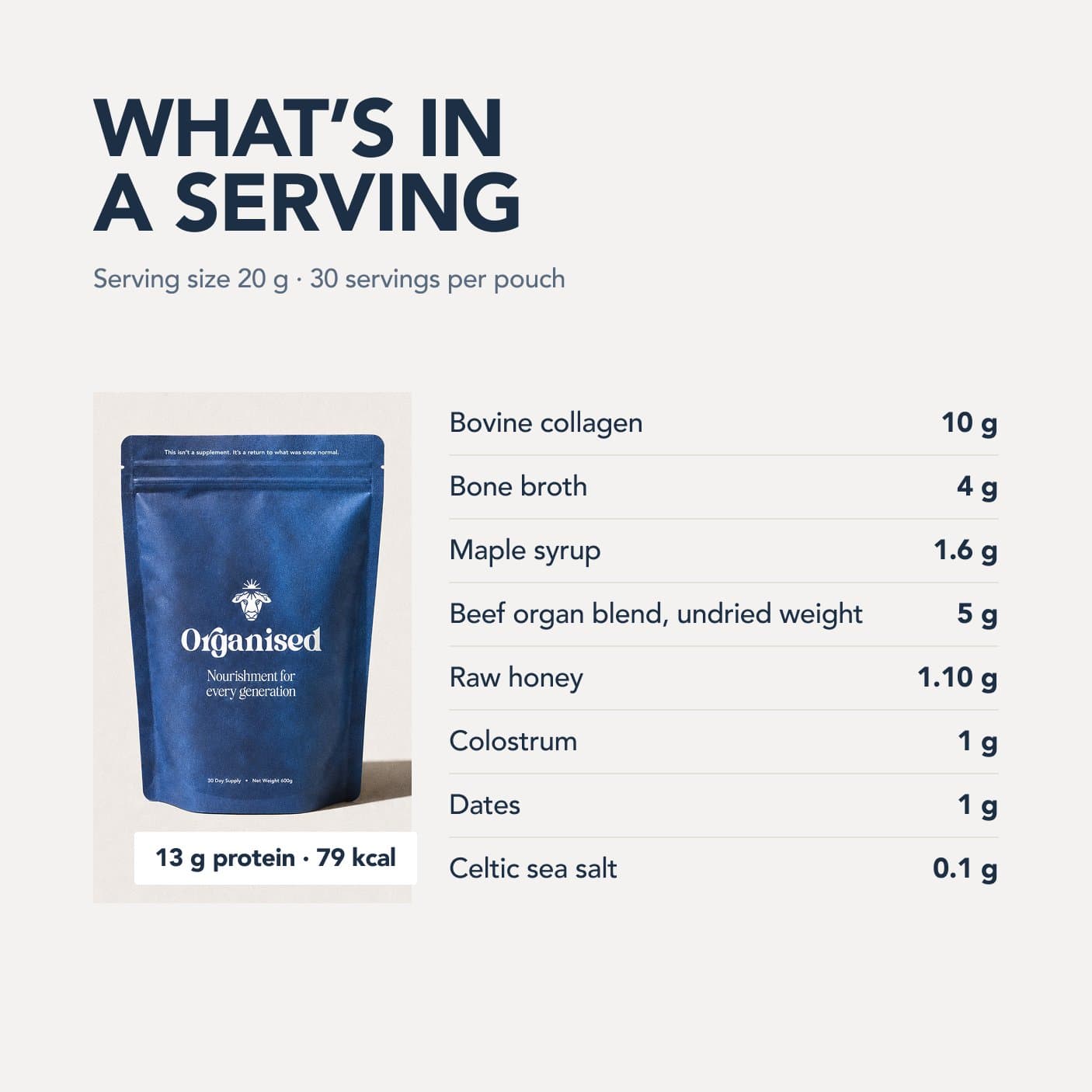
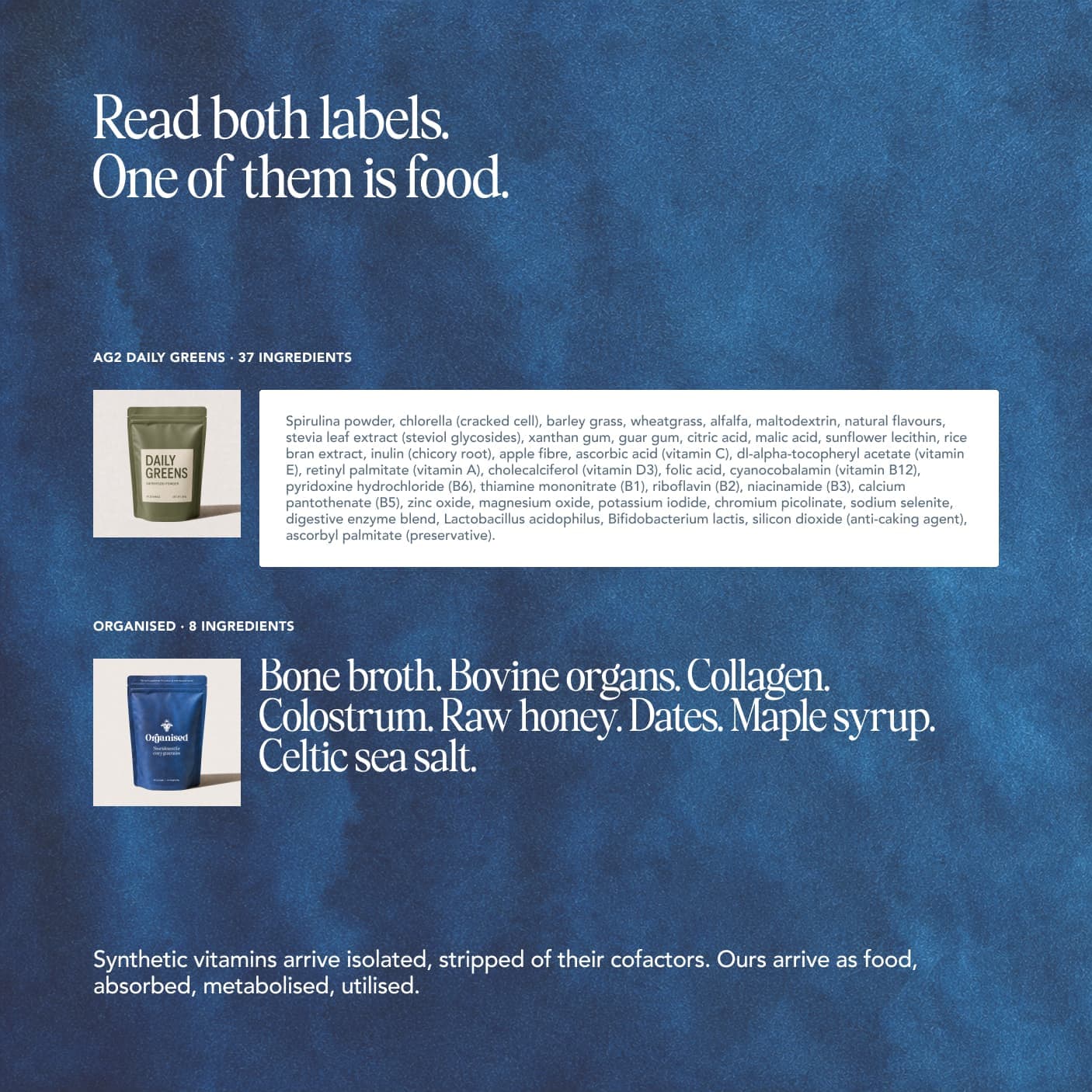
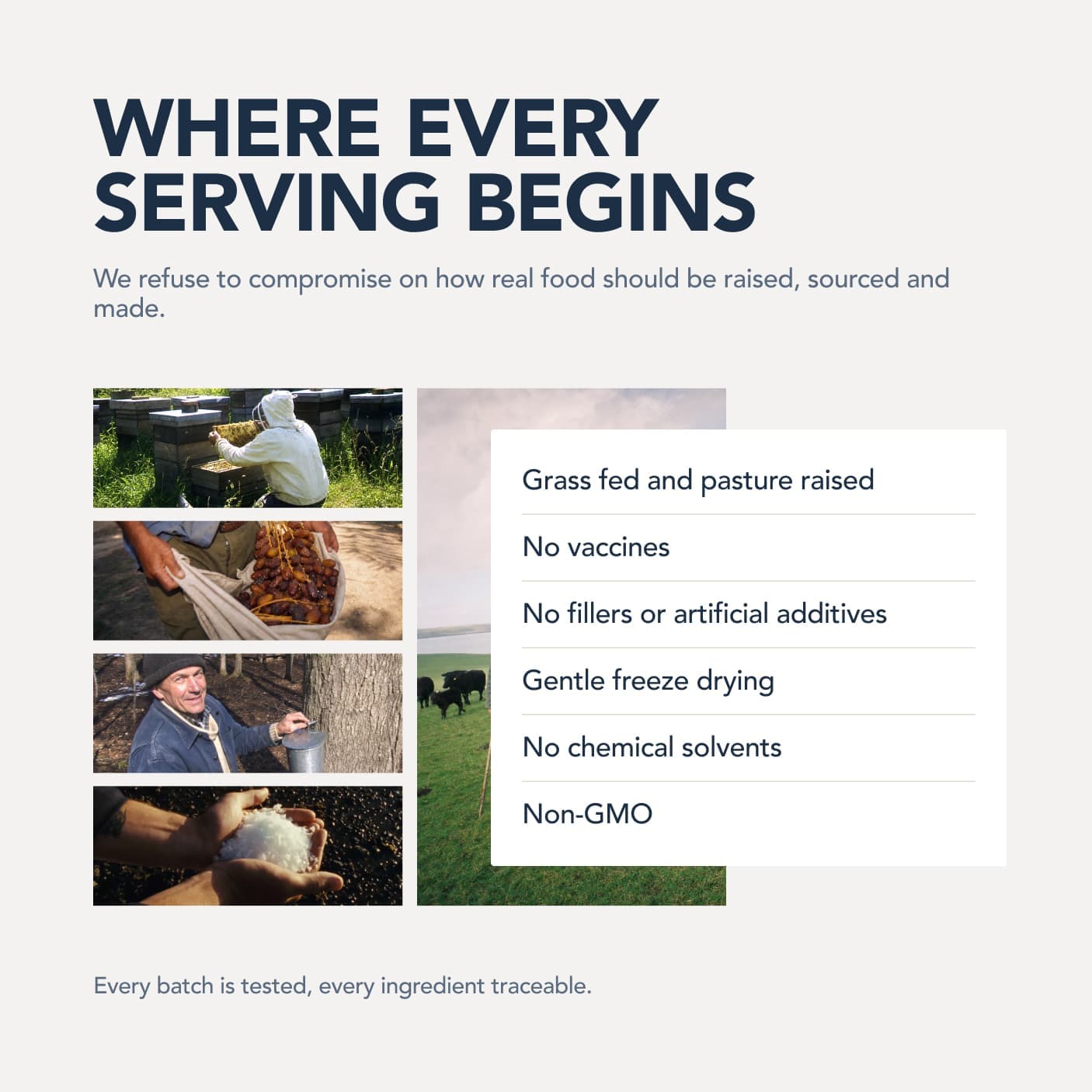
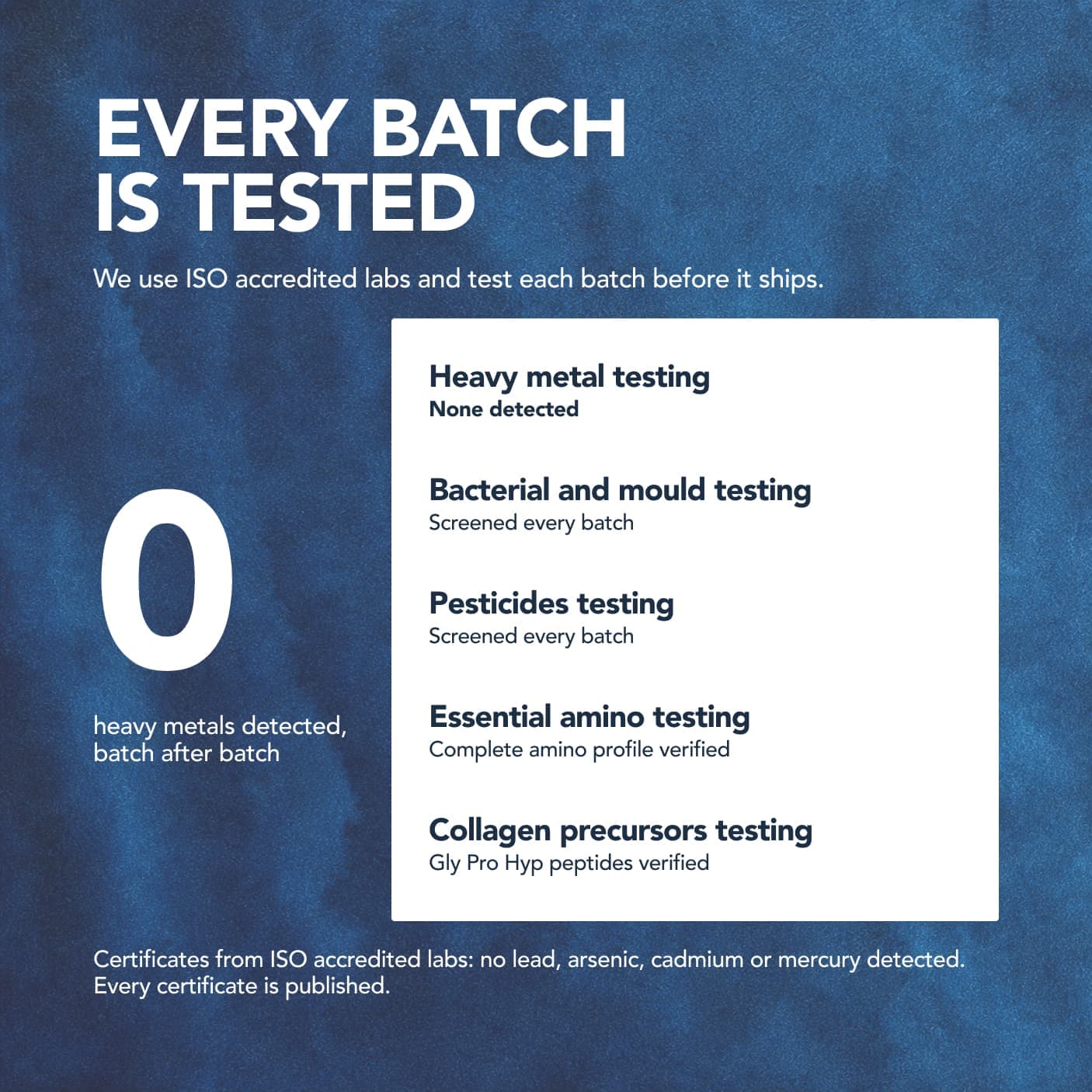
Eight real ingredients built around grass-fed beef organs, collagen and colostrum. Nothing synthetic added.
Free with your first order, worth £38. Plus £10 off the pouch with a subscription.
Free UK shipping · Made in England · 100 day money back guarantee on your first pouch · Skip, pause or cancel anytime
How to choose raw milk well (without losing your mind)
Raw milk is not something you “grab”, it’s something you source.
Here’s the simplified filter:
Know the farm, not the label
You want transparency:
-
animal health standards
-
hygiene practices
-
cold chain handling
-
regular testing (where relevant/required)
Treat it like the perishable food it is
Raw milk is not shelf-stable. Respect the cold chain, keep it refrigerated, and don’t leave it sitting on the counter like it’s invincible.
Don’t outsource discernment to TikTok
Raw milk is a real food, not a trend. Act accordingly.
And if you want the full checklist: exactly what to ask, what to look for, and how to build a sourcing routine that feels simple - use our guide: Where to Find Raw Milk: A Guide to Sourcing, Farms and Quality. Our Organised app also has a directory of good quality farms, including those that sell raw milk.
Raw milk at home: how people actually use it
Most people start with the obvious:
-
drinking it plain
-
coffee/tea
-
porridge
-
smoothies
But raw milk culture (literally) is where it gets interesting:
-
kefir
-
yoghurt
-
cultured butter
-
raw milk cheeses (where legal and properly produced)
Fermentation can change flavour and lactose levels, but it’s not a guarantee of pathogen safety so treat fermented raw dairy with the same seriousness around sourcing and handling.
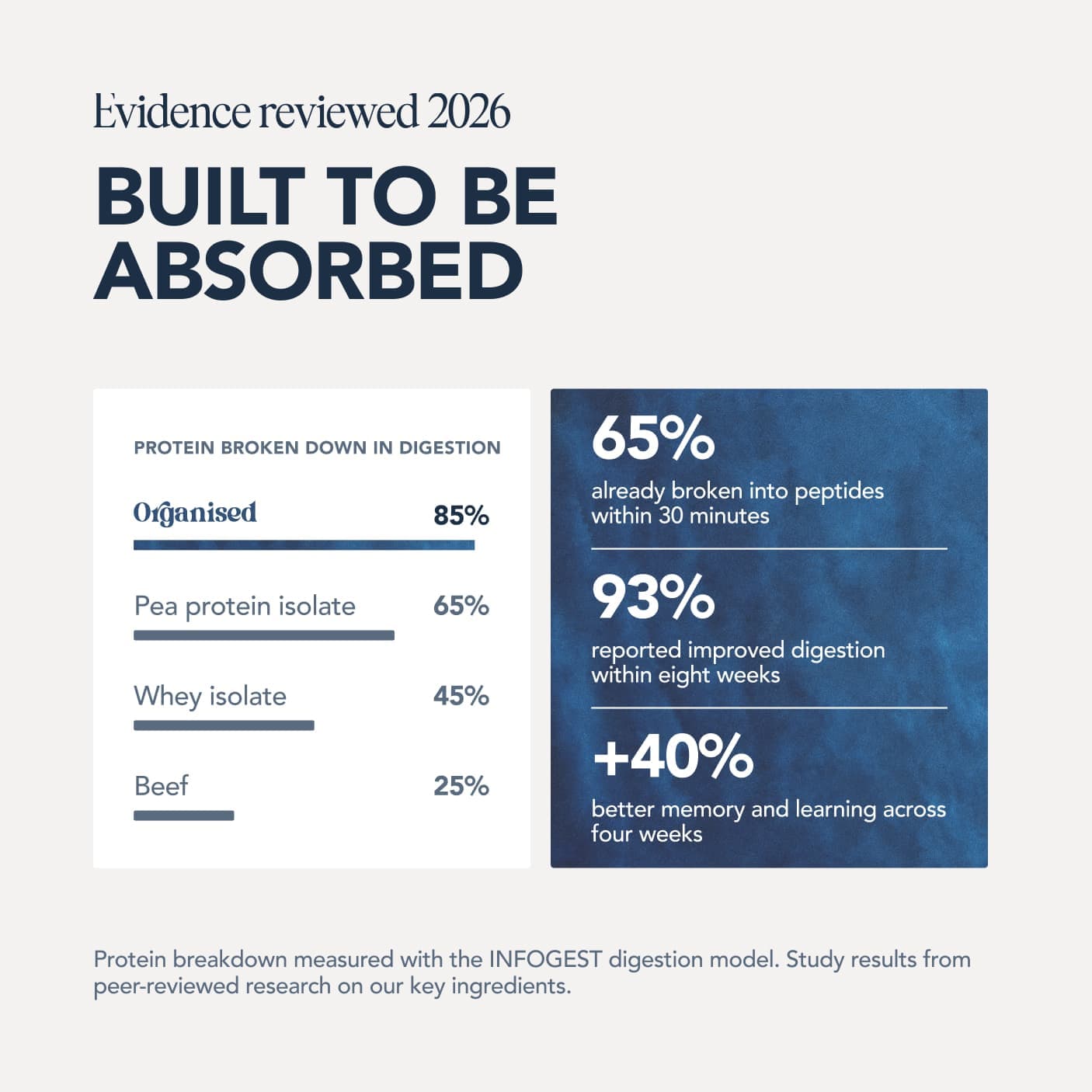
We recommend taking raw milk with Organised - our beef organ protein blend with colostrum and collagen. They are the perfect companion and complement each other with the cofactors needed to properly absorb their nutrients.
Key takeaways
-
Raw milk is milk that hasn’t been pasteurised (heat-treated).
-
It’s often (not always) unhomogenised, so cream rises naturally.
-
Pasteurisation (commonly ~72°C for 15 seconds in HTST) is designed to kill pathogens.
-
Food safety agencies warn raw milk can contain harmful bacteria and pose higher risk to vulnerable groups.
-
If you choose it, sourcing isn’t optional, it’s the entire point. (Start here: our raw milk sourcing guide.)

Frequently Asked Questions
Is raw milk the same as unpasteurised milk?
Yes. “Raw milk” and “unpasteurised milk” are commonly used interchangeably.
Is raw milk always unhomogenised?
Often, but not always. Homogenisation is a separate process from pasteurisation.
Can raw milk contain harmful bacteria?
Yes. That’s the primary concern highlighted by food safety agencies.
Who shouldn’t drink raw milk?
Pregnant women, infants/young children, older adults, and anyone immunocompromised are typically advised to avoid it.
Is raw milk legal everywhere in the UK?
No. Scotland bans sales of raw drinking milk and raw cream; England/Wales/NI allow it only under specific direct-sale conditions.
Who wrote and reviewed this guide
Niall Kiddle
Author · Founder, Organised
Niall is the founder of Organised. He started the company in 2024 after fixing his own health the slow way: in 2022 he swapped a cupboard of synthetic supplements for real food, raw milk, organ meats, bone broth and honey, and felt the difference within months.
Areas of expertise: Ancestral nutrition, Organ meats, Whole-food supplementation, Gut health, Regenerative sourcing
Read Niall's full profile
Pedro Rodrigues
Reviewer · Agronomist (farming and sourcing only)
Pedro is the agronomist Organised works with on farming and sourcing. His job on the guides is to keep the science honest: he reviews what we publish about soil health, regenerative agriculture, grazing and the way food is actually produced.
Areas of expertise: Regenerative agriculture, Agronomy, Soil health, Grass-fed farming, Food sourcing
Reviewed this guide on
Read Pedro's full profileBrowse the guides library
All guidesKeep reading
Ingredients
What Is Lactoferrin and Why Is It in Colostrum?
Discover lactoferrin, the iron-binding protein in colostrum that modulates immunity, fights pathogens, and supports gut health.
Ingredients
Is Colostrum Safe for Lactose-Intolerant People?
Find out if colostrum is safe when you are lactose intolerant. We compare its lactose content to milk, flag casein concerns, and who should be cautious.
Ingredients
Benefits of Beef Organ Supplements: Nature's Multivitamins
Nose‑to‑tail isn’t a trend; it’s a blueprint. Beef organ supplements simply make that blueprint easier to live, just the dense nutrition of organs in a
Real food, made effortless
Try the organ blendA few ways to use it
All recipes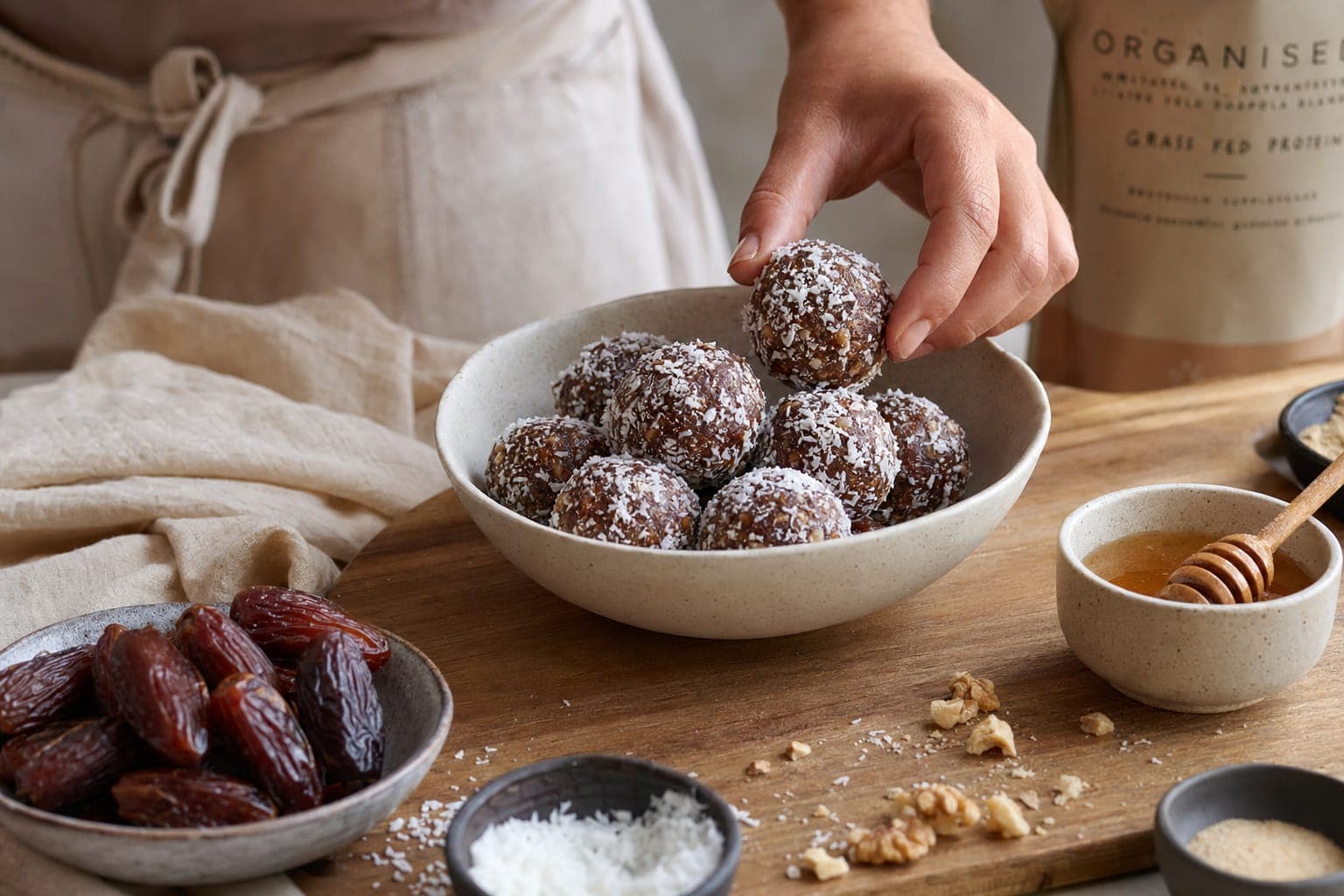
Energy Balls with Organised, Dates and Raw Honey
Make no-bake energy balls with Organised, dates, and raw honey. Perfect lunch box, pre-workout, or on-the-go snack. Simple recipe.
10 Ways to Use Organised That Aren't Just a Shake
Move beyond the basic shake. Discover 10 creative ways to use Organised in smoothie bowls, oats, yoghurt, baking, and more.
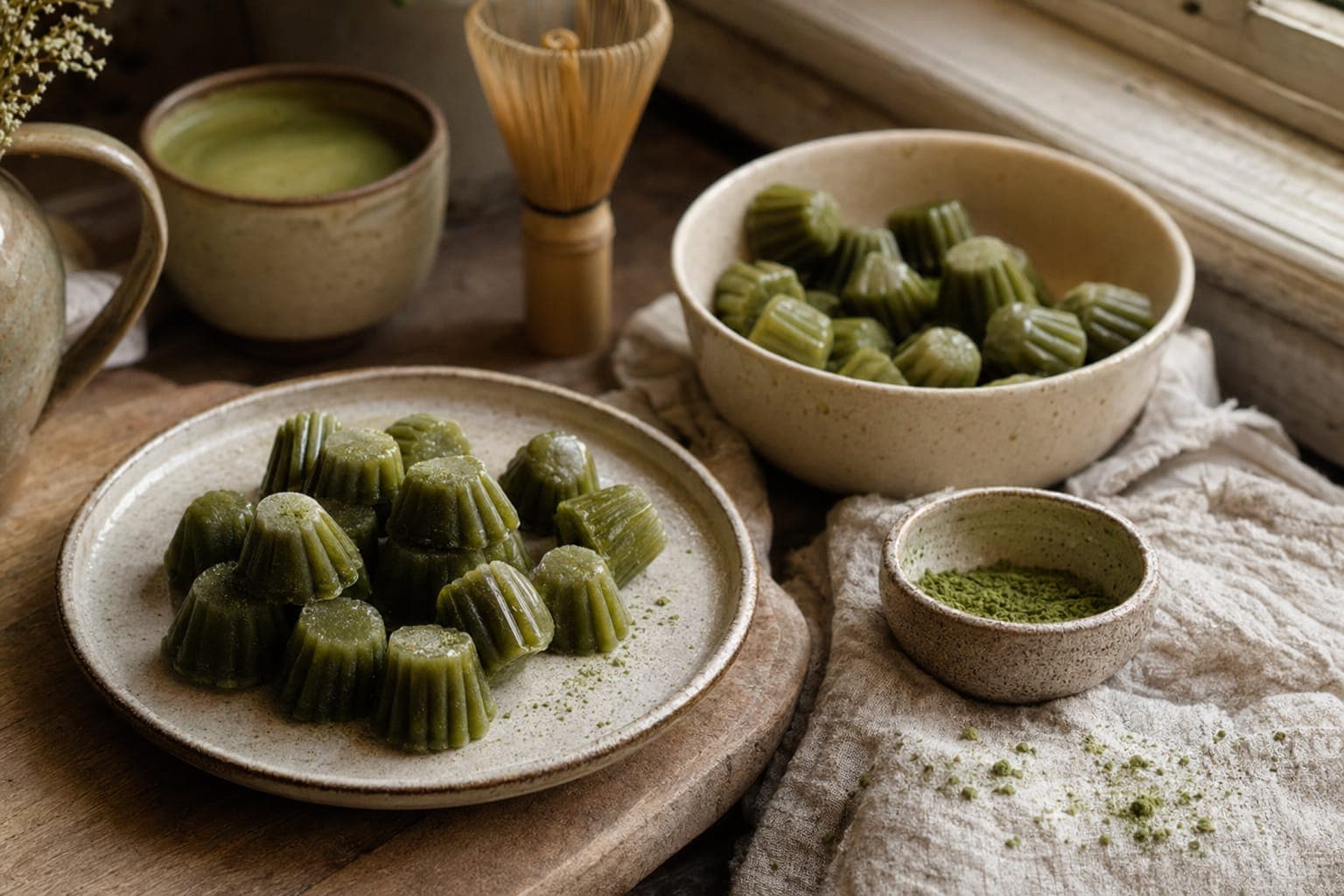
Matcha Latte Gummies with Collagen and Gelatine
Make visually stunning matcha latte gummies infused with collagen and gelatine. Simple recipe for gut-healing sweets you'll actually want to eat.


 Join over 100,000+ members
Build a better food system with us
The Organised community is thousands of people choosing real food and backing the farmers who grow it, all of us trying to leave the world a little better than we found it. If that is what you care about too, you belong here.