Are Seed Oils Bad? Everything You Need To Know
You pick up a “healthy” granola, flip the packet and there it is in the small print, sunflower oil, rapeseed oil, “vegetable oil”. Everywhere you look, seed oils sneak into the ingredients list.

By Niall Kiddle, Founder, Organised

Reviewed by Pedro Rodrigues, Agronomist (farming and sourcing only) ·
9 min read · Published · Updated
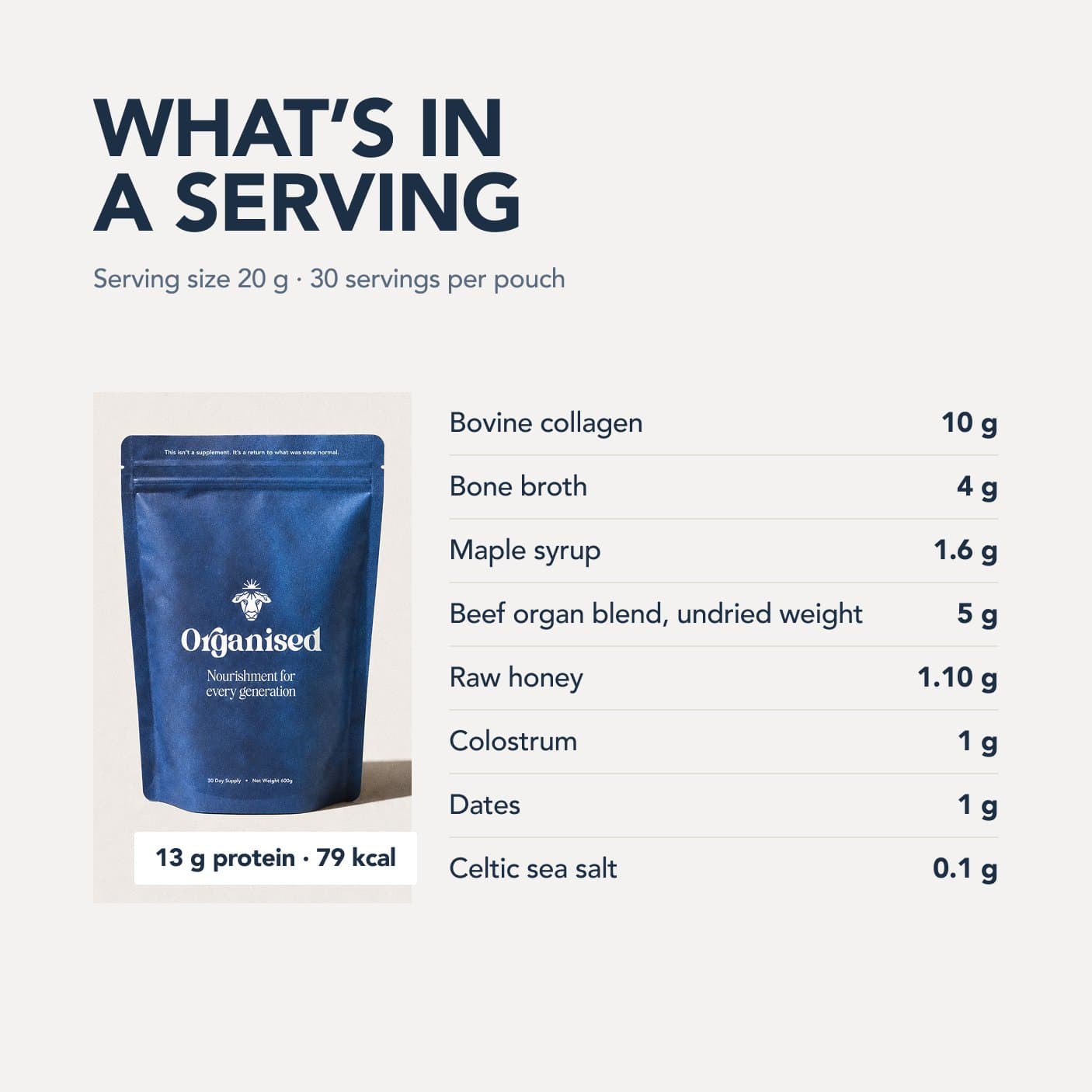
Makers of the Organised Daily blend, a grass-fed beef organ supplement from regenerative UK farms
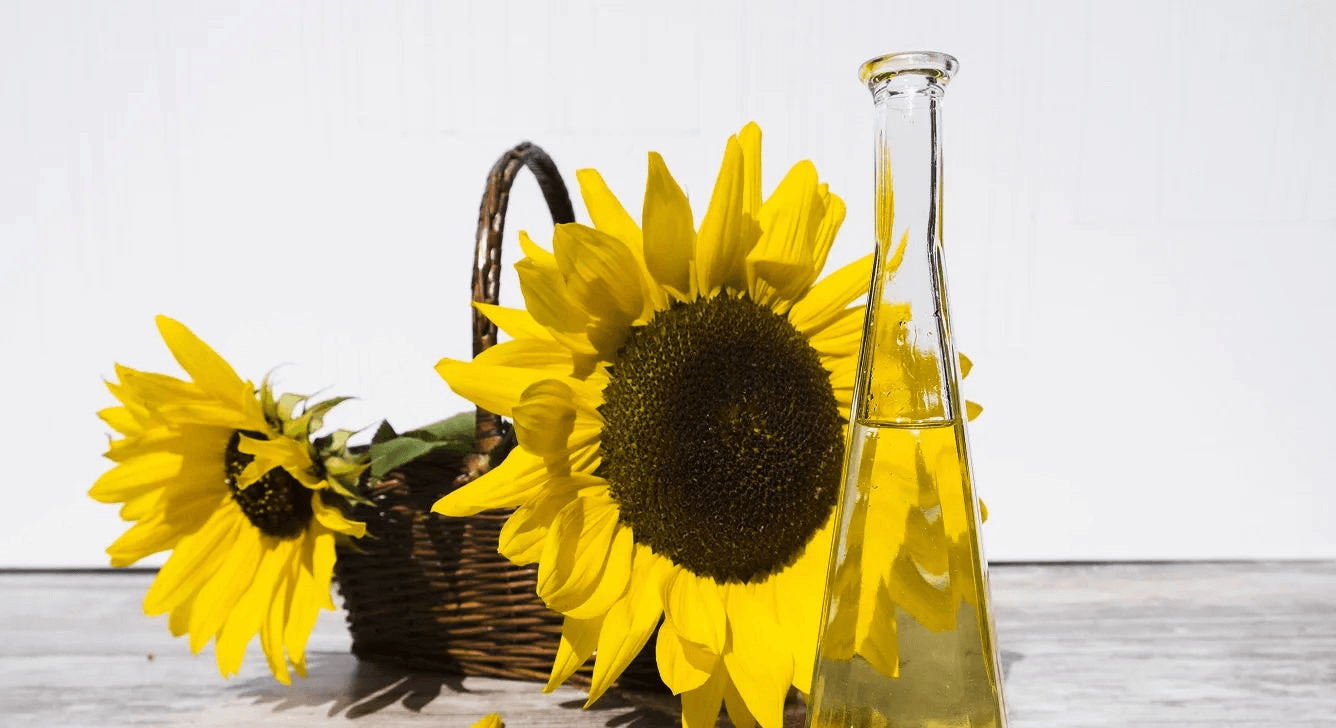
At Organised we sit in the ancestral camp. We do not think your body was designed to run on industrially pressed seed oils at every meal. We also do not believe in fear mongering or pretending one molecule is the sole cause of modern disease.
Instead, we want to show you the real story: why seed oils exploded into the food supply, how they’re made, who funded the science that positioned them as “healthy,” and why we choose traditional fats instead.
This article is general information, not medical advice. Speak to your clinician about your own needs.

How seed oils entered our diet
Seed oils did not become popular because they were discovered as a nourishing, traditional food. They became popular because they solved an industrial waste problem.
Procter & Gamble and the invention of Crisco
In the early 1900s, Procter & Gamble, had a dilemma: they needed a cheaper replacement for animal fats, which were becoming costly.
Enter cottonseed oil:
- A waste byproduct from the cotton industry.
- Cheap, abundant, and… inedible in its natural form because it contained toxins.
Using chemical refining and a new technology called hydrogenation, P&G transformed cottonseed oil into a white, butter-like fat. They named it Crisco.
Then came the marketing.
The beginning of the “saturated fat is bad” narrative
To sell Crisco, P&G needed to convince the public that:
- Traditional animal fats were old-fashioned
- Industrial vegetable fats were modern, clean and better for your heart
They funded advertisements, recipe books, newspaper placements, and crucially, scientific organisations.
The American Heart Association funding
In the 1940s, the American Heart Association (AHA) was a small organisation with minimal influence. That changed when Procter & Gamble donated the equivalent of millions of dollars in today’s money. With those funds, the AHA grew into a national authority, with the stance:
- Saturated fat = harmful
- Vegetable oils = heart-healthy
This was the birth of nutritional guidelines that still shape global public health today.
None of this means seed oils are a “poison.” But it does mean their rise was driven by industry, economics and marketing, not ancestral wisdom or long generational use.

What actually are seed oils?
Seed oils are refined oils made from the seeds of plants rather than from the flesh of fruits. Think:
- Sunflower oil
- Soybean oil
- Rapeseed and canola oil
- Corn oil
- Cottonsseed oil
- Grapeseed oil
- Rice bran oil
They are very high in polyunsaturated fats, especially linoleic acid, an omega 6 fat. By contrast, traditional fats like butter, ghee, tallow and coconut oil are richer in saturated fats, while extra virgin olive oil is mostly monounsaturated.
The bigger difference is not just the fatty acid profile, it is the way these oils are produced.
Most commercial seed oils are not made by simply squeezing a seed and bottling what comes out. Industrial producers typically use high pressure, high heat and chemical solvents, usually hexane, to extract as much oil as possible from the crushed seeds. The crude oil is then refined, bleached and deodorised to strip out odours, flavours and pigments, leaving a neutral, pale liquid that will sit on a supermarket shelf for months.
Contrast that with a slab of butter churned from cream, or beef tallow rendered from suet on the stove. The level of processing could not be more different.
What are seed oils used for?
Seed oils are everywhere precisely because they are cheap, neutral tasting and easy to use at scale. You will find them in:
- Restaurant and takeaway fryers, especially for chips, fried chicken and anything crispy.
- Ultra processed foods, biscuits, crackers, crisps, plant based meats, vegan cheeses, dairy free milks.
- Margarine and “spreads” that promise to lower cholesterol.
- Jarred sauces, salad dressings and mayonnaise.
- Mass produced breads, pastries and cereal bars.
Often they hide behind the vague term “vegetable oil” or “plant oil”. If you are eating food from a packet or a chain restaurant, it probably contains one or more refined seed oils by default.
At home, many people also cook with these oils because they are marketed as heart healthy, light and ideal for high heat cooking.
What the research shows
The case for seed oils
Here is where things get messy. On paper, seed oils can look quite positive, especially if you only zoom in on cholesterol or replace trans fats with them.
Large analyses suggest that when people replace saturated fats with polyunsaturated fats like linoleic acid, LDL cholesterol tends to go down, and some studies associate higher intakes of linoleic acid with a lower risk of cardiovascular disease.
Several trials and meta analyses have also found that increasing linoleic acid does not raise common blood markers of inflammation, and in some cohorts higher levels are linked with lower inflammatory markers.
This is why many mainstream dietitians will confidently tell you seed oils are fine, even beneficial.
The omega 6 load
Where ancestral nutrition starts to frown is not at one spoonful of sunflower oil, it is at the sheer quantity of omega 6 fats now built into the modern food environment.
In traditional diets, omega 6 and omega 3 intake were probably closer to a one to one or two to one ratio. In the modern Western diet, that ratio is often calculated at ten to one, fifteen to one or even twenty to one in favour of omega 6.
That imbalance is associated in observational and mechanistic work with a more pro inflammatory environment in the body, poorer metabolic health and increased risk of chronic disease. While omega 6 fats are essential in small amounts, constantly tipping the scales in their favour without matching omega 3 intake from foods like oily fish looks unwise if you care about long term resilience.

Fragile fats under high heat
Polyunsaturated fats are chemically delicate. Their multiple double bonds make them more vulnerable to oxidation when they are exposed to high heat, light and oxygen.
When seed oils are heated at high frying temperatures, they generate lipid oxidation products, including aldehydes, that are reactive and can form potentially mutagenic and carcinogenic compounds. Reviews of frying oils show that as the oil breaks down, these compounds accumulate, especially when fryers are used again and again in restaurants and fast food settings.
Saturated fats, like those in tallow or coconut oil, are much more resistant to this type of damage, which means fewer breakdown products.
So even if fresh, unheated seed oils do not look problematic in short term lab markers, highly heated and recycled seed oils are a different story for your gut, arteries and cells.
Old trials, awkward signals
Re analyses of older controlled trials, such as the Sydney Diet Heart Study, have suggested that replacing saturated fat with high omega 6 seed oils did not always reduce risk of heart disease deaths, and in some cases outcomes were worse
These trials are not perfect, but they raise a fair question, should we really be basing dietary guidelines on swapping butter for safflower oil on toast, or should we step back and look at whole food patterns.Get the science, plainly, free
Two short reads a week on what the research actually says about nutrition.
By signing up you agree to receive emails from us. No spam, unsubscribe anytime.
Our take
If you eat a spoonful of hummus made with rapeseed oil, your body will not implode, and the best evidence we have does not support the idea that seed oils are instant poison.
But if most of your calories come from foods fried in, baked with or bottled in industrial seed oils, you are getting:
- A constant stream of omega 6.
- Fats that oxidise more readily when heated.
- A daily reliance on one of the most processed ingredients in the modern food system.
Our bias is simple: build your foundation on stable, nutrient dense, minimally processed fats, then whatever seed oils slip in when you eat out become background noise rather than the main event.



1 of 9
Daily blend
100,000+ thriving families4.9 on Trustpilot
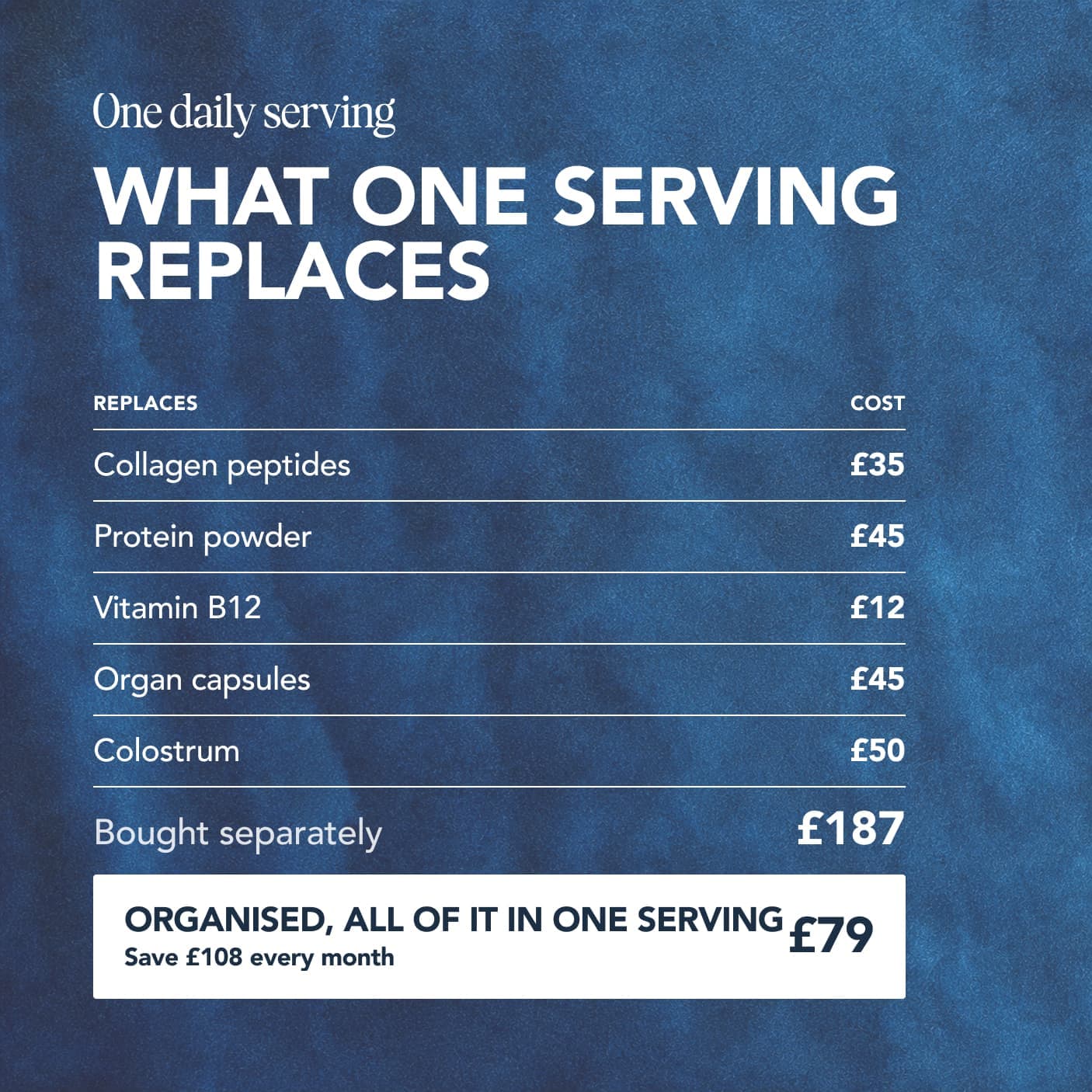
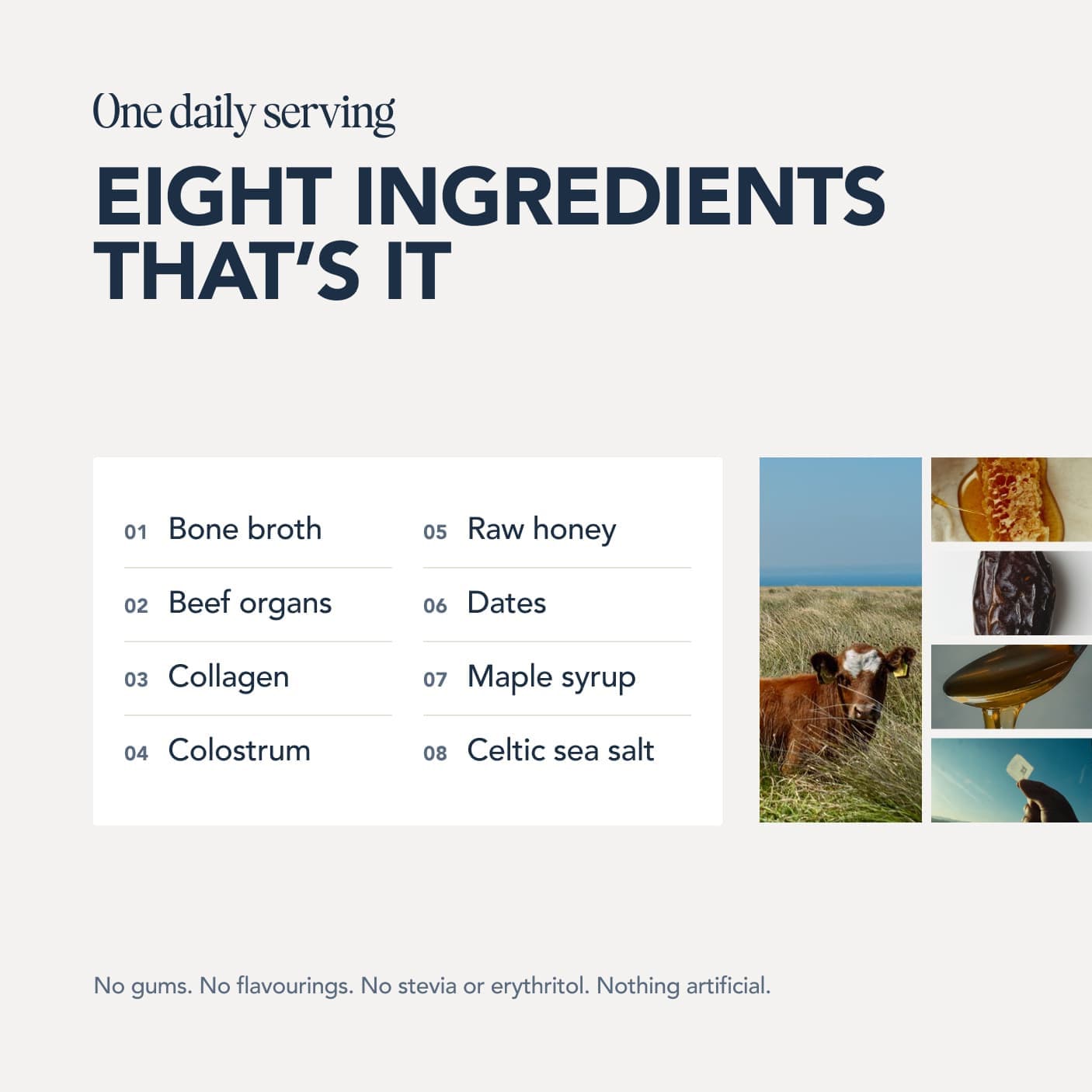
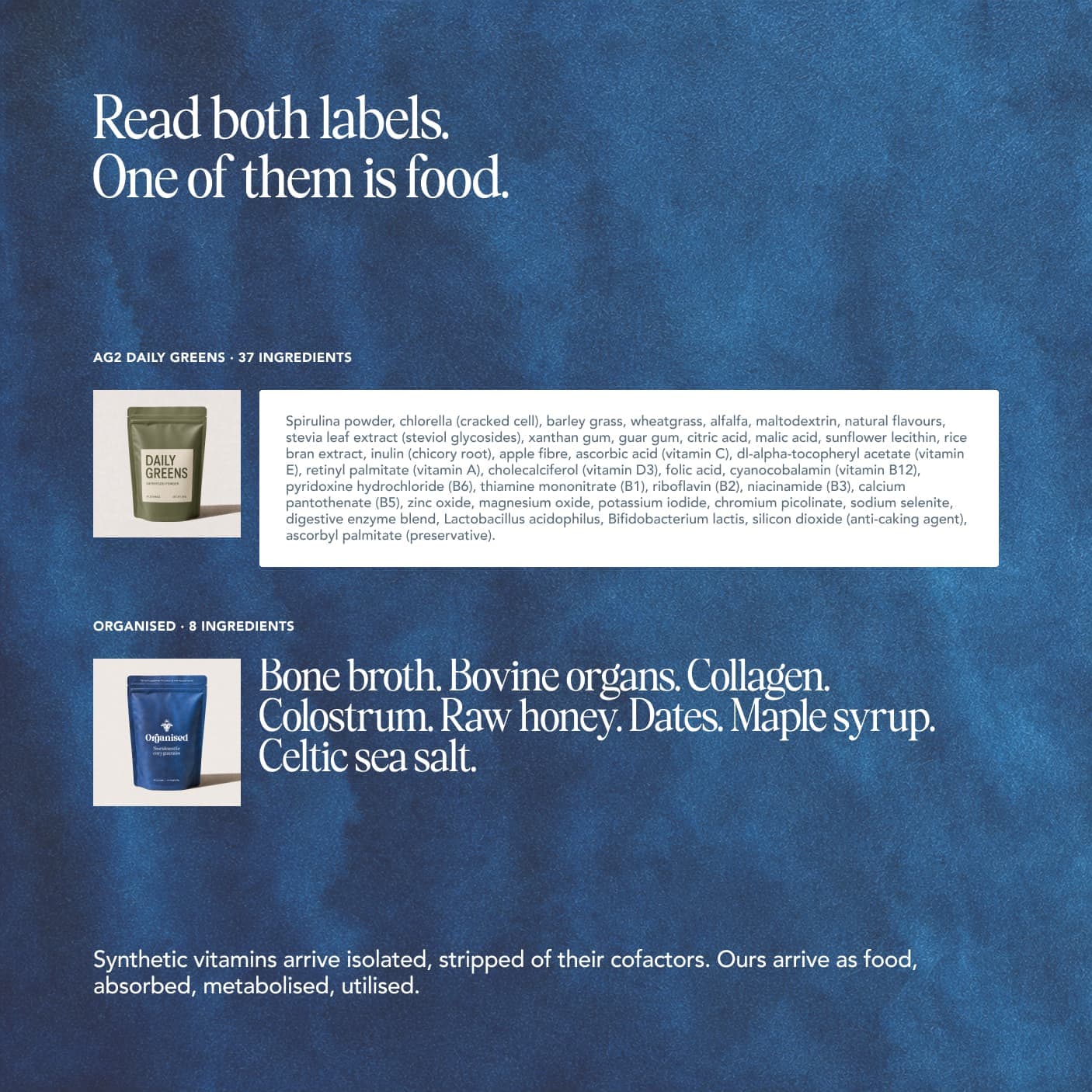
Eight real ingredients built around grass-fed beef organs, collagen and colostrum. Nothing synthetic added.
Free with your first order, worth £38. Plus £10 off the pouch with a subscription.

Free UK shipping · Made in England · 100 day money back guarantee on your first pouch · Skip, pause or cancel anytime
What cooking fats can you use instead
Think of your cooking fats as building material for your cells. You want the same dense, sturdy stuff your great grandparents used, not flimsy modern fillers.
Here are our favourites:
Tallow
Rendered beef or lamb fat, rich in saturated and monounsaturated fats, naturally stable at high heat. Perfect for roasting potatoes, searing steaks or making the crispiest chips at home. Historically, tallow was what many fast food chains used before seed oils took over.
Butter
Rendered beef or lamb fat, rich in saturated and monounsaturated fats, naturally stable at high heat. Perfect for roasting potatoes, searing steaks or making the crispiest chips at home. Historically, tallow was what many fast food chains used before seed oils took over.
Ghee
Ghee is butter with the milk solids removed, which gives it a higher smoke point and makes it suitable for higher heat cooking. It has a deep, nutty flavour and still provides the fat soluble vitamins that make butter such a nourishing food.
Coconut oil
Coconut oil is naturally high in saturated fats that are very heat stable. Ideal for curries, stir fries and baking where a subtle coconut note suits the dish. If you do not like the flavour, refined coconut oil has a more neutral taste, although you lose some beneficial compounds in the refining.
Good quality extra virgin olive oil
We love extra virgin olive oil for dressings, drizzling over cooked vegetables, and gentle cooking. It is rich in monounsaturated fats and polyphenols that support cardiovascular and metabolic health. For deep frying, we still prefer tallow or ghee, but a robust olive oil can handle everyday pan cooking much better than most people think, as long as you do not let it smoke.
A simple home rule, cook mostly with tallow, butter, ghee and coconut oil, use extra virgin olive oil for lower heat and cold dishes, and let seed oils take up as little real estate in your kitchen as possible.
We have a full guide on this if you would like to learn more about alternative cooking fats.

Bottom line
So, are seed oils bad?
In small amounts, in the context of an otherwise nutrient dense diet, they are unlikely to be the single thing that breaks your health. The strongest research we have does not show that linoleic acid itself is a guaranteed ticket to inflammation or early heart disease, and swapping trans fats for seed oils was always going to look like an improvement on paper.
But that is the wrong comparison.
The real question is, if you want to feel strong, clear and resilient, do you want most of your dietary fat coming from:
- Oils that rely on chemical solvents, high heat refining and repeated deep frying, or
- Fats that humans have eaten for thousands of years, from animals raised on real food and from carefully pressed fruits like olives and coconuts.
From an ancestral lens, from a processing lens, and from an omega 6 balance lens, we would say seed oils are not the villains of every modern health problem, but they are not your friends either. Use them accidentally, not as your default. Base your meals on tallow, butter, ghee, coconut oil and good olive oil, and let the rest fade into the background.
Quick answers to common questions
Are seed oils toxic?
Not in the sense of a poison that harms you in a single dose. The concern is more about chronic exposure, high omega 6 load and degraded oils from repeated high heat, especially in processed foods and restaurant fryers.
Are seed oils inflammatory?
What we see is mixed. Controlled trials suggest linoleic acid alone does not reliably raise common inflammatory markers, but a modern pattern of very high omega 6 and low omega 3, plus a lot of fried and ultra processed foods, is linked with more chronic inflammation.Do I have to throw out every bottle right now?
No. Use what you have while gradually shifting your home base to more stable fats. The biggest win comes from avoiding ultra processed foods and frequent deep fried meals, not from panicking over a teaspoon of seed oil in a sauce.What about nuts, seeds and whole foods?
Whole nuts and seeds come with fibre, minerals and antioxidants, and we are not worried about those in reasonable amounts. Our issue is with isolated, industrially refined seed oils used by the litre.Is avocado oil different?
Avocado oil is technically a fruit oil and is mostly monounsaturated, more like olive oil. If it is genuinely cold pressed and unrefined, it is a better choice than standard seed oils, though we still lean on tallow, butter, ghee, coconut oil and olive oil first.Who wrote and reviewed this guide
Niall Kiddle
Author · Founder, Organised
Niall is the founder of Organised. He started the company in 2024 after fixing his own health the slow way: in 2022 he swapped a cupboard of synthetic supplements for real food, raw milk, organ meats, bone broth and honey, and felt the difference within months.
Areas of expertise: Ancestral nutrition, Organ meats, Whole-food supplementation, Gut health, Regenerative sourcing
Read Niall's full profile
Pedro Rodrigues
Reviewer · Agronomist (farming and sourcing only)
Pedro is the agronomist Organised works with on farming and sourcing. His job on the guides is to keep the science honest: he reviews what we publish about soil health, regenerative agriculture, grazing and the way food is actually produced.
Areas of expertise: Regenerative agriculture, Agronomy, Soil health, Grass-fed farming, Food sourcing
Reviewed this guide on
Read Pedro's full profileBrowse the guides library
All guidesKeep reading
Science
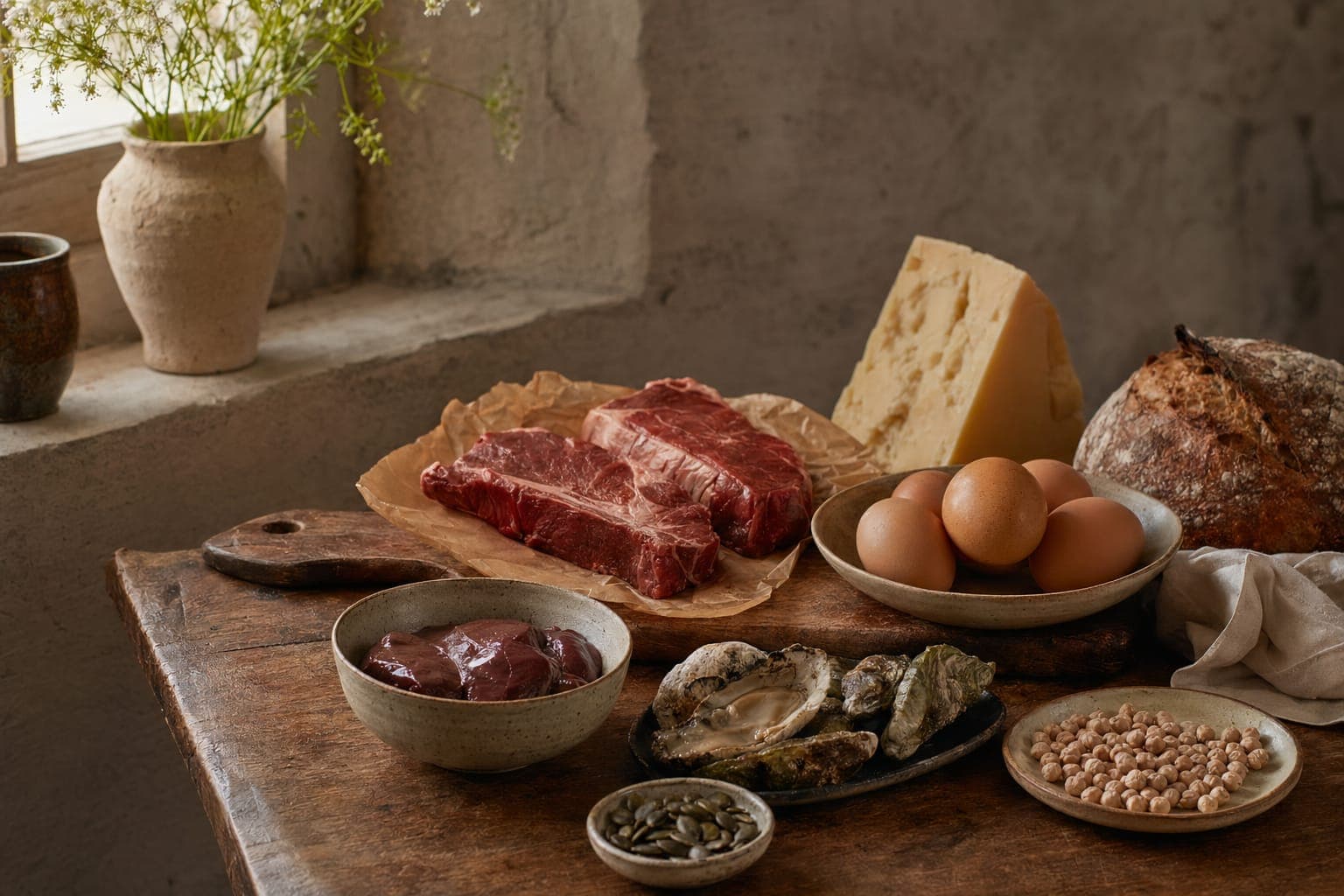
You Can't Get All Your Nutrients from Plants Alone: Here's the Science
Explore nutrients that plants cannot provide: B12, heme iron, retinol, creatine, carnosine, K2. A nuanced look at plant-based diet limitations without dogma.
Science
Colostrum and Bloating: What the Research Actually Shows
See what the research really says about bovine colostrum and bloating, from gut-lining and intestinal permeability to growth factors, and what to expect.
Science
The Role of Zinc in Over 300 Enzymatic Reactions
Zinc is required for over 300 enzymatic reactions. From immunity to testosterone to wound healing, zinc deficiency silently undermines health.
Real food, made effortless
See the blendA few ways to use it
All recipes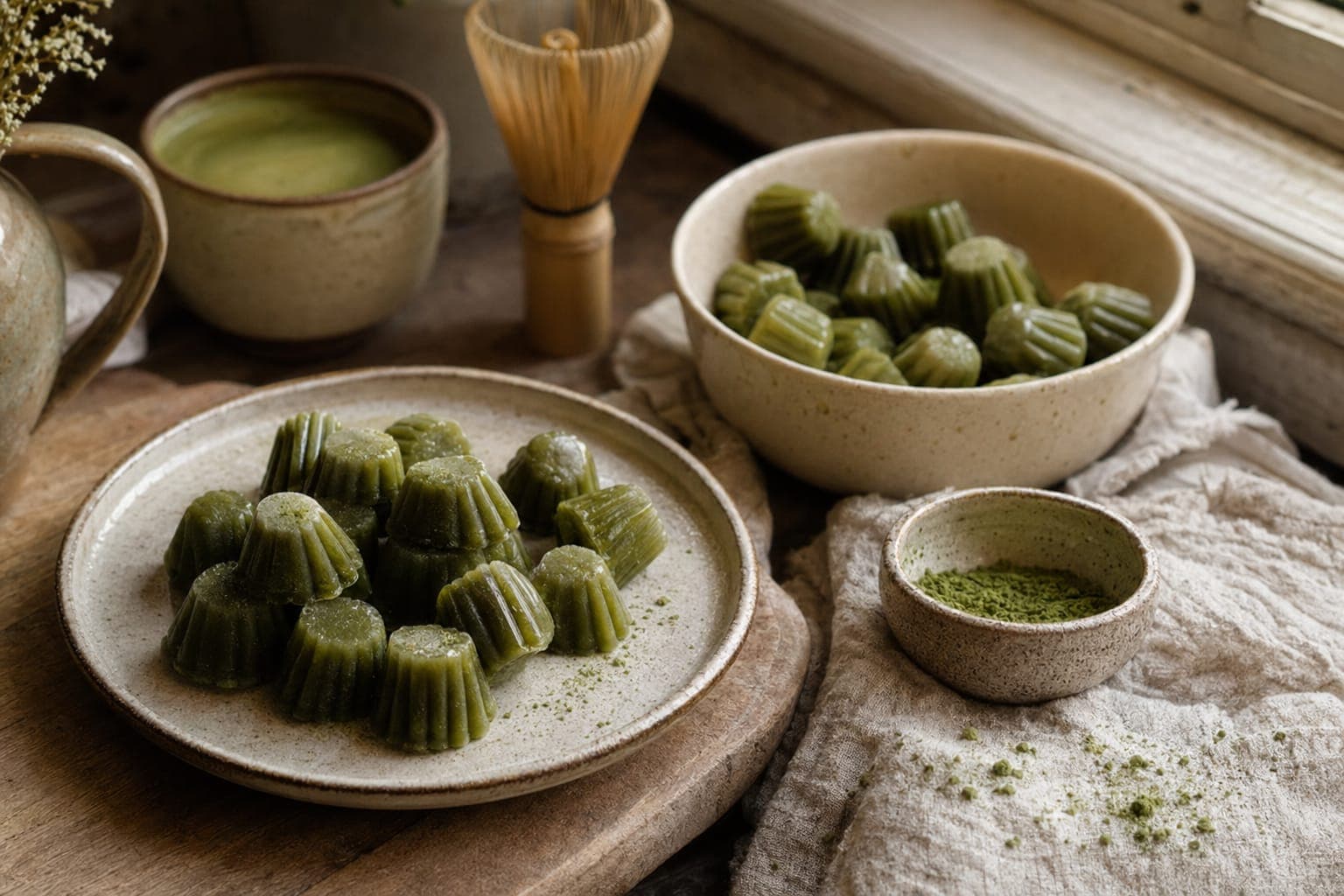
Matcha Latte Gummies with Collagen and Gelatine
Make visually stunning matcha latte gummies infused with collagen and gelatine. Simple recipe for gut-healing sweets you'll actually want to eat.

Organised Protein Pancakes: A Weekend Favourite
A high-protein pancake recipe using beef protein, eggs, and raw milk. Cooked in cast iron, naturally sweetened with banana and honey. Real food breakfast.
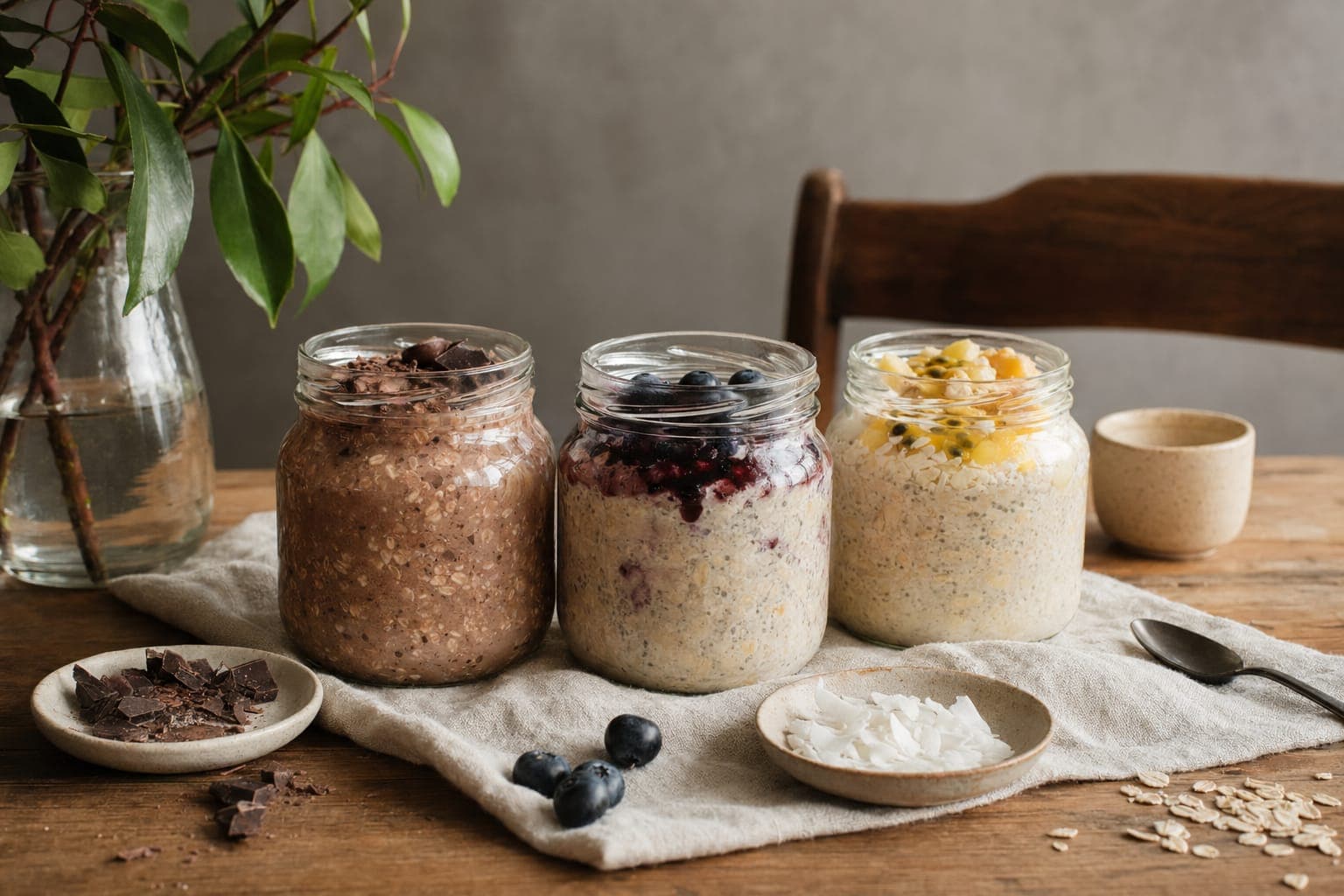
Organised Overnight Oats: 3 Variations
Three delicious overnight oats variations with Organised. Chocolate, berry, tropical flavours. Make them Sunday, eat them all week.


 Join over 100,000+ members
Build a better food system with us
The Organised community is thousands of people choosing real food and backing the farmers who grow it, all of us trying to leave the world a little better than we found it. If that is what you care about too, you belong here.