Is Grass-Fed Beef Worth It? What Reddit Actually Thinks
'Is grass-fed beef worth it?' is a perennial Reddit argument that splits along cost, taste and nutrition lines. Here is what the threads actually conclude once you get past the tribalism, and how it lines up with what the farming and nutrition evidence says.
By Niall Kiddle, Founder, Organised

Reviewed by Pedro Rodrigues, Agronomist (farming and sourcing only) ·
4 min read · Published
Makers of the Organised Daily blend, a grass-fed beef organ supplement from regenerative UK farms
The debate lives in r/Cooking, r/steak, r/Nutrition, r/regenerative and a dozen food subs. It gets heated because it mixes three separate questions that people keep conflating: does grass-fed taste better, is it more nutritious, and is it worth the extra money. The answers are not the same.
What people actually ask about grass-fed beef on Reddit
Underneath the flame wars, people want to know whether the price premium buys them anything real, whether 'grass-fed' on a label means much, and whether they should care about grass-finished versus grain-finished. Cooks want to know if it is worth relearning how to cook a leaner cut.
The most grounded threads separate the questions cleanly, and that is the right instinct, because grass-fed can win on some and lose on others depending on what you value.
What Reddit tends to get right
- "Grass-fed" and "grass-finished" are not the same. Knowledgeable posters correctly flag that a lot of "grass-fed" beef is grain-finished, and that grass-finished is the meaningful term. This is a genuinely useful label literacy point.
- The fat profile really is different. The crowd is right that grass-finished beef has a modestly better fat profile: a higher omega-3 share, more of the fat-soluble vitamins and carotenoids that give the fat its deeper yellow colour, more vitamin E, and more CLA. Ruminant fat is mostly stable saturated and monounsaturated fat whichever way the animal is finished, so the shift is real but small in absolute terms.
- It cooks differently. Cooks correctly warn that grass-finished beef is leaner and can overcook fast, so lower heat and less time matter. This is practical, earned advice.
- Sourcing and farm matter more than the label. The best threads point out that a good local farm beats a vague supermarket "grass-fed" sticker. That is exactly right.
Reddit's clearest insight on grass-fed beef: the label to look for is 'grass-finished', not just 'grass-fed', and the farm behind it matters more than the marketing word on the front.
Where the threads go wrong
"The nutrition difference is so big it justifies any price." Grass-finished beef does have a better fat profile, but the absolute differences in omega-3 content are modest against your whole diet. It is a real edge, not a transformation, and overselling it invites fair pushback.
"There's zero difference, it's all marketing." The cynical version overcorrects. There are measurable differences in fat composition, and there are real differences in how the animal was raised and how the land was managed. Dismissing all of it is as wrong as inflating it.
Ignoring the environmental nuance. Threads often collapse into 'all beef is bad' or 'regenerative beef saves the planet'. The honest picture is more specific: how the land is grazed and managed matters enormously, and well-managed grazing is a different thing from feedlot production.
Taste is treated as objective. Plenty of people genuinely prefer the flavour of well-marbled grain-finished beef. That is a preference, not a defeat, and pretending grass-finished always tastes better loses credibility.
Get farming and sourcing guides, free
Two short reads a week on regenerative farming and where real food comes from.
By signing up you agree to receive emails from us. No spam, unsubscribe anytime.
What the evidence says
The measurable facts sit between the two camps. Grass-finished beef reliably shows a better omega-3 to omega-6 ratio and higher levels of fat-soluble vitamins and carotenes, including more vitamin E and vitamin K2, but the absolute amounts are modest relative to your overall intake. For a lot of people the more useful point is simpler: ruminant fat is naturally low in polyunsaturated fat, the fragile fat that oxidises easily, and it carries fat-soluble vitamins like retinol and K2 that leaner, more processed diets miss. The bigger story is the farming: how cattle are raised, what they are finished on, and how the pasture is managed, which is where regenerative practice genuinely differs from feedlots. Well-managed grazing can build topsoil, hold water and cycle carbon back into the land, so a good regenerative farm is doing something categorically different from a feedlot, not just selling a nicer label. Our full guide on grain-fed vs grass-fed vs regenerative beef breaks down the nutrition and the farming side by side.
So is it worth it? The reasonable Reddit answer holds up: if you value the sourcing, the fat profile and the farming, grass-finished from a good producer is worth the premium. If you mainly care about marbling and price, grain-finished is a legitimate choice. Both can be part of a sensible diet.
1 of 9
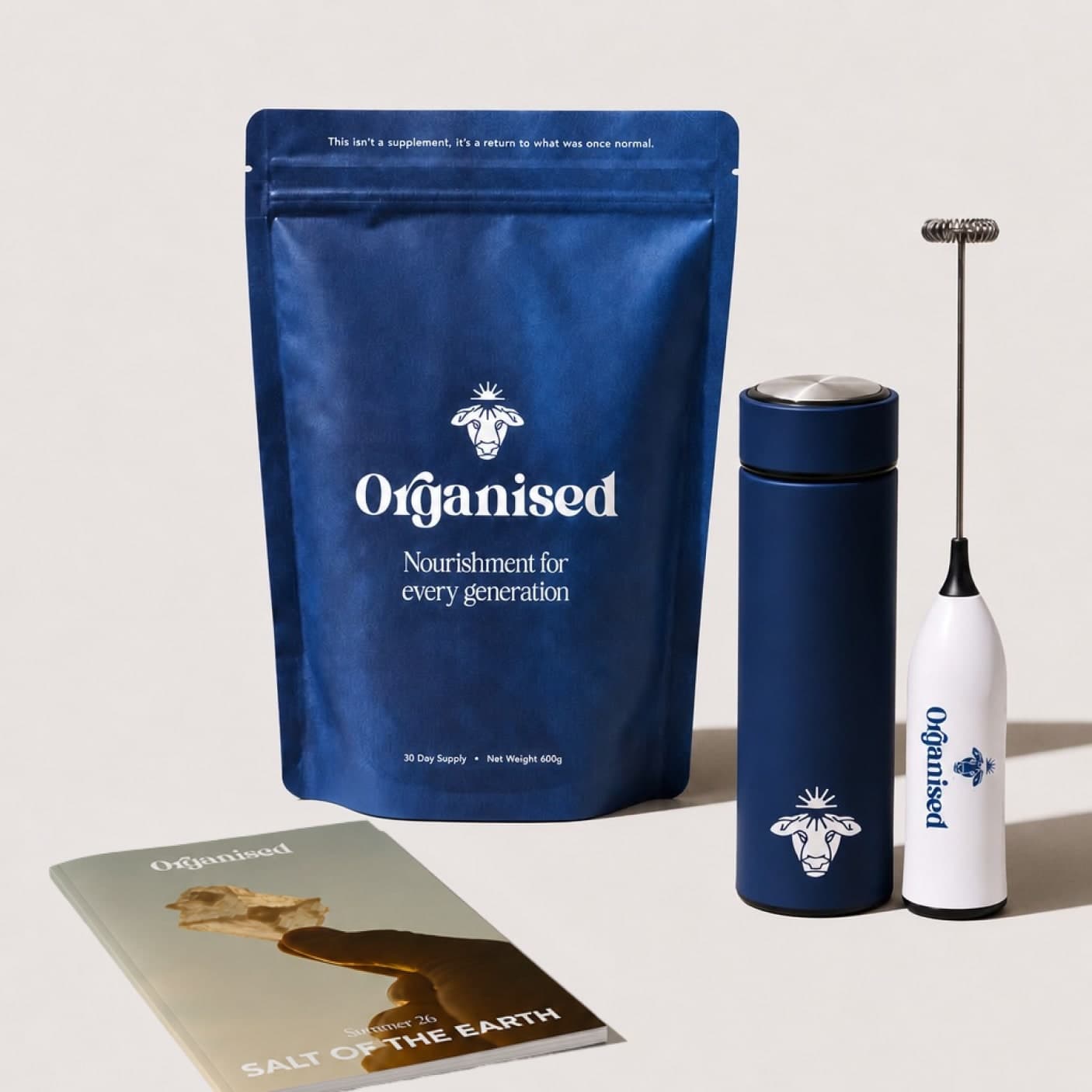
Daily blend
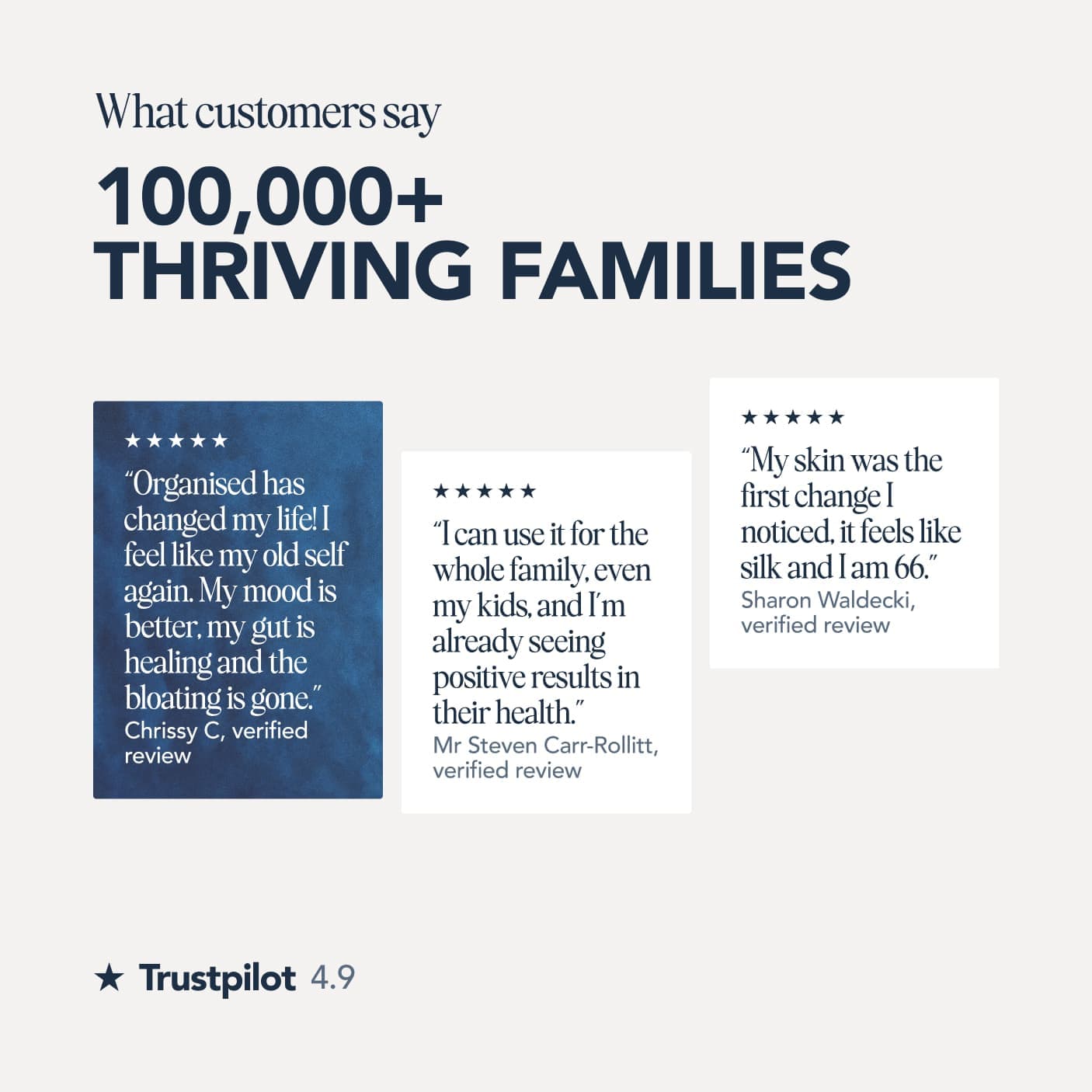
100,000+ thriving families4.9 on Trustpilot
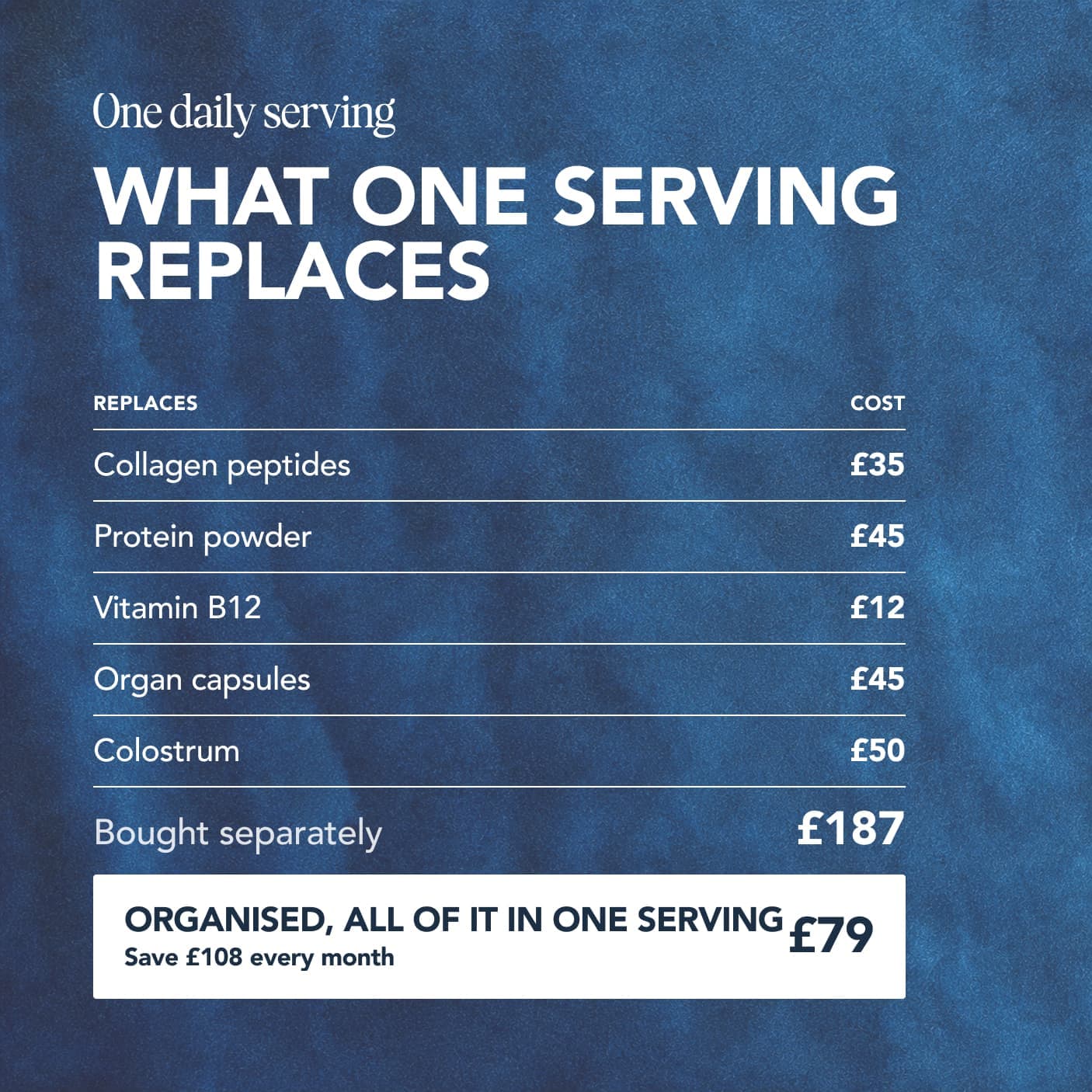
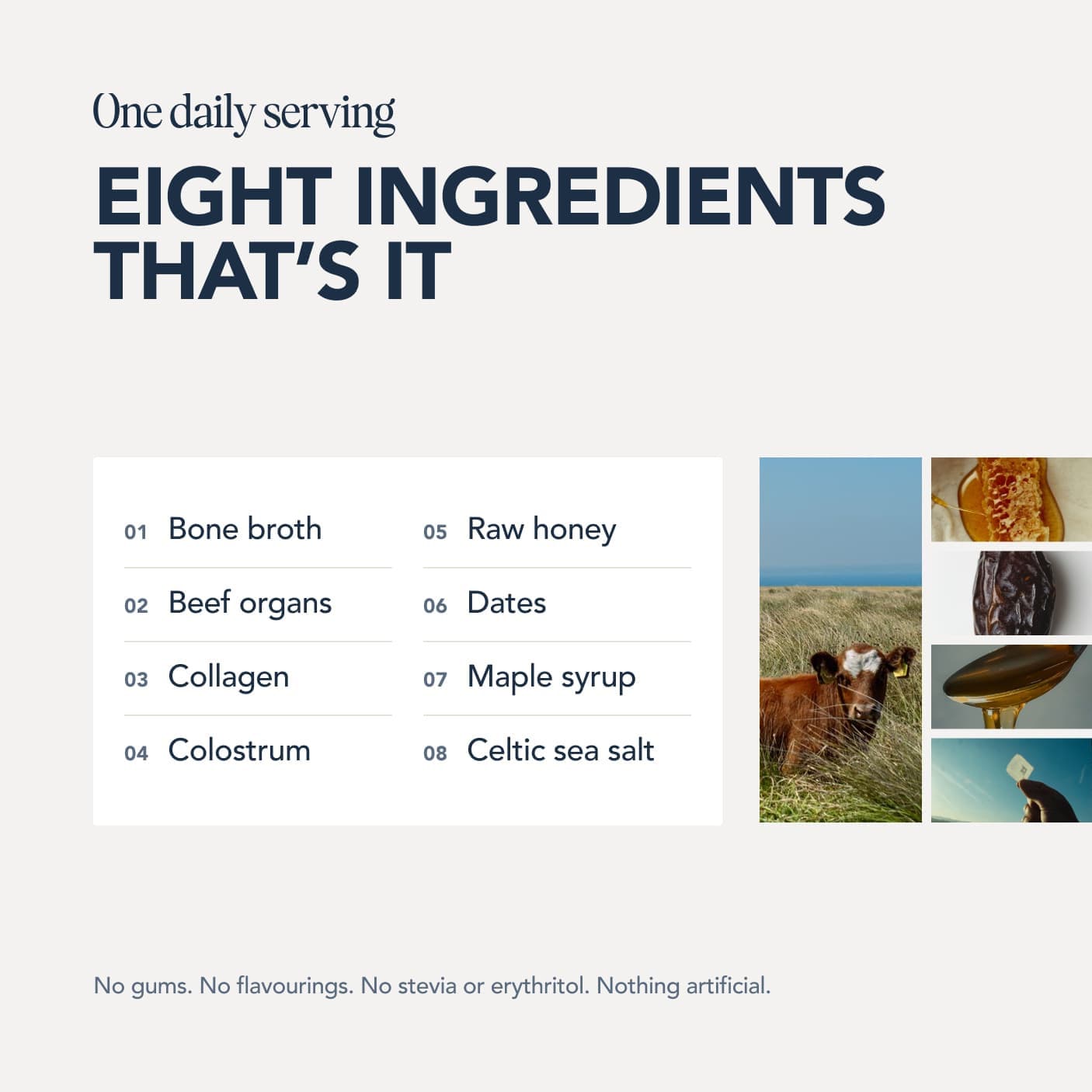
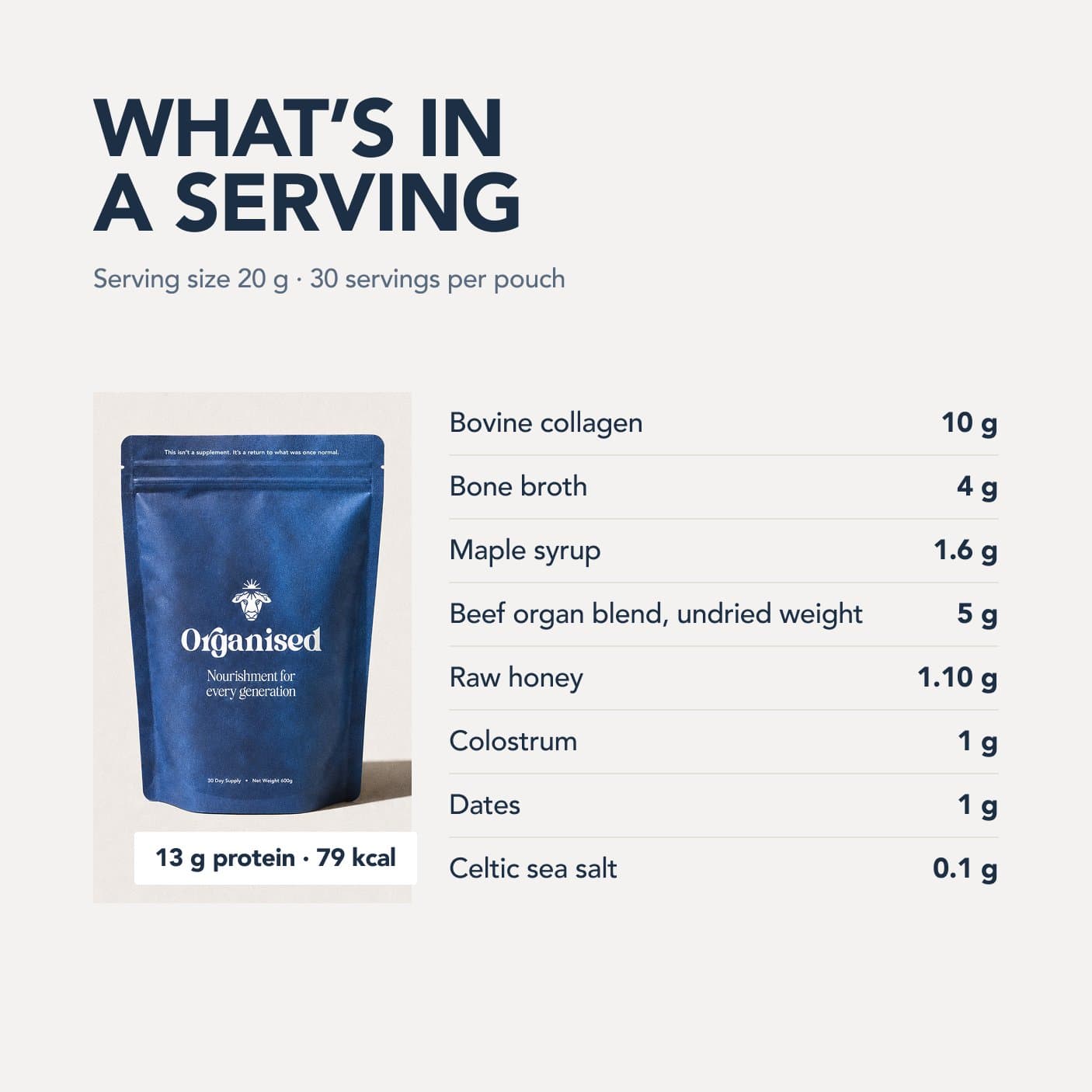
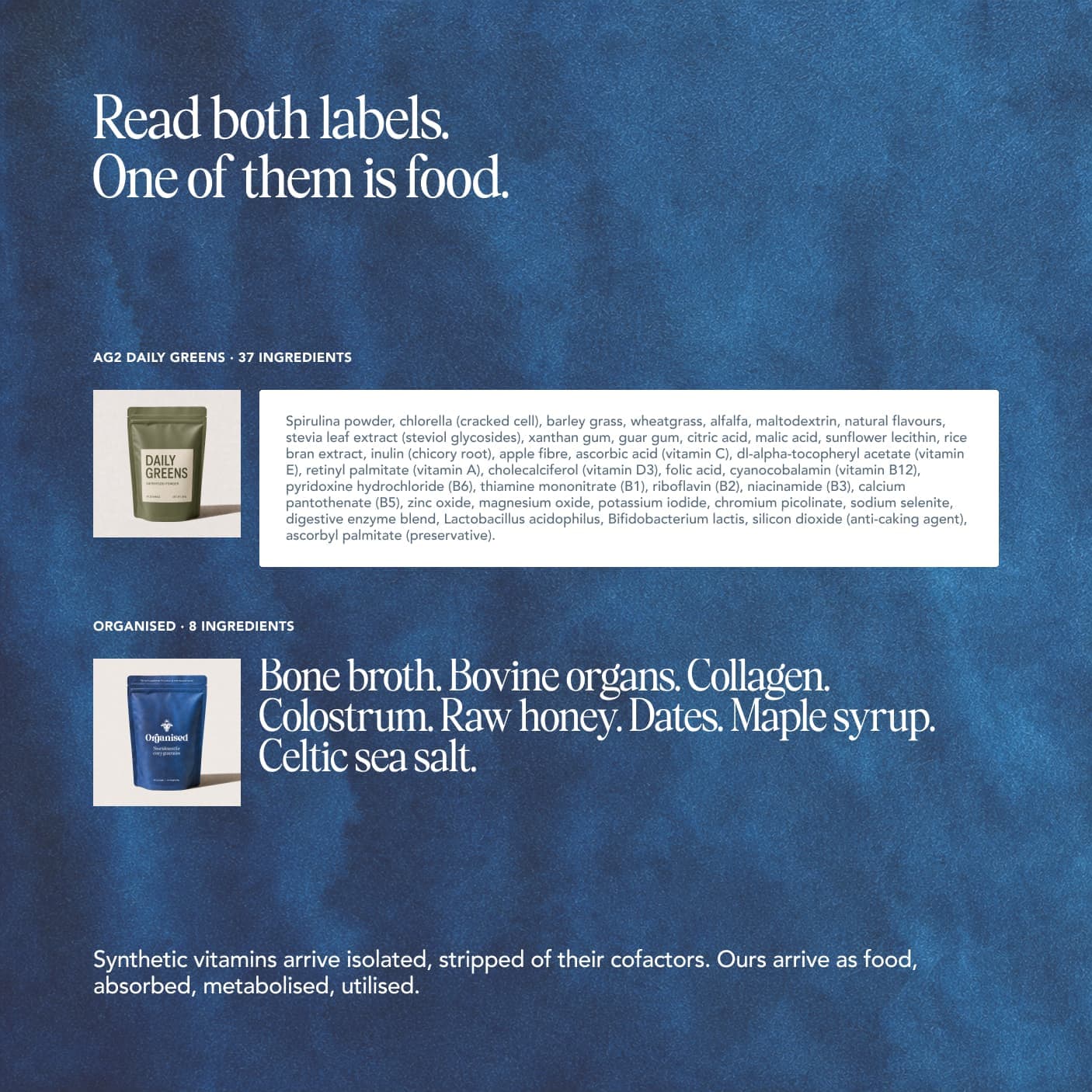
Eight real ingredients built around grass-fed beef organs, collagen and colostrum. Nothing synthetic added.
Free with your first order, worth £38. Plus £10 off the pouch with a subscription.


Free UK shipping · Made in England · 100 day money back guarantee on your first pouch · Skip, pause or cancel anytime
Common questions
Is grass-fed beef actually worth it according to Reddit?
The balanced consensus is that it is worth it if you value sourcing, the better fat profile and how the animal was raised, but the nutrition edge alone is modest, so it comes down to your priorities and budget.
Is grass-fed beef healthier than grain-fed?
Grass-finished beef has a better omega-3 to omega-6 ratio and more of some antioxidants, but the absolute differences are small against your whole diet. It is a modest edge, not a different food.
What is the difference between grass-fed and grass-finished?
Most cattle eat grass early on, so 'grass-fed' can still mean grain-finished. 'Grass-finished' means grass all the way through, which is the term that actually signals the nutritional and farming difference.
Does grass-fed beef taste better?
It tastes different: leaner, with a more mineral, sometimes grassier flavour. Many people prefer it, many prefer the marbling of grain-finished. It is a genuine preference, not a settled fact.
The bottom line
Reddit lands in a sensible place on grass-fed beef once the shouting stops: look for grass-finished, judge the farm over the label, expect a real but modest nutrition edge, and cook it gently because it is leaner. Whether it is 'worth it' depends on what you are buying it for. For sourcing, fat profile and land management, yes. For pure marbling on a budget, grain-finished is fine.
Who wrote and reviewed this guide
Niall Kiddle
Author · Founder, Organised
Niall is the founder of Organised. He started the company in 2024 after fixing his own health the slow way: in 2022 he swapped a cupboard of synthetic supplements for real food, raw milk, organ meats, bone broth and honey, and felt the difference within months.
Areas of expertise: Ancestral nutrition, Organ meats, Whole-food supplementation, Gut health, Regenerative sourcing
Read Niall's full profile
Pedro Rodrigues
Reviewer · Agronomist (farming and sourcing only)
Pedro is the agronomist Organised works with on farming and sourcing. His job on the guides is to keep the science honest: he reviews what we publish about soil health, regenerative agriculture, grazing and the way food is actually produced.
Areas of expertise: Regenerative agriculture, Agronomy, Soil health, Grass-fed farming, Food sourcing
Reviewed this guide on
Read Pedro's full profileBrowse the guides library
All guidesKeep reading
Farming
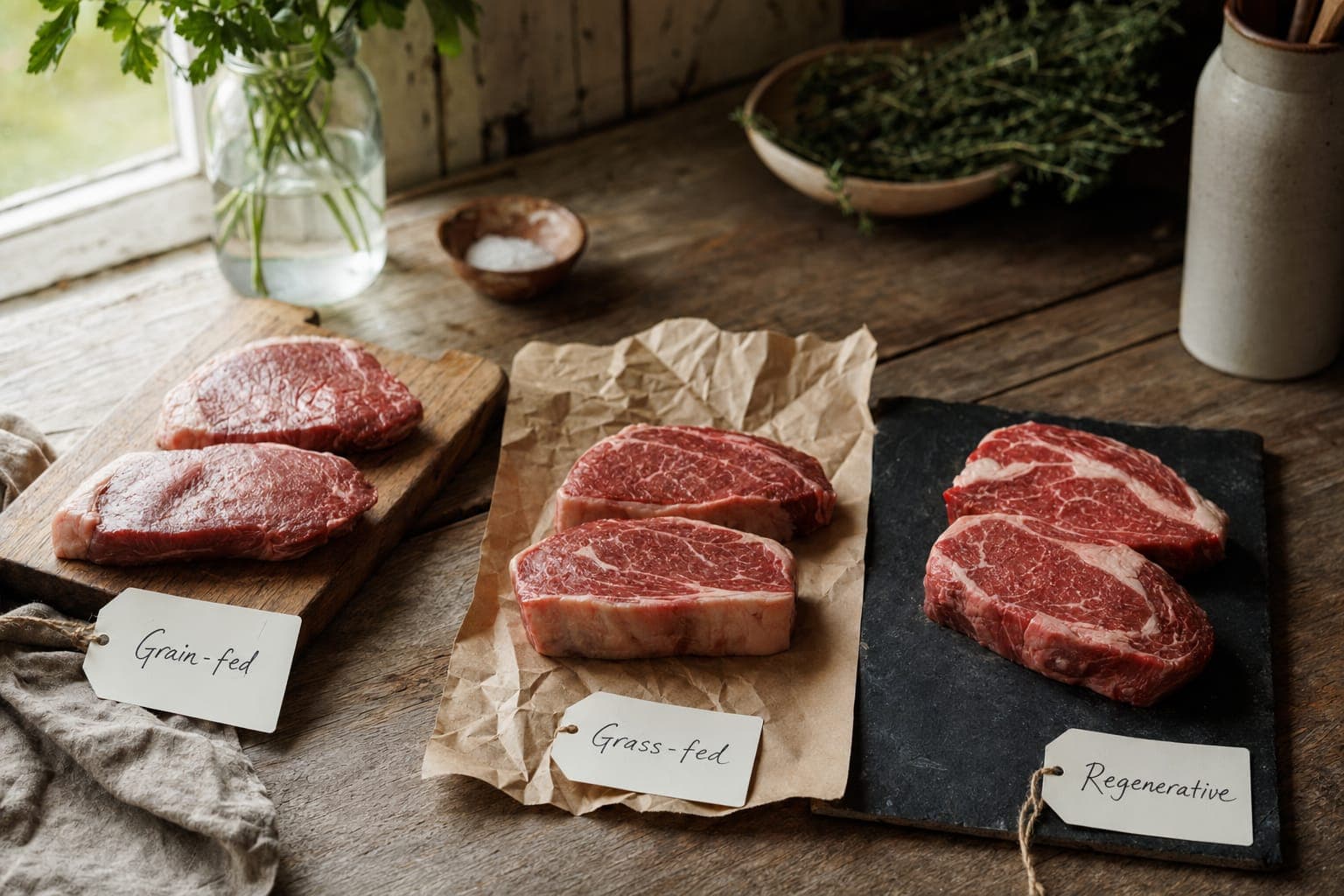
The Truth About Beef: Grain-Fed vs Grass-Fed vs Regenerative
Compare grass-fed vs grain-fed and regenerative beef on nutrition, welfare and environment. See how CLA, omega ratios and vitamins shift with how cattle live.
Farming
No mRNA Vaccines, No Bovaer, No Hormones: Our Sourcing Standards
We exclude mRNA vaccines, Bovaer, and hormones from our cattle sourcing. Here is our reasoning and what we choose instead.
Farming
How Regenerative Farming Produces More Nutrient-Dense Food
How regenerative practices link to nutrient-dense food. Soil health, mineral uptake, and the farm-to-body chain explained.
Real food, made effortless
Shop the blendA few ways to use it
All recipes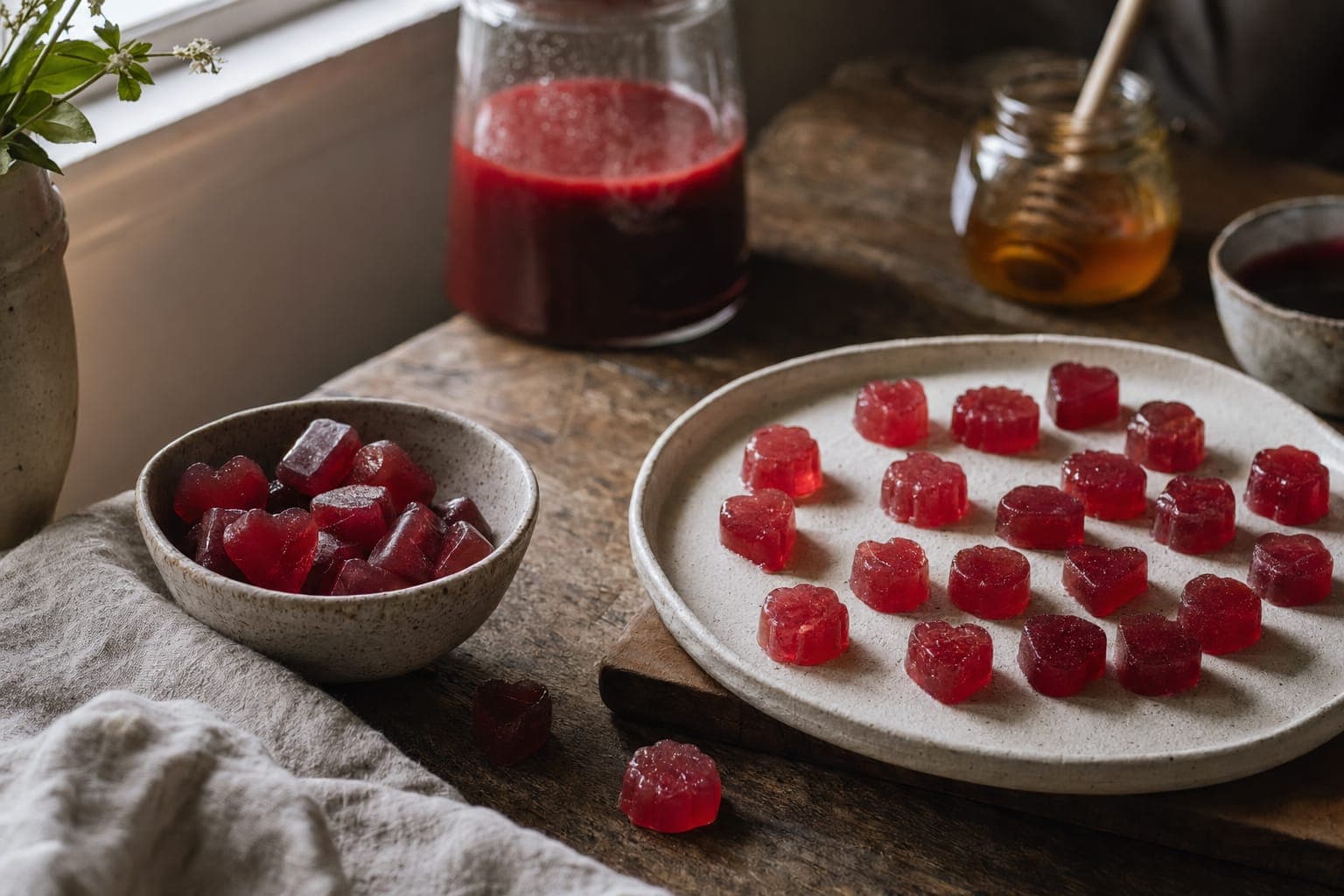
How to Make Your Own Gelatine Gummies
A simple recipe for homemade gelatine gummies using grass-fed gelatine, fresh juice, and raw honey. Better than shop-bought, kids love them.
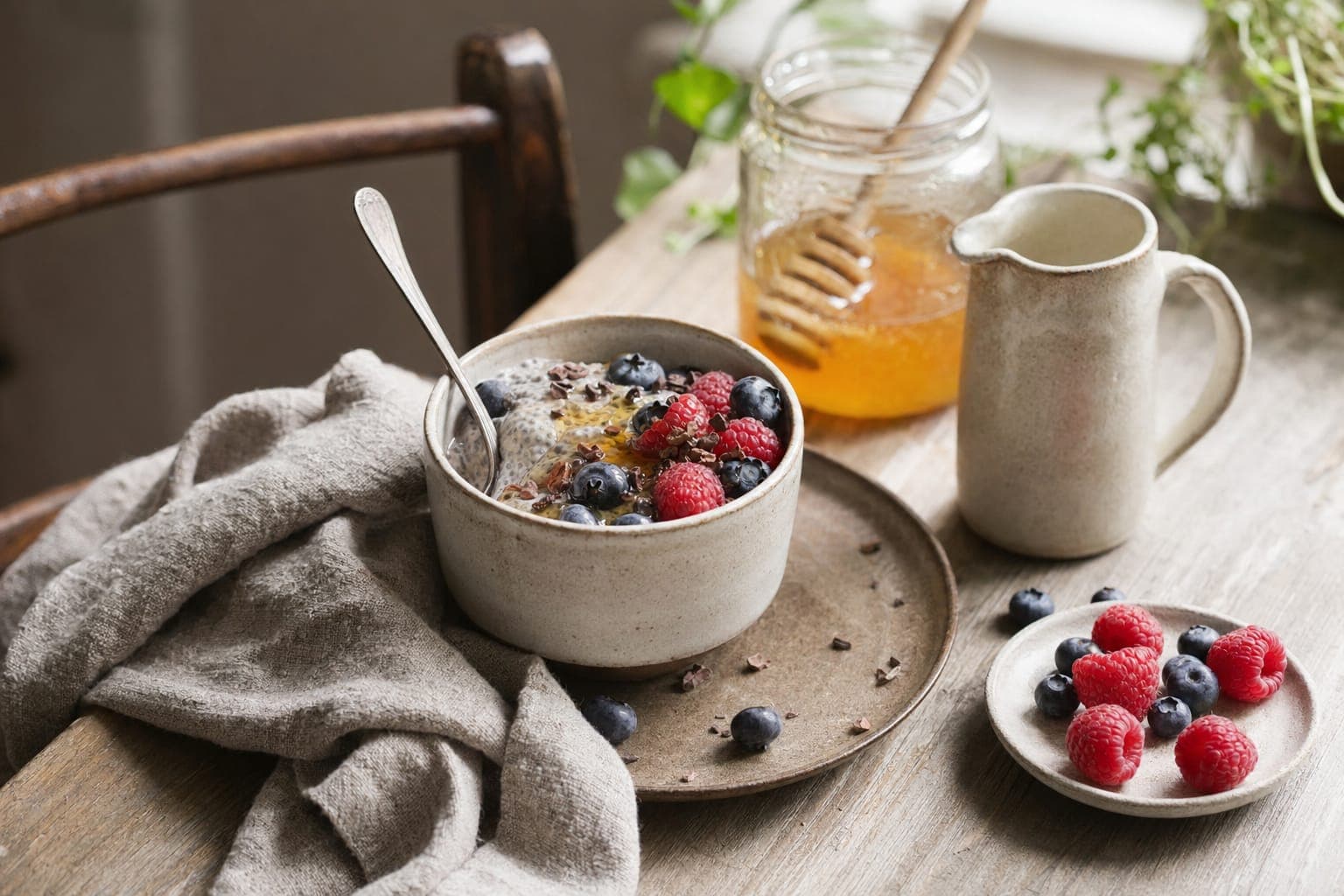
Organised Chia Pudding with Raw Honey and Berries
A no-cook chia seed pudding made with raw milk, collagen, berries, and raw honey. Prep it the night before and eat for breakfast.
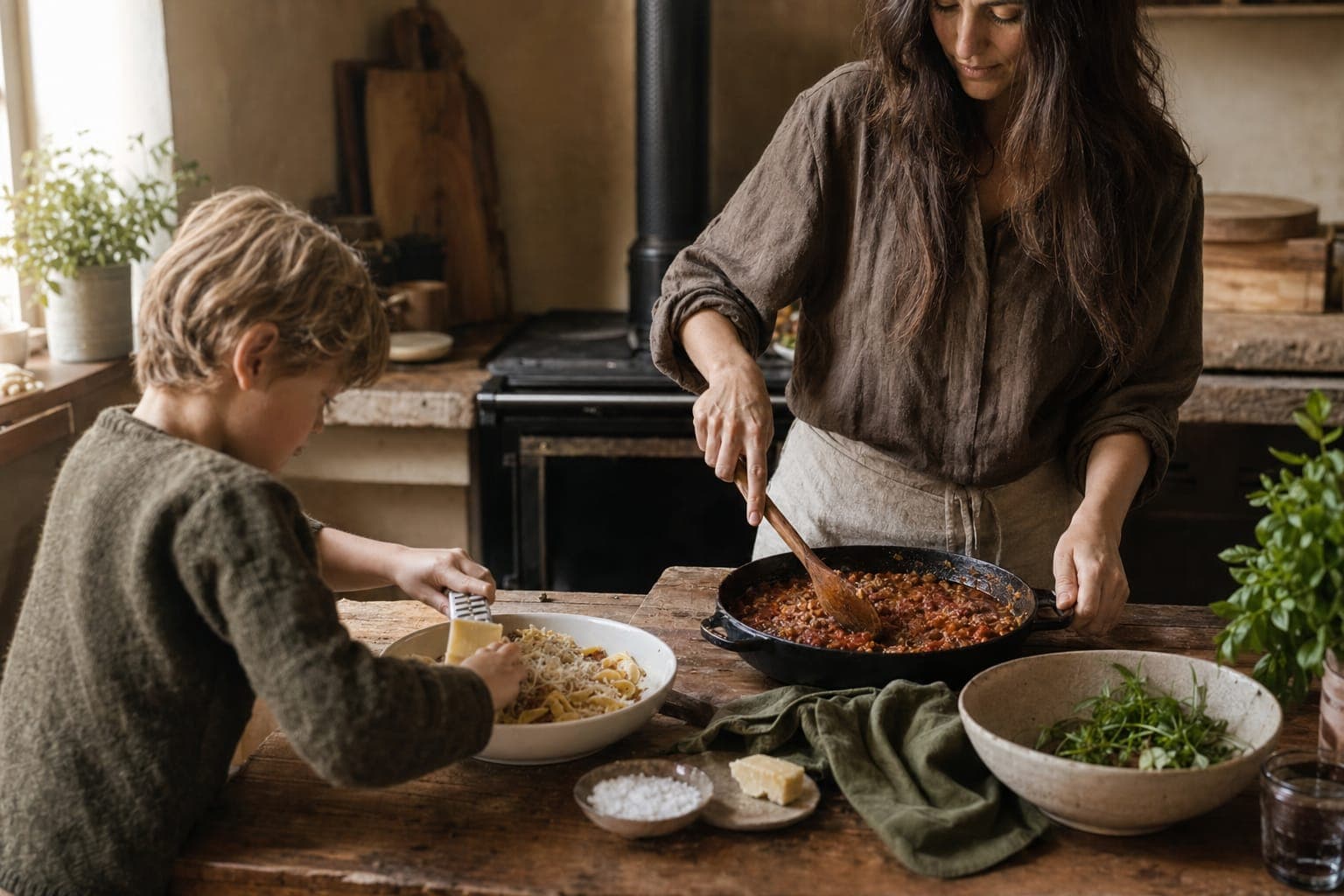
Organ Bolognese: The Family Dinner That Heals
Practical organ meat recipe using fresh beef liver and heart. Family-friendly bolognese that bridges supplements to whole food.


 Join over 100,000+ members
Build a better food system with us
The Organised community is thousands of people choosing real food and backing the farmers who grow it, all of us trying to leave the world a little better than we found it. If that is what you care about too, you belong here.