Do Supplements Actually Get Absorbed? What Reddit and the Science Say
'You're just making expensive urine' is one of Reddit's favourite lines about supplements. Sometimes it is true and sometimes it badly misses the point. Here is what the threads get right about absorption and bioavailability, and what the science actually says.

By Niall Kiddle, Founder, Organised

Reviewed by Pedro Rodrigues, Agronomist (farming and sourcing only) ·
4 min read · Published
Makers of the Organised Daily blend, a grass-fed beef organ supplement from regenerative UK farms
Absorption debates run hot in r/Supplements, r/Nutrition and r/AskScience, usually kicked off by someone asking whether their multivitamin does anything or whether a fancy 'liposomal' form is worth the money. Bioavailability, how much of what you swallow your body actually uses, is the concept underneath all of it.
What people actually ask about absorption on Reddit
The questions come down to: do these actually get absorbed, are the premium forms worth it, does taking things with food matter, and am I wasting money. People have usually heard the 'expensive urine' claim and want to know when it applies.
The stronger threads recognise that 'absorption' is not one thing. It depends on the nutrient, the chemical form, what you take it with, and whether your body even needs more of it at that moment.
What Reddit tends to get right
- Form matters. The crowd correctly notes that different chemical forms absorb differently, for example magnesium glycinate versus magnesium oxide, or the active forms of folate and B12. This is real and worth knowing.
- Fat-soluble vitamins need fat. The advice to take vitamins A, D, E and K with a meal containing fat is sound and improves uptake. This is exactly how traditional diets delivered them, already dissolved in their natural fats, in butter, egg yolks, oily fish and liver.
- Water-soluble excess really is excreted. For things like vitamin C and the B vitamins, once you are replete, the surplus does largely leave in your urine. The 'expensive urine' jibe is fair when someone is mega-dosing a nutrient they already have enough of.
- Whole foods come pre-packaged with cofactors. Better threads point out that nutrients in food arrive with the cofactors that help you use them, which isolated high-dose pills sometimes lack. Vitamins A, D and K2 are the clearest example, working in synergy and arriving together in animal foods rather than as three separate tablets. Liver makes the point too: its iron comes with the copper and preformed vitamin A that iron metabolism actually depends on, and heme iron from meat is far less blocked by the tea, coffee and phytates that hold back plant iron.
Reddit's real insight on absorption: bioavailability depends on the form, what you take it with, and whether you actually needed more. 'Expensive urine' is true for over-dosing, not for correcting a genuine shortfall.
Where the threads go wrong
"Supplements don't get absorbed at all." The blanket cynical version is simply wrong. Plenty of nutrients are well absorbed, and correcting a real deficiency in iron, B12, vitamin D or others produces measurable, sometimes dramatic results.
"Liposomal / this fancy form is always worth it." The hype version overreaches too. Some delivery technologies genuinely help for specific nutrients, but the premium is often larger than the benefit, and marketing outruns the data.
Confusing 'excreted' with 'useless'. Excreting excess water-soluble vitamins is your body regulating levels, not proof the supplement did nothing. It did its job up to the point you were replete.
Ignoring individual need. The biggest miss on both sides: a supplement's value depends on whether your levels were low to begin with. Absorption is only half the story, need is the other half.
Get the science, plainly, free
Two short reads a week on what the research actually says about nutrition.
By signing up you agree to receive emails from us. No spam, unsubscribe anytime.
What the evidence says
Bioavailability is genuinely nutrient-specific. Iron absorption is affected by its form and by vitamin C and inhibitors like tea, fat-soluble vitamins need dietary fat, and some minerals compete with each other. The chemical form can meaningfully change how much you use, which is why the Reddit focus on 'glycinate vs oxide' style questions is well placed. The same logic runs across the animal and plant divide: many nutrients exist as a poorly converted plant precursor and a ready to use animal form. Heme iron beats non-heme iron, retinol beats beta-carotene, DHA beats ALA, and vitamin K2 and B12 are found in animal foods in a way plants cannot match, so the animal form is usually the one your body can actually use. But the deciding factor for whether a supplement helps you is whether you were short of that nutrient in the first place. Correcting a deficiency works. Topping up something you already have plenty of mostly does not. There is a layer beneath even that: how well you use a nutrient depends on your metabolic state, since a sluggish, over-stressed system uses nutrients poorly no matter how absorbable the form, which is one more reason food and energy come before any pill. Our guide on what bioavailability is and why it matters for supplements lays out the mechanisms in full.
So the 'expensive urine' line is right and wrong: right for people mega-dosing nutrients they are already replete in, wrong as a blanket dismissal of supplements that correct a real gap.

1 of 9
Daily blend
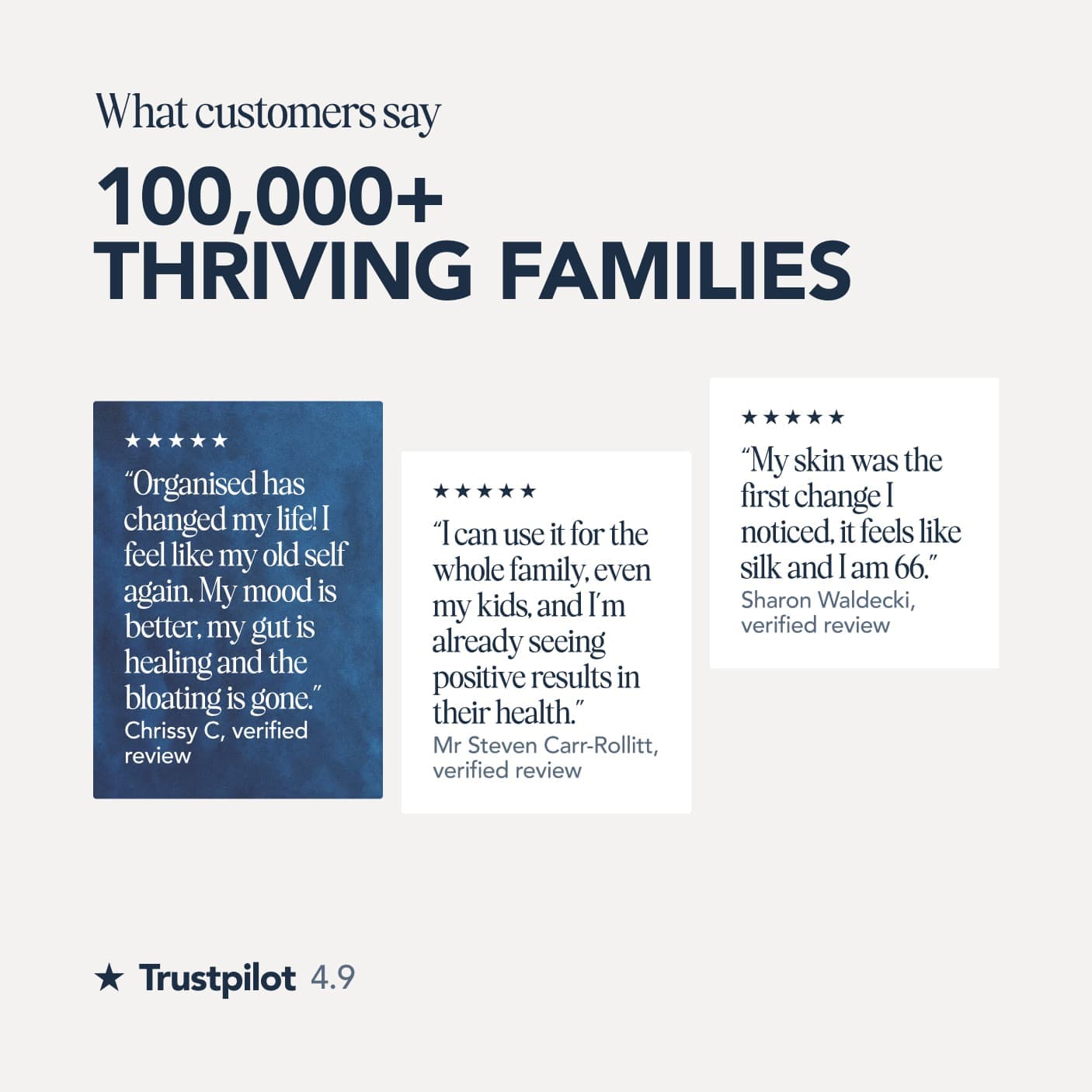
100,000+ thriving families4.9 on Trustpilot
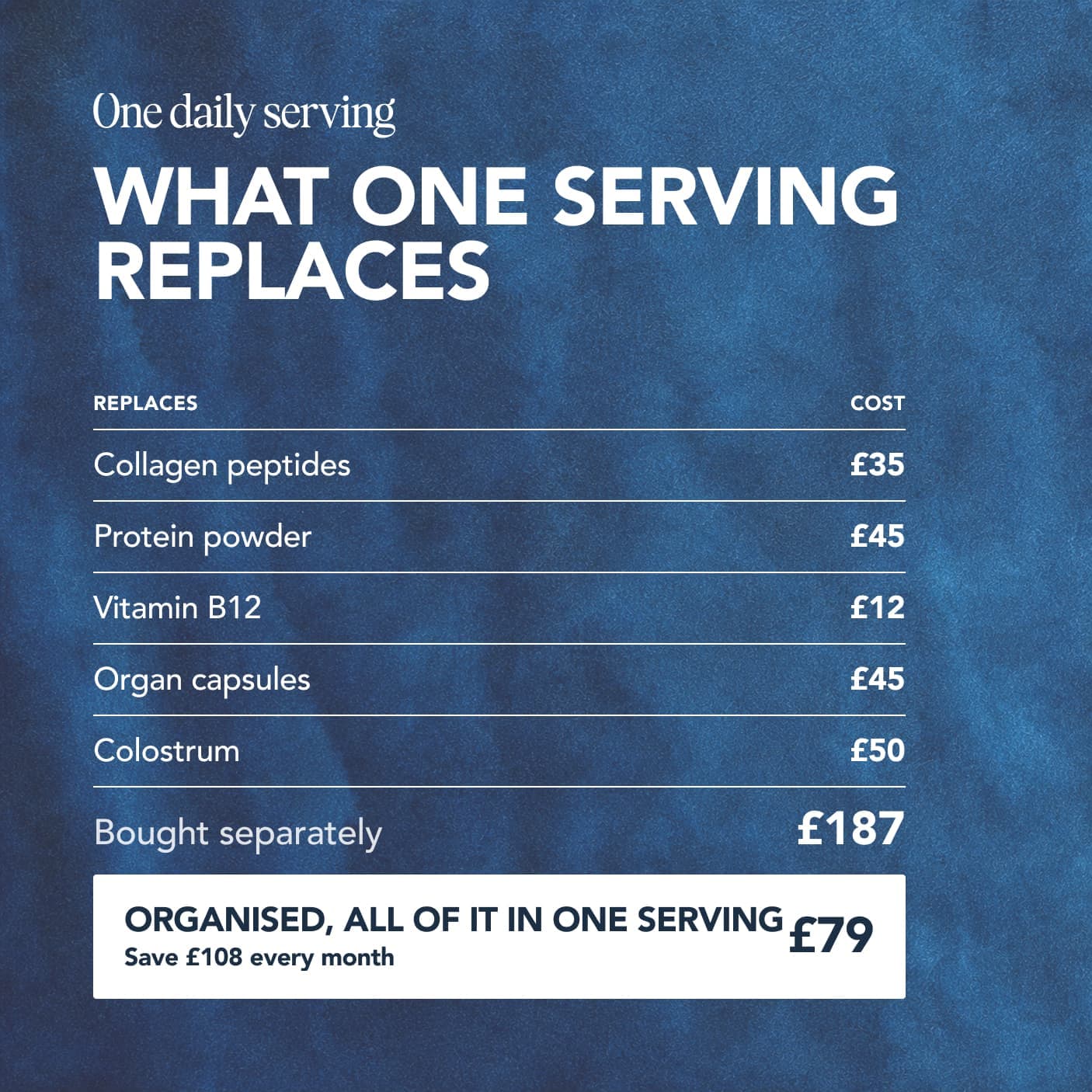
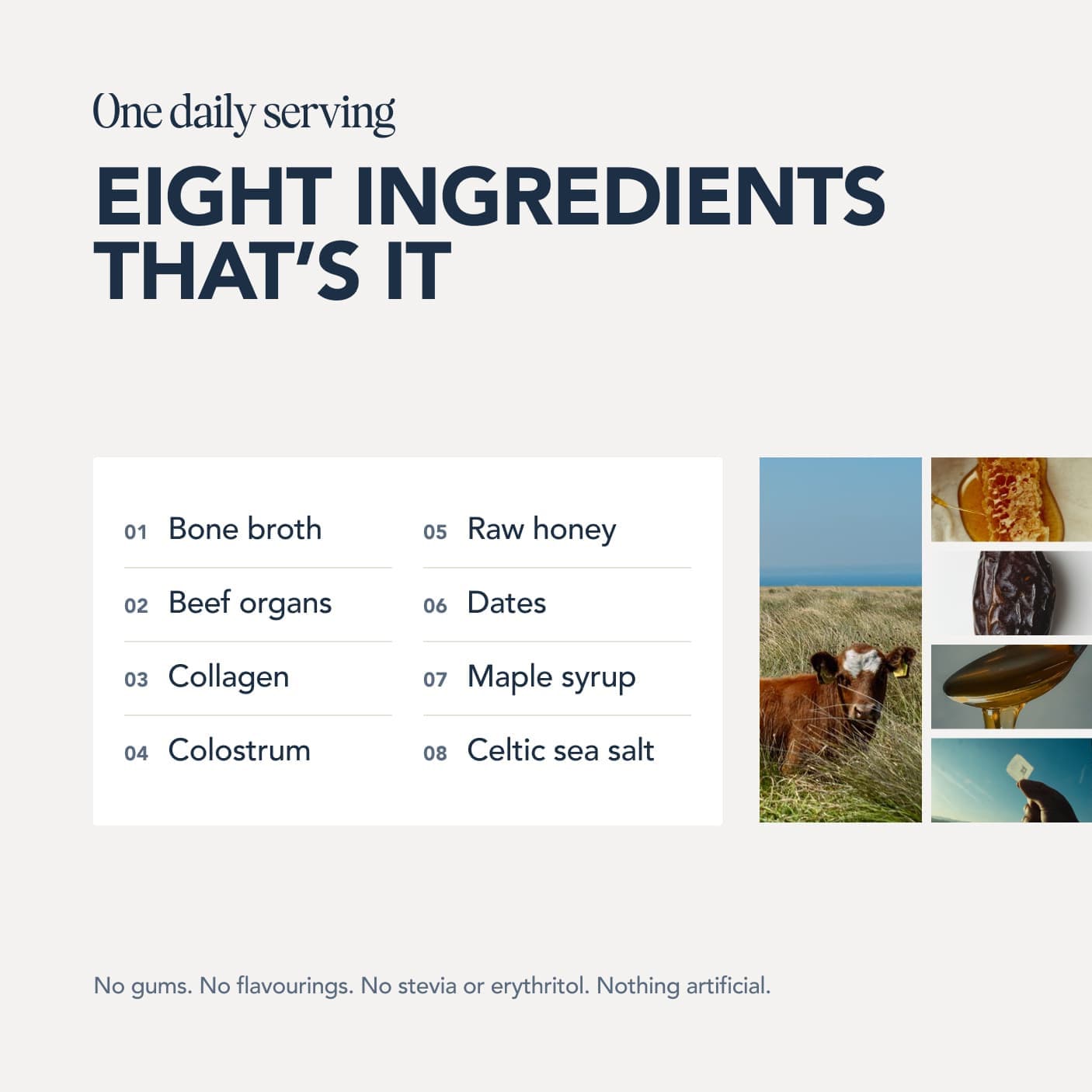
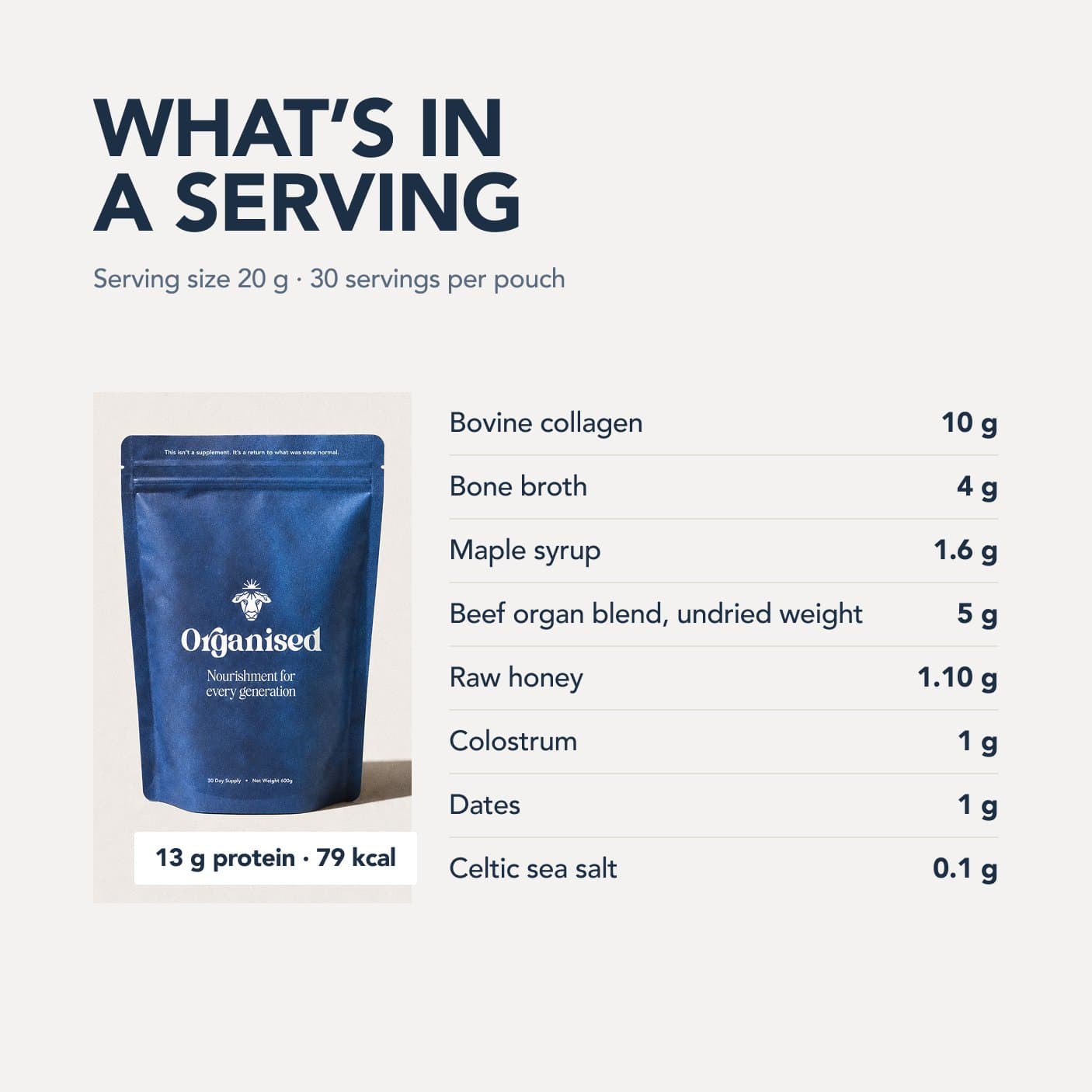
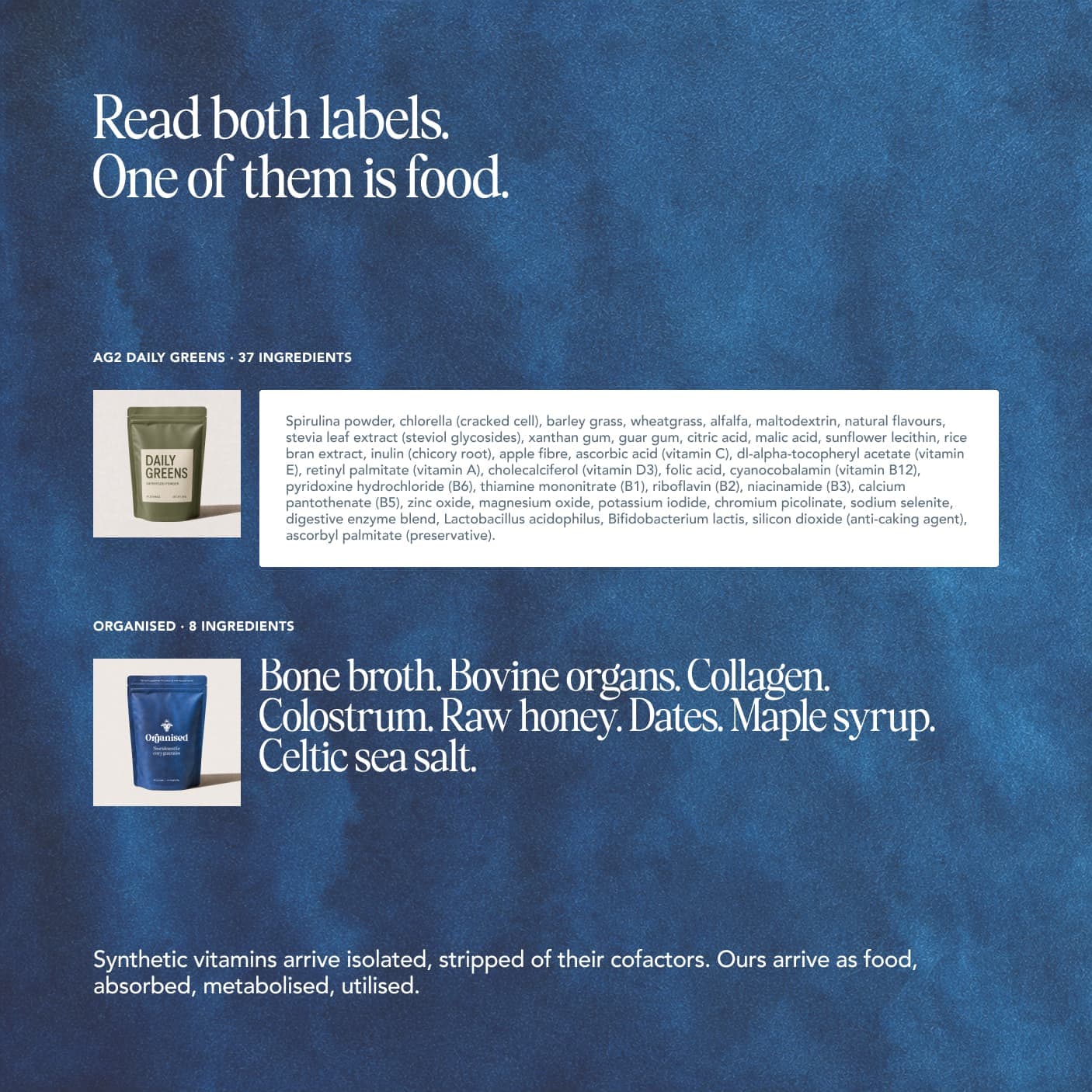
Eight real ingredients built around grass-fed beef organs, collagen and colostrum. Nothing synthetic added.
Free with your first order, worth £38. Plus £10 off the pouch with a subscription.

Free UK shipping · Made in England · 100 day money back guarantee on your first pouch · Skip, pause or cancel anytime
Common questions
Do supplements actually get absorbed according to Reddit?
Many do, and the consensus is that form and pairing matter, but the biggest factor is whether you were deficient. Correcting a genuine shortfall works, topping up an already adequate level often does not.
Is the 'expensive urine' claim true?
It is true for water-soluble vitamins taken in excess of what your body needs, which are largely excreted. It is not true for supplements that correct a real deficiency, where the effect can be significant.
Which supplement forms absorb best?
It is nutrient-specific. Threads reliably favour better-absorbed forms like magnesium glycinate over oxide and the active forms of folate and B12, and taking fat-soluble vitamins with a fatty meal.
Are expensive absorption forms like liposomal worth it?
Sometimes for specific nutrients, but often the price premium exceeds the benefit. The evidence is stronger for basic principles like pairing and form than for most premium delivery marketing.
The bottom line
Reddit is sharper than its slogans on absorption. Bioavailability is real and form and pairing matter, but the thing that decides whether a supplement helps you is whether you were low to begin with. Test, correct genuine gaps, choose sensible forms, take fat-soluble vitamins with food, and do not pay a premium for absorption you do not need. That, not the 'expensive urine' one-liner, is the accurate version.
Who wrote and reviewed this guide
Niall Kiddle
Author · Founder, Organised
Niall is the founder of Organised. He started the company in 2024 after fixing his own health the slow way: in 2022 he swapped a cupboard of synthetic supplements for real food, raw milk, organ meats, bone broth and honey, and felt the difference within months.
Areas of expertise: Ancestral nutrition, Organ meats, Whole-food supplementation, Gut health, Regenerative sourcing
Read Niall's full profile
Pedro Rodrigues
Reviewer · Agronomist (farming and sourcing only)
Pedro is the agronomist Organised works with on farming and sourcing. His job on the guides is to keep the science honest: he reviews what we publish about soil health, regenerative agriculture, grazing and the way food is actually produced.
Areas of expertise: Regenerative agriculture, Agronomy, Soil health, Grass-fed farming, Food sourcing
Reviewed this guide on
Read Pedro's full profileMore on bioavailability
View allBrowse the guides library
All guidesKeep reading

Science
What Is Bioavailability and Why Does It Matter for Supplements?
What bioavailability means, why it matters for supplement effectiveness, and how it changes everything about your nutrition strategy.

Science
Liver Doesn't Store Toxins: Debunking the Biggest Organ Meat Myth
The liver filters toxins, it doesn't store them. Here's the science behind the biggest organ meat myth, and why liver is one of the safest foods you can eat.

Science
The Science Behind Organised: Every Claim, Every Study
Transparency on every study cited in Organised's marketing. How we choose what to claim, and what the evidence actually shows.
Real food, made effortless
See the blendA few ways to use it
All recipes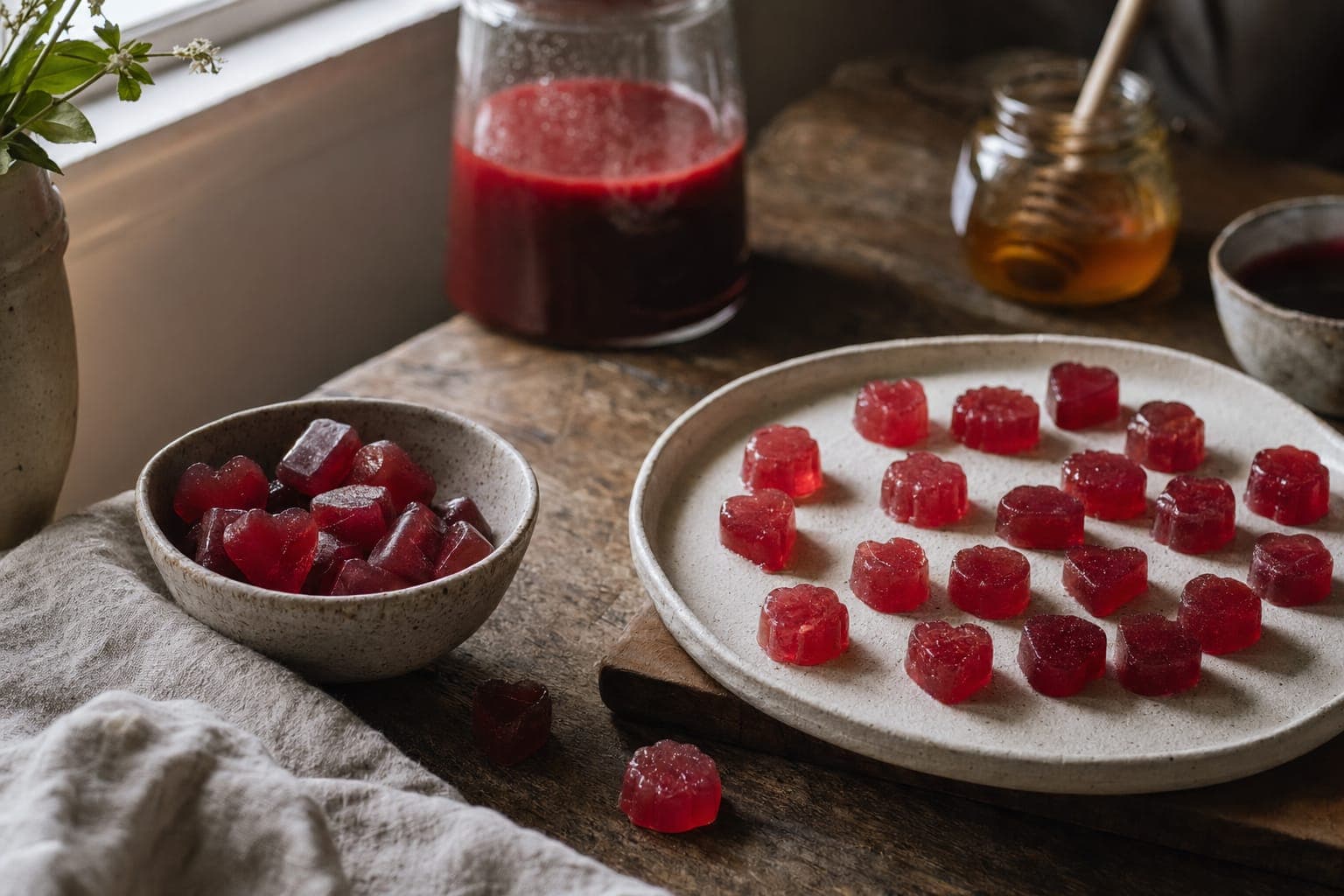
How to Make Your Own Gelatine Gummies
A simple recipe for homemade gelatine gummies using grass-fed gelatine, fresh juice, and raw honey. Better than shop-bought, kids love them.
How to Make Bone Marrow Butter
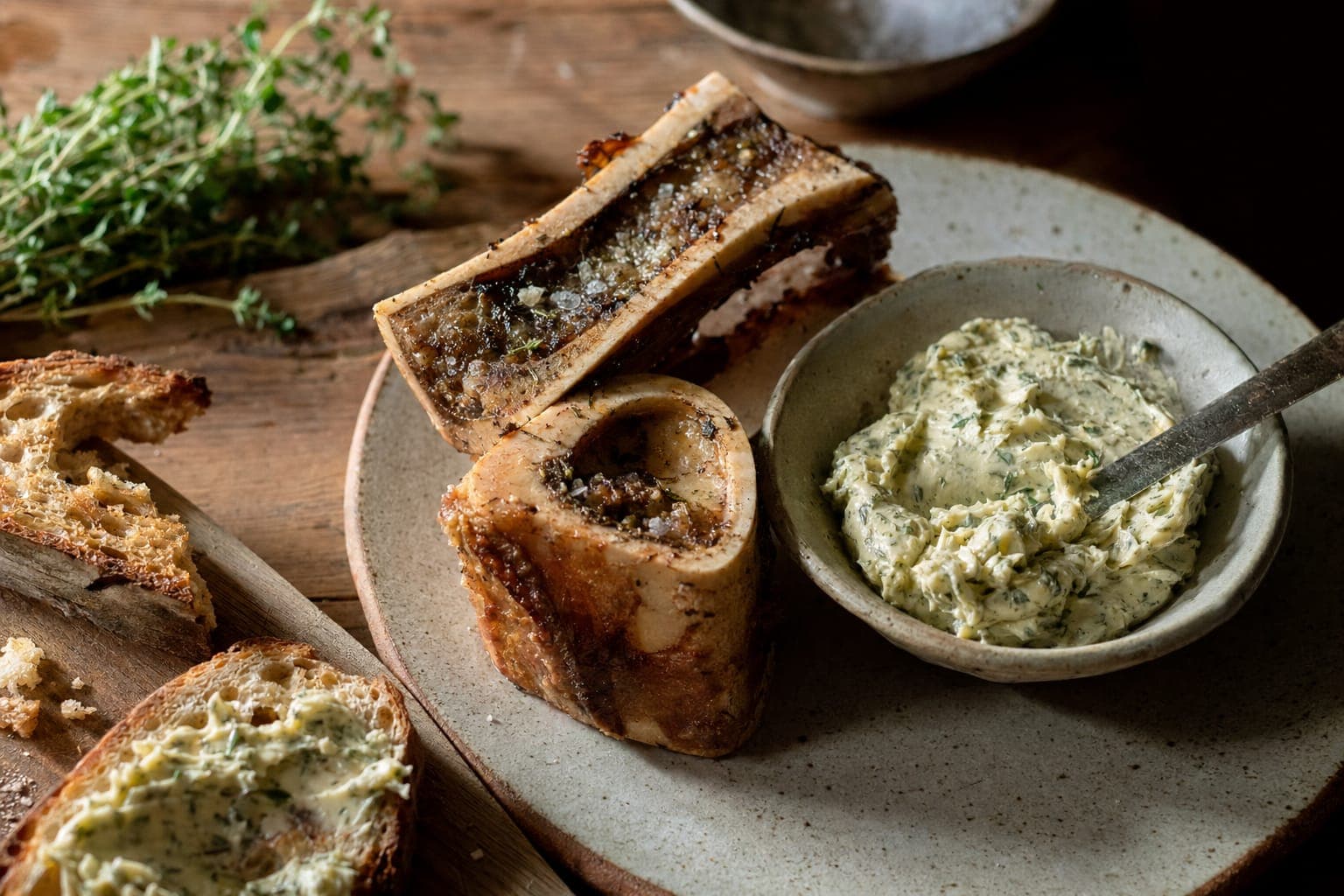
Roast grass-fed marrow bones, scoop the marrow, and mix with butter and herbs. A nutrient-dense spread with fat-soluble vitamins.
Organised Overnight Oats: 3 Variations
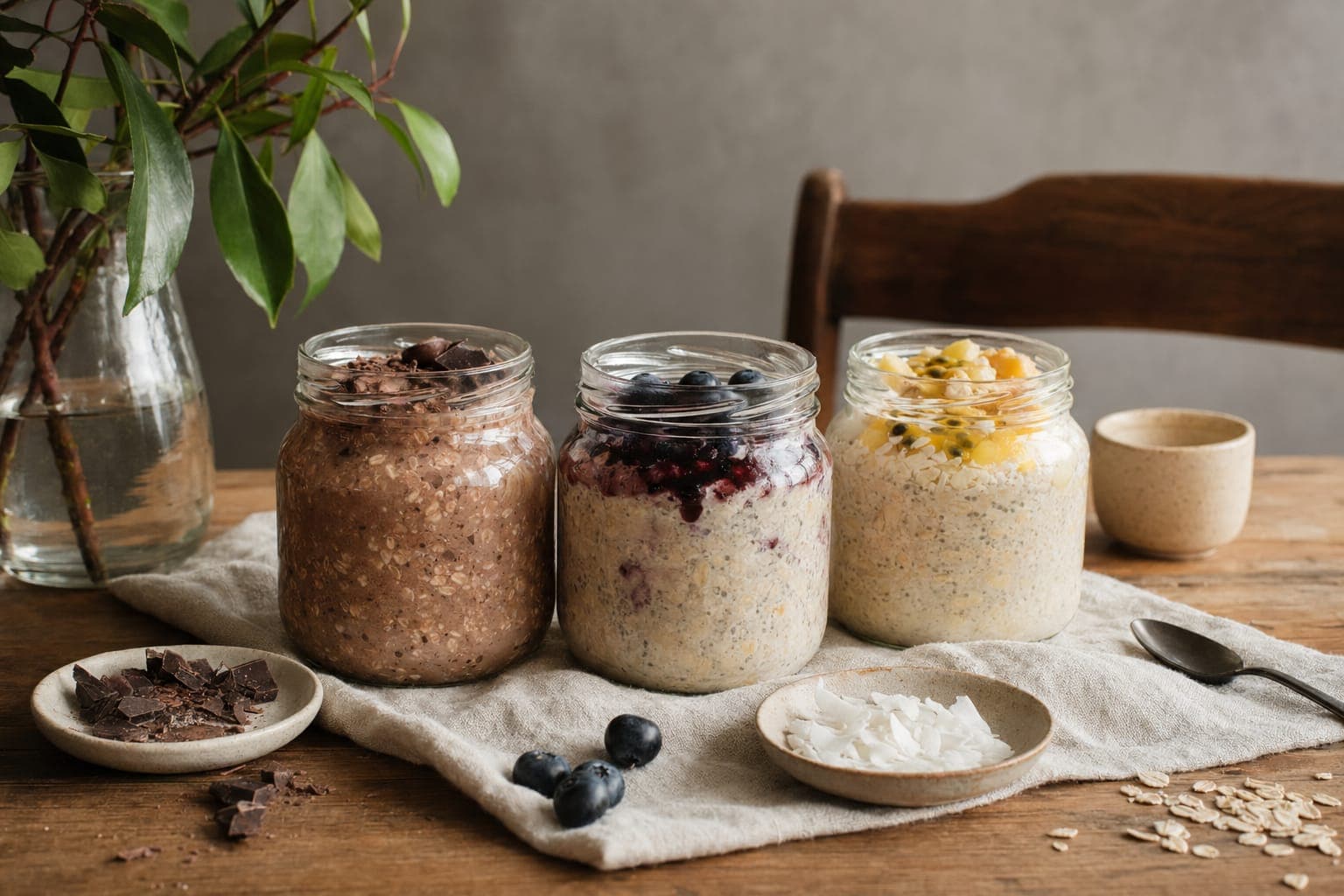
Three delicious overnight oats variations with Organised. Chocolate, berry, tropical flavours. Make them Sunday, eat them all week.


 Join over 100,000+ members
Build a better food system with us
The Organised community is thousands of people choosing real food and backing the farmers who grow it, all of us trying to leave the world a little better than we found it. If that is what you care about too, you belong here.