Organ Meat Supplements on Reddit: Are They Actually Worth It?
Beef organ capsules and desiccated liver spark some of the most heated threads in the ancestral and supplement subreddits. Here is what the community actually agrees on, the criticisms worth taking seriously, and what the nutrition evidence says about eating your organs in pill form.
By Niall Kiddle, Founder, Organised

Reviewed by Pedro Rodrigues, Agronomist (farming and sourcing only) ·
5 min read · Published
Makers of the Organised Daily blend, a grass-fed beef organ supplement from regenerative UK farms

You see this debate play out in r/Supplements, r/ancestralhealth, r/carnivorediet and r/Nutrition. On one side are people who swear their energy and skin transformed on desiccated liver. On the other are skeptics who call the whole category ancestral marketing. Both camps have a point.
What people actually ask about organ supplements on Reddit
The questions are consistent. Are organ capsules actually nutritious, or is the freeze-drying destroying everything? Are they better than a normal multivitamin? Why not just eat real liver? And is any of the 'nose to tail' framing real, or is it a story wrapped around expensive pills?
The more thoughtful threads land on a reasonable position: real liver is one of the most nutrient-dense foods there is, most people will never cook it, and a capsule is a realistic compromise that is better than nothing, if the sourcing is good.
What Reddit tends to get right
- Liver genuinely is nutrient-dense. The crowd is correct that beef liver is exceptionally rich in vitamin A (retinol), B12, folate, copper and bioavailable iron. This is not marketing, it is basic food composition. Gram for gram it is one of the most nutrient-dense foods there is, the iron is heme iron (the form you absorb most easily), and the vitamin A is preformed retinol, the form your body uses directly, which matters because many people convert the beta-carotene in vegetables into retinol only poorly. Organs also carry the fat-soluble vitamins A, D and K2, the nutrients traditional diets supplied in far greater amounts than modern processed ones, and which work in synergy rather than alone.
- Whole food beats isolated synthetics for some people. The argument that you get a package of cofactors in real organ tissue, rather than a single synthetic vitamin, is a fair one and reflects how these nutrients occur in food.
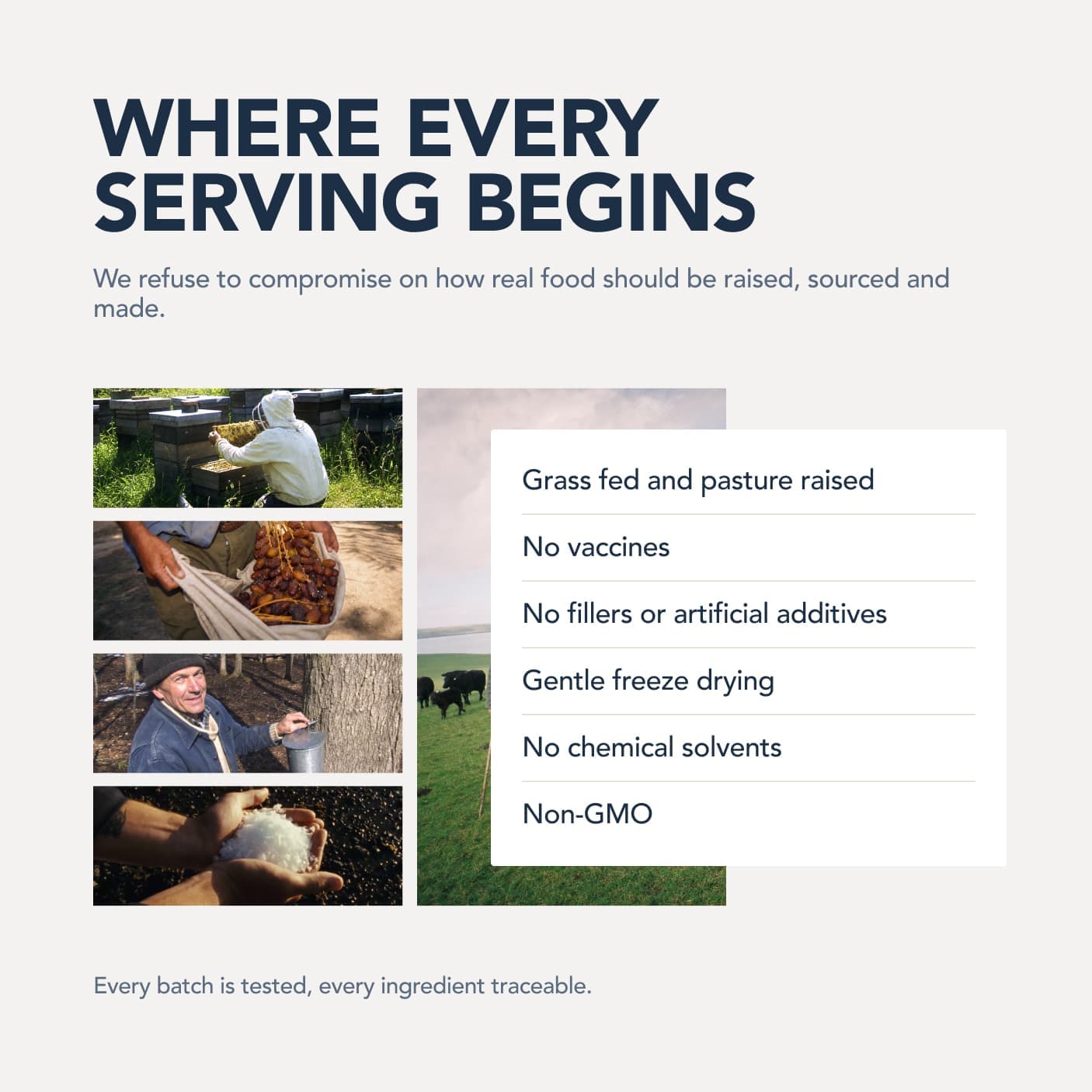
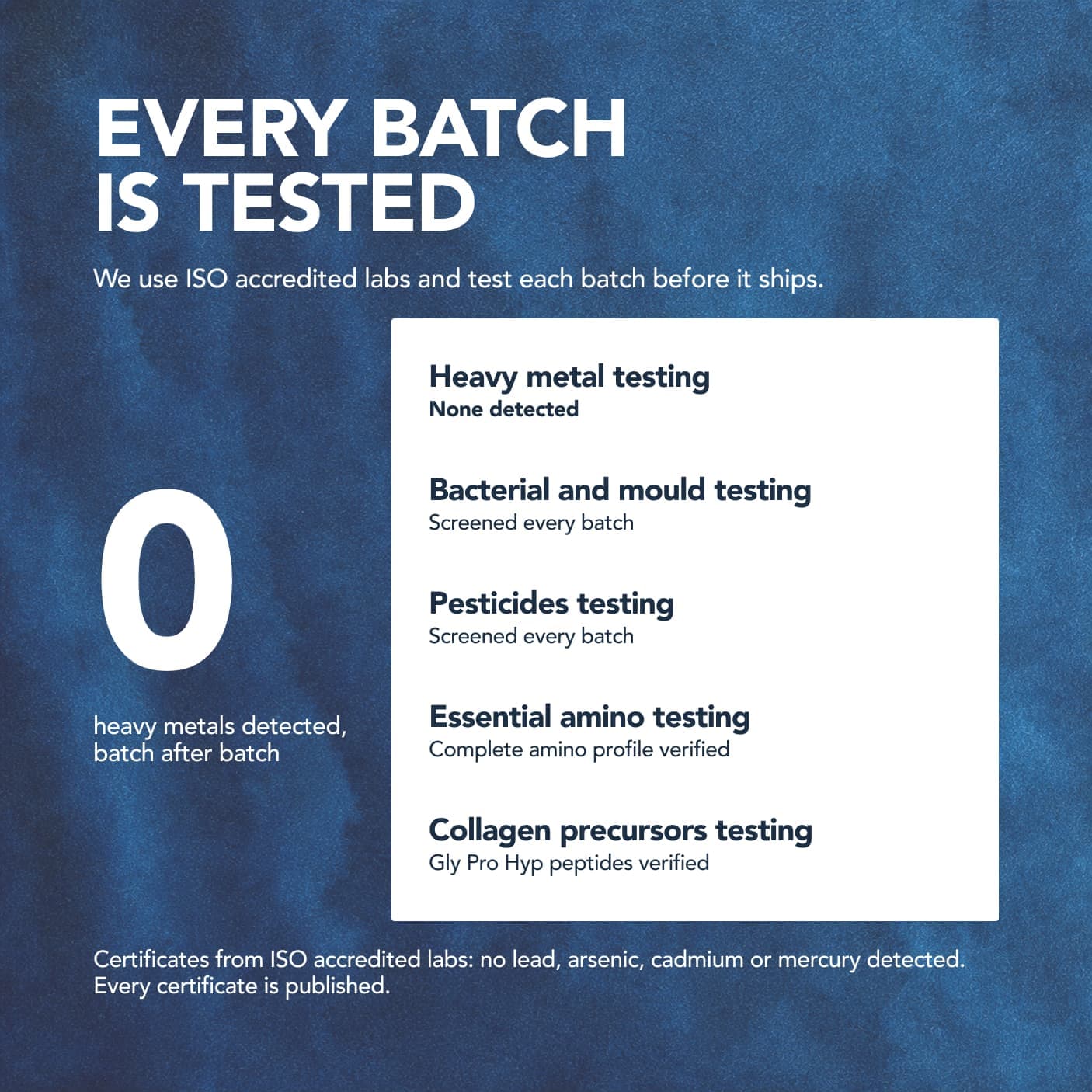
- Sourcing is everything. Experienced posters stress grass-fed, well-raised sourcing and third-party testing. Because the liver is a filtering organ, quality of the animal matters, and the better threads are right to hammer this.
- Eating real liver is cheaper and stronger. The honest reminder that a weekly portion of actual liver outperforms capsules on cost and dose is correct. Capsules are the convenience option, not the superior one.
The fair Reddit take on organ supplements: real liver is genuinely one of the most nutrient-dense foods available, capsules are a convenient fraction of that, and sourcing quality decides whether they are worth buying.
Where the threads go wrong
"It cured my [everything]." The enthusiast testimonials often overreach. Correcting a real iron or B12 shortfall can produce a dramatic energy lift, which feels miraculous, but that is deficiency correction, not a cure-all. The effect is real and also explainable.
"Freeze-drying destroys all the nutrients." The skeptic version is also wrong. Freeze-drying (desiccation) preserves most heat-sensitive nutrients reasonably well, which is exactly why it is used. The bigger variable is dose per serving, not the drying method.
Ignoring the vitamin A ceiling. A point the hype threads skip: liver is so high in preformed vitamin A that large daily doses, stacked with other supplements, can push you toward too much, which matters especially in pregnancy. More is not automatically better here.
Treating capsules as a full multivitamin. Organ blends are strong on some nutrients and absent in others. They are not a complete replacement for a varied diet, whatever the packaging implies.
Get ancestral nutrition guides, free
Two short reads a week on traditional ways of eating, examined with modern evidence.
By signing up you agree to receive emails from us. No spam, unsubscribe anytime.
What the evidence says
On the food itself, the evidence is not really in dispute: organ meats are among the most nutrient-dense foods humans eat, which is precisely why nearly every traditional culture prized them. Those fat-soluble vitamins work as a team, so organ nutrition pairs naturally with other pasture foods rich in vitamin K2, such as grass-fed butter and egg yolks. It is also not only liver: heart is rich in CoQ10, and kidney, spleen and the rest each carry their own strengths, which is the real logic of eating nose to tail. The open question is dosing. A typical capsule serving delivers a modest fraction of what a real portion of liver provides, so capsules sit somewhere between a whole food and a targeted supplement. Our guide on why every traditional culture prised organ meats covers the history and the nutrient profile in full.
Used sensibly, from a well-sourced product, at a reasonable dose, organ supplements are a legitimate way to add nutrients most modern diets are genuinely short on, copper and preformed vitamin A in particular. The reasonable Reddit position is the right one: better than skipping organs entirely, not better than actually eating them.
1 of 9
Daily blend
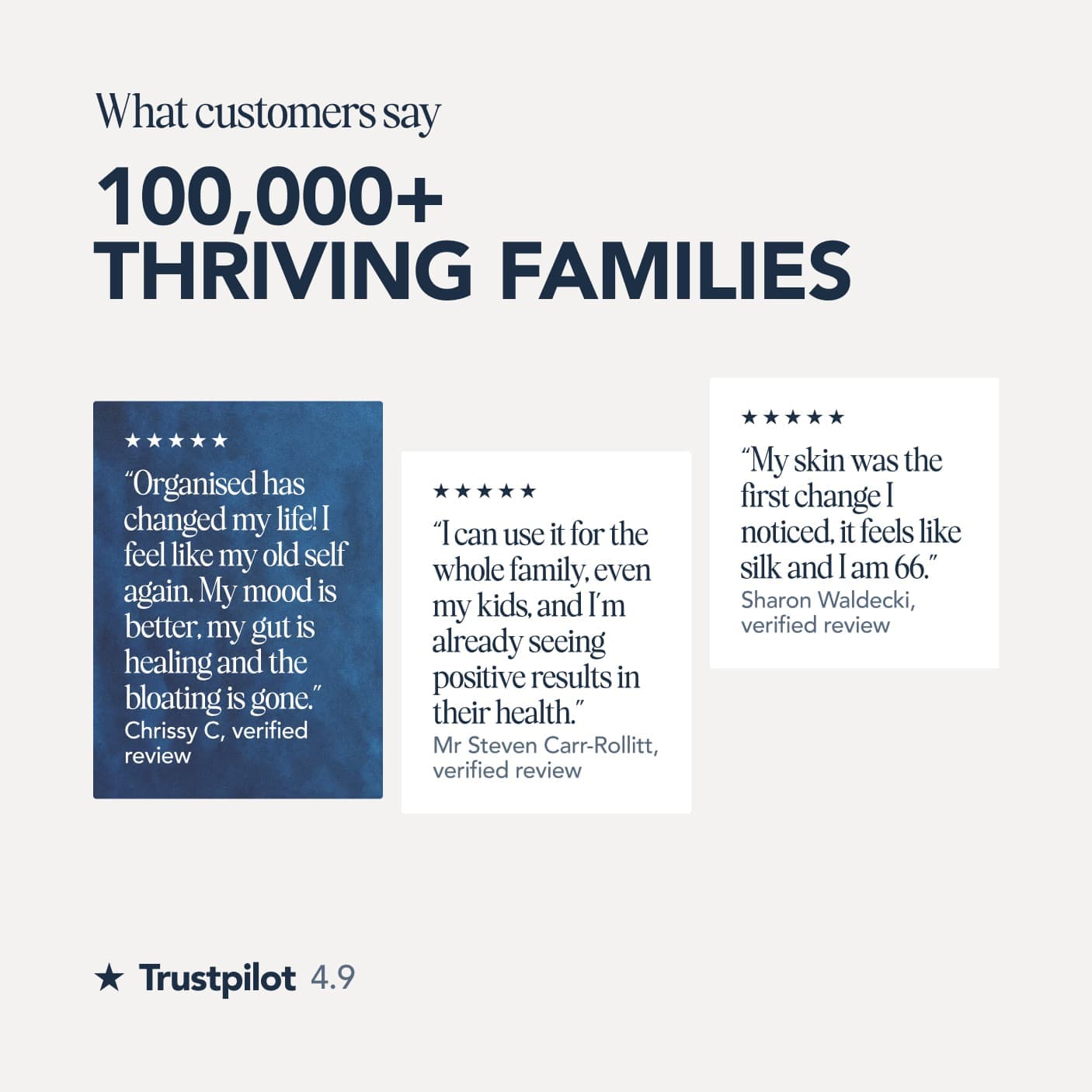
100,000+ thriving families4.9 on Trustpilot
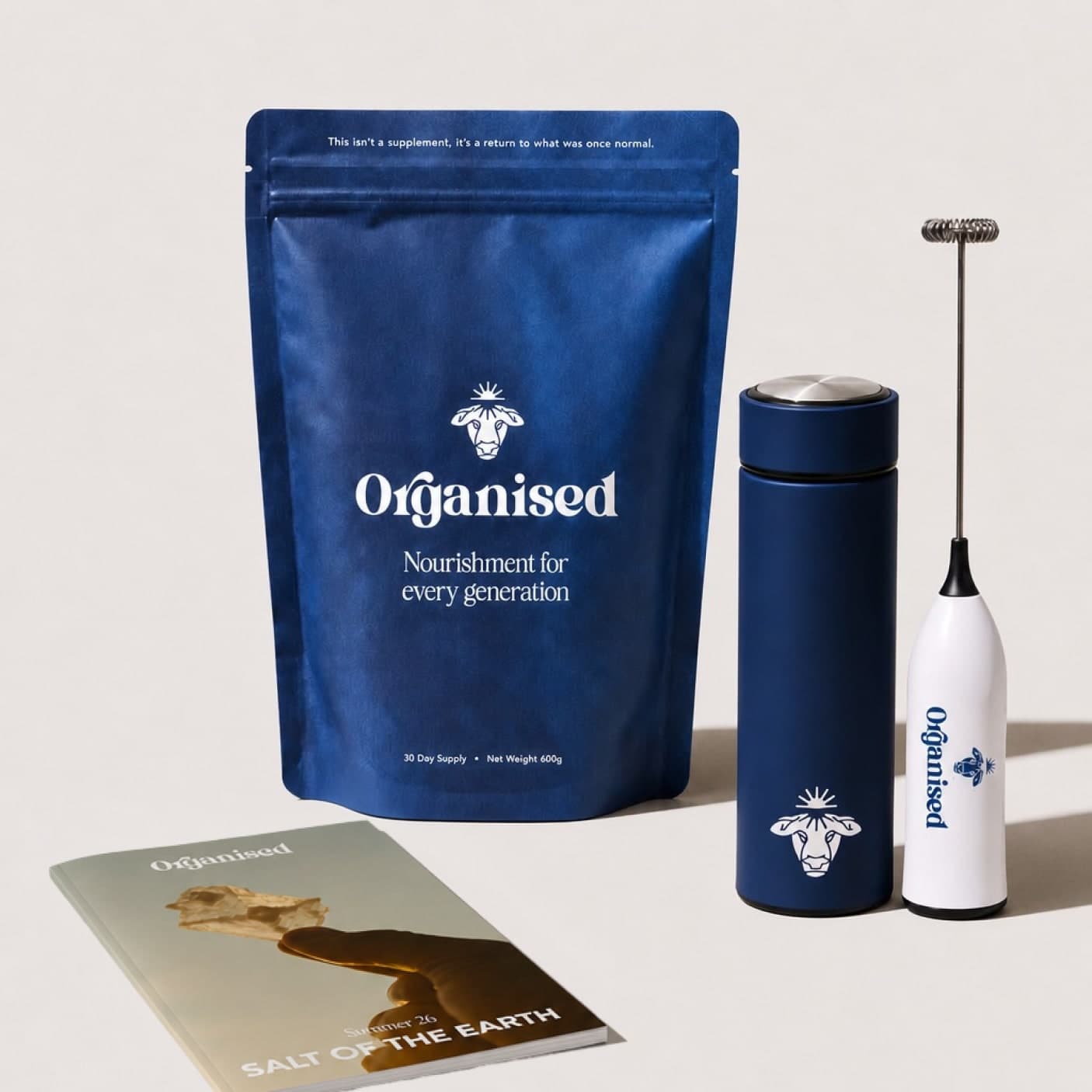
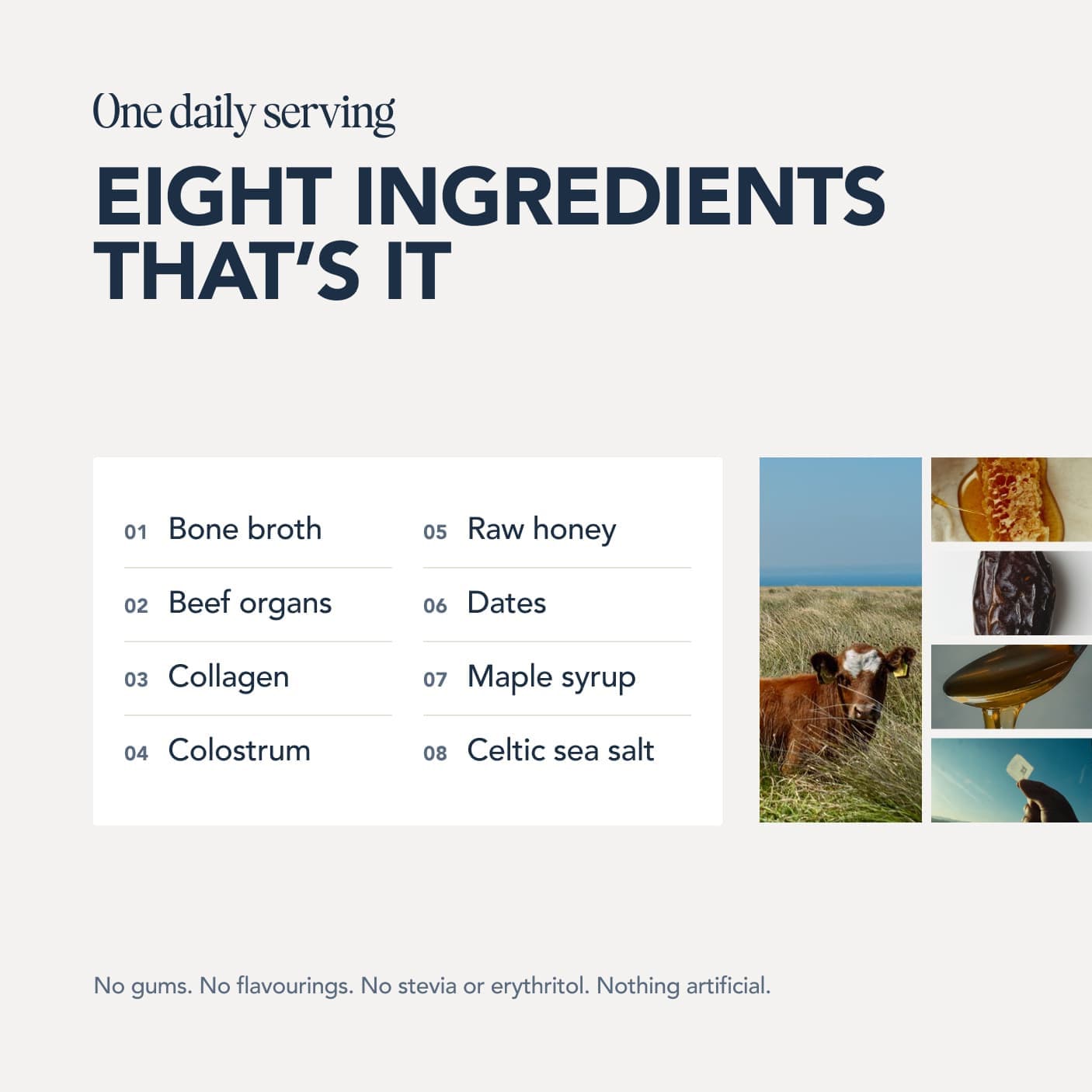
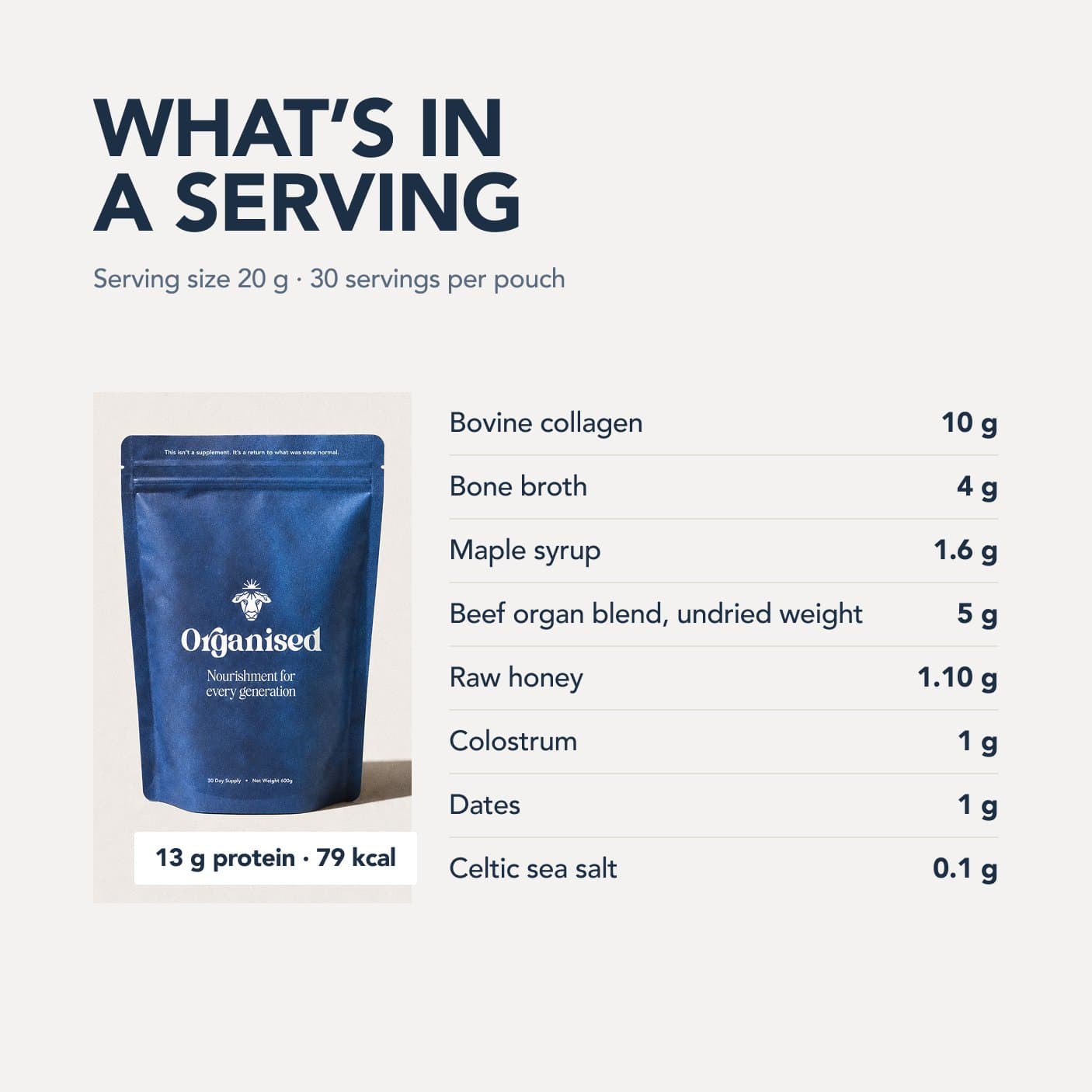
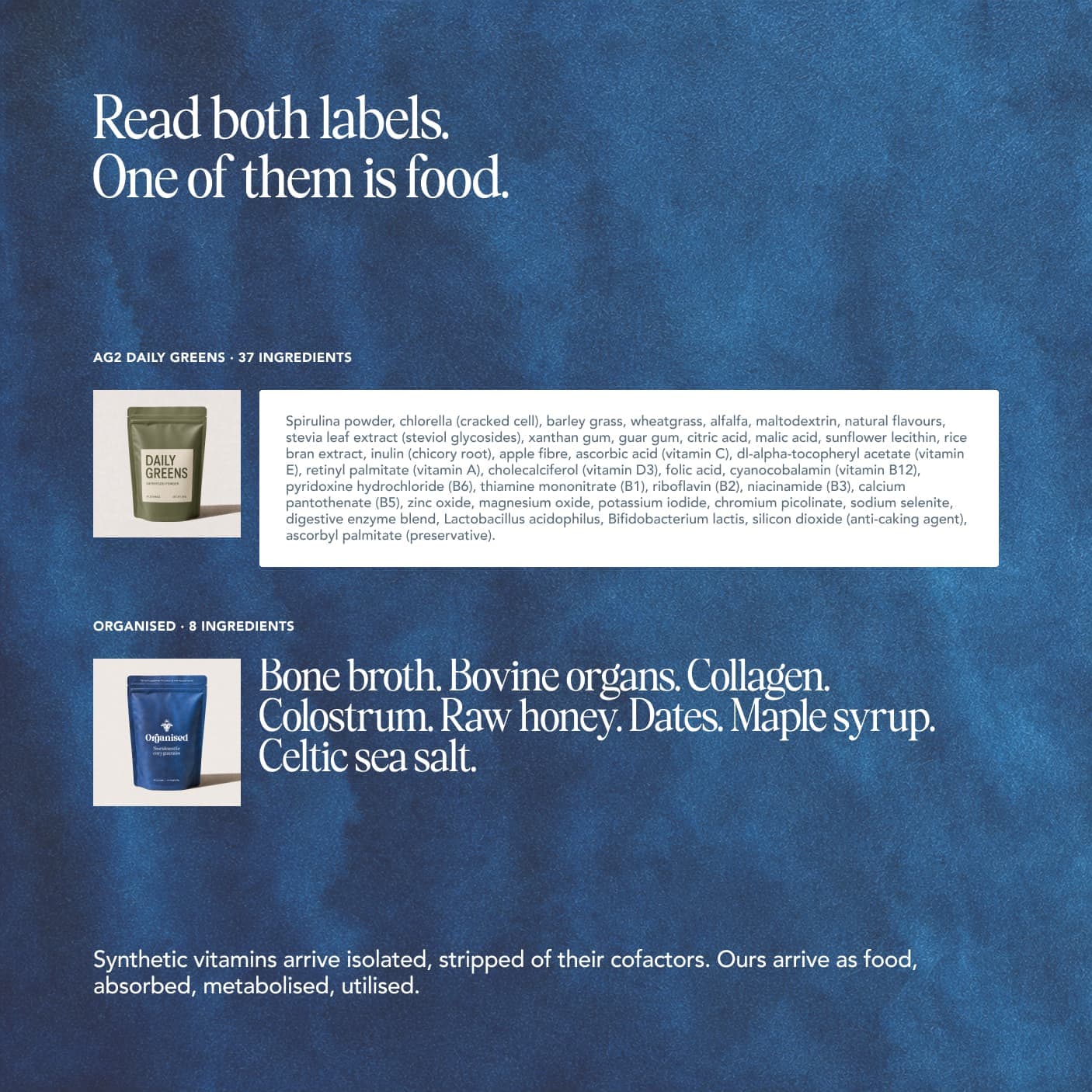
Eight real ingredients built around grass-fed beef organs, collagen and colostrum. Nothing synthetic added.
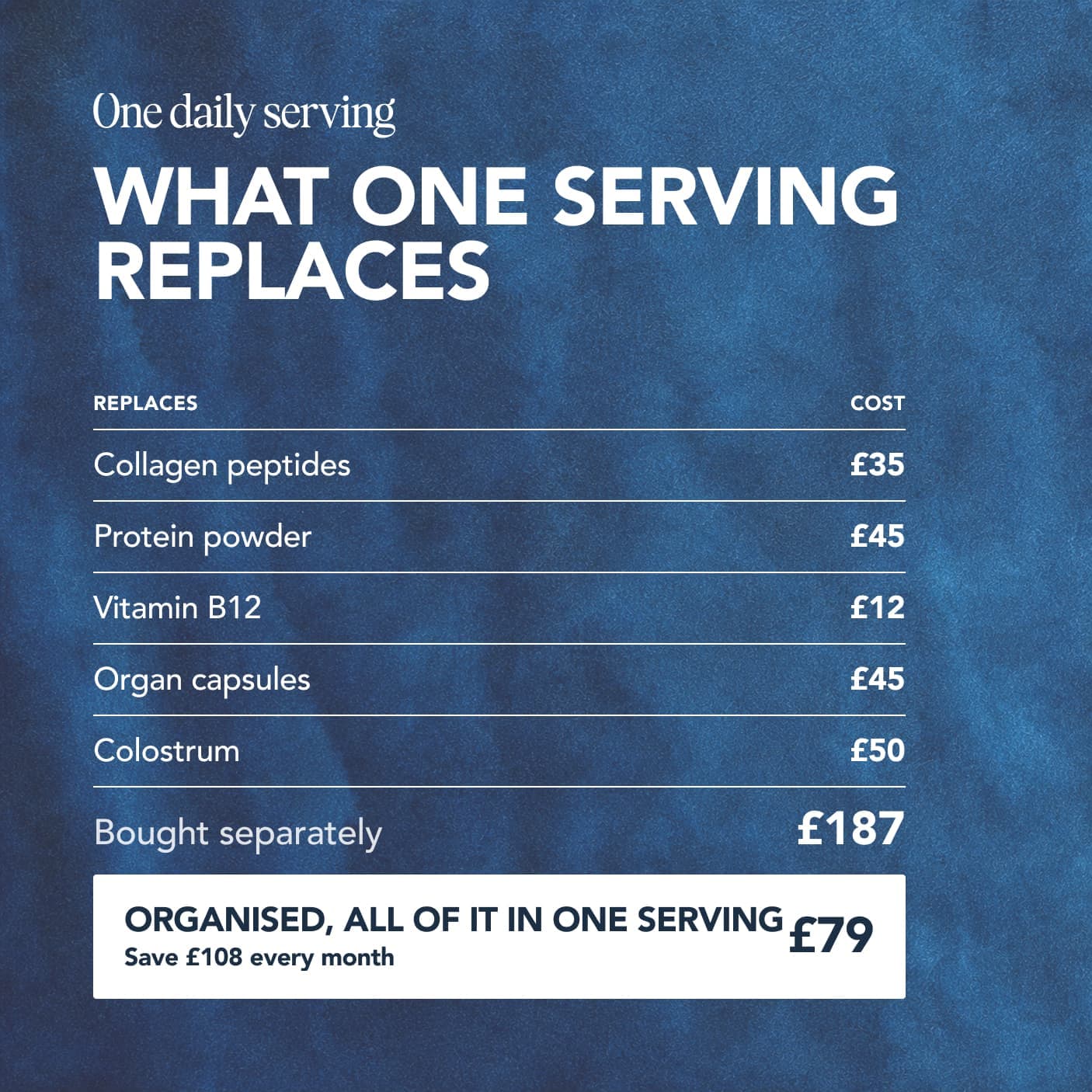
Free with your first order, worth £38. Plus £10 off the pouch with a subscription.
Free UK shipping · Made in England · 100 day money back guarantee on your first pouch · Skip, pause or cancel anytime
Common questions
Are organ meat supplements worth it according to Reddit?
The balanced consensus is yes for people who will never cook real organs, provided the sourcing is grass-fed and tested. They are seen as a convenient fraction of eating real liver, not a superior alternative.
Is desiccated liver as good as fresh liver?
Freeze-drying preserves most nutrients, but a capsule serving delivers far less than a real portion of liver. Fresh wins on dose and cost, capsules win on convenience and taste tolerance.
Are organ supplements better than a multivitamin?
They provide nutrients in a whole-food form with natural cofactors, which many Redditors prefer, but they are strong on some nutrients and missing others. The nutrients also arrive in their most bioavailable animal forms, retinol, heme iron and B12, rather than as isolated synthetics. They complement a varied diet rather than replacing broad-spectrum coverage.
Can you take too much desiccated liver?
Yes. Liver is very high in preformed vitamin A and in copper, so large stacked daily doses can be excessive, which matters particularly during pregnancy. Stick to sensible serving sizes.
The bottom line
Reddit's fairest verdict on organ supplements is neither the cult nor the cynicism: liver is genuinely spectacular food, capsules are a practical way to get a slice of that when you will not cook it, and sourcing plus sensible dosing decide whether they are worth your money. Buy well-raised and tested, respect the vitamin A ceiling, and treat them as a supplement to real food, not a substitute for it.
Who wrote and reviewed this guide
Niall Kiddle
Author · Founder, Organised
Niall is the founder of Organised. He started the company in 2024 after fixing his own health the slow way: in 2022 he swapped a cupboard of synthetic supplements for real food, raw milk, organ meats, bone broth and honey, and felt the difference within months.
Areas of expertise: Ancestral nutrition, Organ meats, Whole-food supplementation, Gut health, Regenerative sourcing
Read Niall's full profile
Pedro Rodrigues
Reviewer · Agronomist (farming and sourcing only)
Pedro is the agronomist Organised works with on farming and sourcing. His job on the guides is to keep the science honest: he reviews what we publish about soil health, regenerative agriculture, grazing and the way food is actually produced.
Areas of expertise: Regenerative agriculture, Agronomy, Soil health, Grass-fed farming, Food sourcing
Reviewed this guide on
Read Pedro's full profileMore on whole foods
View allBrowse the guides library
All guidesKeep reading
Ancestral
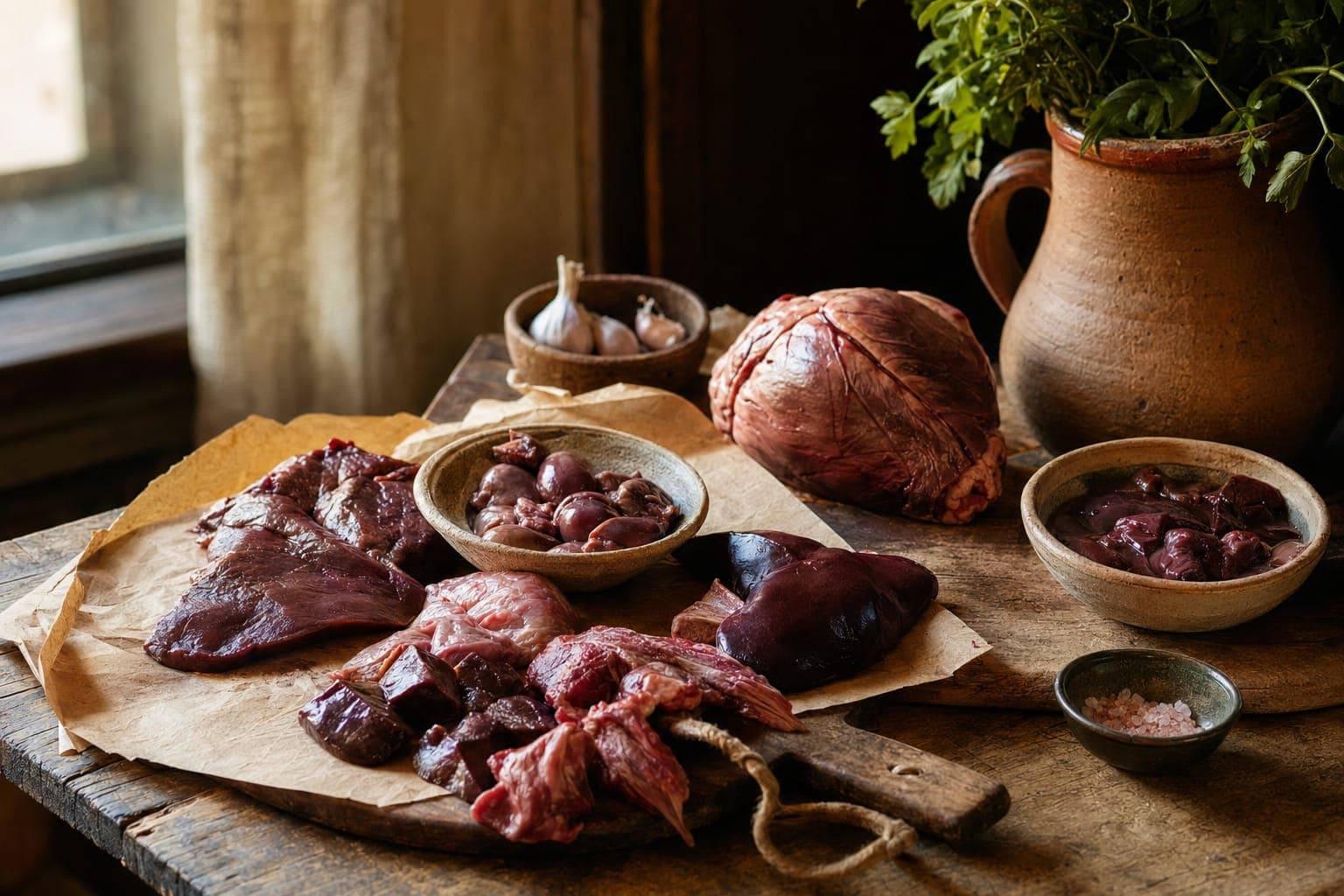
Why Every Traditional Culture Prised Organ Meats
Discover why Inuit, Maasai, and Native American cultures reserved organ meats for hunters and elders. The nutritional truth modern dietitians have overlooked.
Ancestral
Paleo, Primal, Carnivore, Animal-Based: What's the Difference?
What's the difference between paleo, primal, carnivore, and animal-based eating? A clear breakdown of each framework and when to use them.
Ancestral
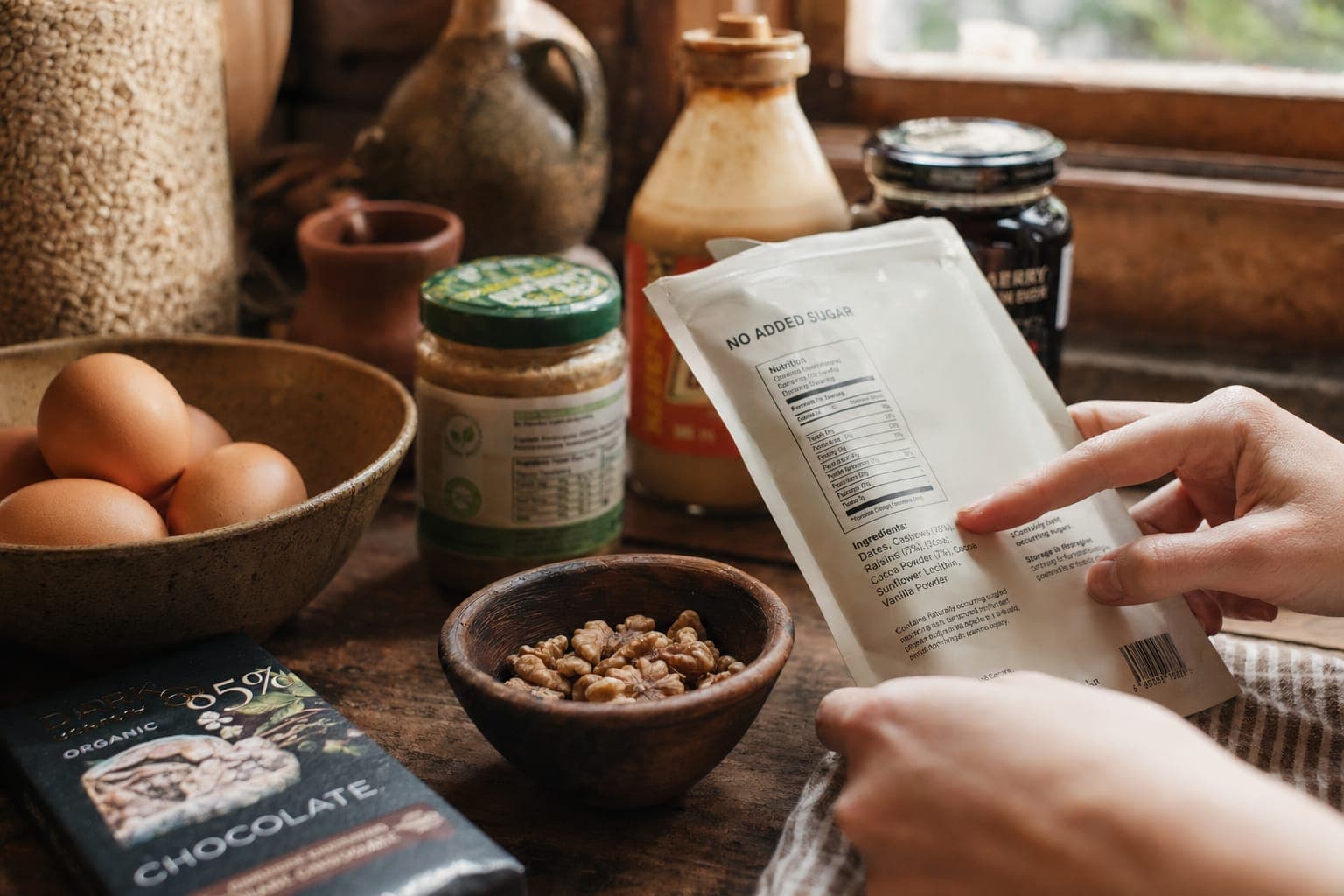
What 'No Added Sugar' Really Means on Food Labels
Decode the lies of food labels. 56 names for sugar, 'no added sugar' loopholes, and how to read ingredients to actually find real food.
Real food, made effortless
Bring it into my routineA few ways to use it
All recipes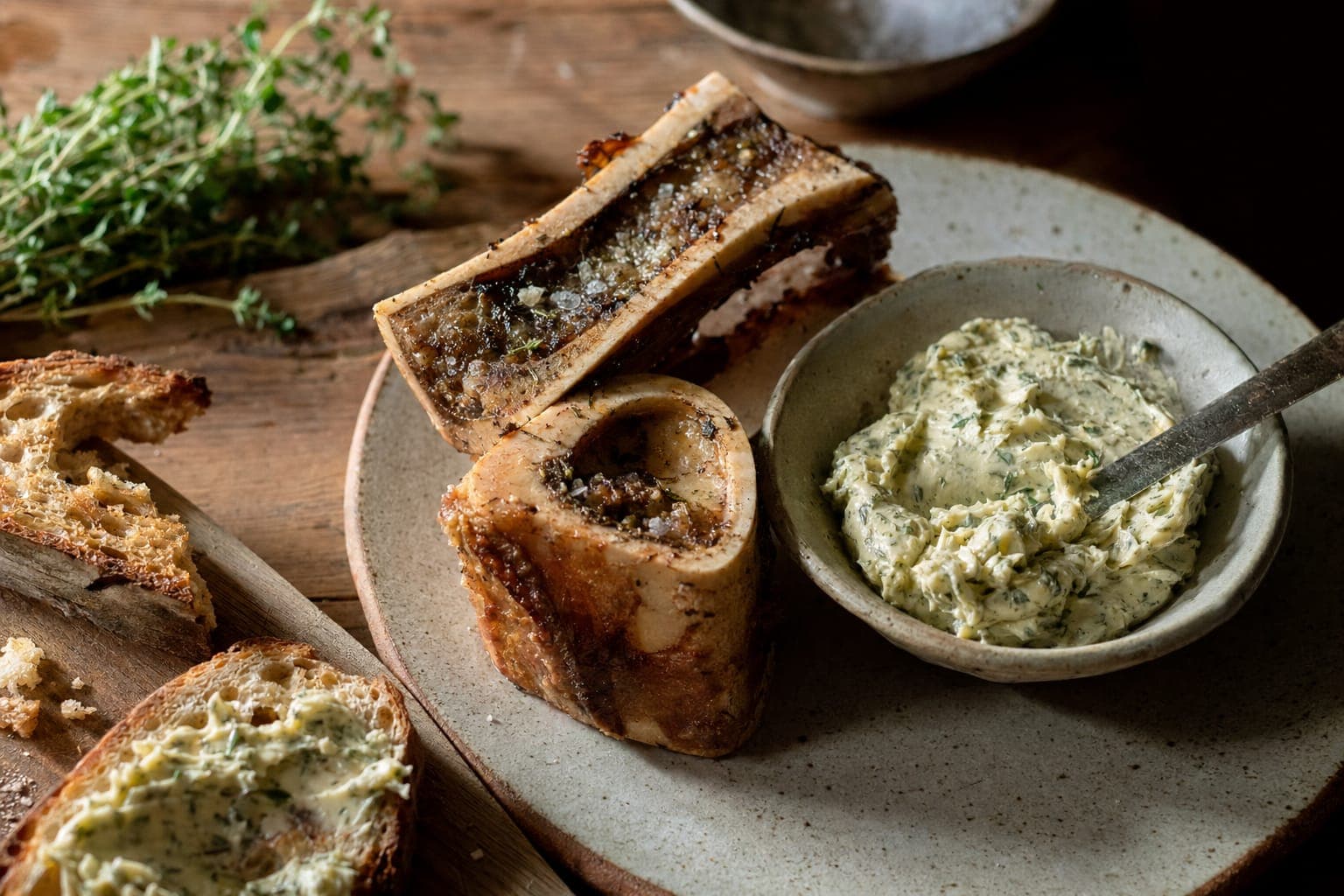
How to Make Bone Marrow Butter
Roast grass-fed marrow bones, scoop the marrow, and mix with butter and herbs. A nutrient-dense spread with fat-soluble vitamins.
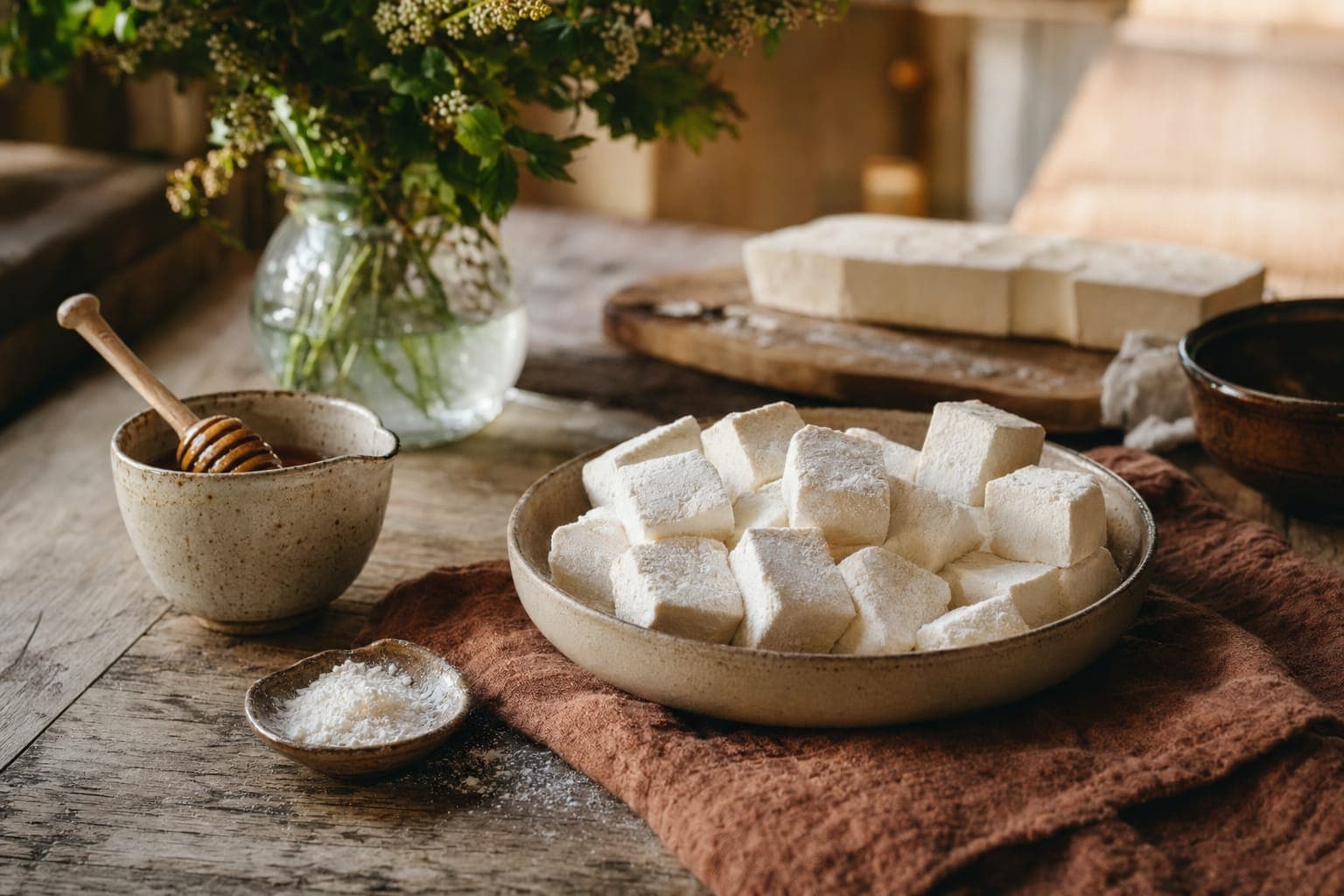
Gut-Healing Marshmallows with Collagen and Raw Honey
Learn to make gut-healing marshmallows with collagen and raw honey. A shareable treat that sneaks nutrition into every bite. Easy recipe with video tips.
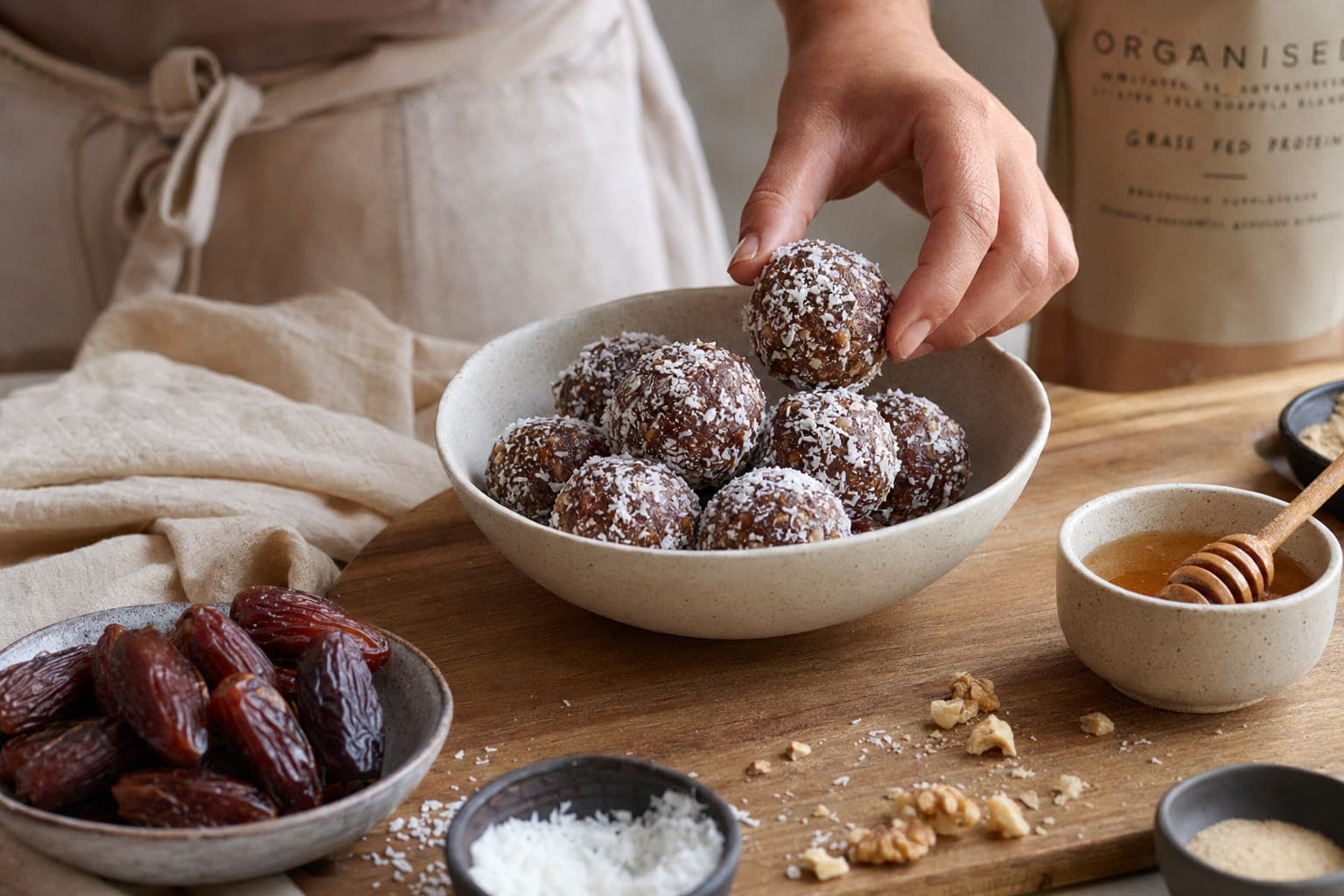
Energy Balls with Organised, Dates and Raw Honey
Make no-bake energy balls with Organised, dates, and raw honey. Perfect lunch box, pre-workout, or on-the-go snack. Simple recipe.


 Join over 100,000+ members
Build a better food system with us
The Organised community is thousands of people choosing real food and backing the farmers who grow it, all of us trying to leave the world a little better than we found it. If that is what you care about too, you belong here.