What Is an Animal Based Diet? Definition, Benefits, Food List, and How to Source Well
If you have been hearing “animal based” everywhere lately, you are not alone. It is one of the fastest-growing nutrition movements online, and it sits somewhere between paleo and carnivore.

By Niall Kiddle, Founder, Organised

Reviewed by Pedro Rodrigues, Agronomist (farming and sourcing only) ·
10 min read · Published · Updated
Makers of the Organised Daily blend, a grass-fed beef organ supplement from regenerative UK farms

At its core, an animal based diet prioritises animal-sourced foods as the foundation of your nutrition, often paired with a smaller selection of generally well-tolerated plant foods. In most modern “animal based” circles, that usually means meat, organs, eggs, and dairy, plus fruit and honey for carbohydrates.
That sounds simple. The real nuance is in the details: how strict you are, what your body tolerates best, and whether you are thinking long-term health or short-term experimentation.
Below is a clear, research-grounded guide that answers the big question: what is an animal based diet, and how do you do it well?

What is an animal based diet: in a nutshell
An animal based diet is a dietary approach where most calories and most nutrients come from animal foods, often “nose-to-tail” (meaning muscle meat plus organs, collagen-rich cuts, and bone broth). Many people also include fruit and honey as their main carbohydrate sources.
A widely used modern definition (popularised in the social media space) describes it as: meat, organs, fruit, honey, and raw dairy.
Quick snapshot (easy to remember)
-
Centred on: ruminant meat (beef, lamb), other meat, fish, eggs, and dairy
-
Often includes: organs (liver, heart, kidney), collagen-rich cuts, bone broth
-
Carbs usually come from: fruit, some raw honey, sometimes maple syrup or dates (depending on the person)
-
Usually avoids or limits: ultra-processed foods, industrial seed oils, and large amounts of grains, legumes, nuts, and highly processed “health foods”
-
Not the same as carnivore: carnivore typically excludes plant foods entirely, while animal based usually keeps some plants, commonly fruit
A gentle but important note
“Animal based” is not a single regulated diet with one official rulebook. It is more like a spectrum. Some people eat mostly animal foods plus fruit. Others eat mostly animal foods and still include some vegetables or tubers.
Your job is not to be perfect. Your job is to be honest about what helps you feel and function best.

Where did the animal based movement come from?
The animal based movement is best understood as a modern remix of older ideas:
1. Ancestral nutrition and nose-to-tail eating
Traditional food cultures often prized animal foods for their density of fat-soluble vitamins, minerals, and complete protein. Organ meats were not “weird”, they were sacred, because they delivered a lot of nutrition in a small amount of food. In this way, an animal based diet shares some DNA with an ancestral diet.
2. The paleo era
Paleo brought back the idea that whole foods matter, and that many modern ultra-processed foods are metabolically disruptive.
3. The carnivore boom
Carnivore gained traction as an elimination approach. Many people found short-term relief by removing common irritants, and they liked the simplicity.
4. The pivot toward animal based
Over time, a subset of carnivore-adjacent voices began reintroducing carbohydrates, most commonly fruit and honey, and describing the resulting approach as “animal based”. This is essentially a diet consisting of mainly meat, organs, fruit, honey, and raw dairy.
Whether you agree with every influencer claim or not, the cultural signal is real: people are tired of feeling unwell, tired of complicated food rules, and they are looking for something that feels both ancestral and practical.

What are the benefits of an animal based diet?
Let’s keep this grounded. There are plausible benefits, there are known trade-offs, and there are personal factors that matter more than ideology.
High-quality protein and nutrient density
Animal-sourced foods are rich in highly bioavailable protein and key micronutrients like B12, iron, zinc, choline, and more.
If you are coming from a diet heavy in ultra-processed foods, just shifting toward real food protein can be a profound upgrade. You can learn more about how to get the most from your food with our nutrient absorption guide.
Satiety and simpler appetite regulation
Higher-protein diets often improve fullness and reduce the desire to snack constantly. In a 2024 intervention study in women with overweight, a diet containing fresh, lean beef was reported as more well liked and linked to healthier eating behaviour compared with plant-based alternatives.
That does not mean beef is “magic”. It does suggest that for some people, animal-source protein can support satisfaction and adherence.
Less ultra-processed food by default
Most people doing animal based are not eating protein bars, vegetable oil fried foods, or ultra-processed snacks all day. That alone can change energy, cravings, and digestion.
Carbohydrates without the chaos (for some)
When animal based includes fruit and honey, some people find it easier to balance training, sleep, and thyroid function compared to very low-carb carnivore styles.
The trade-offs of animal based and what to watch
Fibre can get low fast
Many animal based versions are lower in fibre than standard public health guidance.
Fibre intake is consistently associated with better cardiometabolic and gut health outcomes in large bodies of evidence. For example, a major Lancet series reported the greatest risk reduction for several outcomes at around 25 to 29 g of fibre per day.
In the UK, adults are generally advised to aim for around 30 g per day.
If your animal based diet includes plenty of fruit, you may still get meaningful fibre. If it does not, constipation and gut stagnation can show up quickly.
Saturated fat and LDL cholesterol need context
Some animal based diets can be very high in saturated fat, depending on the cuts of meat, the dairy choices, and how much added fat is used.
Saturated fats have the potential to increase LDL cholesterol. This does not mean you must fear animal foods. It does mean you should be mindful of your personal risk factors and lab markers, especially if you are eating lots of fatty red meat and butter daily.
Who should be extra cautious
Please treat this as general education, not medical advice. If any of these apply, get clinician support before you go all-in:
-
Familial hypercholesterolemia or high baseline LDL
-
Kidney disease, gout, or a history of kidney stones
-
Pregnancy (especially if considering raw dairy and beef organs). Check out our guide on beef organ consumption during pregnancy for more info.
-
A history of eating disorders or rigid food control

Get ancestral nutrition guides, free
Two short reads a week on traditional ways of eating, examined with modern evidence.
By signing up you agree to receive emails from us. No spam, unsubscribe anytime.
What can I eat on an animal based diet?
Here is a practical food list that matches how most people actually implement animal based eating.
Animal based staples
-
Ruminant meat: beef, lamb, bison
-
Other meat: poultry, pork (ideally less processed), game meats
-
Fish and seafood: especially oily fish for omega-3s
-
Eggs: ideally pasture-raised if possible
-
Dairy (as tolerated): milk, yoghurt, kefir (make your own at home with this recipe, its super easy!), cheese, cottage cheese, butter, ghee
-
Organs: liver, heart, kidney, spleen (fresh, frozen, or in convenient blends like Organised)
-
Collagen-rich foods: bone broth, oxtail, shank, short ribs, gelatin
Common animal based carbohydrates
-
Fruit: berries, bananas, mango, dates, oranges, seasonal fruit
-
Raw honey, maple syrup (or honey in general, depending on preference and tolerance)
Foods most people limit or avoid on animal based
-
industrial seed oils (canola, soybean, sunflower, rapeseed blends). We've done a full deep dive into seed oils if you are interested.
-
ultra-processed snacks and “diet” foods
-
grains and legumes (often reduced, sometimes removed)
-
nuts and seeds (often reduced due to digestion for some people)
-
large amounts of raw cruciferous veg if digestion struggles (individual tolerance varies)
A simple animal based day of eating (example)
-
Breakfast: eggs cooked in ghee, fruit on the side, yoghurt or kefir if tolerated
-
Lunch: ground beef bowl with melted cheese, fruit or a glass of milk
-
Dinner: steak or slow-cooked lamb, bone broth, fruit for dessert
Optional: Organised shake if you need a convenient meal or post-training option. Here's a great recipe we often blend up.

1 of 9
Daily blend
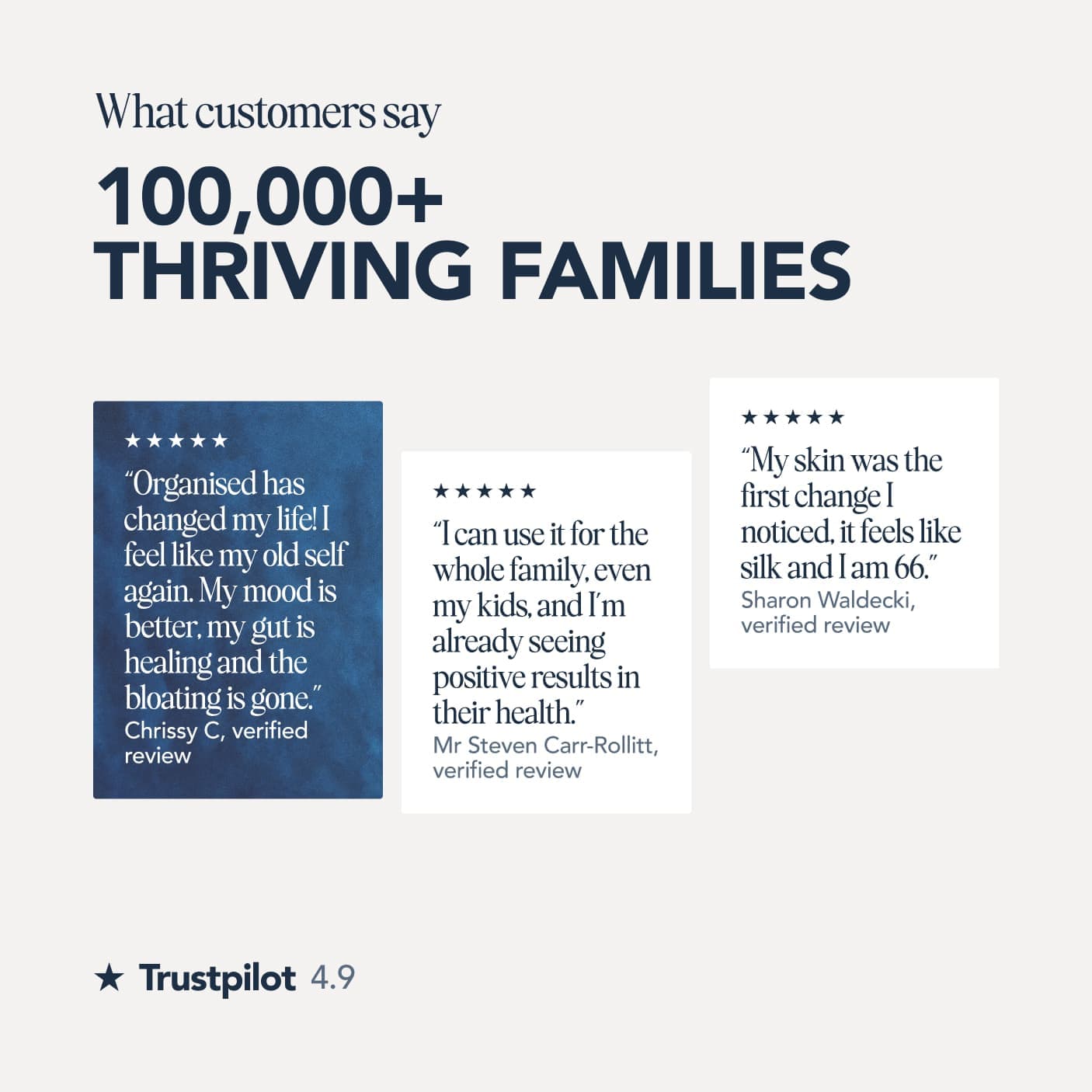
100,000+ thriving families4.9 on Trustpilot
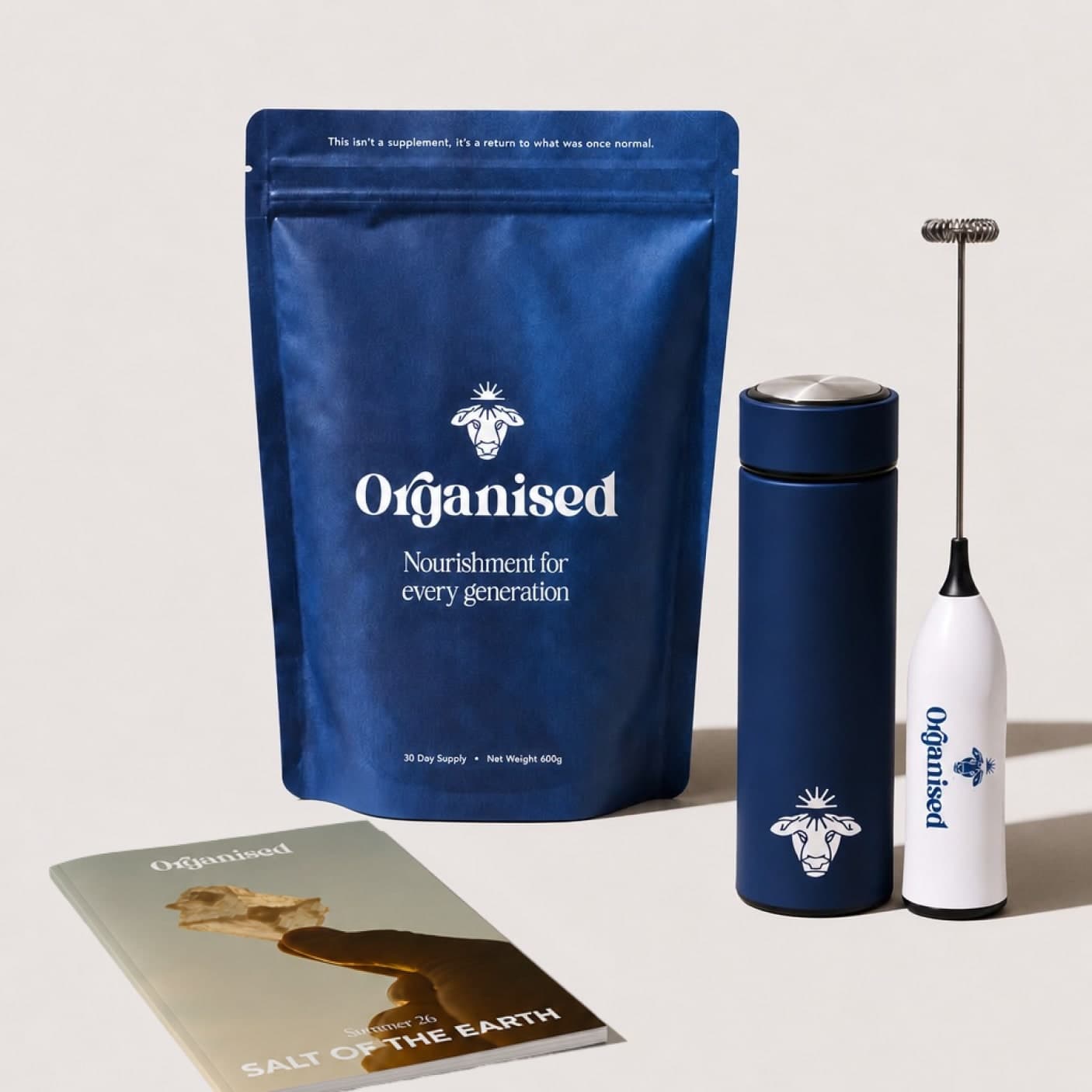
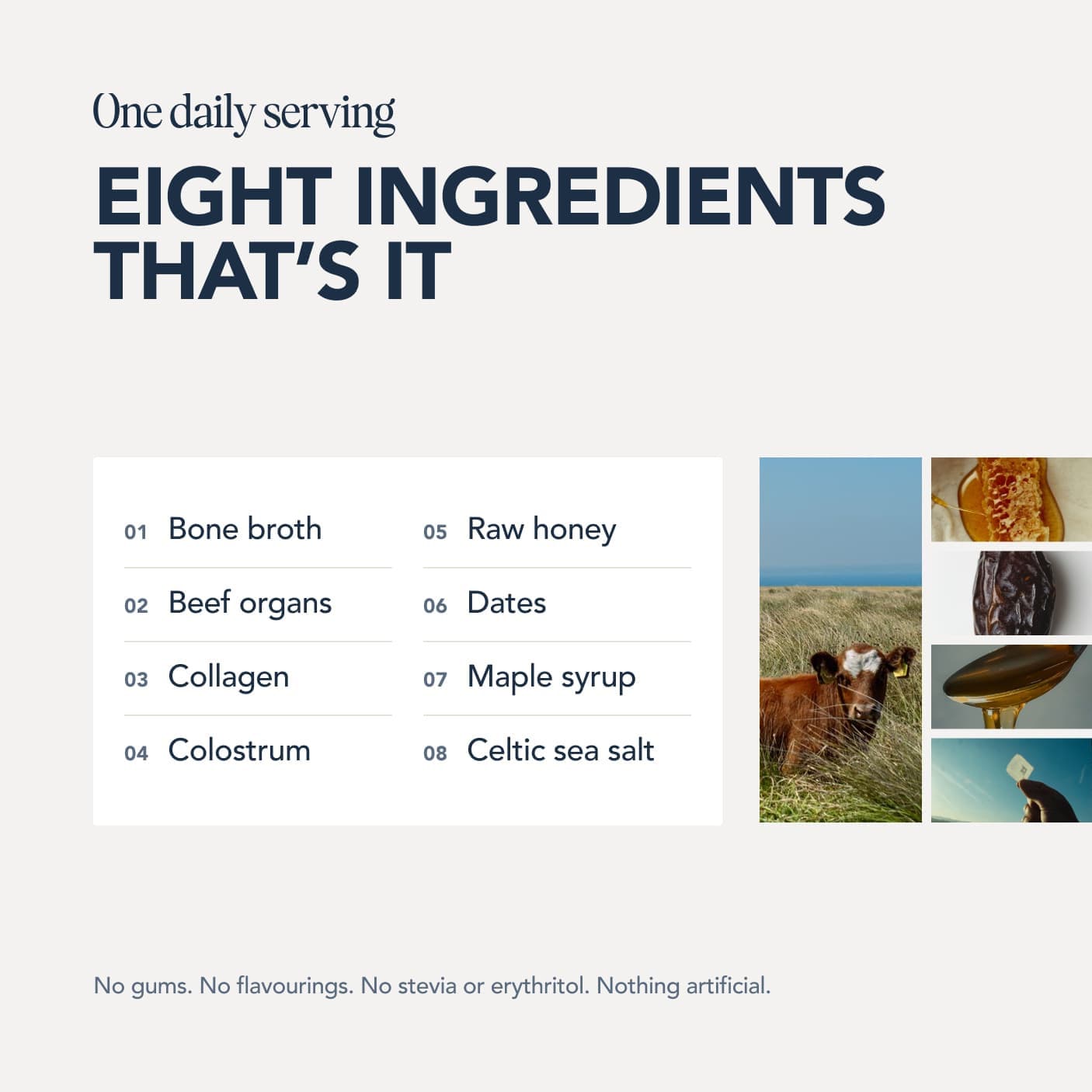
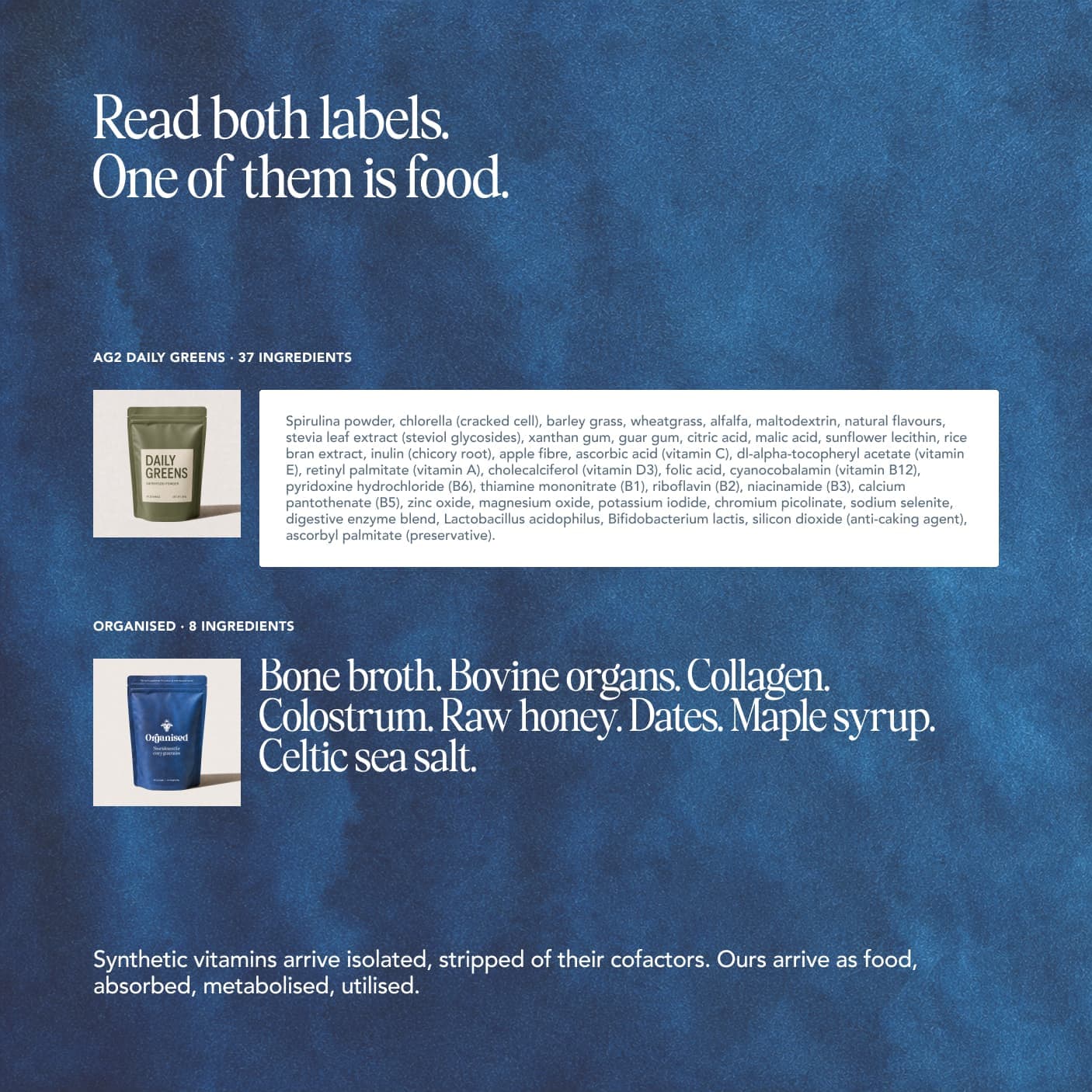
Eight real ingredients built around grass-fed beef organs, collagen and colostrum. Nothing synthetic added.
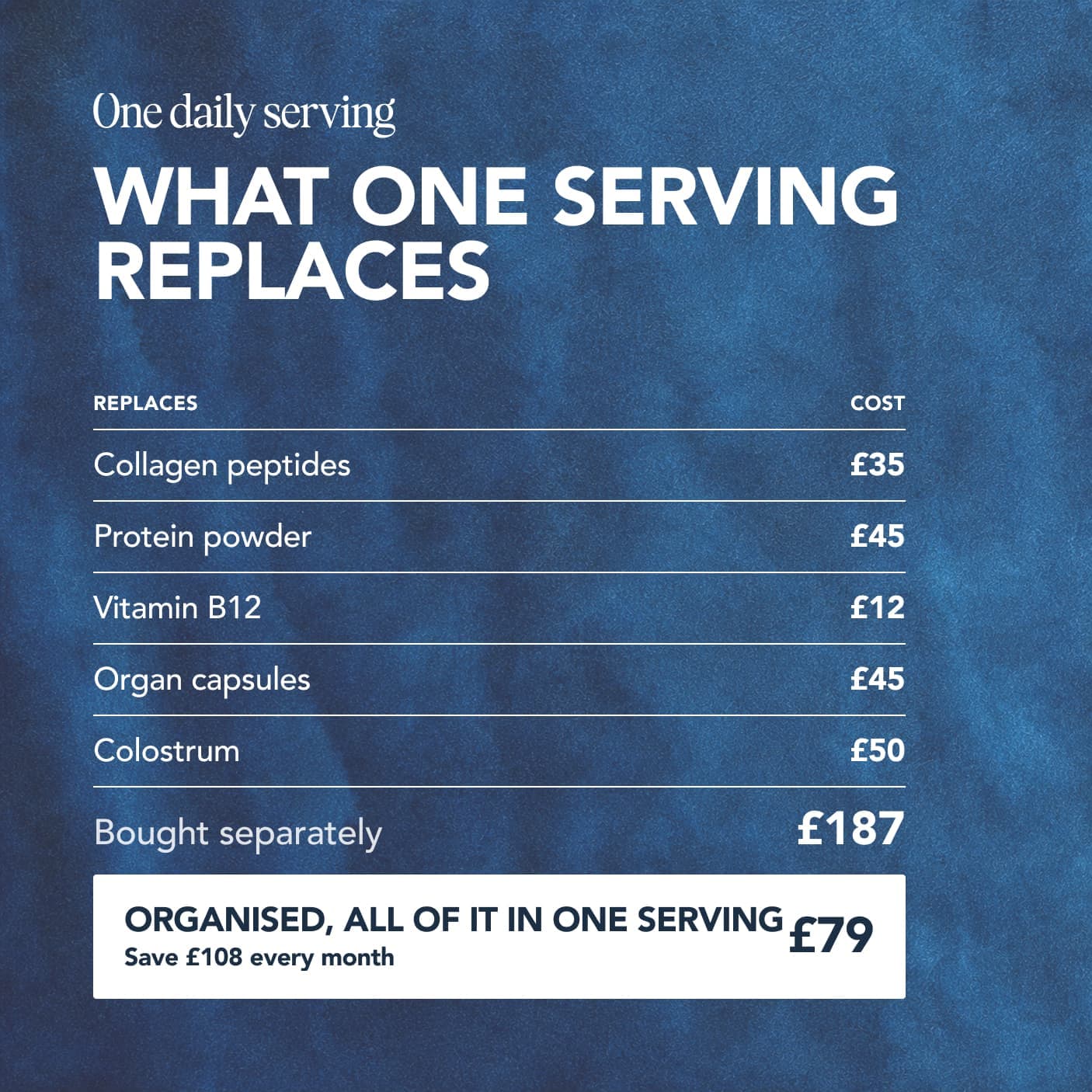
Free with your first order, worth £38. Plus £10 off the pouch with a subscription.

Free UK shipping · Made in England · 100 day money back guarantee on your first pouch · Skip, pause or cancel anytime
Importance of sourcing quality on an animal based diet
If animal foods make up the bulk of your diet, quality matters more, not less.
This is not about perfectionism. It is about respecting the food and the body you are building with it.
Why sourcing matters
-
Fat carries the story. A lot of what we value in animal foods lives in the fat and organs. That is exactly where farming practices matter.
-
Nutrient density is not guaranteed. Soil health, pasture quality, animal welfare, and feed all influence the final food.
-
Less “nutrition noise”. When you buy better inputs, you often need fewer hacks.
What “high quality” often looks like
-
grass-fed and grass-finished for ruminants where possible
-
pasture-raised eggs
-
wild-caught or responsibly farmed seafood
-
minimally processed meats (less cured, smoked, and preserved)
-
seasonal fruit and real honey from trusted producers
How the Organised app helps
This is exactly why we built the Organised app.
The Organised app is designed to help you find local farms and producers selling high quality raw milk, grass-fed meat, raw honey, and organic seasonal produce, with listings that are Organised Certified.
Instead of guessing in supermarket aisles, you can build a real-world supply chain that makes your diet feel simpler and more ancestral, because you actually know where your food comes from.

A quick note on raw milk
Raw dairy is popular in many animal based circles, but it is a serious sourcing decision, not a trend.
In the UK, raw cow’s drinking milk is legal in England, Wales and Northern Ireland with specific rules around direct-to-consumer sales.
If you choose raw dairy, do it with full awareness, and careful sourcing. Read our raw milk sourcing guide for an actionable checklist on sourcing.
Organised: Animal based protein powder
Animal based eating can be deeply nourishing, but it can also be inconvenient.
Not everyone wants to cook liver. Not everyone has time to slow-cook shanks. And not everyone can eat the same foods every day without getting bored.
That is where the Organised Blend comes in.
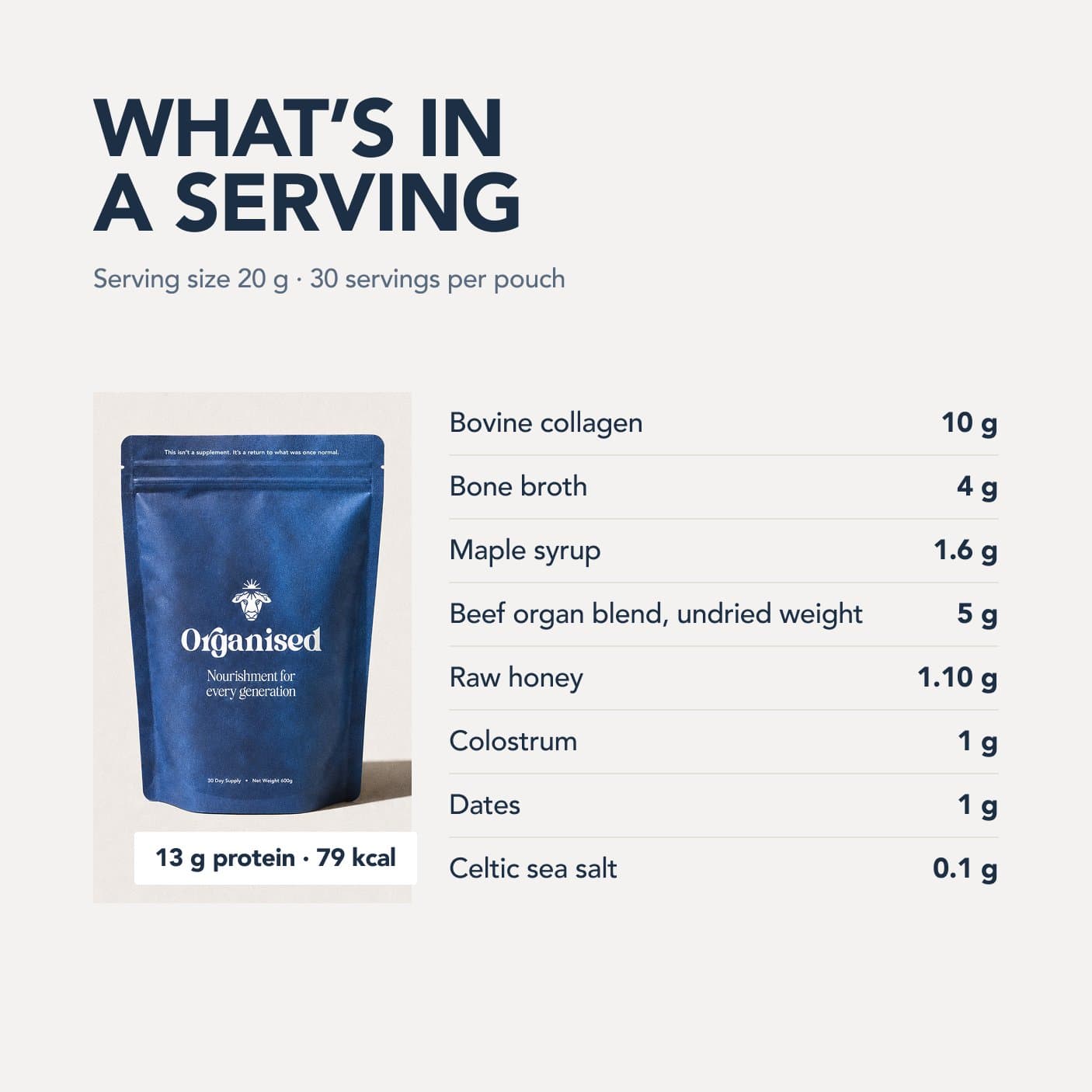
Organised is an all-in-one whole-food organ blend made from grass-fed bovine protein, collagen, colostrum, and a beef organ complex, with whole-food sweeteners like raw honey, maple syrup, dates, and Celtic sea salt.
Why this fits an animal based approach
-
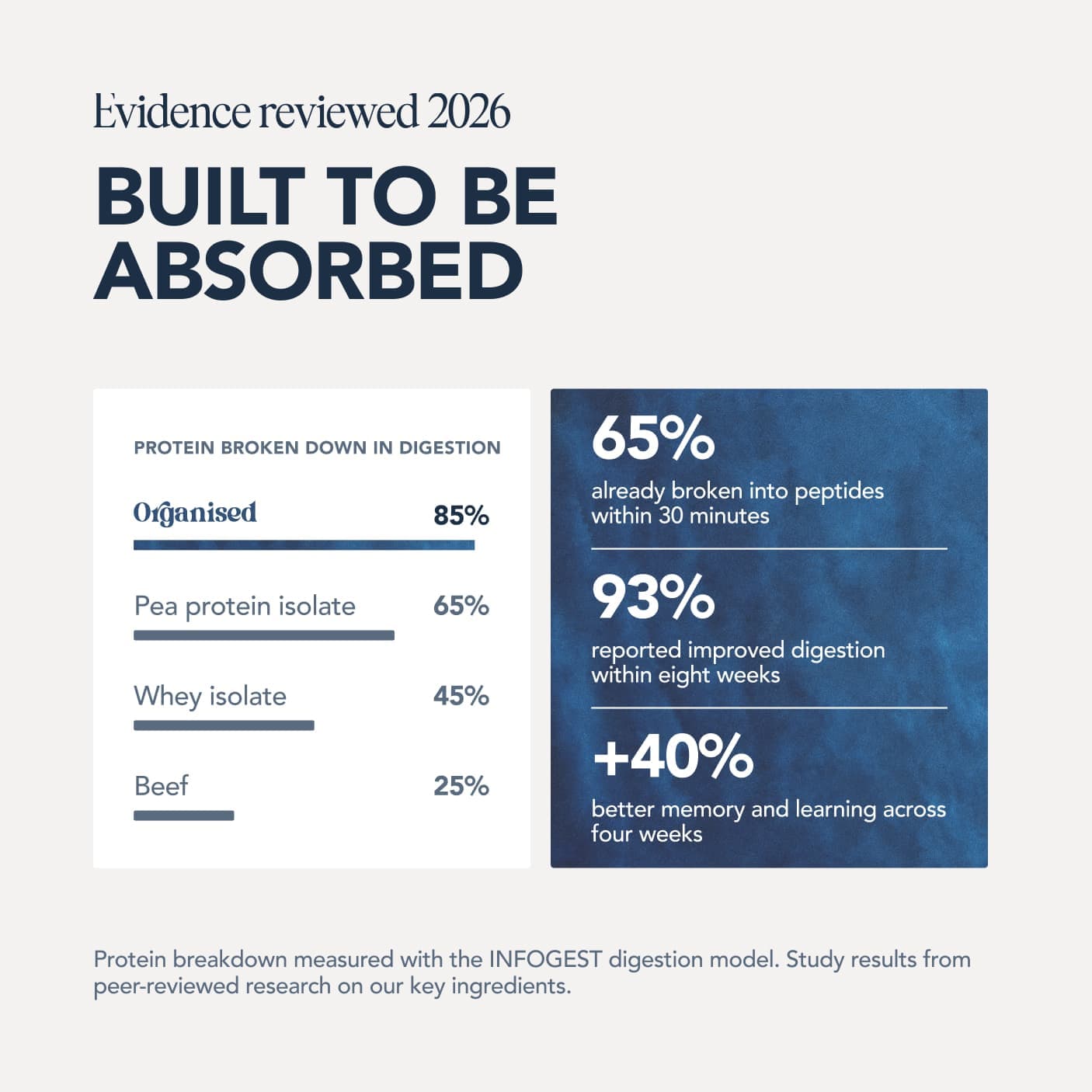
Protein first: supports daily protein targets without relying on ultra-processed powders.
-
Nose-to-tail made easy: includes organs for people who want the benefits of organ nutrition without cooking them.
-
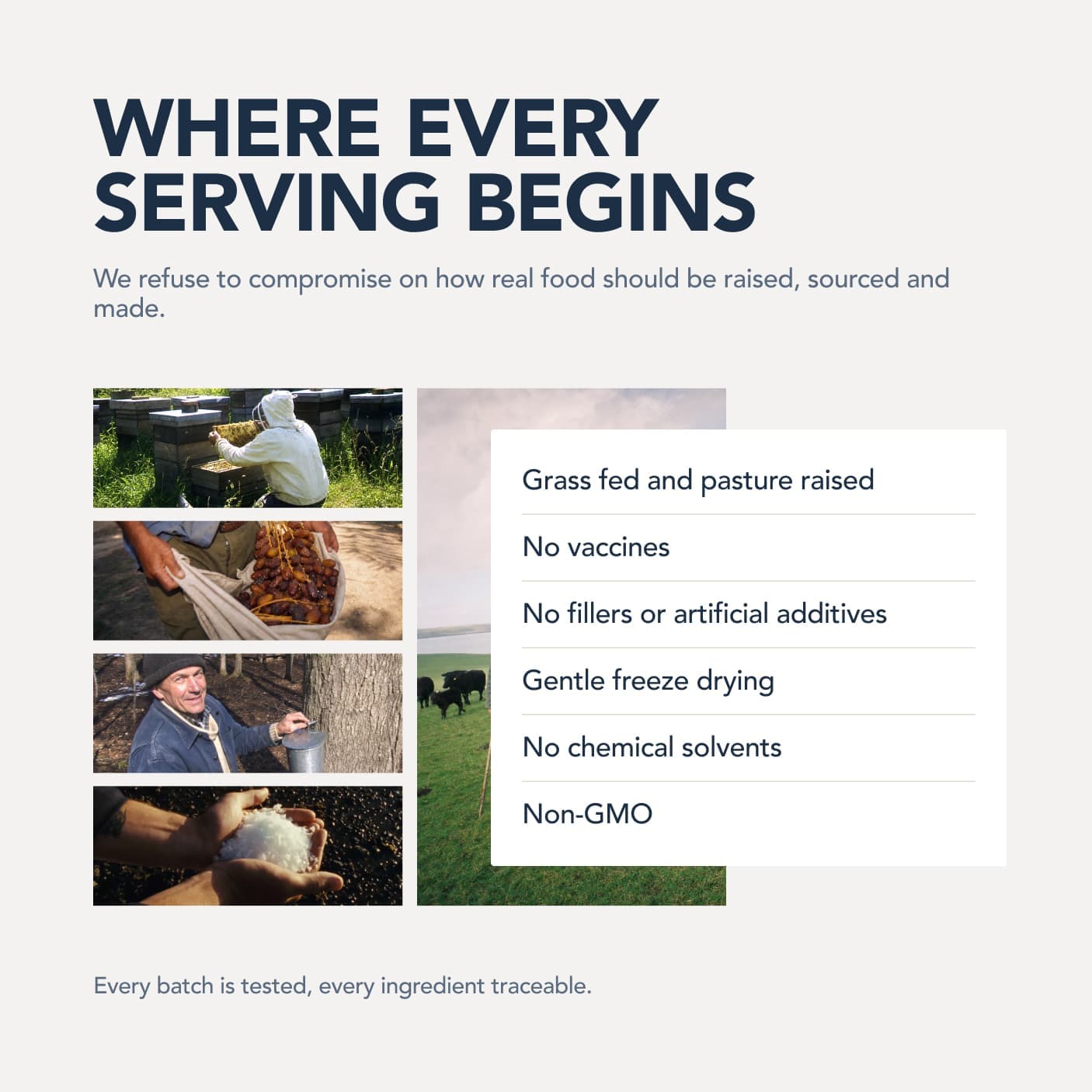
Whole-food ingredient philosophy: Regenerative sourcing and avoids synthetic, artificial ingredients.
How to use it (simple ideas)
-
blended with milk (pasteurised or raw, based on your risk tolerance and sourcing)
-
stirred into yoghurt for a thicker, pudding-style bowl
-
post-training when appetite is low but your body needs building blocks
-
Cooked into a bolognese for a hearty, nutrient dense dinner.
As always, check the ingredient list for your personal tolerances, especially if you are sensitive to dairy components.

Bottom line
So, what is an animal based diet?
It is a way of eating that prioritises animal-sourced foods for protein and micronutrients, often includes fruit and honey for carbohydrates, and usually reduces ultra-processed foods and industrial oils.
Done well, it can be satisfying, nutrient-dense, and simple.
Done carelessly, it can become low fibre, too high in saturated fat, overly reliant on processed meats, or overly dogmatic. Fibre and heart health markers still matter, and so does your long-term relationship with food.
If you want to do animal based in a way that feels grounded, start with two principles:
- Build meals around high quality animal proteins.
-
Source like it matters, because it does.
And if you want help finding those sources, that is exactly what the Organised app was made for.
Frequently asked questions
Is an animal based diet the same as the carnivore diet?
Not usually. Carnivore is typically animal foods only. Animal based usually keeps some plant foods, commonly fruit and honey.
Can you lose weight on an animal based diet?
Some people do, mainly because higher protein meals can increase satiety and crowd out ultra-processed foods. But results vary, and long-term success depends on total intake, sleep, stress, and consistency.
Will I get enough fibre on animal based?
It depends on how much fruit you eat, and whether you include any additional plant foods. Many versions are lower fibre than typical recommendations, and fibre is linked with major health outcomes.
If constipation appears, consider adding more fruit, hydration, and speak with a clinician if symptoms persist.
Is eating lots of red meat safe?
Most public health bodies recommend moderation, and they draw a clear distinction between unprocessed red meat and processed meat.
Your overall pattern, cooking methods, fibre intake, and individual risk factors matter.
Can I do animal based if I am pregnant?
Be cautious and get individual medical guidance. Pregnancy has specific food safety considerations, and raw dairy is generally discouraged for pregnant people by food safety authorities.
Do I need to eat organs on an animal based diet?
You do not “need” to, but organs are a concentrated source of certain nutrients. If fresh organs feel like too much, an organ blend can be a practical alternative. We have an in-depth guide on beef organ supplements if you want to learn more.
Who wrote and reviewed this guide
Niall Kiddle
Author · Founder, Organised
Niall is the founder of Organised. He started the company in 2024 after fixing his own health the slow way: in 2022 he swapped a cupboard of synthetic supplements for real food, raw milk, organ meats, bone broth and honey, and felt the difference within months.
Areas of expertise: Ancestral nutrition, Organ meats, Whole-food supplementation, Gut health, Regenerative sourcing
Read Niall's full profile
Pedro Rodrigues
Reviewer · Agronomist (farming and sourcing only)
Pedro is the agronomist Organised works with on farming and sourcing. His job on the guides is to keep the science honest: he reviews what we publish about soil health, regenerative agriculture, grazing and the way food is actually produced.
Areas of expertise: Regenerative agriculture, Agronomy, Soil health, Grass-fed farming, Food sourcing
Reviewed this guide on
Read Pedro's full profileBrowse the guides library
All guidesKeep reading
Ancestral
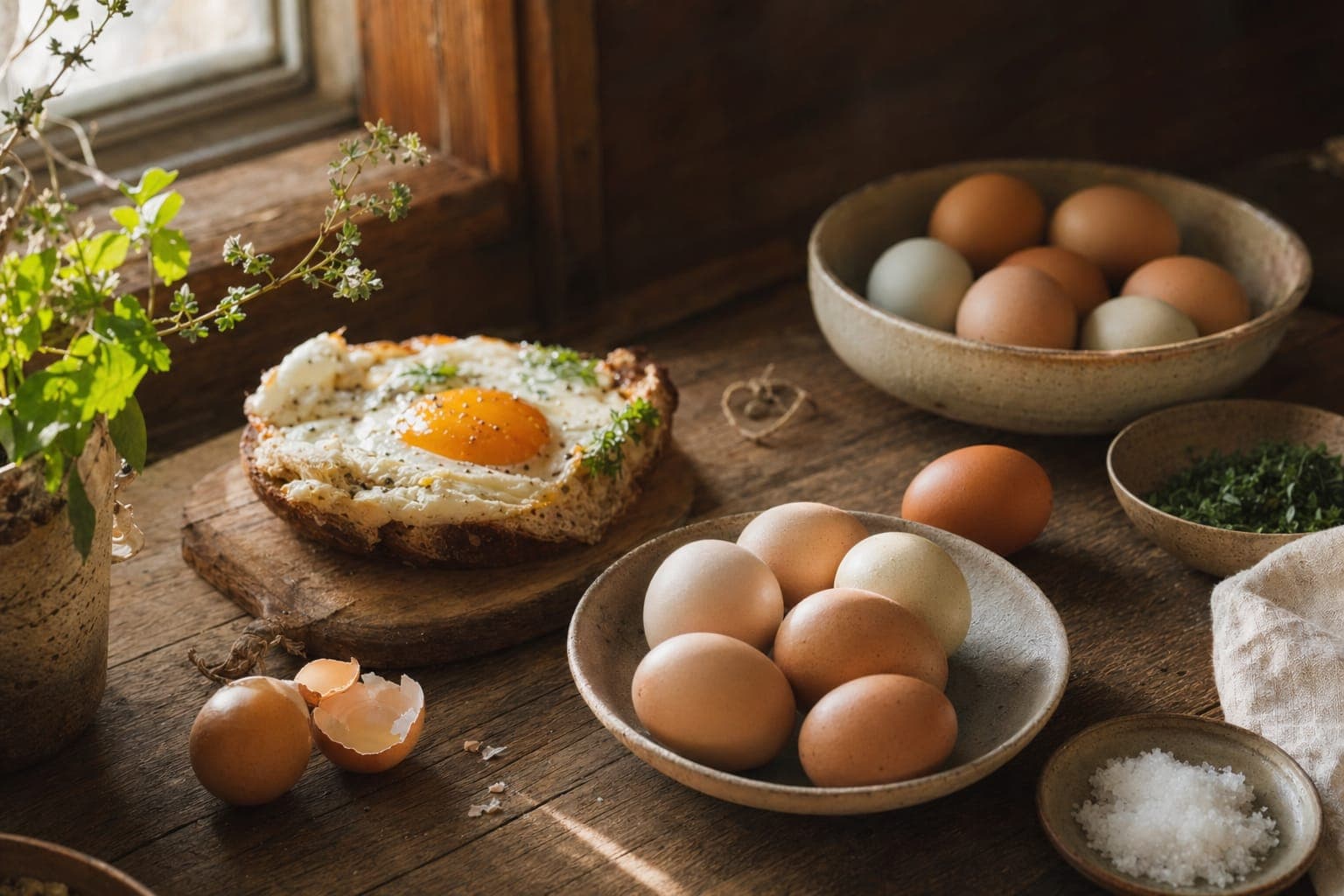
The Case for Eating Eggs Every Day
Eggs contain choline, B12, lutein, and complete protein. One egg has everything your body needs. Here's why the cholesterol myth should've died decades ago.

Ancestral
What Happened When We Stopped Eating Organs
Explore the history of organ meat: how the post-war shift to convenience foods and muscle meat sidelined nutrient-dense organs, and what that change cost us.
Ancestral
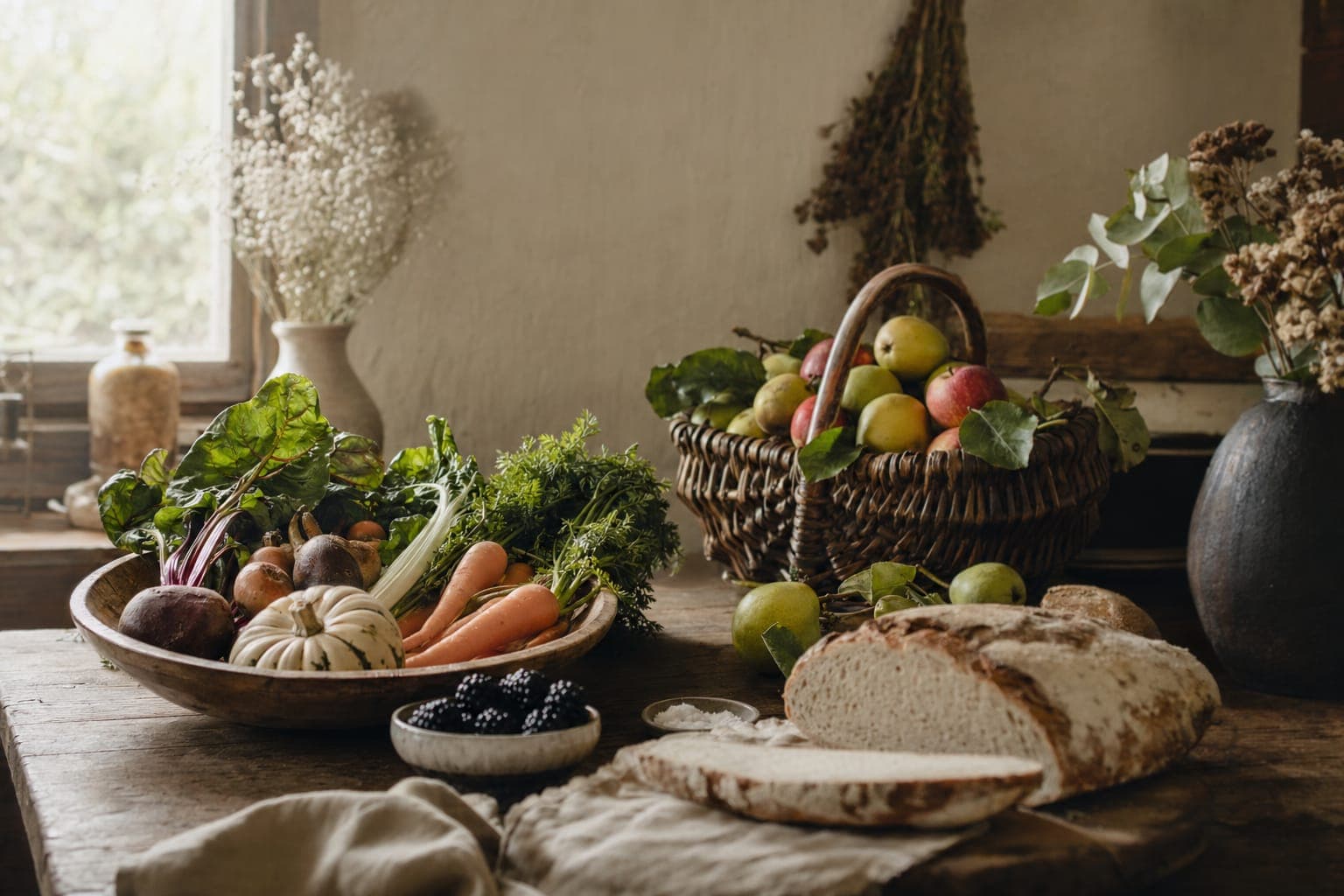
The Lost Tradition of Eating Seasonally
For most of human history, seasonal eating was the only option. Learn how year-round produce became normal and why eating with the seasons still helps.
Real food, made effortless
Bring it into my routineA few ways to use it
All recipes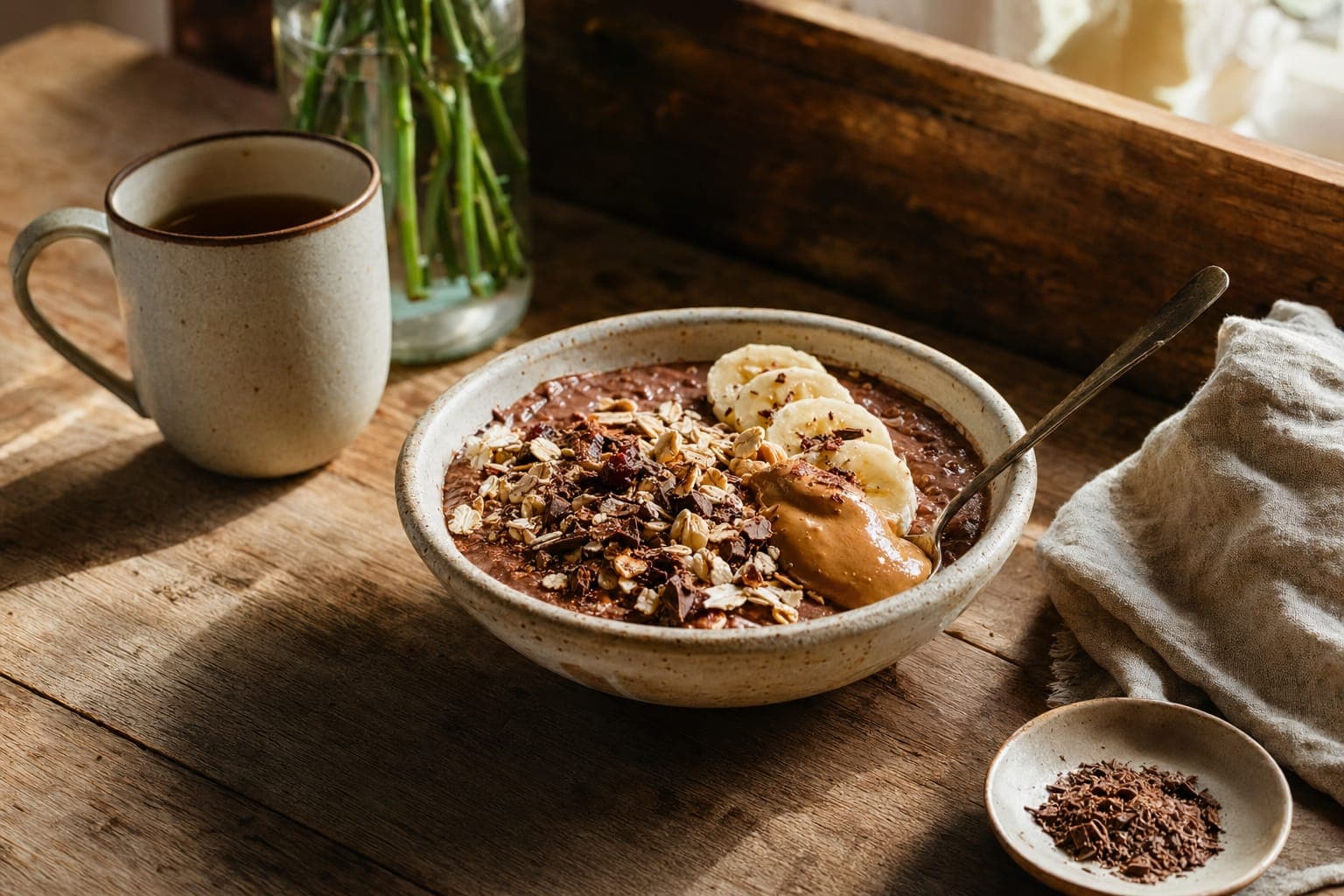
10 Ways to Use Organised That Aren't Just a Shake
Move beyond the basic shake. Discover 10 creative ways to use Organised in smoothie bowls, oats, yoghurt, baking, and more.
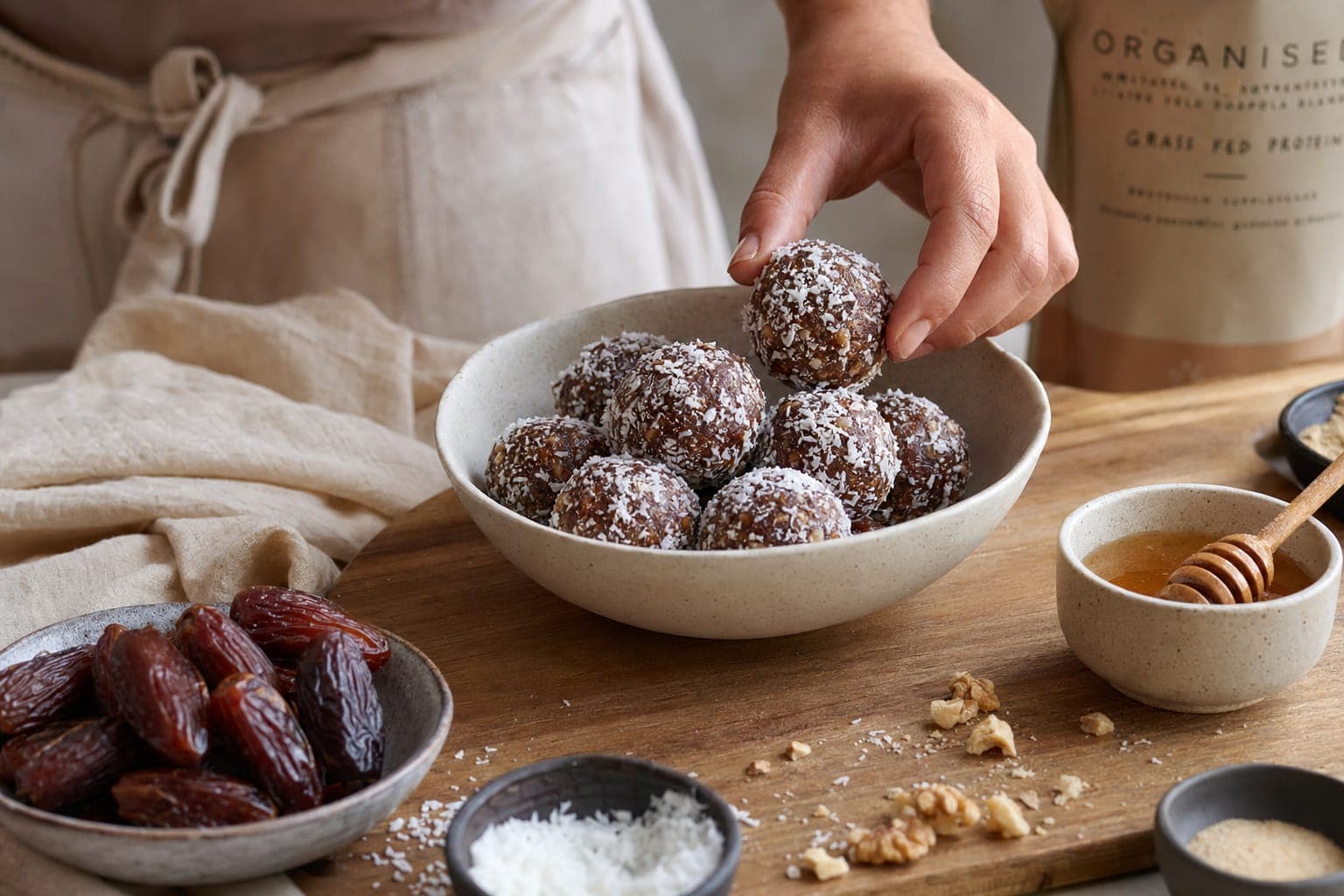
Energy Balls with Organised, Dates and Raw Honey
Make no-bake energy balls with Organised, dates, and raw honey. Perfect lunch box, pre-workout, or on-the-go snack. Simple recipe.
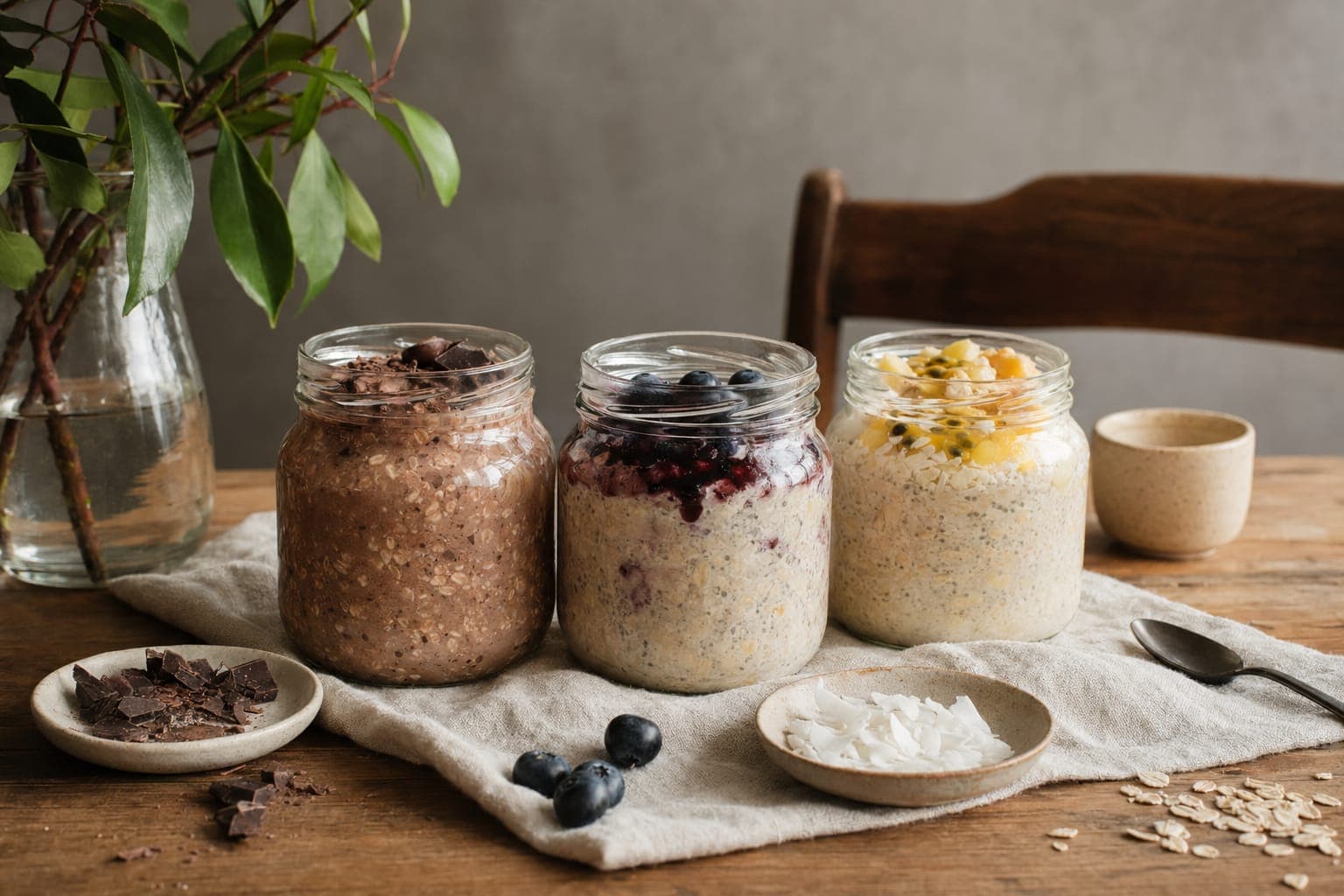
Organised Overnight Oats: 3 Variations
Three delicious overnight oats variations with Organised. Chocolate, berry, tropical flavours. Make them Sunday, eat them all week.


 Join over 100,000+ members
Build a better food system with us
The Organised community is thousands of people choosing real food and backing the farmers who grow it, all of us trying to leave the world a little better than we found it. If that is what you care about too, you belong here.